
 EN
EN



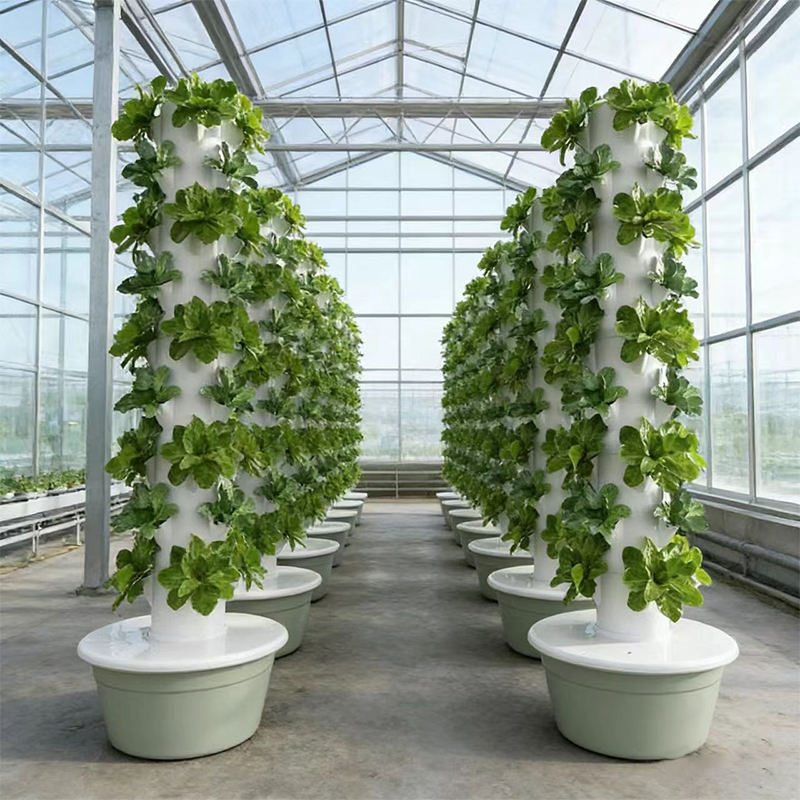
Vertical agriculture has emerged as a transformative solution for cities facing severe land scarcity and growing food demands. Traditional farming requires extensive horizontal space, making it impractical in densely populated urban areas where real estate costs soar and arable land diminishes. Vertical agriculture addresses this fundamental challenge by stacking crops in controlled indoor environments, maximizing yield per square foot while minimizing geographic footprint. This approach fundamentally reshapes how cities can achieve food security and sustainability goals.
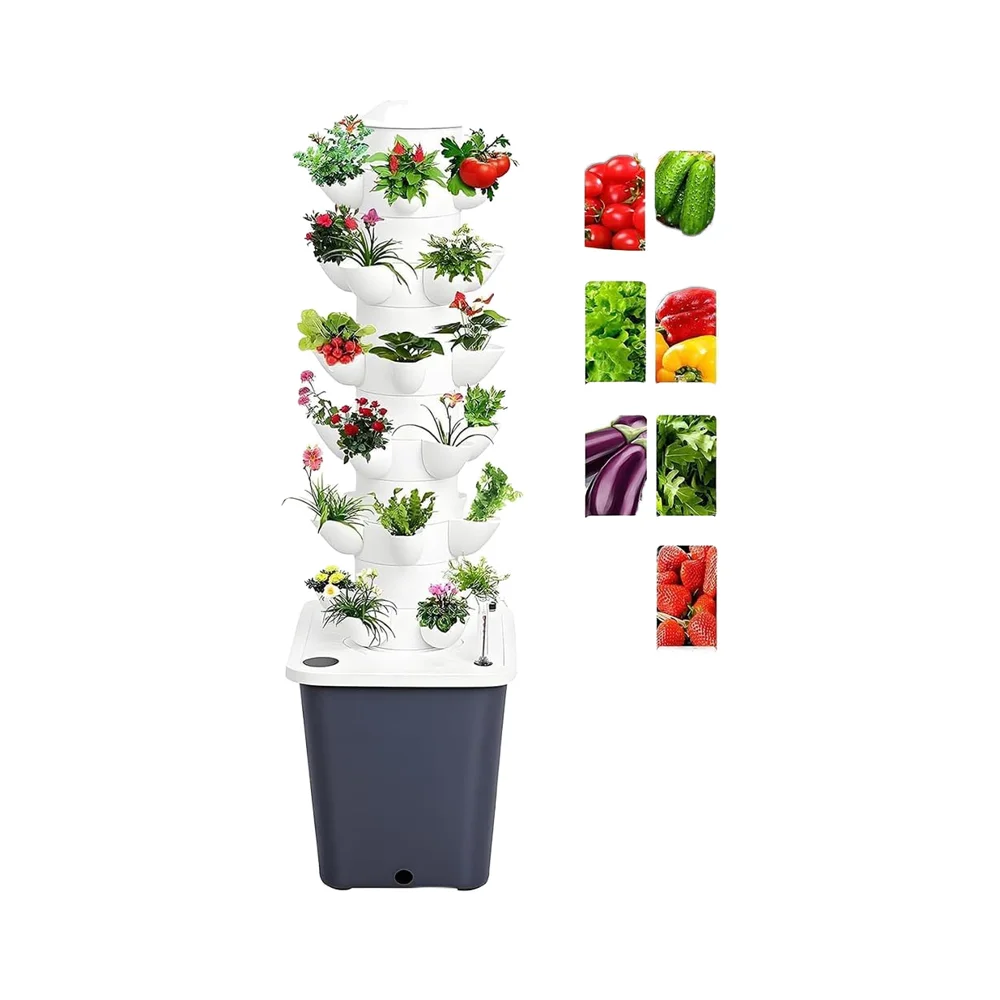
The suitability of vertical agriculture for high-density city cultivation models extends beyond mere space efficiency. Urban environments present unique opportunities and constraints that vertical agriculture is specifically designed to address. By understanding the structural, environmental, and economic factors that make vertical agriculture ideal for metropolitan areas, city planners, developers, and agricultural innovators can unlock new pathways to local food production and community resilience.
Space Efficiency and Urban Land Optimization
Maximizing Yield Per Square Foot
Vertical agriculture delivers extraordinary land productivity compared to conventional farming. A single acre of vertical agriculture can produce the equivalent of 4 to 6 acres of traditional row crops, depending on crop type and system design. In cities where land costs exceed thousands of dollars per square meter, this productivity multiplier becomes economically decisive. Vertical agriculture allows urban operators to grow substantial volumes of leafy greens, herbs, microgreens, and specialty crops within warehouses, repurposed industrial spaces, or purpose-built vertical structures that would otherwise generate no agricultural value.
Fitting Agriculture Into Existing Urban Infrastructure
Cities contain abundant underutilized structures—abandoned warehouses, parking structures, rooftops, and underground facilities—that are unsuitable for residential or commercial purposes but perfect for vertical agriculture. This vertical agriculture model eliminates competition with housing and business development, a critical advantage in land-constrained markets. Vertical agriculture systems adapt to building envelopes of various dimensions, allowing farmers to cultivate food within existing urban footprints without requiring new land acquisition or rezoning. This flexibility makes vertical agriculture deployment faster and politically less contentious than traditional agricultural expansion.
Environmental Control and Year-Round Production
Climate Independence and Seasonal Reliability
Vertical agriculture operates within fully controlled environments insulated from external weather patterns, enabling year-round crop production regardless of season or regional climate. Cities in northern latitudes or regions with short growing seasons gain the ability to produce fresh crops continuously, reducing dependence on distant supply chains and imported produce. This consistency provides economic predictability for urban farmers and improved food security for city residents. Vertical agriculture eliminates the risk of crop failure due to drought, frost, flooding, or pest outbreaks—environmental stressors that devastate outdoor farming and drive food price volatility in urban markets.
Optimized Growing Conditions and Resource Efficiency
Vertical agriculture systems use hydroponic or aeroponic growing methods that deliver precise nutrient solutions, optimal lighting, and controlled humidity to every plant. This precision reduces water consumption by 95 percent compared to soil-based agriculture while minimizing fertilizer waste and nutrient runoff. In water-scarce cities, this efficiency becomes a decisive advantage. Vertical agriculture's controlled environment also eliminates the need for chemical pesticides, reducing contamination risk and production costs. LED growing lights tuned to specific crop wavelengths maximize photosynthetic efficiency, and automated climate monitoring ensures consistent yields and product quality across multiple harvest cycles.
Economic and Social Viability for Dense Urban Areas
Labor Availability and Job Creation
Vertical agriculture requires skilled technical labor, plant care expertise, and system management rather than the seasonal, low-wage labor demands of outdoor farming. Urban environments offer abundant workers with education, technical training, and proximity to employment, making vertical agriculture economically viable in high-wage cities where outdoor farming cannot compete. Each vertical agriculture facility creates year-round, full-time employment opportunities in plant science, automation, maintenance, and harvest operations. This employment profile aligns with urban economic structures and workforce availability, making vertical agriculture a natural fit for metropolitan food production rather than a marginal activity dependent on imported rural workers.
Distribution and Market Access
Vertical agriculture facilities located within or near cities dramatically reduce transportation costs and time to market. Fresh produce harvested in the morning can reach retail locations or direct consumers within hours, maximizing product quality and nutritional value while minimizing spoilage and waste. Urban consumers increasingly demand hyperlocal, pesticide-free produce, and vertical agriculture delivers exactly this value proposition at competitive prices due to eliminated transport overhead. Additionally, vertical agriculture creates distinctive branding opportunities for urban farms, enabling premium pricing for verified local, sustainable production that appeals to environmentally conscious city residents willing to pay price premiums for transparency and food security alignment.
Technological Scalability and Investment Landscape
Modular System Design and Rapid Deployment
Modern vertical agriculture systems are engineered as modular, stackable units that integrate plumbing, electrical, climate control, and lighting into integrated packages. This standardization allows rapid facility expansion and system replication across multiple urban locations, reducing deployment timelines from years to months. Vertical agriculture operators can test crops and fine-tune workflows in pilot facilities before scaling, minimizing risk and capital waste. Modular vertical agriculture designs also enable smaller urban farms to start with minimal space and capital investment, creating diverse participation opportunities for restaurants, community organizations, and entrepreneurs entering urban food production.
Investor Interest and Funding Availability
Vertical agriculture has attracted significant venture capital, institutional investment, and government subsidies across developed nations seeking to enhance urban food security and resilience. This capital availability makes vertical agriculture increasingly accessible to municipal governments, nonprofits, and commercial operators compared to the limited funding available for traditional agricultural ventures. Investors recognize that vertical agriculture addresses multiple urban challenges simultaneously—food security, land use optimization, employment, and sustainability—making it an attractive instrument for impact investing. This funding landscape creates favorable conditions for vertical agriculture expansion in high-density cities where investor concentration and capital accessibility exceed rural areas.
FAQ
Can vertical agriculture feed entire urban populations?
Vertical agriculture currently serves as a critical complement to broader food systems rather than a complete replacement for outdoor agriculture and supply chains. A dense city could theoretically meet 20 to 40 percent of fresh produce demand through vertical agriculture depending on facility density and crop focus. Staple crops like grains and legumes require different production methods unsuitable for vertical agriculture, so diversified supply chains remain essential. However, vertical agriculture can reliably supply all fresh leafy greens, herbs, and specialty vegetables while reducing import dependence and enhancing local resilience significantly.
What startup costs should urban operators expect from vertical agriculture?
A small-scale vertical agriculture facility occupying 5,000 square feet typically requires 500,000 to 1.5 million dollars in capital investment including structure, climate control systems, lighting, growing equipment, and automation. Costs per square foot decline substantially for larger facilities exceeding 50,000 square feet due to economies of scale and system integration efficiencies. Operating costs average 30 to 50 dollars per pound for high-value crops like leafy greens and specialty microgreens, with profitability dependent on local market pricing, facility efficiency, and crop selection strategy. Urban sites with premium real estate values and direct consumer access offer the highest margin opportunities for vertical agriculture profitability.
Which crops perform best in vertical agriculture systems?
Leafy greens including lettuce, spinach, arugula, and kale represent the highest-volume crops in commercial vertical agriculture due to rapid growth cycles, high yield density, and strong urban market demand. Herbs including basil, cilantro, parsley, and microgreens also perform excellently with short production cycles enabling multiple harvests annually. Specialty crops including strawberries, tomatoes, and specialty peppers are increasingly viable in advanced vertical agriculture systems with enhanced lighting and climate precision. Root vegetables and longer-season crops remain less economically competitive in vertical agriculture, while grains and legumes generally require different cultivation approaches more suitable for outdoor or alternative indoor methods.