
 EN
EN



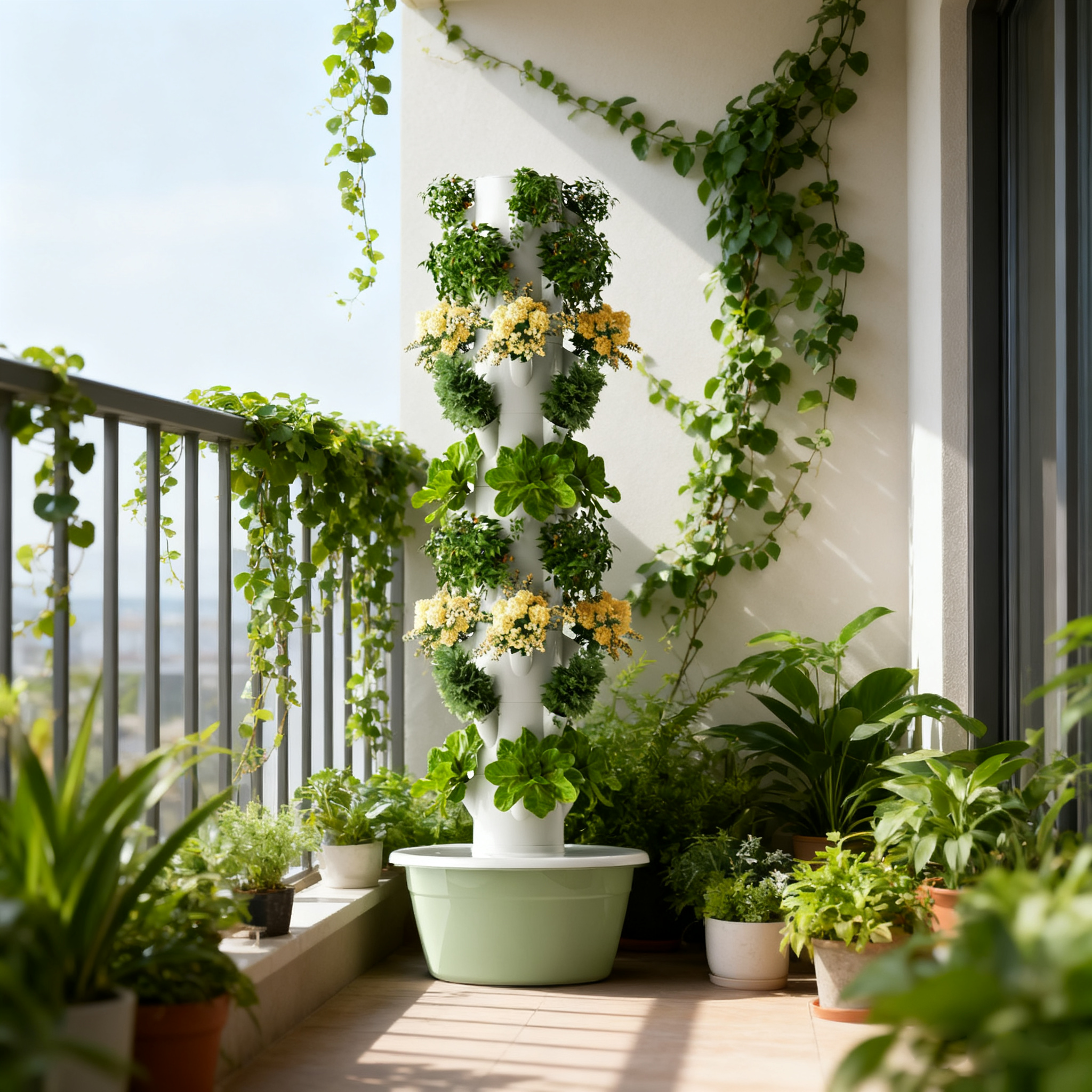
Leafy vegetables represent one of the fastest-growing segments in controlled environment agriculture, and nft hydroponics has emerged as the technology of choice for commercial and home growers alike. The nutrient film technique delivers consistent results for lettuce, spinach, kale, and other high-value greens by maintaining a thin, continuous flow of nutrient solution across plant roots. Understanding why nft hydroponics is so well-suited to leafy vegetable cultivation requires examining the system's core mechanics, efficiency advantages, and alignment with the specific physiological needs of these crops.
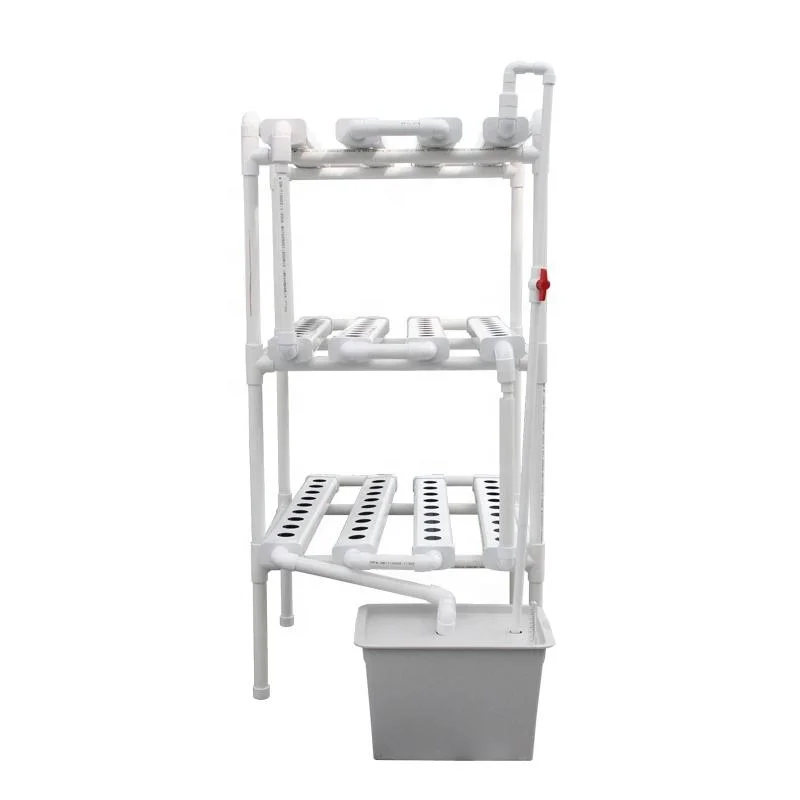
The suitability of nft hydroponics for leafy greens extends beyond simple nutrient delivery; it reflects a fundamental alignment between the system's operational characteristics and the crop's growth requirements. Leafy vegetables demand shallow root zones, frequent nutrient exposure, and minimal standing water—precisely what nft hydroponics provides. This article explores the technical, economic, and agronomic reasons why nft hydroponics has become the preferred method for professional and hobbyist growers seeking reliable, high-yield leafy vegetable production.
System Design Alignment with Leafy Vegetable Physiology
Root Zone Requirements and Shallow Growing Environments
Leafy vegetables possess naturally shallow, fibrous root systems that rarely exceed 150 to 250 millimeters in depth. This physiological characteristic makes nft hydroponics exceptionally practical because the system operates with minimal channel depth and water volume. Unlike flood-and-drain or deep-water culture systems that maintain large water reservoirs, nft hydroponics uses narrow channels where roots access a flowing film of nutrient solution. This design directly matches the shallow rooting habit of lettuce, arugula, chard, and similar crops, eliminating wasted space and reducing overall system footprint.
The thin nutrient film in nft hydroponics continuously bathes the root zone without creating the waterlogged conditions that encourage fungal diseases or anaerobic root rot. Leafy greens grown in nft hydroponics experience optimal oxygen availability because the film regularly exposes roots to both nutrient solution and air gaps. This aerobic environment accelerates nutrient uptake and promotes vigorous, disease-resistant growth. The shallow channel design of nft hydroponics also simplifies transplanting, harvesting, and maintenance tasks compared to deeper hydroponic systems.
Nutrient Film Dynamics and Uptake Efficiency
The continuous, laminar flow characteristic of nft hydroponics creates a predictable nutrient delivery mechanism perfectly calibrated for leafy vegetable demands. Leafy greens require consistent nutrient availability throughout their relatively short growth cycle, typically 30 to 60 days from transplant to harvest. Nft hydroponics maintains this consistency by circulating nutrient solution at a controlled rate, typically 1 to 2 liters per minute per channel, ensuring no plant experiences nutrient starvation or lockout. The film flow pattern minimizes nutrient concentration gradients across the channel, so each plant receives uniform nutrient availability regardless of its position.
Leafy vegetables grown in nft hydroponics demonstrate superior nutrient uptake efficiency because roots remain in constant contact with fresh nutrient solution without experiencing toxic salt accumulation. The continuous flow of nft hydroponics naturally dilutes localized salt buildup that can occur in static hydroponic systems. This self-regulating mechanism is particularly valuable for sensitive crops like baby lettuce and microgreens, where even minor nutrient imbalances visibly impact yield quality and marketability. Professional growers choose nft hydroponics specifically because it delivers predictable nutrient dynamics aligned with leafy green physiology.
Operational Efficiency and Productivity Gains
Space Optimization and Stacking Capability
Commercial leafy vegetable production increasingly demands maximum output per square meter of growing space. Nft hydroponics achieves exceptional space efficiency through its inherently compact channel design and stackability. Unlike soil-based systems requiring substantial vertical clearance between rows, nft hydroponics channels can be positioned with minimal gaps. Multi-tier nft hydroponics installations routinely achieve 50 to 100 crop cycles annually per square meter when combined with supplemental lighting and climate control.
The modular nature of nft hydroponics enables growers to expand or reconfigure production areas with minimal capital investment. A single nft hydroponics system module, typically 1.2 to 2.4 meters in length, can accommodate 50 to 100 plant positions depending on channel width and plant spacing. Stacking multiple modules vertically multiplies this capacity without increasing facility footprint. Home and commercial growers using nft hydroponics report 3 to 5 times higher plant density compared to traditional field cultivation or larger-channel hydroponic systems.
Water and Nutrient Conservation
Leafy vegetable cultivation in nft hydroponics dramatically reduces water consumption compared to field growing or soil-based methods. The closed-loop design of nft hydroponics recirculates unused nutrient solution back to the reservoir, minimizing waste. A typical nft hydroponics system operating with a reservoir volume of 50 to 100 liters can support hundreds of plants across multiple channels, using as little as 5 liters of water per kilogram of harvested greens. Field cultivation typically requires 150 to 300 liters per kilogram, making nft hydroponics a conservation-focused choice for water-scarce regions.
Nutrient efficiency in nft hydroponics reflects the system's ability to maintain stable solution chemistry. Because leafy greens absorb nutrients at predictable rates and nft hydroponics circulates solution continuously, nutrient depletion occurs gradually and uniformly. Growers monitor electrical conductivity and pH in the reservoir and make targeted adjustments rather than replacing entire nutrient solutions. This approach reduces nutrient waste by 40 to 60 percent compared to flood systems or batch watering methods. The economic and environmental advantages of nft hydroponics make it increasingly popular among sustainability-focused operations.
Disease Management and Crop Health Advantages
Pathogen Prevention Through Environment Control
Leafy vegetables grown in outdoor or traditional field settings face chronic pressure from foliar fungal diseases, bacterial pathogens, and moisture-related problems. Nft hydroponics eliminates many of these challenges by confining plant cultivation to a controlled, indoor environment where humidity, temperature, and air circulation remain optimized. The thin nutrient film in nft hydroponics prevents leaf wetting and standing water accumulation on plant surfaces, conditions that normally trigger fungal outbreaks. Crops produced using nft hydroponics typically require zero fungicide applications, meeting organic certification requirements and reducing food safety risks.
The compartmentalized design of nft hydroponics also simplifies pest management because sealed growing areas exclude most insect vectors. Thrips, aphids, and whiteflies that devastate field lettuce rarely penetrate indoor nft hydroponics facilities. When pests do enter, populations remain confined to individual channels rather than spreading across multiple outdoor rows. Growers using nft hydroponics report harvest losses of less than 2 percent due to pest damage, compared to 15 to 25 percent typical for field-grown leafy greens. This reliability makes nft hydroponics ideal for markets demanding year-round supply without seasonal interruptions.
Root Zone Health and Systemic Vigor
The aerobic root environment maintained by nft hydroponics promotes strong root systems and overall plant vigor. Dissolved oxygen levels in the nutrient film remain consistently above 6 milligrams per liter, supporting beneficial microbial populations that enhance nutrient availability and suppress pathogenic organisms. Leafy vegetables grown in nft hydroponics develop dense, white root hair development that visibly indicates healthy nutrient absorption capacity. This systemic vigor translates to faster crop cycles, higher dry matter accumulation, and improved postharvest shelf life for harvested greens.
Growers frequently observe that nft hydroponics-grown greens maintain quality for 2 to 3 weeks longer than field-harvested produce when stored at appropriate refrigeration temperatures. This extended shelf life reflects the superior mineral composition and reduced stress physiology of nft hydroponics-produced vegetables. Market buyers and processors consistently prefer nft hydroponics greens for these quality attributes, justifying premium pricing that strengthens grower profitability. The combination of disease resistance, vigor, and postharvest performance makes nft hydroponics the system of choice for professional leafy vegetable producers.
FAQ
What plant spacing is recommended for nft hydroponics leafy greens production?
Plant spacing in nft hydroponics depends on crop type and intended leaf size at harvest. Mature butterhead lettuce typically requires 15 to 20 centimeter spacing between plants, while compact varieties like oak leaf and romaine thrive at 10 to 12 centimeter spacing. Baby leaf production in nft hydroponics systems uses much tighter spacing of 5 to 8 centimeters because plants are harvested at 25 to 35 days before reaching full size. Microgreens and seedling trays in nft hydroponics arrangements position hundreds of individual plants per square meter. Proper spacing ensures adequate air circulation, light penetration, and nutrient film contact for each plant in your nft hydroponics system.
How frequently should nft hydroponics systems be cleaned or sanitized?
Complete system cleaning and sanitization of nft hydroponics equipment should occur between crop cycles, typically every 60 to 90 days. During this maintenance window, drain and flush all channels, inspect gutters for algae or biofilm accumulation, and replace or deep clean the nutrient reservoir. Sanitizing nft hydroponics channels with food-grade hydrogen peroxide or approved fungicides prevents pathogen carryover to the next crop. Between-crop management of nft hydroponics systems takes 4 to 8 hours depending on facility size but prevents disease outbreaks and maintains optimal hydraulic performance. Many commercial operations employ preventive biweekly checks and immediate cleaning whenever pump flow rates decline.
Can nft hydroponics be operated successfully with seasonal or part-time management?
Yes, nft hydroponics systems can operate successfully with part-time management because they require minimal daily labor once established. Daily tasks for nft hydroponics typically consume 30 to 60 minutes per 100 plants and include monitoring nutrient solution levels, checking pH and electrical conductivity readings, and visual plant health assessment. Nft hydroponics failures most commonly result from water supply interruptions, pump malfunctions, or power outages rather than labor gaps. Installing backup power systems, float switches, and automatic nutrient monitoring equipment makes nft hydroponics suitable for growers with limited availability. Home enthusiasts using nft hydroponics successfully operate systems while maintaining full-time external employment through automation investments.