Chemical-Free Growing and Enhanced Food Safety
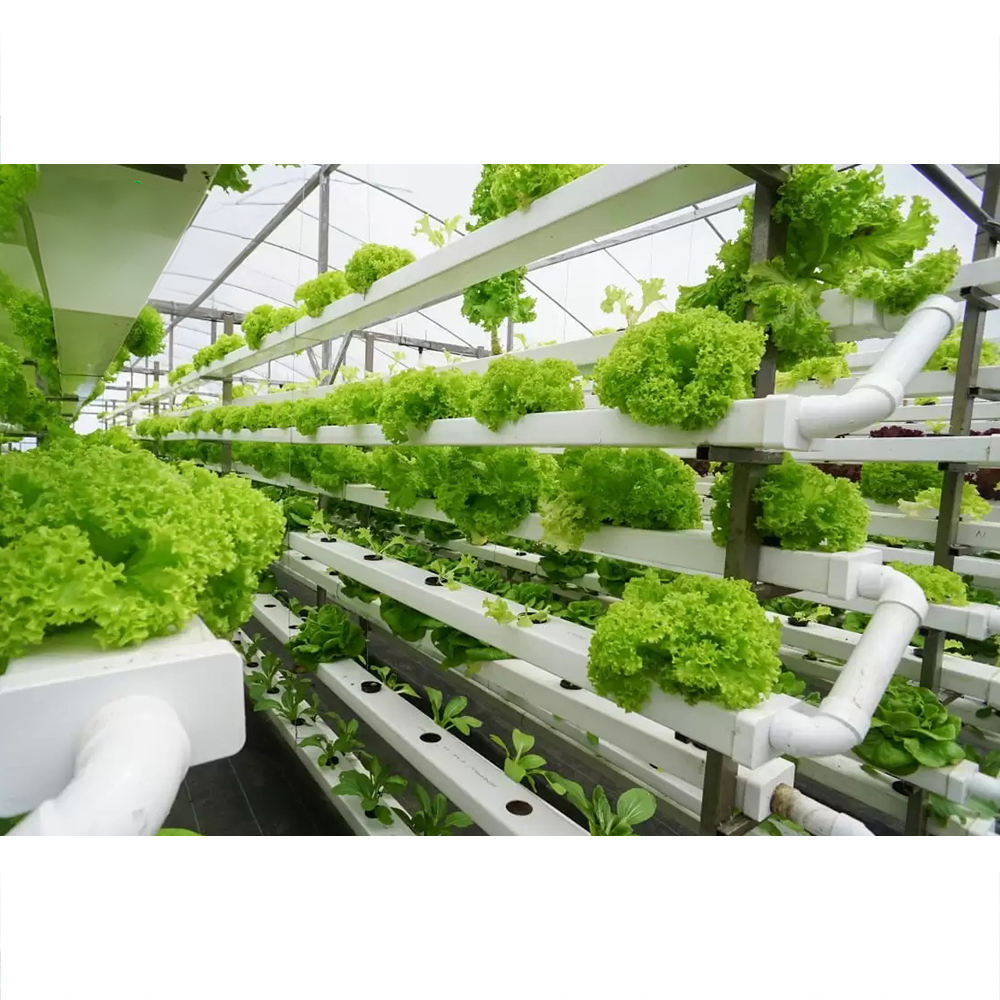
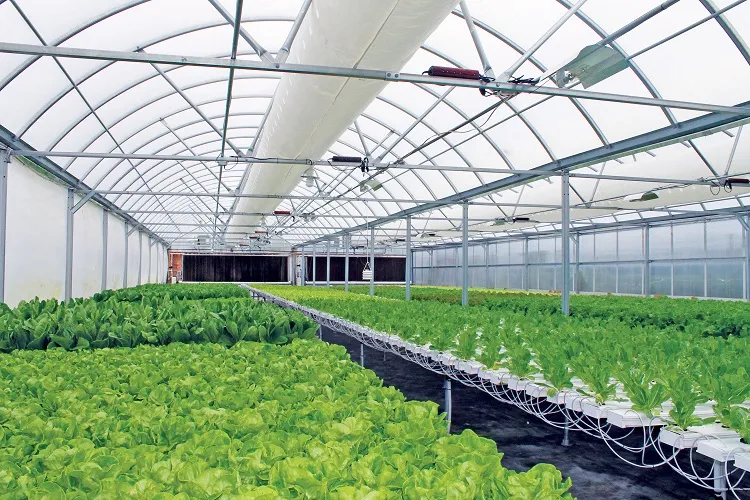
The aquaponic NFT system creates a naturally chemical-free growing environment that eliminates the need for synthetic fertilizers, pesticides, and herbicides commonly used in conventional agriculture. This chemical-free approach results from the system's closed-loop design where fish waste provides all necessary plant nutrients naturally, creating a self-sustaining ecosystem that maintains plant health through biological processes rather than artificial inputs. The absence of soil eliminates numerous pest and disease problems that typically require chemical treatments, as soil-borne pathogens cannot establish themselves in the water-based growing medium. Beneficial bacteria within the aquaponic NFT system create a natural defense against harmful microorganisms, maintaining system health through biological competition rather than chemical suppression. This natural approach produces vegetables and herbs with enhanced nutritional profiles, as plants grown without chemical stress often develop higher concentrations of vitamins, minerals, and antioxidants. Food safety improves dramatically since the controlled environment eliminates contamination risks from animal waste, contaminated irrigation water, and chemical residues that can affect conventionally grown produce. The aquaponic NFT system allows for complete traceability of food production, as operators control every input and can document growing conditions throughout the entire production cycle. Harvesting can occur at optimal ripeness since transportation time is eliminated when growing on-site, resulting in superior flavor, texture, and nutritional content compared to commercially transported produce. The system's cleanliness facilitates easy compliance with food safety regulations and organic certification requirements, opening premium market opportunities for commercial growers. Consumer demand for chemical-free, locally grown produce continues increasing, making aquaponic NFT system products highly marketable at premium prices. The elimination of pesticide exposure benefits both consumers and farm workers, creating safer working conditions and healthier food products. Quality control becomes more manageable in the controlled environment, as operators can immediately identify and address any issues before they affect product quality or safety. The system's natural growing methods align with sustainable agriculture principles, appealing to environmentally conscious consumers willing to pay higher prices for responsibly produced food products.
 ×
×

 EN
EN