Commercial Hydroponic Farming: Advanced Soilless Agriculture Solutions for Maximum Yield and Efficiency

Get a Free Quote

Our representative will contact you soon.
Email
Name
Company Name
Message
0/1000

commercial hydroponic farming

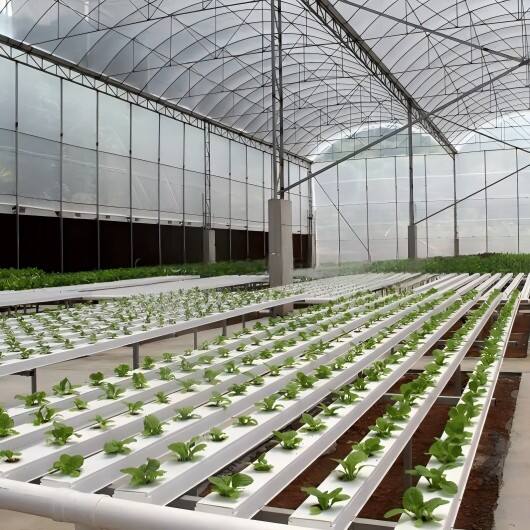
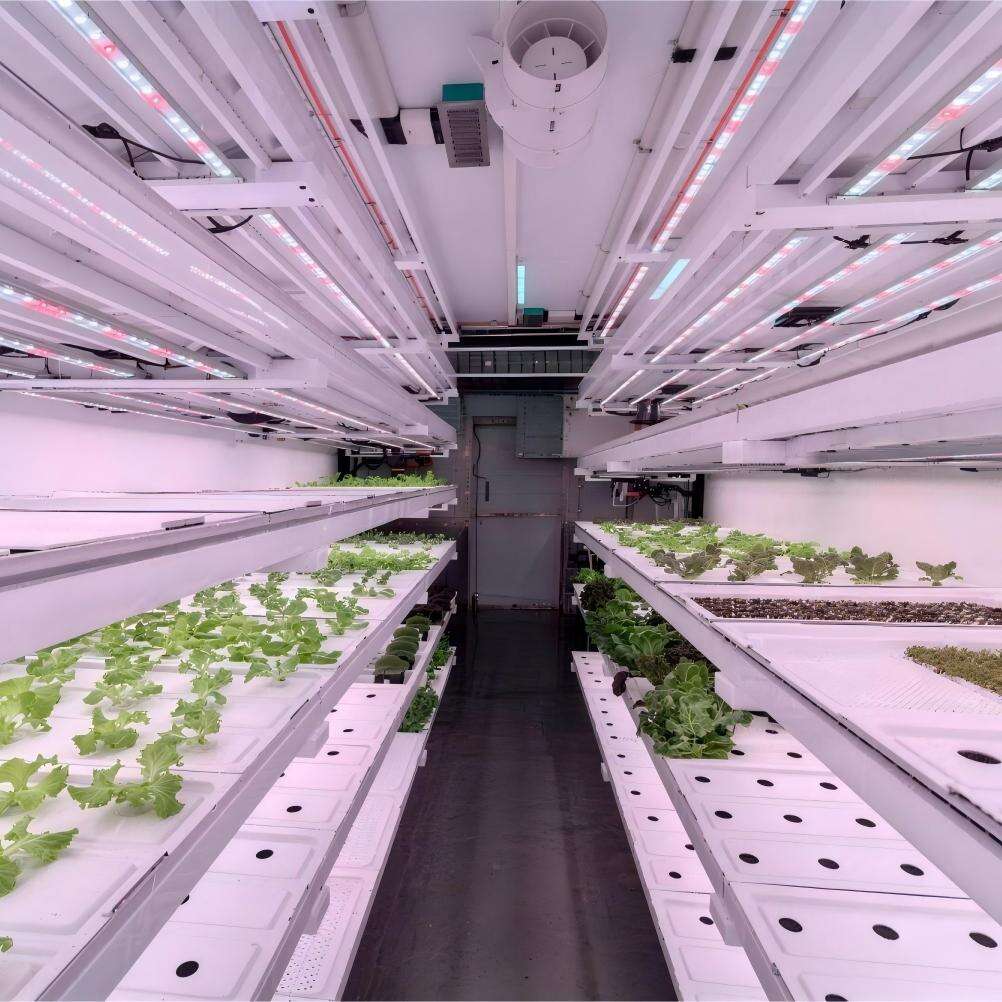
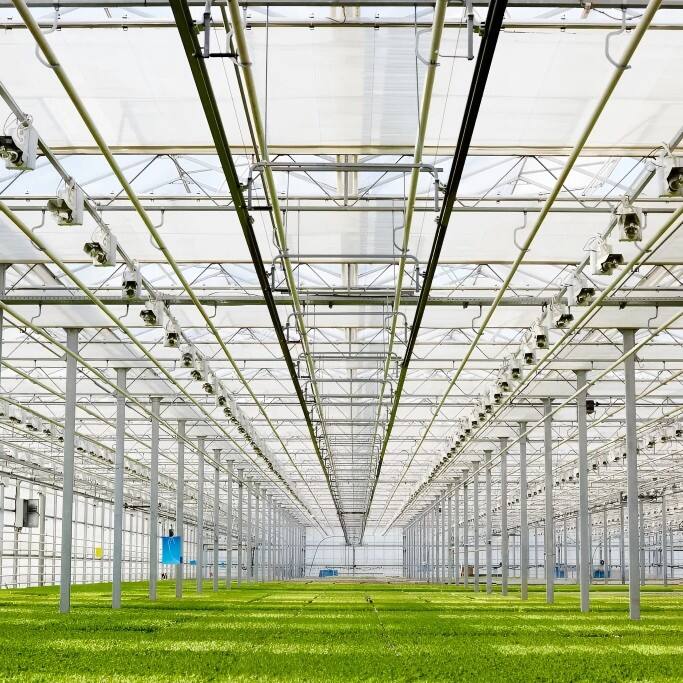
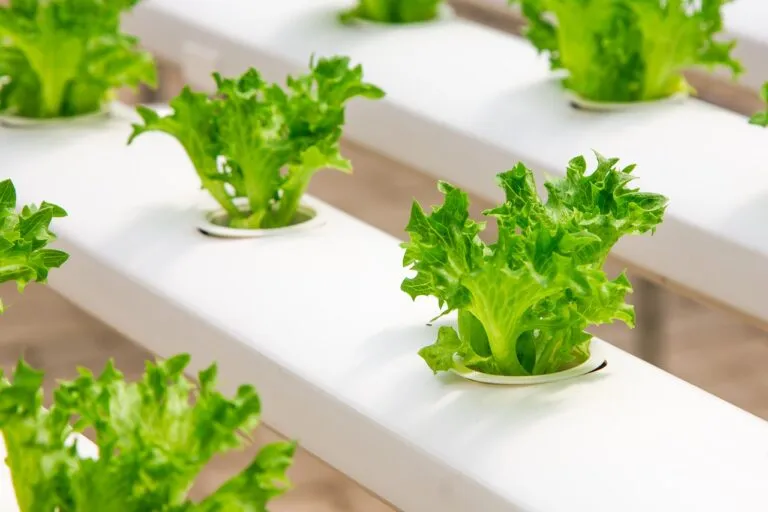
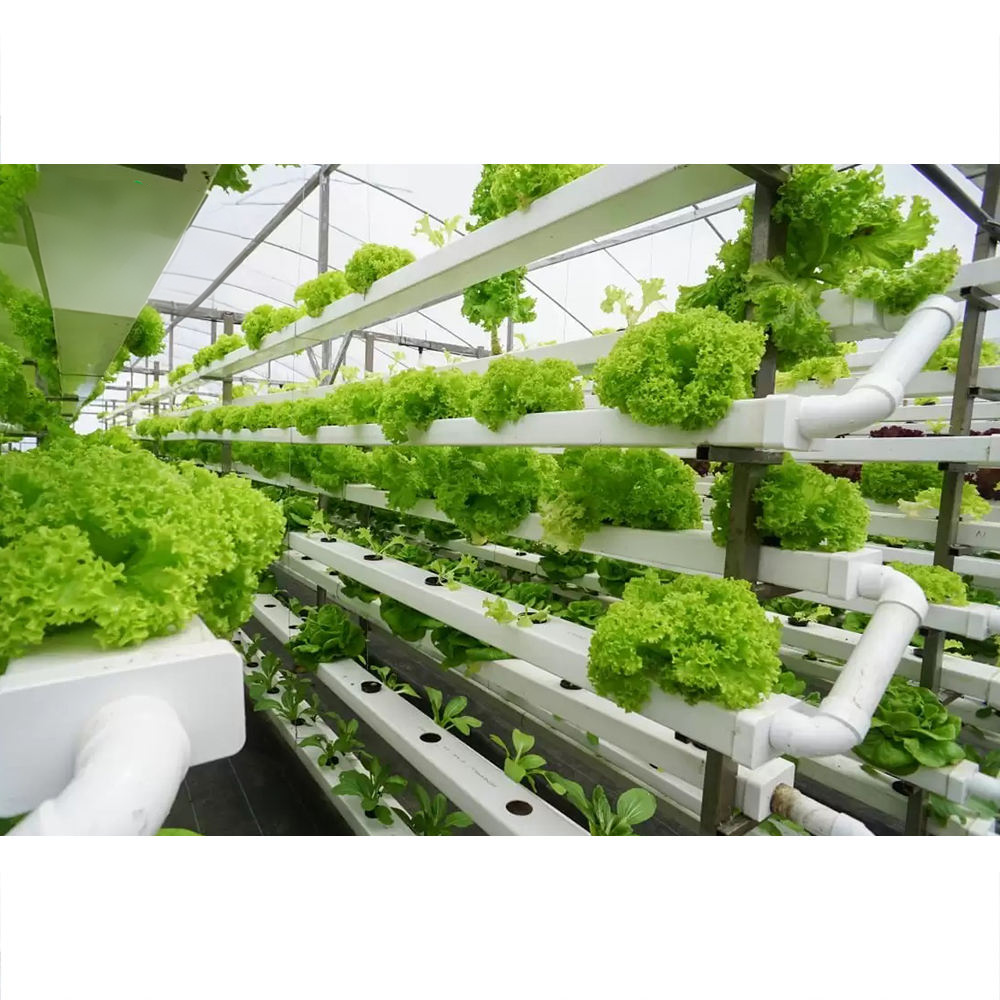
Commercial hydroponic farming represents a revolutionary agricultural approach that eliminates soil dependency while maximizing crop production efficiency. This innovative farming method utilizes nutrient-rich water solutions to deliver essential minerals directly to plant roots through various growing mediums such as perlite, rockwool, or coconut coir. Commercial hydroponic farming systems operate on precise environmental controls, enabling year-round cultivation regardless of external weather conditions or seasonal limitations. The technology encompasses multiple cultivation techniques including deep water culture, nutrient film technique, drip systems, and aeroponics, each designed to optimize specific crop requirements and production goals. Modern commercial hydroponic farming facilities integrate advanced automation systems that monitor pH levels, electrical conductivity, temperature, humidity, and light intensity to maintain optimal growing conditions. These sophisticated monitoring systems collect real-time data to adjust nutrient concentrations, irrigation schedules, and environmental parameters automatically, reducing labor costs while enhancing crop quality consistency. The applications of commercial hydroponic farming span across various agricultural sectors, from large-scale vegetable production facilities supplying supermarket chains to specialized herb cultivation for restaurant industries. Greenhouse operations utilize commercial hydroponic farming to produce premium leafy greens, tomatoes, cucumbers, and peppers with superior taste profiles and extended shelf life. Urban farming initiatives implement commercial hydroponic farming systems in converted warehouses, rooftops, and vertical farming towers to supply fresh produce to metropolitan areas. The technology also supports pharmaceutical companies growing medicinal plants under controlled conditions, ensuring consistent potency and purity levels. Research institutions employ commercial hydroponic farming for agricultural experiments and developing new cultivars optimized for soilless production. The scalability of commercial hydroponic farming makes it suitable for operations ranging from small boutique farms to massive industrial facilities covering thousands of square meters.

New Products

Commercial hydroponic farming delivers exceptional water efficiency, using up to 90 percent less water compared to traditional soil-based agriculture through recirculating nutrient solutions that minimize waste and runoff. This water conservation benefit makes commercial hydroponic farming particularly valuable in arid regions or areas facing water scarcity challenges. The controlled environment of commercial hydroponic farming eliminates pesticide requirements, producing cleaner, healthier crops that meet organic standards and consumer safety expectations. Farmers achieve dramatically faster growth rates with commercial hydroponic farming, as plants receive optimal nutrition directly to their root systems, resulting in harvest cycles that are 30 to 50 percent shorter than conventional farming methods. Space utilization reaches maximum efficiency through commercial hydroponic farming systems that enable vertical growing arrangements, allowing producers to cultivate multiple crop layers within the same footprint area. This vertical approach increases yield per square foot by up to 400 percent compared to traditional horizontal farming layouts. Commercial hydroponic farming provides complete independence from soil quality limitations, enabling food production in locations with poor soil conditions, urban environments, or contaminated land areas. The year-round production capability of commercial hydroponic farming ensures consistent revenue streams and stable supply chains, protecting farmers from seasonal market fluctuations and weather-related crop losses. Labor efficiency improves significantly with commercial hydroponic farming automation systems that reduce manual tasks such as weeding, pest control, and irrigation management. The precise nutrient delivery in commercial hydroponic farming results in superior crop quality with enhanced nutritional content, improved flavor profiles, and longer shelf life that commands premium market prices. Transportation costs decrease when commercial hydroponic farming facilities locate near urban markets, reducing carbon footprints while delivering fresher produce to consumers. The predictable nature of commercial hydroponic farming allows accurate harvest scheduling and inventory management, enabling better business planning and customer relationship management. Energy efficiency improvements come through optimized lighting systems and climate control technologies specifically designed for commercial hydroponic farming operations, reducing overall operational expenses while maintaining optimal growing conditions.

Tips And Tricks

Hydroponic Vertical Farming_ Empowering Legal Cultivation Markets Globally

09

Feb

Hydroponic Vertical Farming_ Empowering Legal Cultivation Markets Globally

View More
Planting Containers: Unlocking New Possibilities for Smart Agriculture, Creating Efficient and Movable Planting Spaces

11

Mar

Planting Containers: Unlocking New Possibilities for Smart Agriculture, Creating Efficient and Movable Planting Spaces

View More
Vertical Farming Machines, Greenhouse Cultivation & Hydroponics: Reshaping the Future of Agriculture

09

Feb

Vertical Farming Machines, Greenhouse Cultivation & Hydroponics: Reshaping the Future of Agriculture

View More

Get a Free Quote

Our representative will contact you soon.
Email
Name
Company Name
Message
0/1000

commercial hydroponic farming

Revolutionary Water Conservation Technology

Revolutionary Water Conservation Technology

Commercial hydroponic farming systems revolutionize water usage through innovative recirculation technologies that capture, filter, and reuse nutrient solutions continuously throughout the growing cycle. This closed-loop approach ensures that every drop of water serves maximum purpose, eliminating the substantial water waste associated with traditional irrigation methods where significant portions are lost to soil absorption, evaporation, and runoff. The precision delivery mechanisms in commercial hydroponic farming target water and nutrients directly to plant root zones, eliminating the inefficient broadcast watering that characterizes conventional agriculture. Advanced sensors monitor moisture levels, nutrient concentrations, and plant uptake rates in real-time, automatically adjusting water delivery to meet exact plant requirements without excess. This technological precision means commercial hydroponic farming operations can produce equivalent yields using only 10 percent of the water required by soil-based farming, making it an environmentally sustainable solution for regions facing water scarcity or drought conditions. The economic implications of this water efficiency extend beyond conservation benefits, as reduced water consumption translates to lower utility costs and decreased infrastructure requirements for water storage and delivery systems. Commercial hydroponic farming facilities can operate effectively in desert climates or urban areas where water access is limited or expensive, opening new possibilities for local food production in previously unsuitable locations. The quality control advantages of recirculated water systems ensure consistent nutrient delivery while preventing contamination from external water sources that might contain harmful bacteria, chemicals, or excessive minerals. This water management approach also enables commercial hydroponic farming operations to maintain stable growing conditions regardless of external weather patterns, drought restrictions, or municipal water quality fluctuations that can devastate traditional farming operations.
Unmatched Production Speed and Efficiency

Unmatched Production Speed and Efficiency

Commercial hydroponic farming accelerates plant growth through optimized nutrient delivery systems that provide essential minerals directly to root systems in precise concentrations, eliminating the energy plants typically expend searching for nutrients in soil environments. This direct feeding approach allows plants to redirect energy toward vegetative growth and fruit production, resulting in harvest cycles that complete 30 to 50 percent faster than traditional farming methods. The controlled environment of commercial hydroponic farming maintains ideal temperature, humidity, and light conditions year-round, preventing growth delays caused by seasonal variations, extreme weather, or suboptimal soil conditions that plague outdoor agriculture. Advanced LED lighting systems in commercial hydroponic farming facilities provide full-spectrum illumination tailored to specific plant growth stages, extending daily photoperiods and enabling continuous photosynthesis for maximum growth rates. The elimination of soil-borne diseases and pests in commercial hydroponic farming prevents the growth interruptions and plant stress that commonly reduce yields in conventional agriculture, ensuring plants maintain optimal health throughout their entire lifecycle. Automation technologies in commercial hydroponic farming systems monitor plant development continuously and adjust environmental parameters automatically to maintain peak growing conditions, preventing human error or oversight that could slow production. The space efficiency of commercial hydroponic farming enables vertical growing arrangements that multiply production capacity within the same facility footprint, effectively increasing output per square foot by up to 400 percent compared to traditional horizontal farming layouts. This combination of faster growth cycles and increased plant density means commercial hydroponic farming operations can achieve annual yields that exceed conventional farms by 300 to 500 percent, dramatically improving return on investment and operational profitability while meeting increasing consumer demand for fresh, locally-grown produce throughout all seasons.
Superior Crop Quality and Market Value

Superior Crop Quality and Market Value

Commercial hydroponic farming produces consistently superior crop quality through precise environmental controls that optimize every aspect of plant development, from root formation to fruit maturation, resulting in products that command premium prices in competitive markets. The sterile growing environment of commercial hydroponic farming eliminates soil-borne pathogens, fungal infections, and bacterial contamination that commonly affect traditional crops, ensuring harvests meet the highest food safety standards required by major retailers and food service operations. Nutrient management in commercial hydroponic farming allows growers to fine-tune mineral compositions for specific crop varieties, enhancing flavor profiles, nutritional content, and visual appeal that surpass conventionally grown produce in taste tests and market evaluations. The controlled atmosphere prevents exposure to environmental pollutants, pesticide residues, and heavy metals that can contaminate soil-grown crops, producing clean products that qualify for organic certification and health-conscious consumer markets. Commercial hydroponic farming enables harvest timing optimization, allowing growers to pick crops at peak ripeness rather than early harvesting required for long-distance transportation in traditional agriculture, resulting in superior taste and extended shelf life that reduces retail waste. The consistent growing conditions in commercial hydroponic farming facilities eliminate quality variations caused by weather fluctuations, soil inconsistencies, or seasonal changes, ensuring uniform product appearance and characteristics that meet strict retail specifications for size, color, and texture. Advanced monitoring systems track plant health indicators continuously, enabling early intervention to prevent quality issues and maintain optimal crop development throughout the growing cycle. The reduced handling requirements of commercial hydroponic farming minimize physical damage during harvest and processing, preserving product integrity and appearance that appeals to premium market segments willing to pay higher prices for exceptional quality produce.

Get a Free Quote

Our representative will contact you soon.
Email
Name
Company Name
Message
0/1000