Urban Hydroponics: Revolutionary Indoor Growing Systems for Sustainable City Agriculture

Get a Free Quote

Our representative will contact you soon.
Email
Name
Company Name
Message
0/1000

urban hydroponics

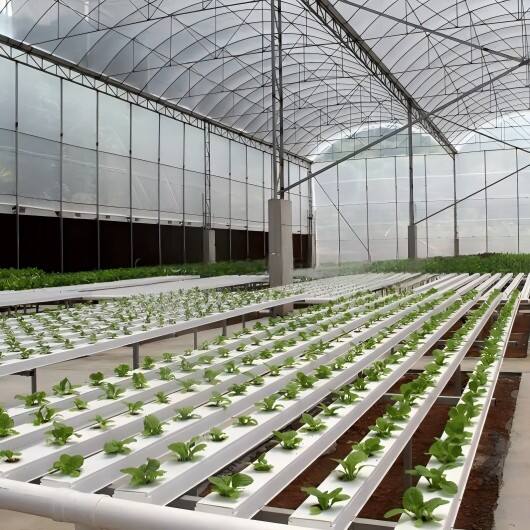
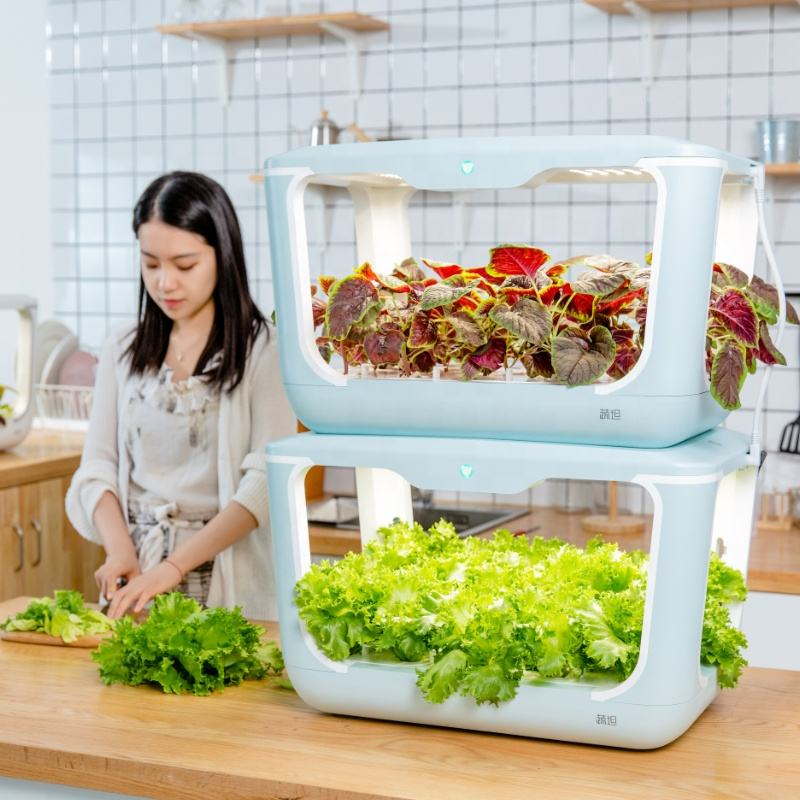
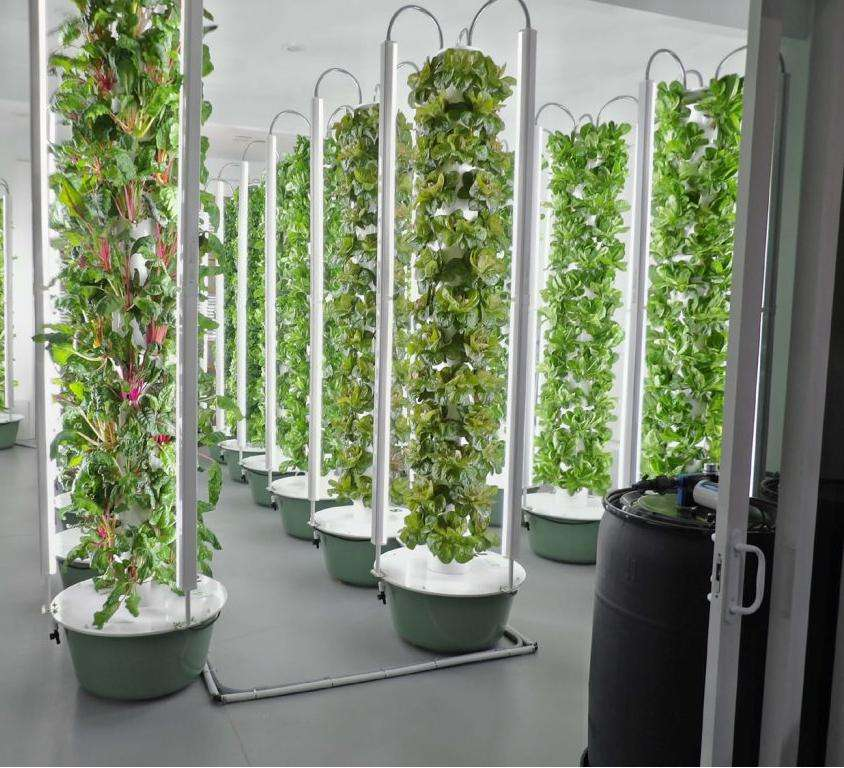
Urban hydroponics represents a revolutionary approach to sustainable agriculture that transforms city spaces into productive growing environments. This innovative farming method eliminates soil dependency by cultivating plants in nutrient-rich water solutions, making it perfectly suited for metropolitan areas where traditional farming faces space constraints. The technology combines precision engineering with biological science to create controlled growing systems that maximize crop yields while minimizing resource consumption. Urban hydroponics systems utilize various growing mediums such as perlite, vermiculite, or coconut coir to provide root support while delivering essential nutrients directly through carefully balanced water solutions. The main functions of urban hydroponics include precise nutrient delivery, automated irrigation control, environmental monitoring, and space optimization. These systems feature sophisticated sensors that continuously monitor pH levels, electrical conductivity, dissolved oxygen, and temperature to maintain optimal growing conditions. Advanced lighting systems, typically LED-based, provide full-spectrum illumination that can be customized for different plant varieties and growth stages. Technological features encompass automated nutrient dosing systems, climate control mechanisms, water recirculation pumps, and digital monitoring interfaces that allow remote management through smartphone applications. The applications of urban hydroponics span residential gardening, commercial food production, educational facilities, restaurant supply chains, and therapeutic horticulture programs. Vertical growing towers maximize production capacity in minimal floor space, making them ideal for rooftops, basements, warehouses, and dedicated growing facilities. These systems support diverse crop varieties including leafy greens, herbs, tomatoes, peppers, strawberries, and microgreens. Urban hydroponics enables year-round cultivation regardless of external weather conditions, providing consistent harvests that supply local communities with fresh produce. The technology particularly excels in areas with poor soil quality, extreme climates, or limited agricultural land availability, making fresh food production accessible in densely populated urban environments.

Popular Products

Urban hydroponics delivers remarkable benefits that transform how cities approach food production and consumption. The most significant advantage lies in water efficiency, as these systems use up to 90 percent less water than traditional soil-based farming through recirculation and precise delivery methods. This conservation aspect becomes crucial in water-scarce urban areas where every drop counts. Space utilization represents another compelling benefit, with vertical growing systems producing yields equivalent to farms using 95 percent less land area. Urban hydroponics eliminates pesticide requirements since controlled environments naturally prevent pest infestations and disease outbreaks, resulting in cleaner, safer produce for consumers. The accelerated growth rates achieved through optimized nutrient delivery mean plants mature 25 to 30 percent faster than conventional farming methods, enabling multiple harvest cycles throughout the year. Weather independence ensures consistent production schedules unaffected by seasonal changes, droughts, floods, or temperature fluctuations that typically disrupt traditional agriculture. Urban hydroponics reduces transportation costs and carbon emissions by bringing food production directly to consumption points, eliminating lengthy supply chains that often result in nutrient loss and increased pricing. Fresh produce harvested from local urban hydroponics systems retains maximum nutritional value since crops reach consumers within hours rather than days or weeks. The predictable yields enable better inventory planning for restaurants, grocery stores, and food service operations while reducing food waste through precise production scheduling. Urban hydroponics creates employment opportunities in technology, agriculture, and food distribution sectors while revitalizing unused urban spaces such as abandoned buildings, rooftops, and vacant lots. These systems provide educational opportunities for students, communities, and aspiring farmers to learn sustainable agriculture techniques without requiring extensive land ownership. The modular nature of urban hydroponics allows scalable expansion from small home units to large commercial operations, accommodating various investment levels and production goals. Quality control becomes simpler as growing conditions remain consistent and traceable, meeting increasing consumer demands for transparency in food production. Urban hydroponics supports food security initiatives by reducing dependency on external agricultural regions and creating resilient local food systems that can withstand supply chain disruptions.

Tips And Tricks

Hydroponic Vertical Farming_ Empowering Legal Cultivation Markets Globally

09

Feb

Hydroponic Vertical Farming_ Empowering Legal Cultivation Markets Globally

View More
Planting Containers: Unlocking New Possibilities for Smart Agriculture, Creating Efficient and Movable Planting Spaces

11

Mar

Planting Containers: Unlocking New Possibilities for Smart Agriculture, Creating Efficient and Movable Planting Spaces

View More
Vertical Farming Machines, Greenhouse Cultivation & Hydroponics: Reshaping the Future of Agriculture

09

Feb

Vertical Farming Machines, Greenhouse Cultivation & Hydroponics: Reshaping the Future of Agriculture

View More

Get a Free Quote

Our representative will contact you soon.
Email
Name
Company Name
Message
0/1000

urban hydroponics

Space-Efficient Vertical Growing Technology

Space-Efficient Vertical Growing Technology

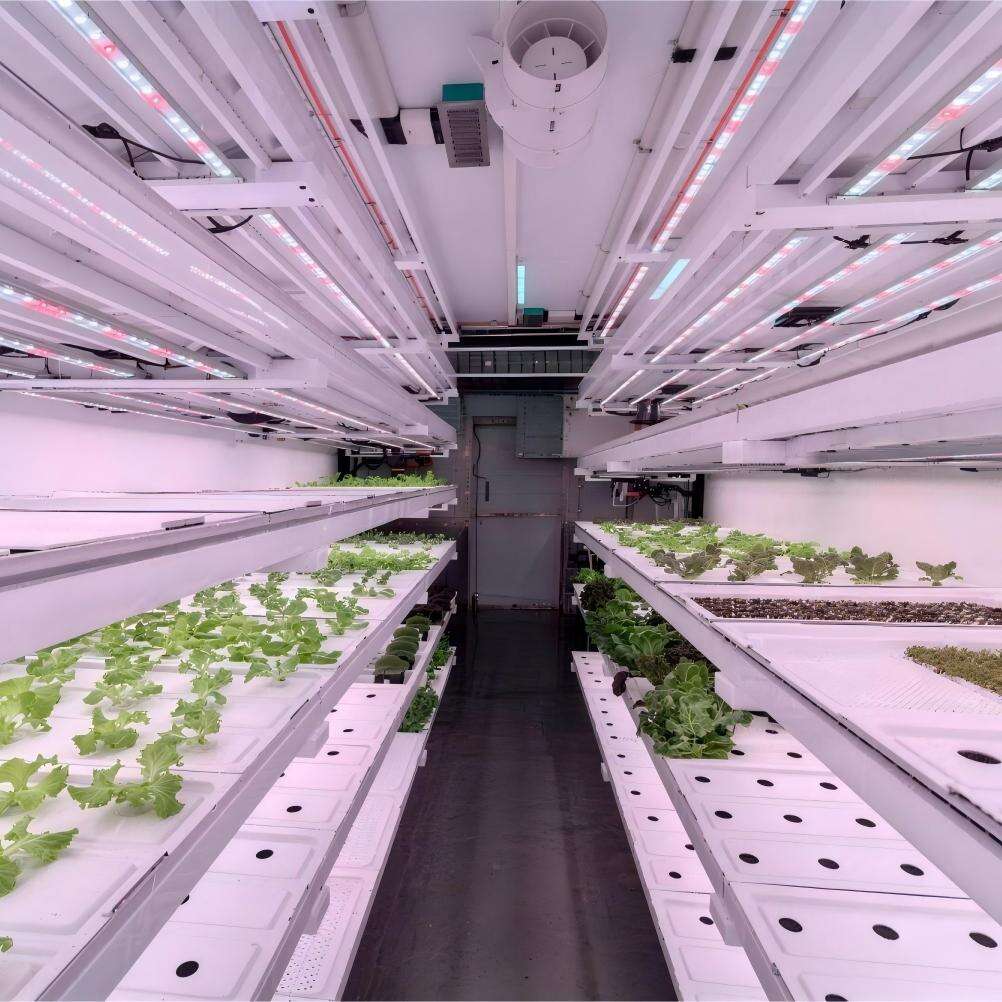
Urban hydroponics transforms limited city spaces into highly productive agricultural environments through innovative vertical growing systems that maximize crop yields per square foot. This revolutionary approach utilizes tower-based structures and multi-tiered growing platforms that extend upward rather than outward, making it possible to cultivate substantial quantities of fresh produce within compact urban footprints. The vertical design philosophy enables farmers to stack multiple growing levels within the same floor area, effectively multiplying production capacity without expanding horizontal space requirements. Advanced structural engineering ensures these vertical systems maintain stability while supporting the weight of plants, growing mediums, water reservoirs, and equipment throughout multiple growing cycles. The space efficiency becomes particularly valuable in expensive urban real estate markets where land costs make traditional farming economically unfeasible. Urban hydroponics vertical systems can transform rooftops, basements, warehouses, shipping containers, and even abandoned buildings into thriving agricultural facilities. The modular construction allows customization based on available space dimensions, ceiling heights, and structural load limitations while maintaining optimal growing conditions for various plant species. Intelligent spacing between growing levels ensures adequate light penetration and air circulation while maximizing plant density per cubic foot of growing space. These systems incorporate automated watering, nutrient delivery, and monitoring equipment that operates efficiently within vertical configurations, reducing labor requirements and operational complexity. The compact design facilitates year-round production schedules that can generate harvests equivalent to traditional farms using significantly smaller physical footprints, making fresh food production viable in densely populated metropolitan areas where agricultural land remains unavailable or prohibitively expensive.
Advanced Nutrient Management Systems

Advanced Nutrient Management Systems

Urban hydroponics employs sophisticated nutrient management systems that deliver precise nutritional formulations directly to plant roots, ensuring optimal growth conditions while eliminating guesswork associated with traditional soil-based farming. These advanced systems utilize computer-controlled dosing equipment that automatically adjusts nutrient concentrations based on plant species, growth stages, and environmental conditions to maintain perfect feeding schedules throughout cultivation cycles. The precision delivery mechanism ensures plants receive exactly the nutrients they need when they need them, resulting in faster growth rates, higher yields, and superior produce quality compared to conventional farming methods. Automated pH monitoring and adjustment systems maintain optimal acidity levels that maximize nutrient absorption while preventing deficiencies or toxicities that could damage plant health. The recirculating nature of urban hydroponics nutrient systems minimizes waste by capturing and reusing nutrient solutions, making the process both environmentally sustainable and economically efficient. Digital monitoring interfaces provide real-time data on electrical conductivity, dissolved oxygen levels, temperature, and nutrient concentrations, enabling precise adjustments that optimize growing conditions for specific crop varieties. The ability to customize nutrient formulations for different plants allows urban hydroponics systems to support diverse crop rotations within the same facility, maximizing production flexibility and market responsiveness. These systems eliminate soil-borne diseases and pest issues while providing consistent growing conditions that produce predictable harvests regardless of external weather patterns or seasonal variations. The sterile growing environment created by advanced nutrient management reduces the need for pesticides and fungicides, resulting in cleaner produce that meets organic farming standards. Data logging capabilities enable continuous improvement of growing protocols through analysis of historical performance metrics, helping operators refine their techniques and maximize productivity over time.
Climate-Controlled Growing Environment

Climate-Controlled Growing Environment

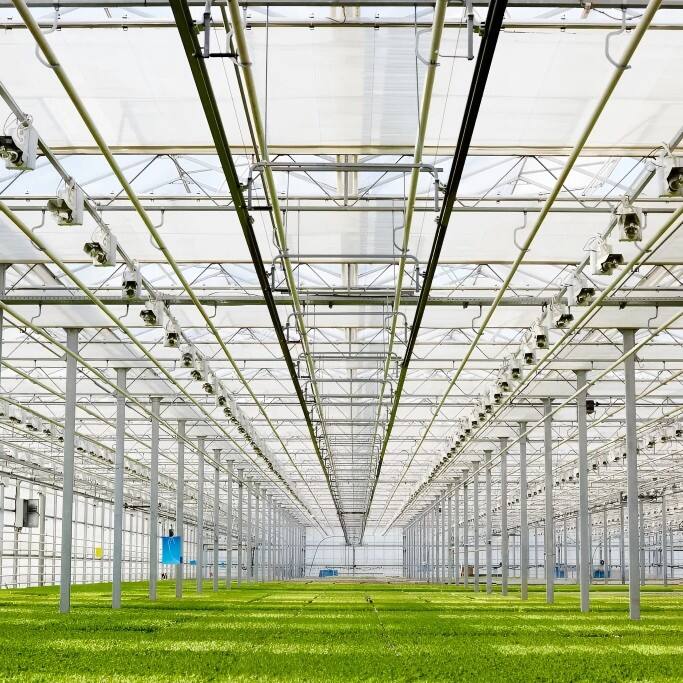
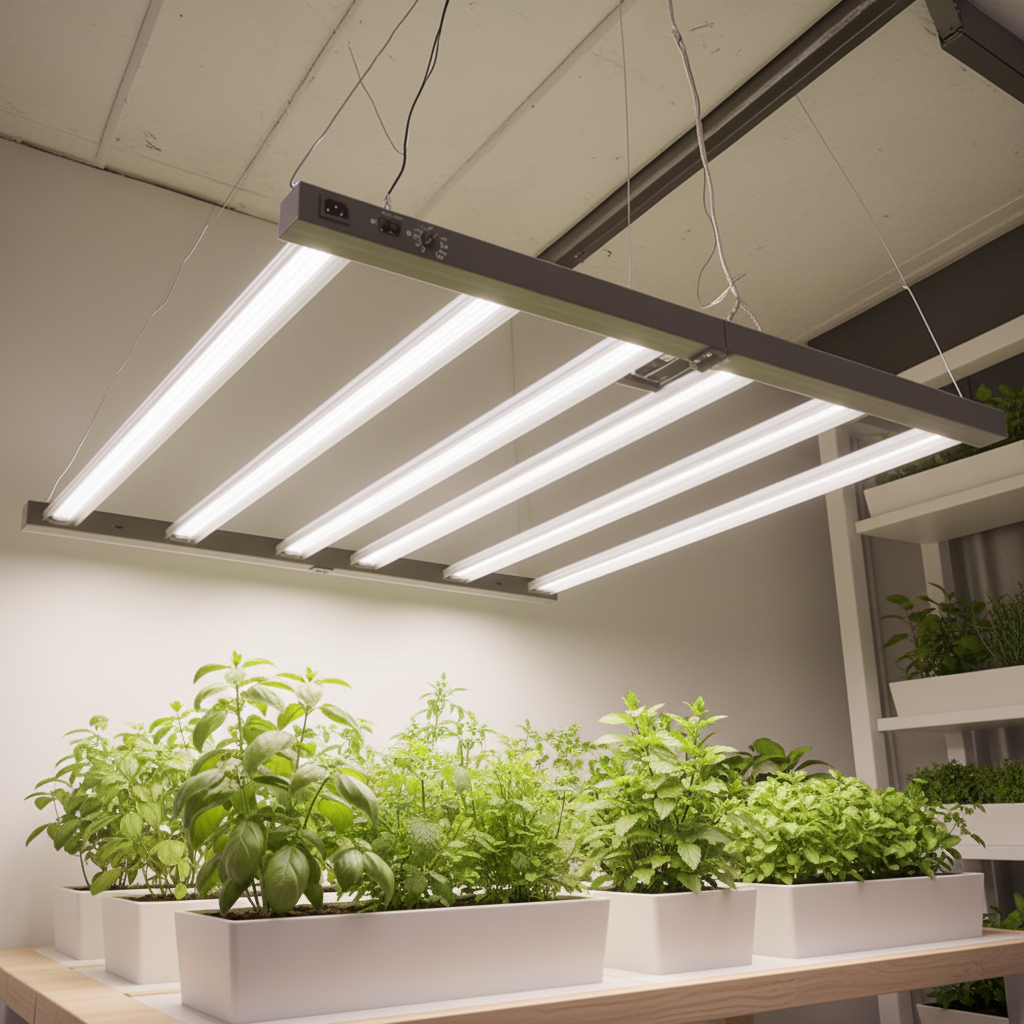
Urban hydroponics creates precisely controlled growing environments that maintain optimal conditions for plant development regardless of external weather patterns, seasonal changes, or geographic limitations that typically constrain traditional agriculture. These sophisticated climate control systems regulate temperature, humidity, air circulation, and lighting to create perfect growing conditions that can be customized for specific crop requirements throughout entire cultivation cycles. Advanced LED lighting systems provide full-spectrum illumination that mimics natural sunlight while offering programmable intensity levels and photoperiod control that can be adjusted based on plant species and growth stages. The ability to maintain consistent temperatures year-round enables continuous production schedules that deliver fresh harvests during winter months when traditional outdoor farming becomes impossible in many climates. Humidity control systems prevent moisture-related problems such as fungal diseases and mold growth while maintaining optimal transpiration rates that support healthy plant development and nutrient uptake. Air filtration and circulation systems ensure clean growing environments free from airborne contaminants, pests, and diseases that commonly affect outdoor crops, resulting in healthier plants and higher-quality produce. The enclosed nature of urban hydroponics facilities provides protection from extreme weather events such as storms, hail, drought, and flooding that can devastate traditional farms and disrupt food supply chains. Energy-efficient climate control technologies minimize operational costs while maintaining precise environmental conditions that optimize plant growth and maximize harvest yields. These controlled environments enable cultivation of crop varieties that would not typically thrive in local outdoor conditions, expanding the diversity of fresh produce available in urban markets. The predictable nature of climate-controlled growing eliminates seasonal price fluctuations and supply shortages that often affect traditional agriculture, providing consumers with consistent access to fresh produce at stable prices throughout the year. Automated environmental monitoring systems provide alerts and adjustments that maintain optimal conditions even during operator absence, ensuring continuous plant care and reducing the risk of crop losses due to environmental fluctuations.

Get a Free Quote

Our representative will contact you soon.
Email
Name
Company Name
Message
0/1000