Space-Efficient Vertical Growing Technology
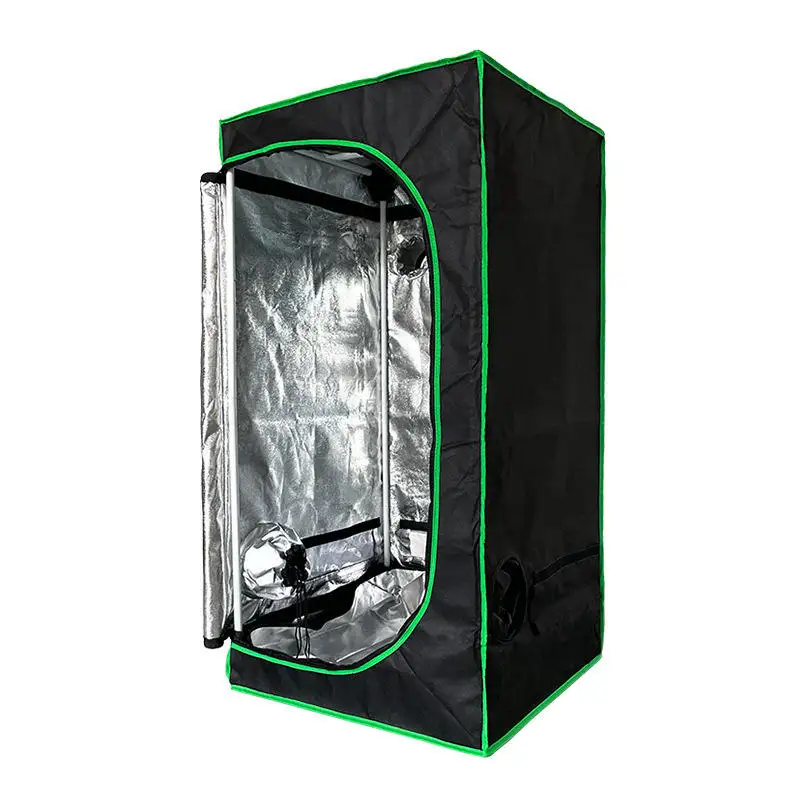
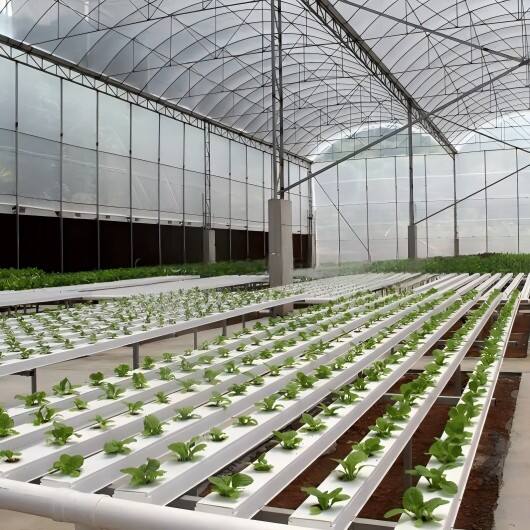
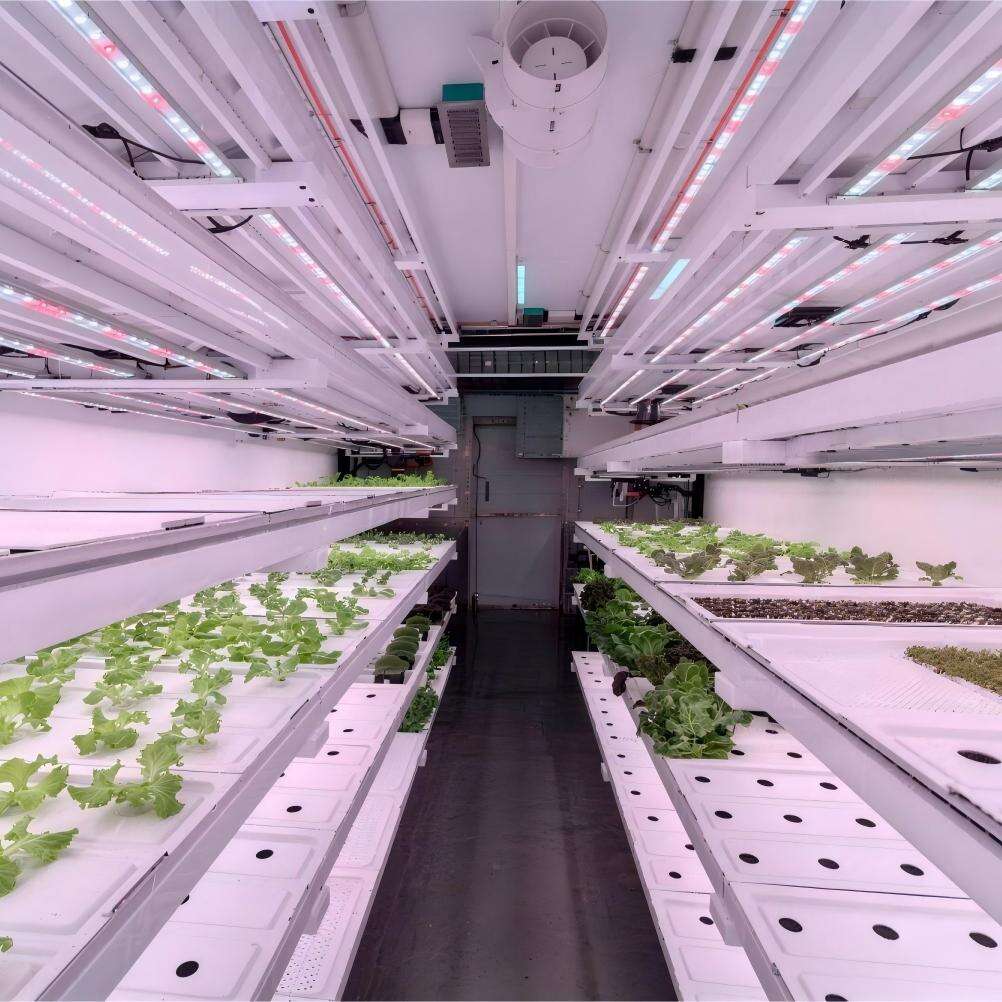
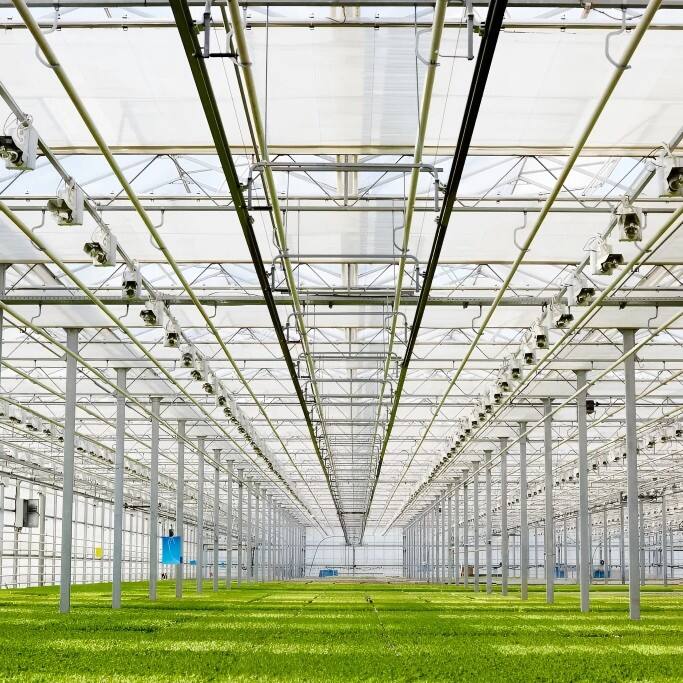
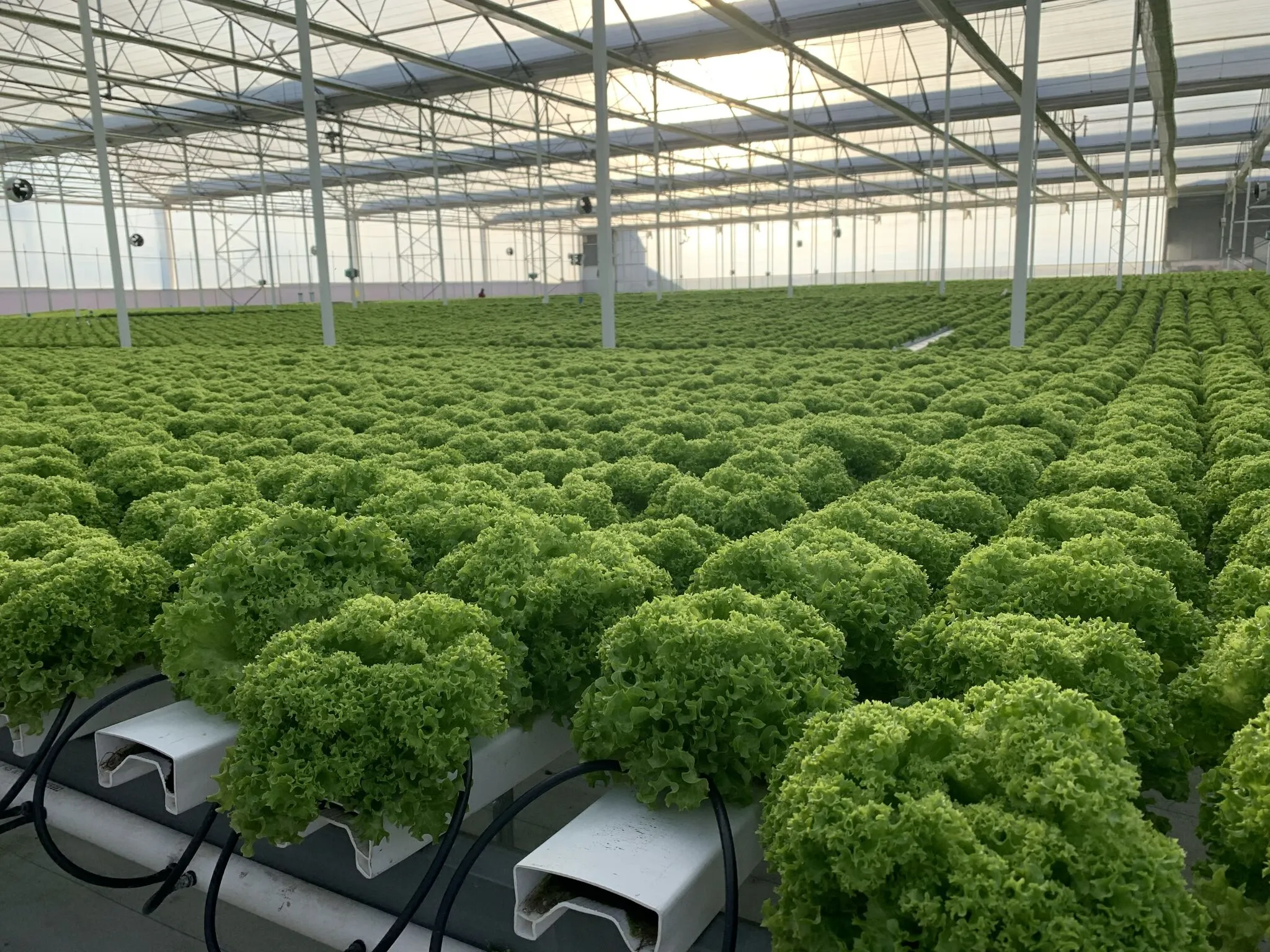
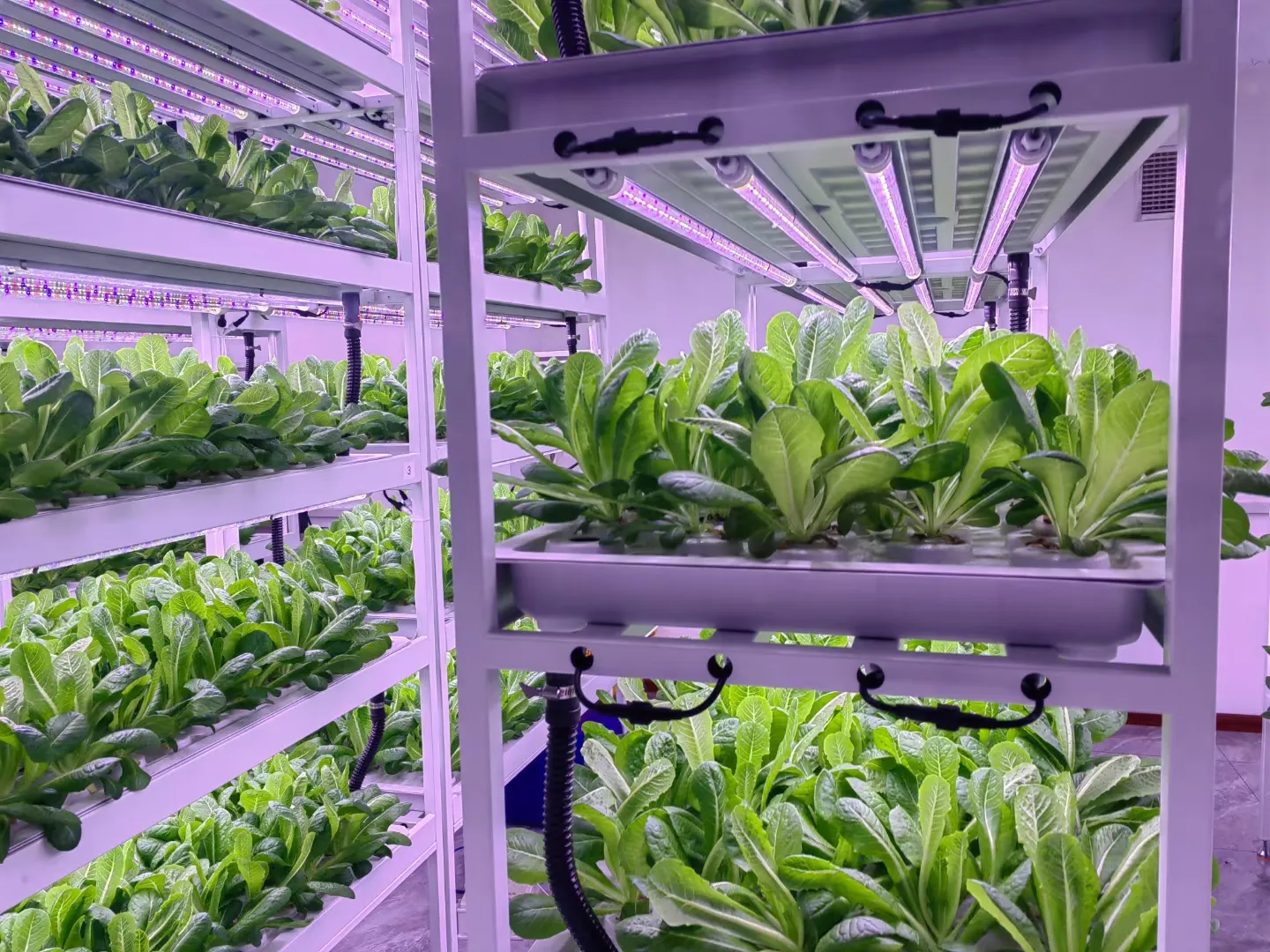
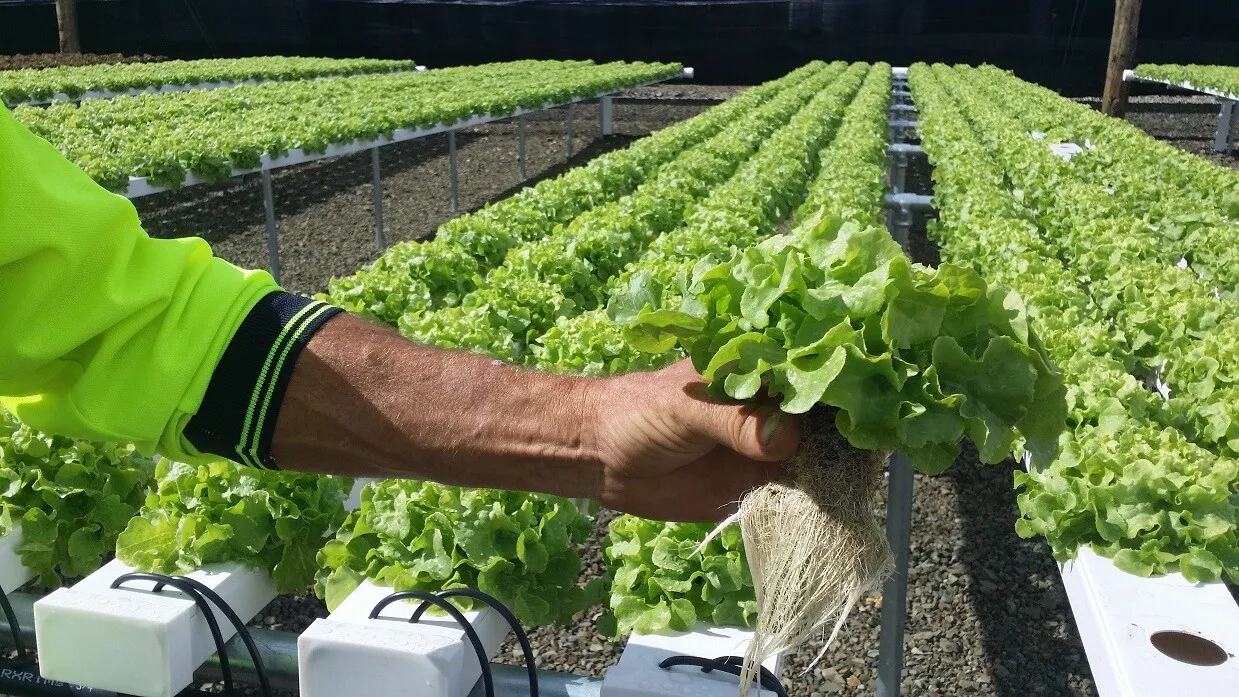
The innovative vertical growing technology incorporated into modern hydroponic farming setup systems revolutionizes agricultural space utilization by maximizing production capacity within minimal footprints. This groundbreaking approach stacks growing levels vertically, multiplying cultivation area without expanding horizontal space requirements, making intensive food production possible in urban environments, warehouses, and residential settings where traditional farming would be impossible. The vertical design utilizes specialized tower systems, multi-tier growing racks, and optimized lighting arrangements to create three-dimensional growing environments that can produce 10-15 times more crops per square foot compared to traditional horizontal farming methods. The significance of vertical growing technology extends beyond simple space savings to encompass fundamental changes in agricultural accessibility and sustainability. Urban areas previously unsuitable for food production become viable farming locations, reducing transportation costs and environmental impact associated with shipping produce from distant rural farms. The controlled environment of vertical hydroponic farming setup systems eliminates seasonal limitations and weather dependencies, enabling consistent food production in any geographic location regardless of climate conditions or soil quality. This technology proves particularly valuable for regions with limited arable land, harsh climates, or contaminated soils that prevent traditional agriculture. The customer value proposition includes dramatically reduced land acquisition costs, as vertical hydroponic farming setup systems can operate in existing buildings, warehouses, or specially constructed facilities that cost significantly less than purchasing agricultural land. Urban entrepreneurs can establish profitable growing operations in industrial areas or repurposed buildings, while homeowners can produce substantial quantities of fresh produce in basements, spare rooms, or small greenhouse structures. The vertical design also reduces labor requirements through improved accessibility and ergonomic working conditions, as crops grow at comfortable heights rather than requiring workers to bend or kneel during maintenance and harvest activities. Additionally, the concentrated growing area simplifies monitoring, maintenance, and harvest operations, increasing efficiency while reducing operational costs. The scalable nature of vertical hydroponic farming setup systems allows operations to expand production capacity by adding additional growing levels rather than acquiring more land, providing flexible growth opportunities that adapt to changing market demands and business objectives.
 ×
×

 EN
EN