hydroponics and vertical farming
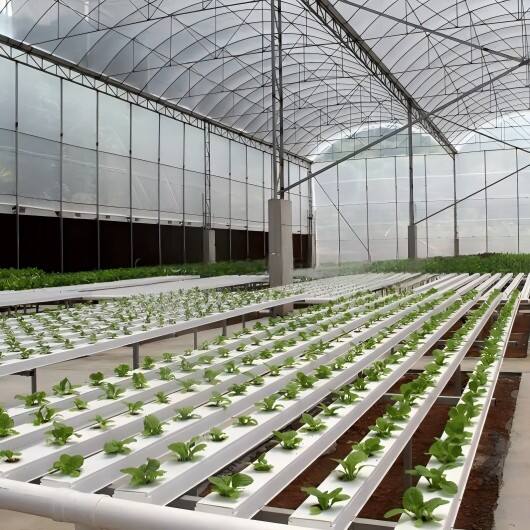
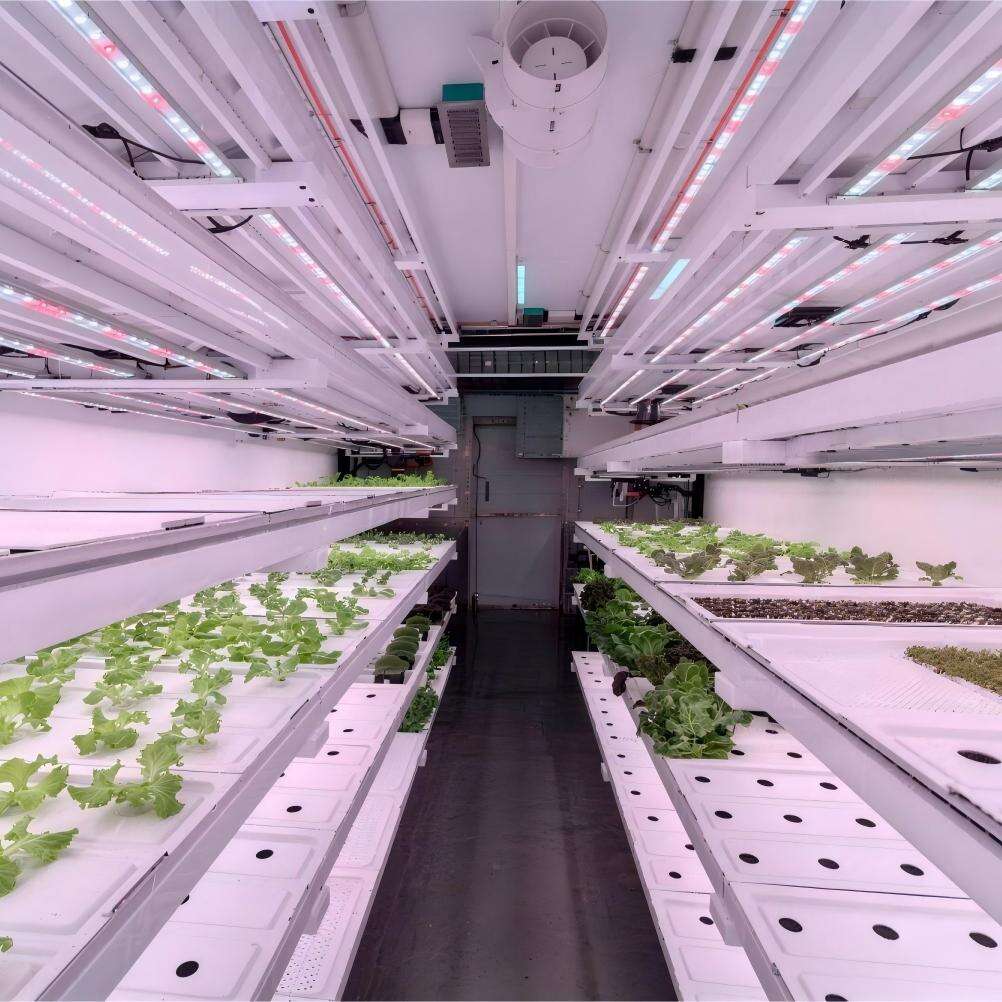
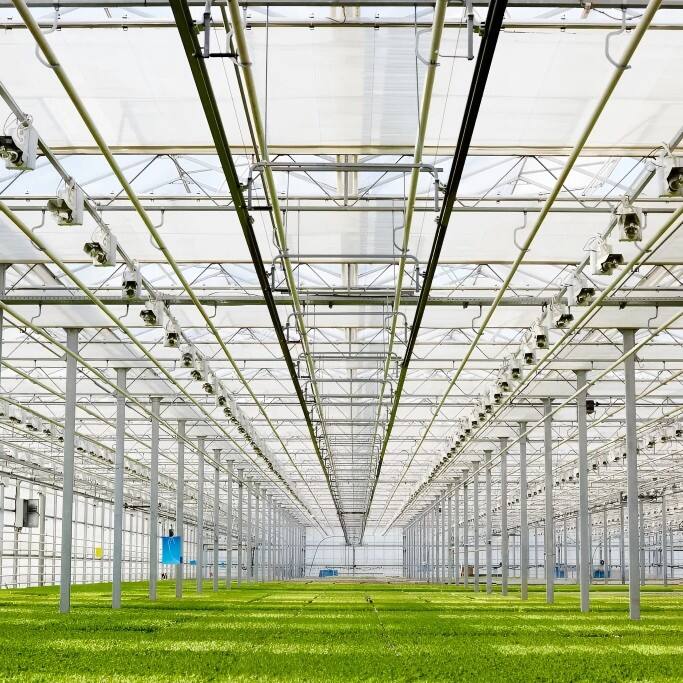
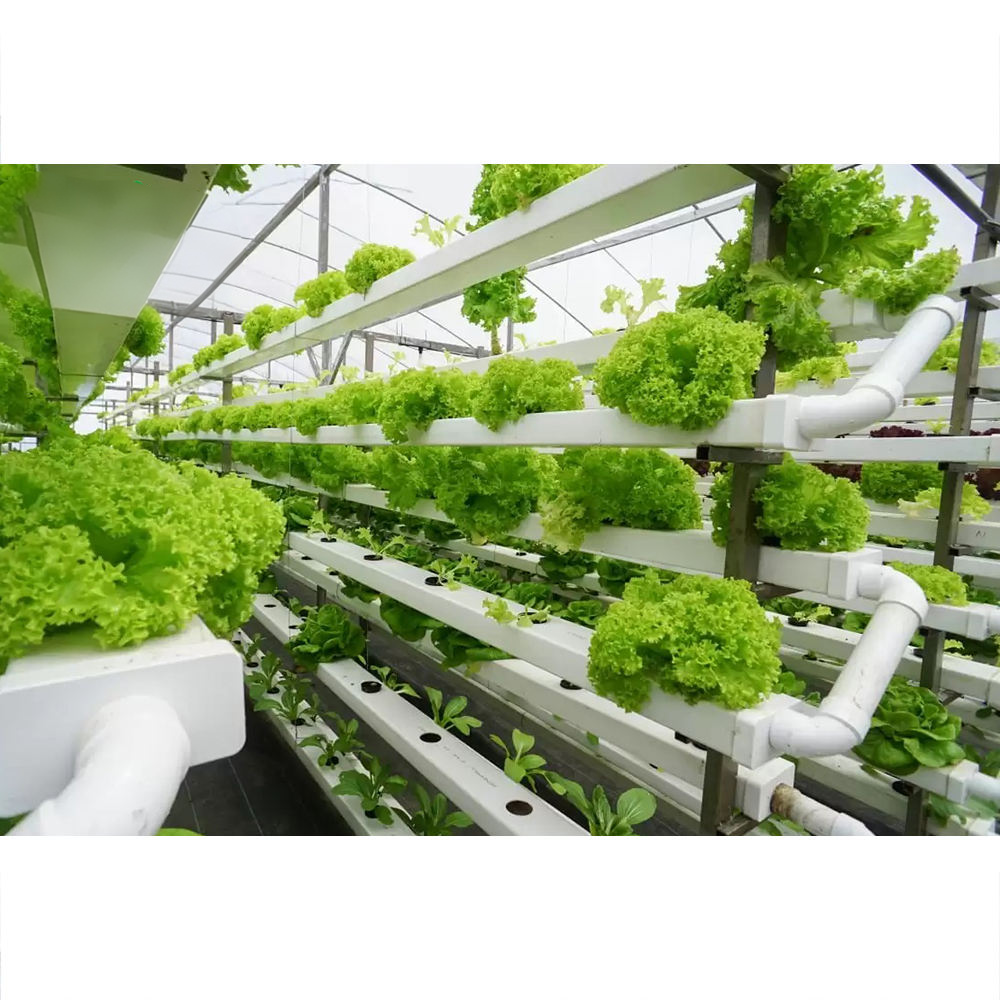
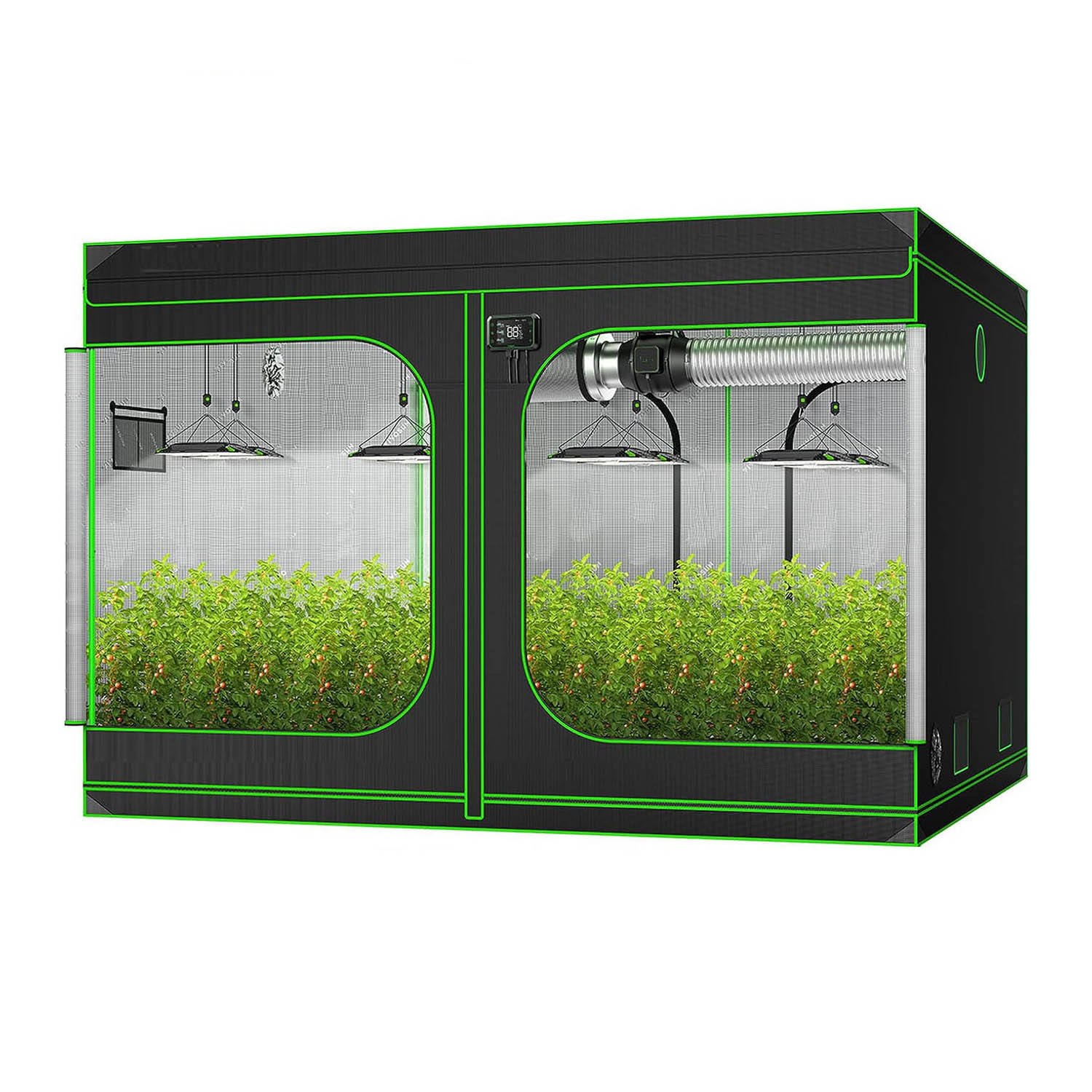
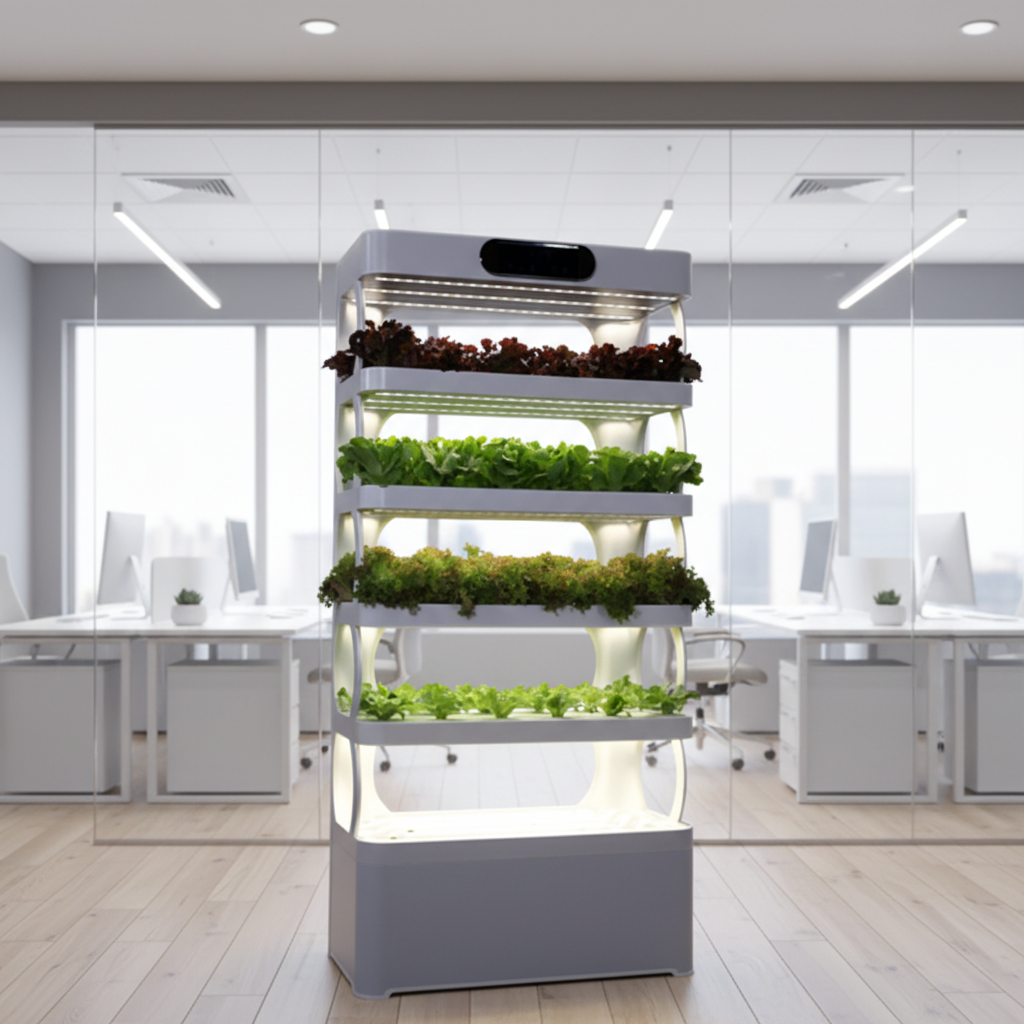
Hydroponics and vertical farming represent revolutionary agricultural technologies that transform how we grow food by eliminating the need for traditional soil-based cultivation. Hydroponics is a method of growing plants using nutrient-rich water solutions instead of soil, while vertical farming takes this concept further by stacking growing systems vertically to maximize space efficiency. These innovative approaches combine to create sustainable food production systems that operate year-round regardless of external weather conditions. The main functions of hydroponics and vertical farming include controlled nutrient delivery, optimized light exposure through LED systems, precise climate control, and automated monitoring of plant health. Technological features encompass computer-controlled irrigation systems, pH and nutrient monitoring sensors, artificial lighting arrays, and climate management systems that regulate temperature and humidity. These systems integrate Internet of Things devices and artificial intelligence to optimize growing conditions automatically. Applications span urban agriculture, commercial food production, research facilities, educational institutions, and home growing systems. Restaurants use these methods to grow fresh herbs and vegetables on-site, while supermarkets implement vertical farms to provide customers with ultra-fresh produce. Educational facilities utilize these systems to teach students about sustainable agriculture and plant biology. Research institutions employ controlled environment agriculture to study plant genetics and nutrition. The technology serves areas with limited arable land, extreme climates, or water scarcity issues. Indoor vertical farms can produce crops in warehouses, shipping containers, or specially designed buildings, making food production possible in urban environments where traditional farming is impractical.
 ×
×

 EN
EN