Hydroponic Tomato Farming: Complete Guide to Soilless Growing Systems and Benefits

Get a Free Quote

Our representative will contact you soon.
Email
Name
Company Name
Message
0/1000

hydroponic tomato farming

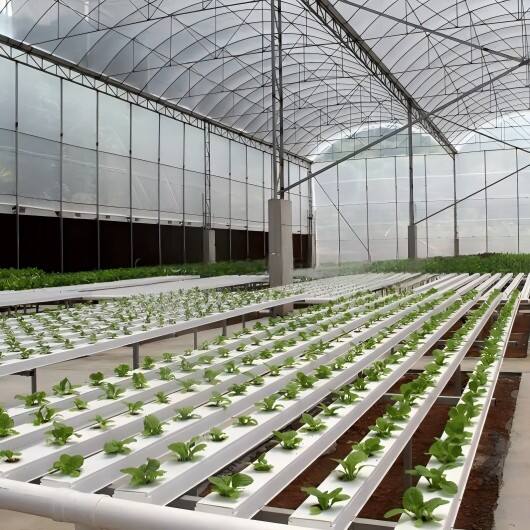
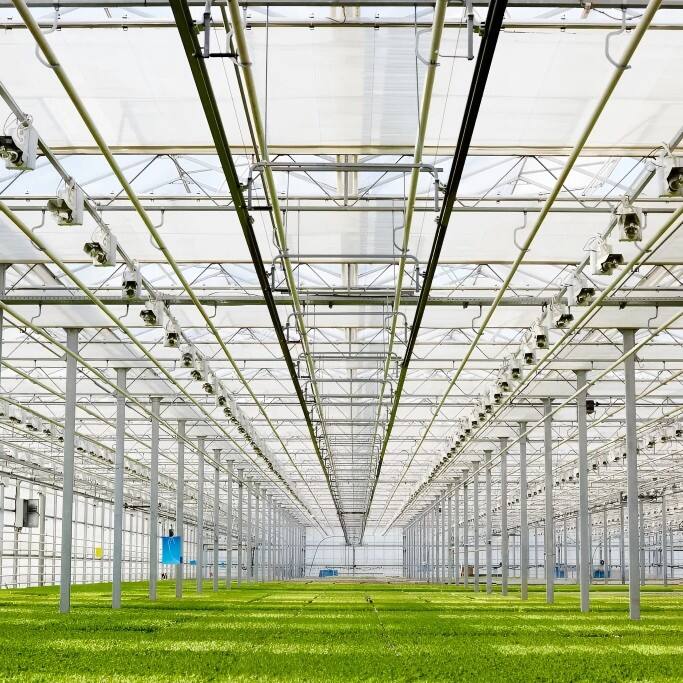
Hydroponic tomato farming represents a revolutionary agricultural method that cultivates tomatoes without traditional soil, utilizing nutrient-rich water solutions to deliver essential minerals directly to plant roots. This innovative growing system employs various substrates such as rockwool, perlite, coconut coir, or expanded clay pellets to provide physical support while maintaining optimal root health. The primary functions of hydroponic tomato farming include precise nutrient control, water conservation, enhanced growth rates, and elimination of soil-borne diseases that commonly affect traditional farming operations. Technological features encompass automated irrigation systems, pH monitoring equipment, electrical conductivity meters, climate control mechanisms, and specialized growing containers designed for maximum efficiency. Modern hydroponic tomato farming integrates advanced sensors that continuously monitor environmental conditions, ensuring optimal temperature, humidity, and light exposure throughout the growing cycle. The controlled environment allows farmers to manipulate growing conditions precisely, resulting in consistent harvests regardless of external weather patterns or seasonal limitations. Applications span commercial greenhouse operations, urban farming initiatives, research facilities, educational institutions, and residential growing systems for home gardeners seeking fresh produce year-round. Commercial hydroponic tomato farming facilities can produce significantly higher yields per square foot compared to traditional soil cultivation, making this method particularly attractive for regions with limited arable land or challenging growing conditions. The system's versatility enables cultivation in various settings, from large-scale commercial greenhouses to compact vertical farming installations in urban environments. Environmental sustainability remains a key driver, as hydroponic tomato farming reduces water consumption by up to ninety percent while eliminating agricultural runoff that can contaminate groundwater supplies.
Popular Products

Hydroponic tomato farming delivers exceptional water efficiency, using up to ninety percent less water than conventional soil-based agriculture through recirculating nutrient systems that capture and reuse every drop. This water conservation feature makes hydroponic cultivation particularly valuable in arid regions or areas experiencing water scarcity, allowing farmers to maintain productive operations while minimizing environmental impact. The controlled environment eliminates weather dependency, enabling year-round production cycles that generate consistent harvests regardless of seasonal changes, droughts, floods, or extreme temperature fluctuations that typically disrupt traditional farming schedules. Faster growth rates represent another significant advantage, as hydroponic tomato plants mature twenty-five to fifty percent quicker than soil-grown counterparts due to optimal nutrient delivery and elimination of root competition for resources. Disease prevention becomes remarkably easier since hydroponic systems eliminate soil-borne pathogens, fungi, and pests that commonly devastate traditional tomato crops, reducing or eliminating pesticide requirements while producing cleaner, healthier fruit. Space utilization reaches maximum efficiency through vertical growing systems and dense planting configurations that can produce ten times more tomatoes per square foot compared to field cultivation, making hydroponic farming ideal for urban environments or expensive real estate locations. Quality control surpasses traditional methods as farmers precisely regulate nutrient concentrations, pH levels, and growing conditions to produce consistently superior tomatoes with enhanced flavor profiles, longer shelf life, and higher nutritional content. Labor requirements decrease significantly since hydroponic systems eliminate weeding, reduce harvesting time through organized layouts, and minimize manual irrigation tasks through automated systems. Economic benefits include higher profit margins due to increased yields, premium pricing for pesticide-free produce, reduced transportation costs for locally grown food, and multiple harvest cycles annually that maximize revenue potential. Environmental sustainability extends beyond water conservation to include reduced land use, elimination of agricultural runoff, decreased carbon footprint through local production, and preservation of natural ecosystems that would otherwise be converted to farmland.

Tips And Tricks

Hydroponic Vertical Farming_ Empowering Legal Cultivation Markets Globally

09

Feb

Hydroponic Vertical Farming_ Empowering Legal Cultivation Markets Globally

View More
Planting Containers: Unlocking New Possibilities for Smart Agriculture, Creating Efficient and Movable Planting Spaces

11

Mar

Planting Containers: Unlocking New Possibilities for Smart Agriculture, Creating Efficient and Movable Planting Spaces

View More
Vertical Farming Machines, Greenhouse Cultivation & Hydroponics: Reshaping the Future of Agriculture

09

Feb

Vertical Farming Machines, Greenhouse Cultivation & Hydroponics: Reshaping the Future of Agriculture

View More

Get a Free Quote

Our representative will contact you soon.
Email
Name
Company Name
Message
0/1000

hydroponic tomato farming

Revolutionary Water Conservation Technology

Revolutionary Water Conservation Technology

Hydroponic tomato farming transforms water usage through innovative recirculating systems that achieve unprecedented conservation levels while maintaining superior plant health and productivity. Traditional soil-based tomato cultivation requires massive water quantities due to evaporation, deep soil penetration, and inefficient root absorption, often wasting seventy to eighty percent of applied irrigation. Hydroponic systems revolutionize this process by delivering nutrient solutions directly to root zones through precisely controlled drip systems, nutrient film techniques, or deep water culture methods that eliminate waste entirely. The closed-loop design captures excess solution, filters and rebalances nutrients, then recirculates the mixture back through the system, ensuring zero water loss during normal operations. Advanced monitoring equipment tracks water consumption in real-time, allowing farmers to optimize usage patterns and identify potential efficiency improvements continuously. This technology proves especially valuable in drought-prone regions where water restrictions limit traditional agriculture, enabling hydroponic tomato farming to continue production when field crops fail due to insufficient rainfall or irrigation limitations. The environmental impact extends far beyond individual farms, as widespread adoption of hydroponic tomato farming could significantly reduce agricultural water demands globally, preserving precious freshwater resources for human consumption and ecosystem maintenance. Economic benefits multiply through reduced water bills, elimination of irrigation infrastructure maintenance, and increased property values in water-scarce regions where hydroponic facilities can operate profitably while traditional farms struggle. Quality improvements result from consistent moisture levels that prevent stress-related defects like blossom end rot or cracking that commonly affect field-grown tomatoes during irregular watering cycles. The precision control enables optimal root zone moisture maintenance throughout all growth stages, from seedling establishment through fruit maturation, ensuring maximum plant performance and fruit quality consistency that commands premium market prices.
Accelerated Growth and Maximum Yield Performance

Accelerated Growth and Maximum Yield Performance

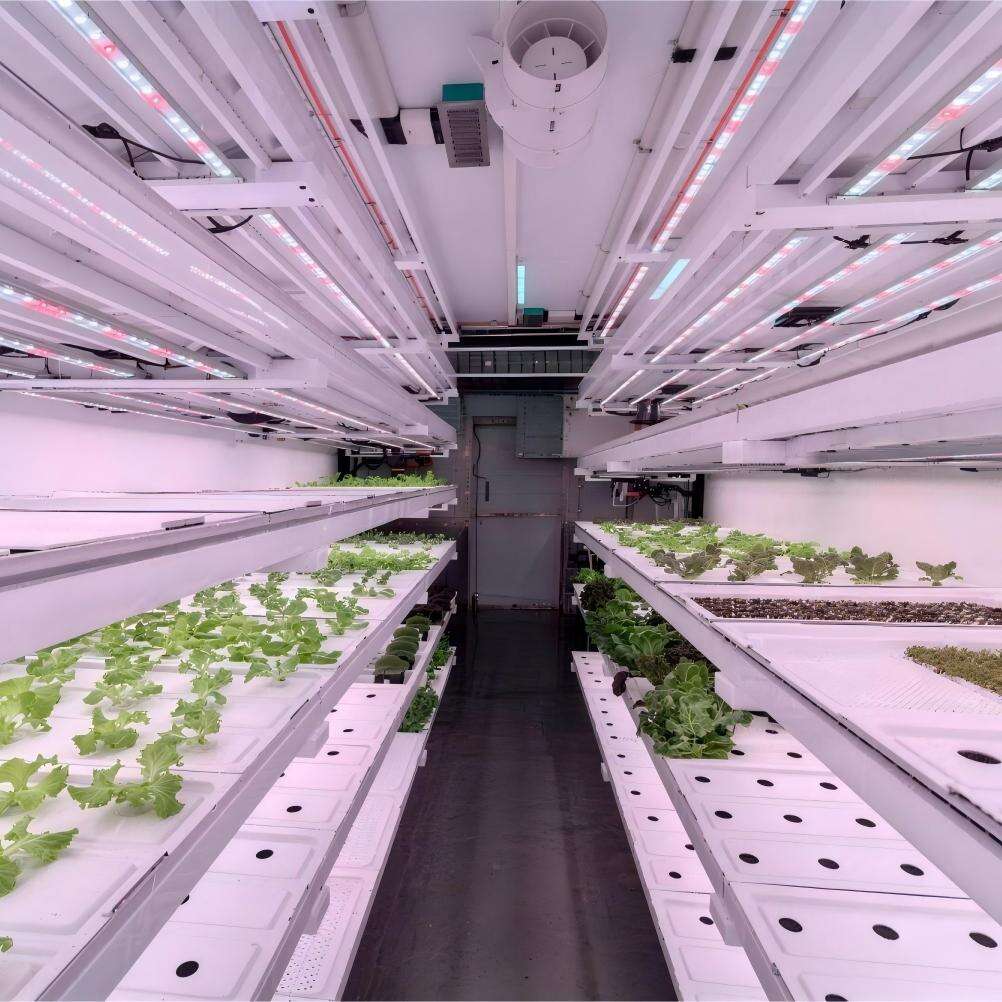
Hydroponic tomato farming achieves remarkable growth acceleration through optimized nutrient delivery systems that provide plants with perfectly balanced mineral solutions tailored to specific growth phases and varietal requirements. Traditional soil cultivation forces plants to expend significant energy searching for nutrients through complex root systems, often encountering deficiencies or toxic concentrations that limit growth potential. Hydroponic systems eliminate this inefficiency by delivering precisely formulated nutrient solutions directly to root zones, allowing plants to focus energy entirely on vegetative growth and fruit production rather than nutrient acquisition struggles. The controlled environment enables farmers to manipulate photoperiods, temperature cycles, and humidity levels to simulate optimal growing conditions year-round, effectively extending growing seasons indefinitely and enabling multiple harvest cycles annually. Vertical growing configurations maximize space utilization by stacking growing systems in controlled environment facilities, achieving plant densities impossible in traditional field cultivation while maintaining adequate light penetration and air circulation for each plant. Scientific studies consistently demonstrate that hydroponic tomato farming produces yields twenty-five to forty percent higher than comparable soil-based operations, with some advanced systems achieving even greater improvements through precision environmental control and optimized plant genetics. The faster maturation rates enable quicker crop turnover, allowing farmers to respond rapidly to market demands and seasonal price fluctuations while maintaining consistent production schedules that support reliable customer relationships and contract fulfillment. Quality improvements accompany yield increases, as controlled growing conditions produce uniformly sized fruit with consistent color development, enhanced flavor profiles, and extended shelf life that commands premium pricing in competitive markets. Root zone optimization through various growing media selections allows farmers to customize drainage, aeration, and nutrient retention characteristics for specific tomato varieties, maximizing genetic potential while minimizing stress-related growth limitations that reduce productivity in traditional cultivation systems.
Disease Prevention and Pesticide-Free Production

Disease Prevention and Pesticide-Free Production

Hydroponic tomato farming eliminates soil-borne diseases and pest infestations that plague traditional cultivation, enabling pesticide-free production methods that meet growing consumer demands for clean, healthy food while reducing production costs and environmental impact. Soil naturally harbors numerous pathogens including Fusarium wilt, Verticillium wilt, bacterial spot, and root rot organisms that can devastate entire tomato crops despite intensive chemical treatment programs that increase production costs and create food safety concerns. Hydroponic systems completely remove this disease reservoir by replacing soil with sterile growing media that cannot support pathogen populations, creating an inherently cleaner growing environment from the start of each production cycle. The controlled environment prevents pest introduction through physical barriers, air filtration systems, and quarantine protocols that maintain facility cleanliness while enabling beneficial insect releases for targeted pest control when necessary. Integrated pest management becomes significantly more effective in hydroponic tomato farming facilities where beneficial organisms can be introduced and maintained without competition from soil-dwelling predators or parasites that disrupt biological control programs in field cultivation. The sterile nutrient solutions eliminate bacterial and fungal contamination sources that commonly infect plants through root systems, while precise pH and nutrient management creates conditions that favor plant health while discouraging pathogen development. Consumer health benefits multiply through elimination of pesticide residues that concern health-conscious buyers willing to pay premium prices for certified organic or pesticide-free produce that hydroponic tomato farming can provide consistently without yield sacrifices. Economic advantages include reduced input costs through elimination of expensive fungicides and pesticides, decreased crop loss insurance premiums, and access to premium market segments that demand clean production methods. Quality assurance becomes more manageable as controlled growing conditions enable consistent monitoring and documentation of production practices, supporting organic certification processes and meeting strict food safety regulations that increasingly govern commercial agriculture operations.

Get a Free Quote

Our representative will contact you soon.
Email
Name
Company Name
Message
0/1000