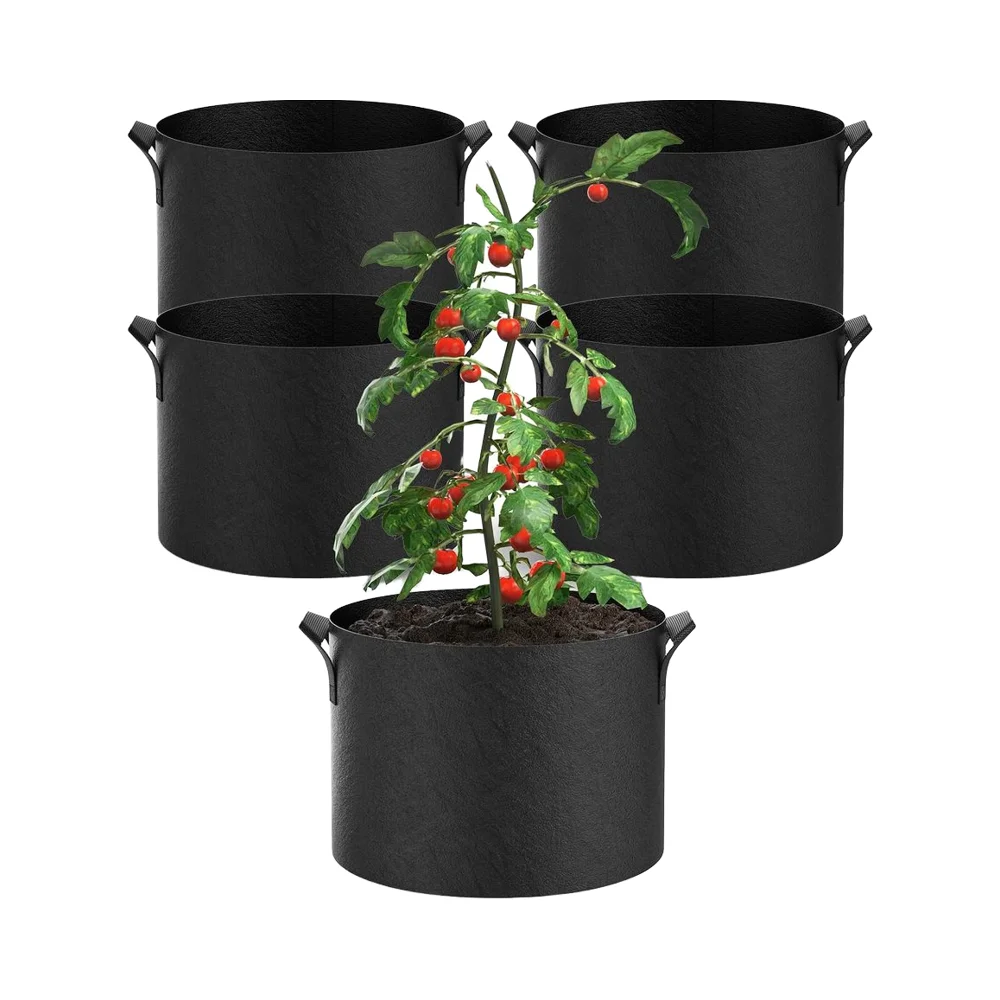
urban hydroponic farming
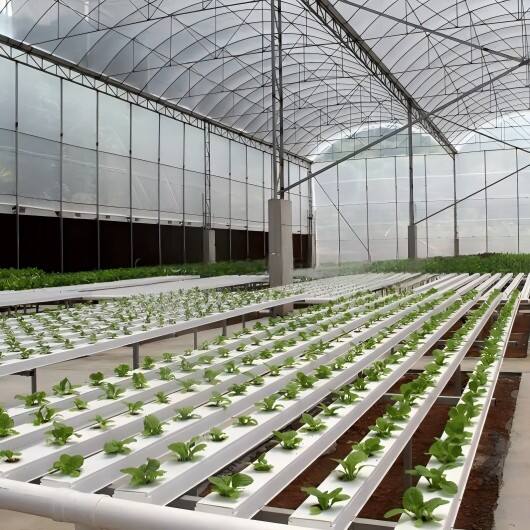
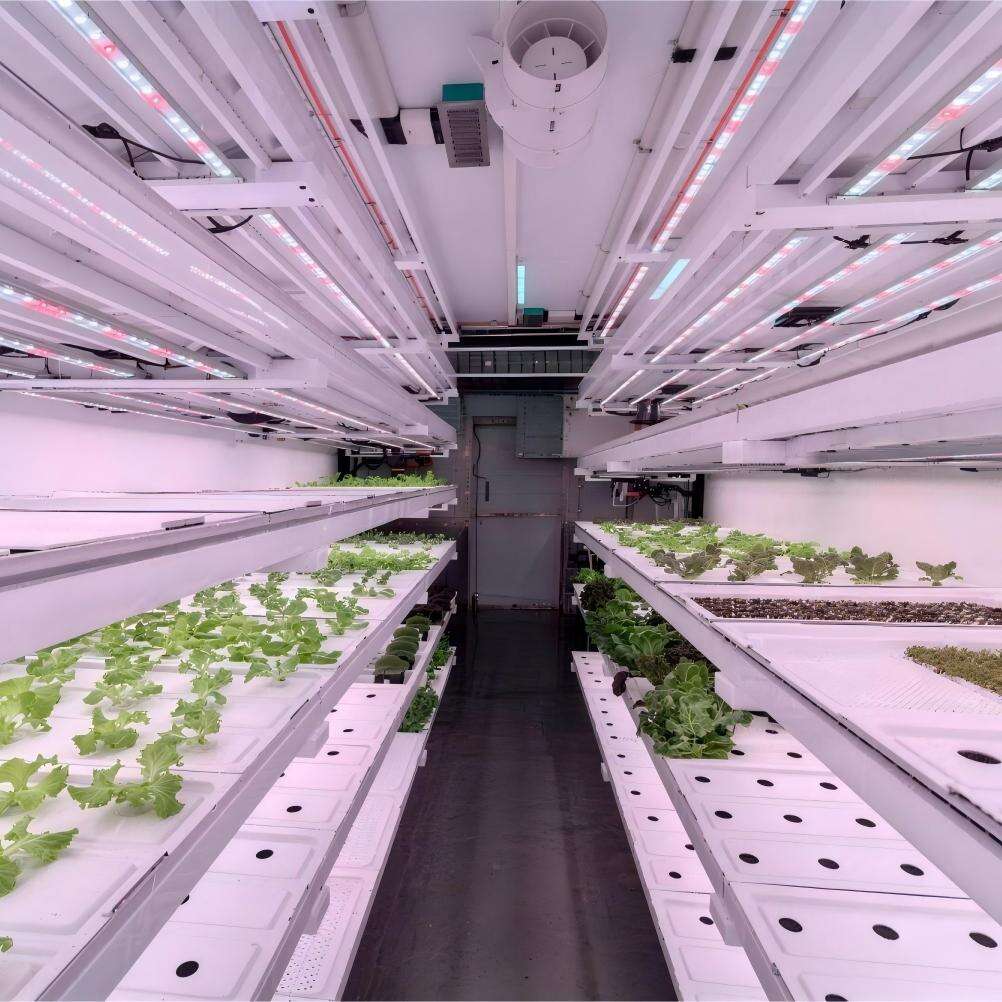
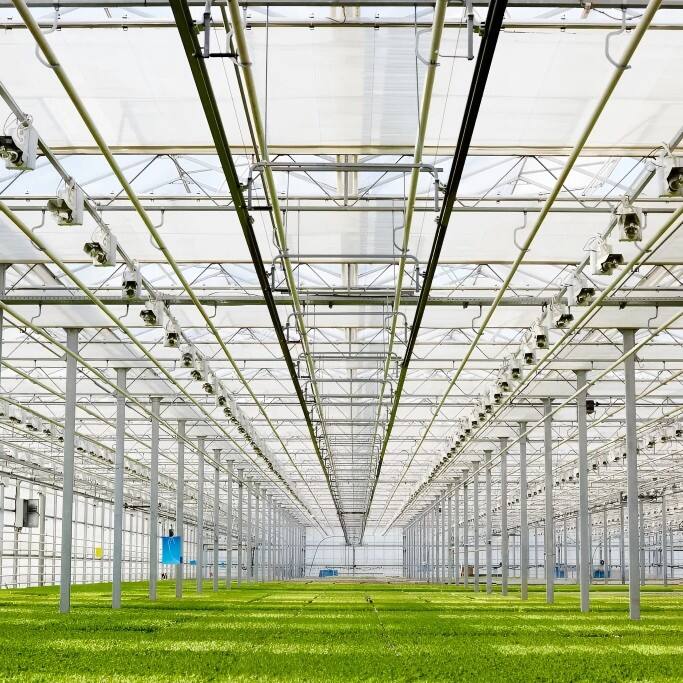
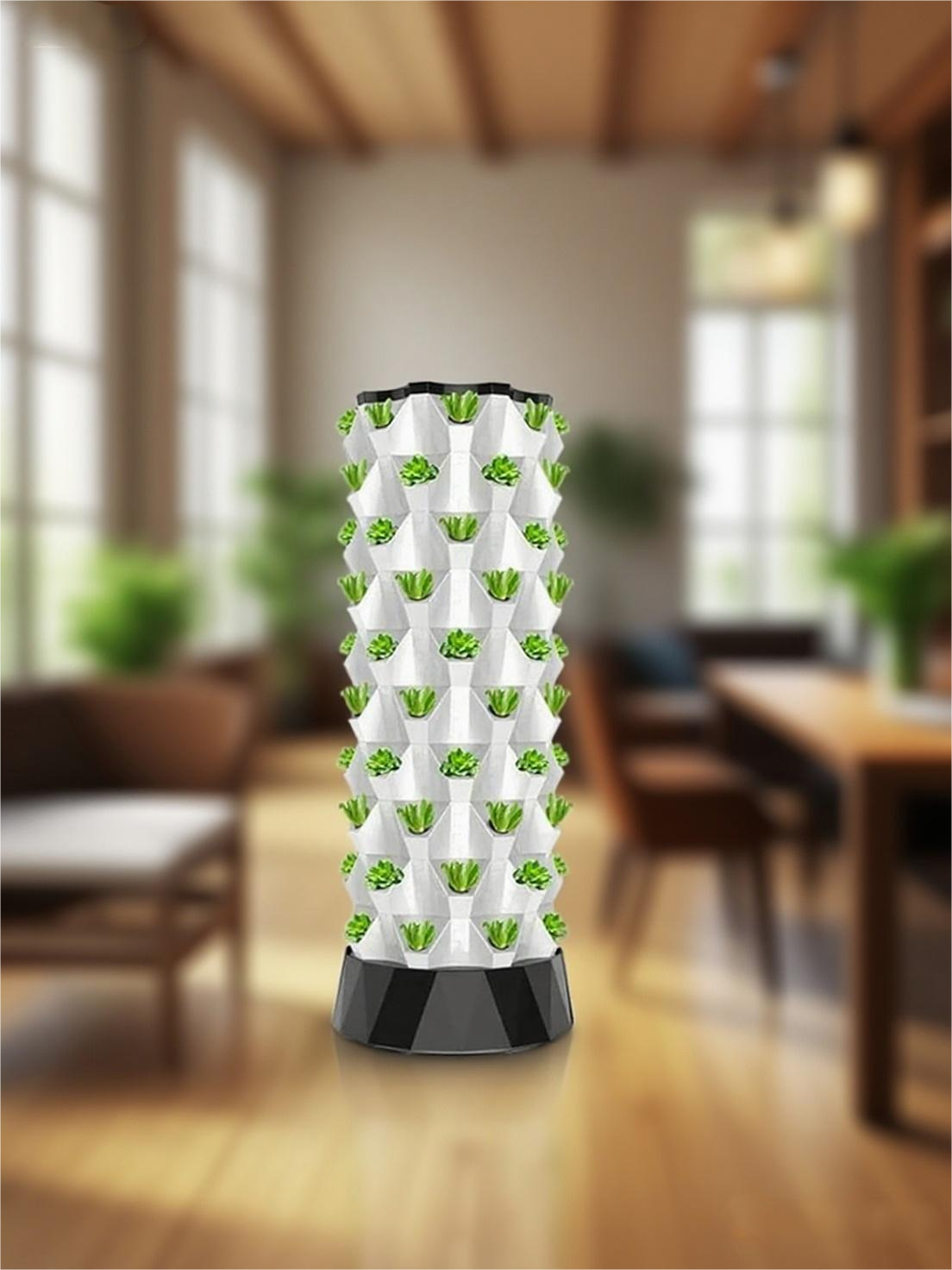
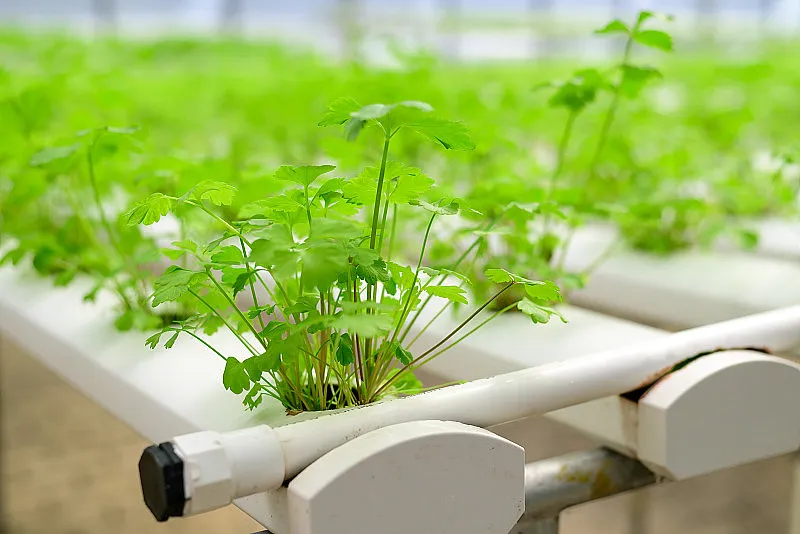
Urban hydroponic farming represents a revolutionary approach to agriculture that transforms how we grow food in metropolitan environments. This innovative cultivation method eliminates the need for soil by growing plants in nutrient-rich water solutions, making it perfectly suited for densely populated urban areas where traditional farming space is limited or unavailable. The system operates through carefully controlled environments where plants receive precisely measured nutrients directly to their root systems, resulting in faster growth rates and higher yields compared to conventional farming methods. The main functions of urban hydroponic farming include maximizing food production in minimal space, reducing water consumption through recirculating systems, and enabling year-round cultivation regardless of external weather conditions. Technological features encompass automated nutrient delivery systems, LED grow lights that optimize photosynthesis, climate control mechanisms that maintain ideal growing temperatures, and monitoring sensors that track pH levels, nutrient concentrations, and environmental factors in real-time. These systems can be implemented in various urban settings including rooftops, basements, converted warehouses, vertical towers, and even residential apartments. Applications range from commercial-scale operations supplying fresh produce to local markets and restaurants, to community gardens that provide food security in urban food deserts, to educational facilities that teach sustainable agriculture practices. Urban hydroponic farming also serves residential users who want fresh herbs and vegetables at home, research institutions studying plant biology and nutrition, and restaurants seeking the freshest ingredients with complete supply chain control. The versatility of hydroponic systems allows for cultivation of leafy greens, herbs, tomatoes, peppers, strawberries, and many other crops that traditionally require extensive farmland. This agricultural innovation addresses critical urban challenges including food security, environmental sustainability, and efficient land use while providing communities with access to fresh, locally grown produce year-round.
 ×
×


 EN
EN