Advanced Hydroponic Farming Greenhouse Systems - Maximize Crop Yields with Controlled Environment Agriculture Technology

Get a Free Quote

Our representative will contact you soon.
Email
Name
Company Name
Message
0/1000

hydroponic farming greenhouse

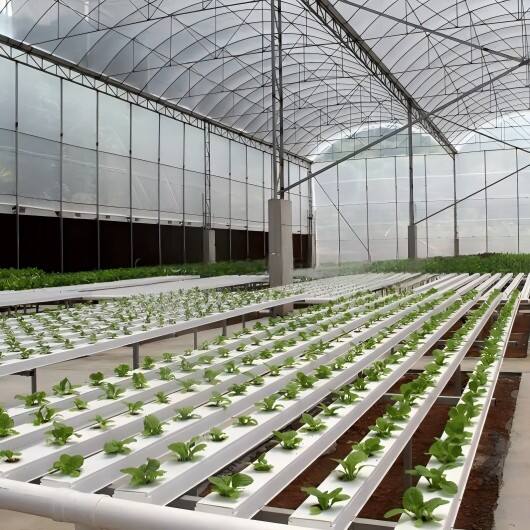
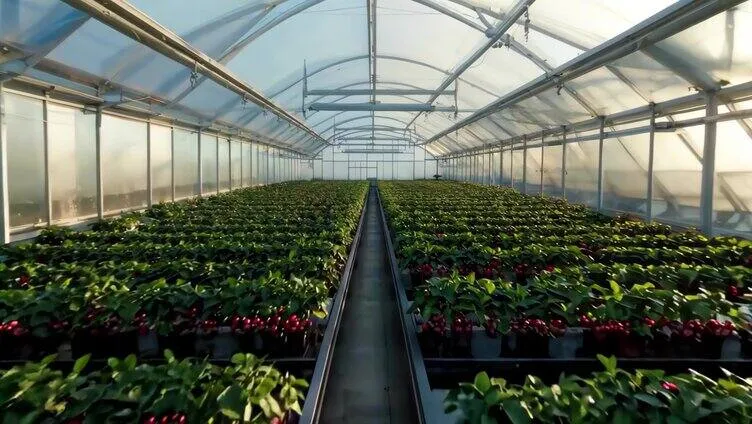
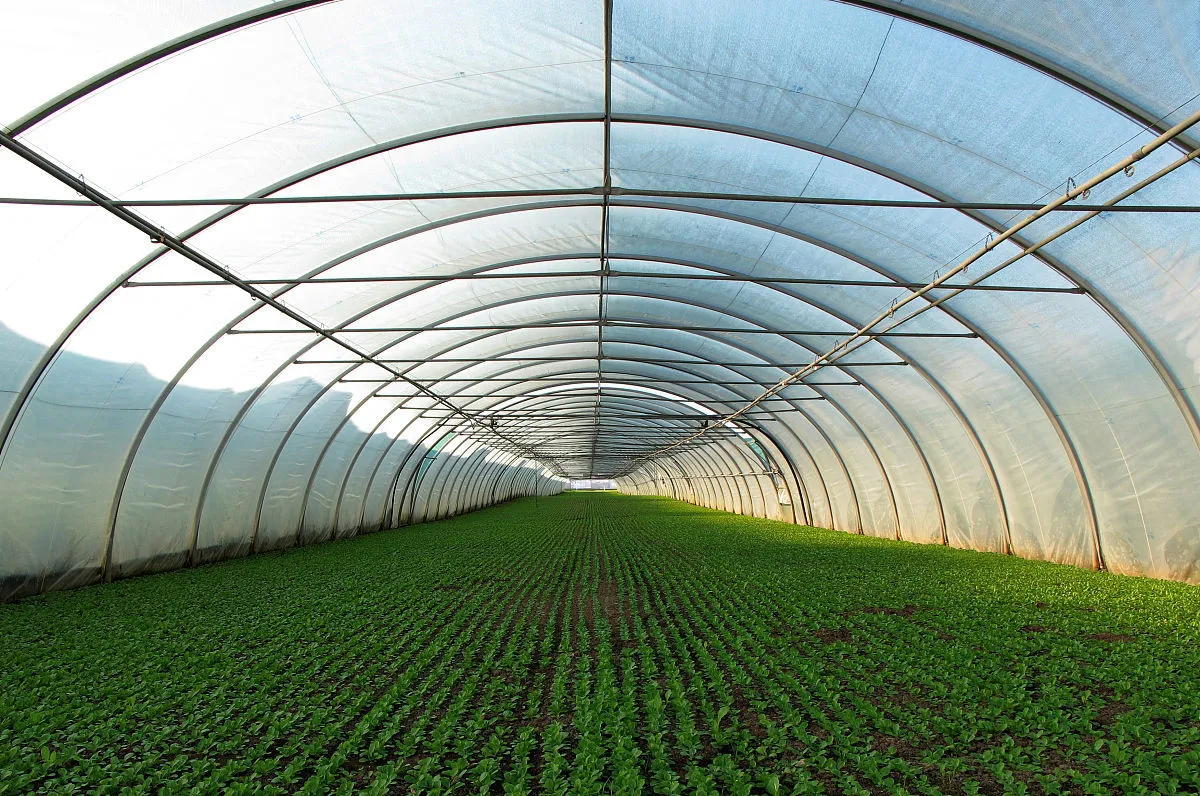
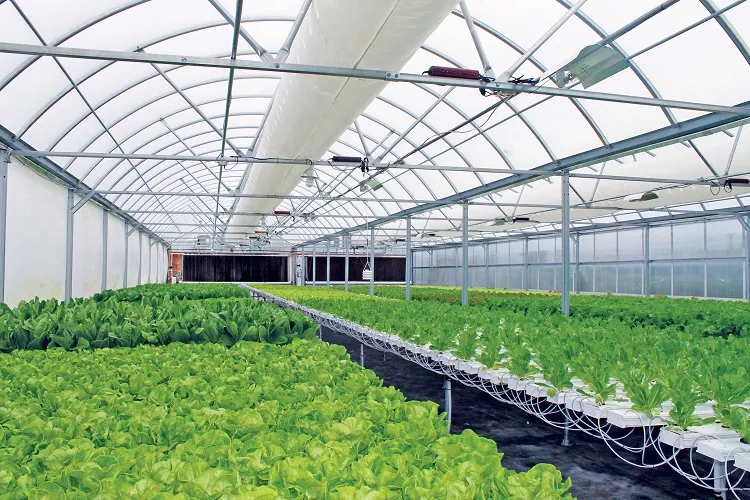
A hydroponic farming greenhouse represents a revolutionary approach to modern agriculture, combining controlled environment technology with soilless growing methods to maximize crop production year-round. This innovative structure creates an optimal growing environment where plants receive precise amounts of water, nutrients, light, and climate control without relying on traditional soil-based cultivation. The hydroponic farming greenhouse utilizes nutrient-rich water solutions delivered directly to plant roots through various delivery systems including drip irrigation, deep water culture, and nutrient film technique. These sophisticated facilities feature automated climate control systems that regulate temperature, humidity, air circulation, and lighting conditions to ensure consistent growing conditions regardless of external weather patterns. Advanced monitoring technology tracks plant health, nutrient levels, and environmental parameters in real-time, allowing growers to make immediate adjustments for optimal plant development. The structure itself incorporates high-quality glazing materials such as polycarbonate panels or specialized greenhouse glass that maximizes light transmission while providing insulation and UV protection. Integrated ventilation systems maintain proper air circulation and prevent disease-causing humidity buildup. LED grow lights supplement natural sunlight during low-light periods or extend growing seasons, ensuring plants receive the full spectrum of light necessary for photosynthesis and healthy growth. The hydroponic farming greenhouse supports multiple growing methods including vertical farming systems that maximize space utilization, allowing significantly higher plant density compared to traditional field agriculture. Water recycling systems minimize waste by capturing and reusing nutrient solutions, making this approach environmentally sustainable. These facilities can produce vegetables, herbs, fruits, and flowering plants with consistent quality and yield throughout the year, independent of seasonal limitations or geographical constraints that typically affect outdoor farming operations.
New Product Recommendations

The hydroponic farming greenhouse delivers exceptional advantages that transform traditional agricultural practices into highly efficient, profitable operations for growers of all scales. Water conservation stands as a primary benefit, with hydroponic systems using up to 90 percent less water than conventional soil farming through precise nutrient delivery and recirculation systems that eliminate waste and runoff. This controlled environment eliminates the need for harmful pesticides and herbicides, producing cleaner, healthier crops while reducing environmental contamination and protecting beneficial insects and soil microorganisms. Faster plant growth rates result from optimized nutrient delivery directly to root systems, with many crops maturing 25-50 percent faster than field-grown alternatives, enabling multiple harvests per year and increased revenue potential. Space efficiency becomes remarkable through vertical growing systems and intensive planting methods that can produce 10-20 times more crops per square foot compared to traditional farming methods. Year-round production capability eliminates seasonal limitations, allowing continuous harvests regardless of external weather conditions, frost, drought, or other climate-related challenges that devastate outdoor crops. Consistent crop quality and predictable yields provide reliable income streams for commercial growers while ensuring steady supply chains for retailers and consumers. Labor efficiency improves significantly as hydroponic farming greenhouse systems reduce manual weeding, pest management, and harvesting time through ergonomic growing heights and organized plant spacing. Disease prevention becomes manageable through controlled environments that limit pathogen exposure and enable immediate treatment when issues arise. Lower transportation costs benefit local communities as fresh produce can be grown near urban centers rather than shipping from distant agricultural regions. Energy efficiency increases through modern greenhouse designs that capture and retain heat while utilizing LED lighting systems that consume less electricity than traditional grow lights. The hydroponic farming greenhouse provides complete control over growing conditions, enabling specialty crop production, organic certification possibilities, and premium pricing for high-quality produce that meets demanding consumer preferences for fresh, locally-grown food products.

Latest News

Hydroponic Vertical Farming_ Empowering Legal Cultivation Markets Globally

09

Feb

Hydroponic Vertical Farming_ Empowering Legal Cultivation Markets Globally

View More
Planting Containers: Unlocking New Possibilities for Smart Agriculture, Creating Efficient and Movable Planting Spaces

11

Mar

Planting Containers: Unlocking New Possibilities for Smart Agriculture, Creating Efficient and Movable Planting Spaces

View More
Vertical Farming Machines, Greenhouse Cultivation & Hydroponics: Reshaping the Future of Agriculture

09

Feb

Vertical Farming Machines, Greenhouse Cultivation & Hydroponics: Reshaping the Future of Agriculture

View More

Get a Free Quote

Our representative will contact you soon.
Email
Name
Company Name
Message
0/1000

hydroponic farming greenhouse

Advanced Climate Control and Automation Technology

Advanced Climate Control and Automation Technology

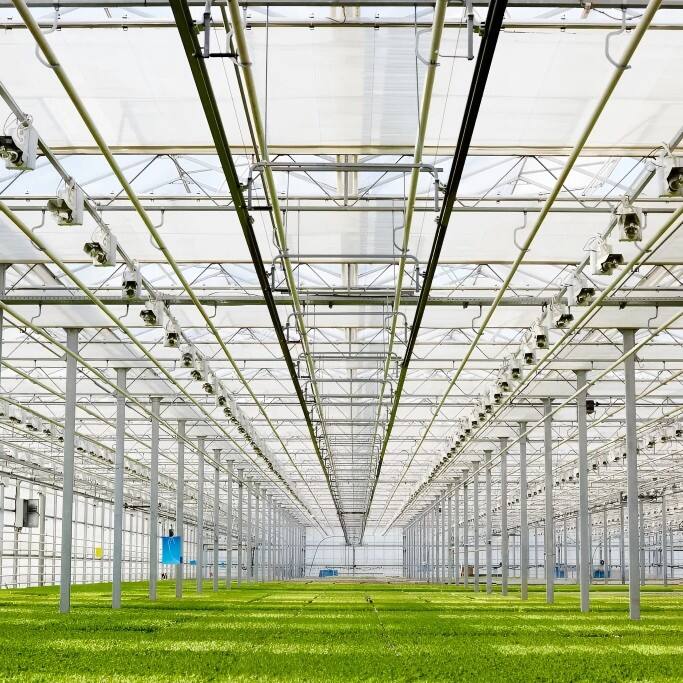
The hydroponic farming greenhouse incorporates state-of-the-art climate control and automation systems that revolutionize crop management through precision technology and intelligent monitoring capabilities. These sophisticated systems continuously track environmental parameters including temperature, humidity, CO2 levels, air circulation, and light intensity, automatically adjusting conditions to maintain optimal growing environments for maximum plant health and productivity. Smart sensors throughout the facility collect real-time data that feeds into central control units, enabling immediate responses to changing conditions and preventing stress-related crop damage. Automated irrigation systems deliver precisely measured nutrient solutions at programmed intervals, ensuring plants receive consistent feeding schedules that promote vigorous growth and high yields. Climate control technology maintains stable temperatures year-round through integrated heating and cooling systems that respond to both internal plant needs and external weather conditions. Humidity management prevents fungal diseases and pest infestations while promoting healthy transpiration rates that support robust plant development. CO2 supplementation systems enhance photosynthesis during peak growing periods, significantly increasing crop productivity and quality. Advanced ventilation controls ensure proper air circulation that prevents stagnant air pockets and maintains uniform growing conditions throughout the entire hydroponic farming greenhouse structure. Automated lighting systems adjust intensity and duration based on plant growth stages and seasonal light availability, optimizing energy consumption while providing plants with ideal photosynthetic conditions. Remote monitoring capabilities allow growers to supervise operations from anywhere using smartphone apps or computer interfaces, receiving alerts for system malfunctions or environmental changes that require attention. This comprehensive automation reduces labor costs, minimizes human error, and ensures consistent growing conditions that produce premium quality crops with predictable harvest schedules, making the hydroponic farming greenhouse an invaluable investment for serious agricultural operations seeking reliable, profitable production systems.
Superior Water and Nutrient Management Systems

Superior Water and Nutrient Management Systems

The hydroponic farming greenhouse features revolutionary water and nutrient management systems that deliver unprecedented efficiency and sustainability in crop production through precision delivery methods and resource conservation technology. These advanced systems eliminate soil-related variables by providing plants with perfectly balanced nutrient solutions that contain exact concentrations of essential minerals, vitamins, and trace elements required for optimal growth and development. Recirculating water systems capture and reuse nutrient solutions, reducing water consumption by up to 90 percent compared to traditional irrigation methods while preventing agricultural runoff that can contaminate groundwater and nearby ecosystems. Precision dosing equipment automatically mixes concentrated nutrient stocks into irrigation water at predetermined ratios, ensuring consistent feeding schedules that eliminate guesswork and prevent over-fertilization or nutrient deficiencies. pH monitoring and adjustment systems maintain optimal acidity levels that maximize nutrient uptake efficiency, allowing plants to absorb maximum benefits from every feeding cycle. Electrical conductivity sensors measure dissolved nutrient concentrations in real-time, triggering automatic adjustments that maintain perfect growing conditions throughout all growth stages. Multiple delivery methods including drip irrigation, deep water culture, and nutrient film technique provide flexibility for different crop types and growing preferences. Water filtration systems remove impurities and pathogens that could harm sensitive root systems, ensuring clean, safe growing environments that promote healthy plant development. Backup systems and redundant components prevent crop loss from equipment failures, protecting valuable harvests and maintaining consistent production schedules. The hydroponic farming greenhouse nutrient management technology enables precise control over plant nutrition that results in faster growth rates, higher yields, and superior crop quality compared to soil-based growing methods. These systems support sustainable agricultural practices by minimizing waste, reducing environmental impact, and maximizing resource efficiency while producing premium crops that command higher market prices and greater consumer satisfaction through consistent quality and extended shelf life.
Maximized Growing Efficiency and Space Utilization

Maximized Growing Efficiency and Space Utilization

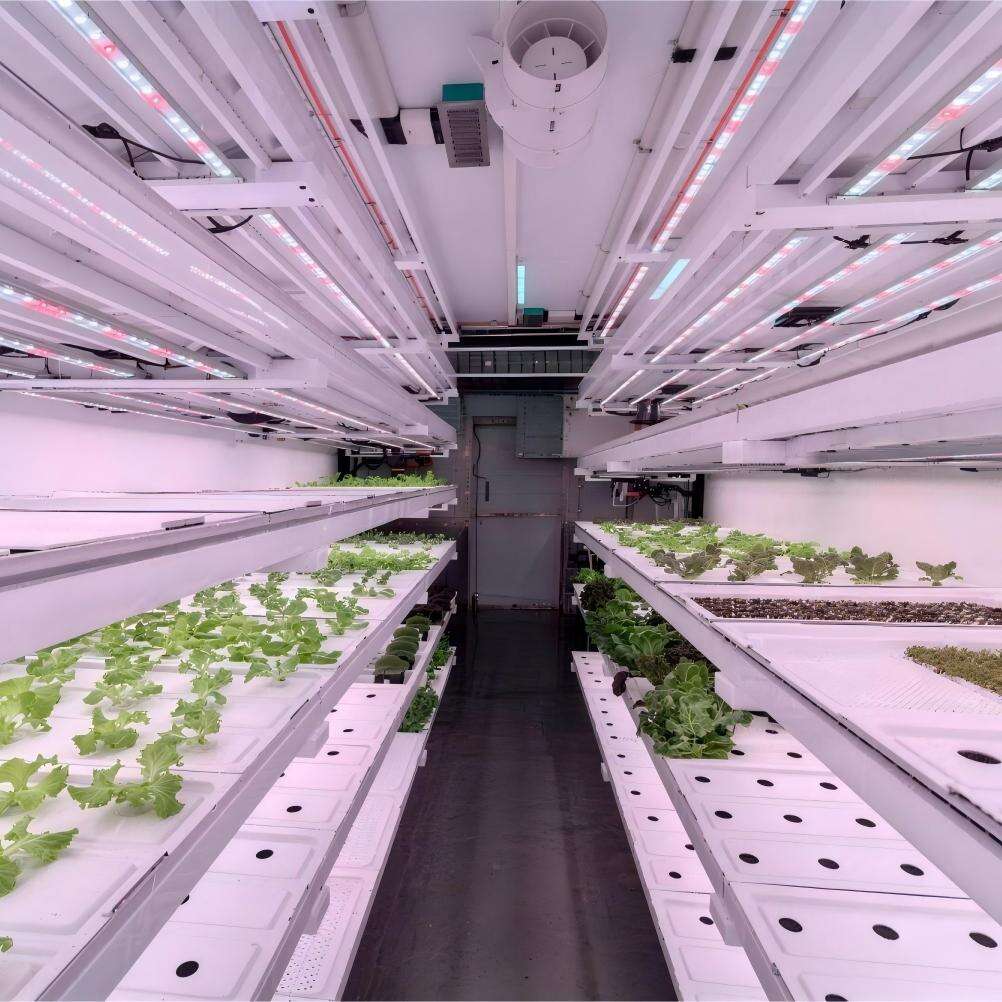
The hydroponic farming greenhouse revolutionizes agricultural productivity through innovative space utilization and growing efficiency strategies that dramatically increase crop yields while minimizing land requirements and operational costs. Vertical growing systems transform traditional horizontal farming into multi-level production facilities that can accommodate 10-20 times more plants in the same footprint as conventional ground-based agriculture. These sophisticated growing structures utilize every cubic foot of available space through carefully designed plant spacing, support systems, and accessibility features that maintain efficient workflow while maximizing plant density. Mobile growing systems and adjustable shelving allow growers to reconfigure layouts based on crop rotation schedules, seasonal demands, or changing market opportunities. The controlled environment eliminates weather-related crop losses, pest damage, and disease outbreaks that frequently devastate outdoor farming operations, ensuring predictable harvests and reliable income streams throughout the year. Accelerated growth cycles result from optimal growing conditions that promote rapid plant development, enabling multiple harvests annually and significantly increased revenue per square foot compared to traditional farming methods. Efficient space planning incorporates dedicated areas for seedling propagation, vegetative growth, flowering, and harvesting operations that streamline production workflows and reduce handling time and labor costs. The hydroponic farming greenhouse design accommodates specialized crops including microgreens, herbs, leafy vegetables, and premium specialty items that command higher market prices due to superior quality and local production advantages. Integrated pest management becomes simplified through controlled access points and sterile growing environments that prevent infestations while maintaining beneficial insect populations when desired. Ergonomic growing heights reduce worker fatigue and injury risks while improving harvesting efficiency and crop quality through careful handling procedures. Energy-efficient LED lighting systems provide targeted light spectrums that optimize photosynthesis while minimizing electricity consumption and heat generation. This comprehensive approach to space utilization and growing efficiency makes the hydroponic farming greenhouse an ideal solution for urban agriculture, commercial production facilities, and sustainable farming operations seeking maximum returns on investment through innovative growing technologies and proven production methods.

Get a Free Quote

Our representative will contact you soon.
Email
Name
Company Name
Message
0/1000