Home Hydroponic Farming Systems: Complete Guide to Indoor Growing Technology

Get a Free Quote

Our representative will contact you soon.
Email
Name
Company Name
Message
0/1000

home hydroponic farming

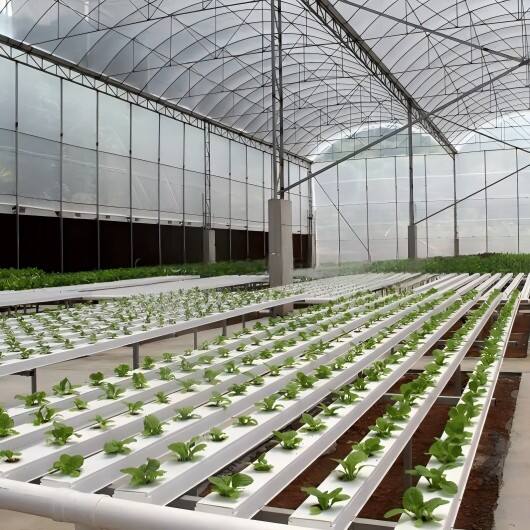
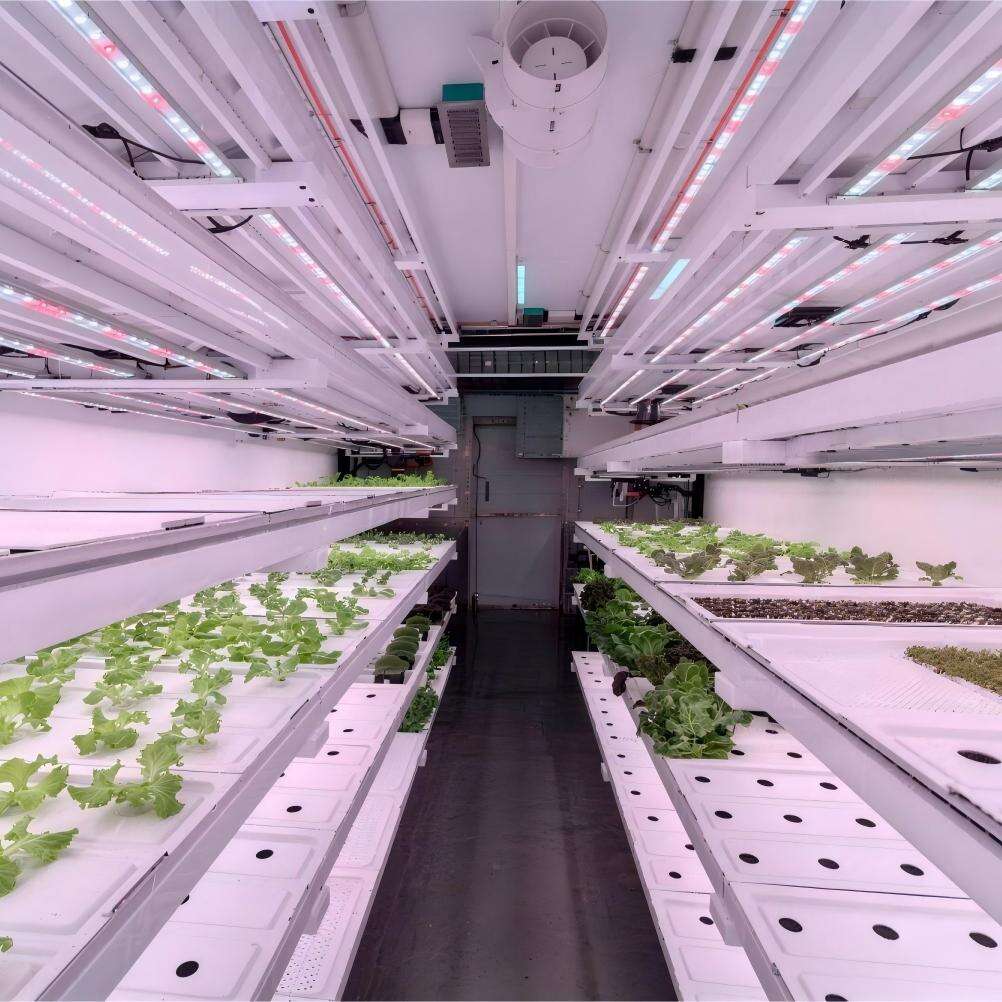
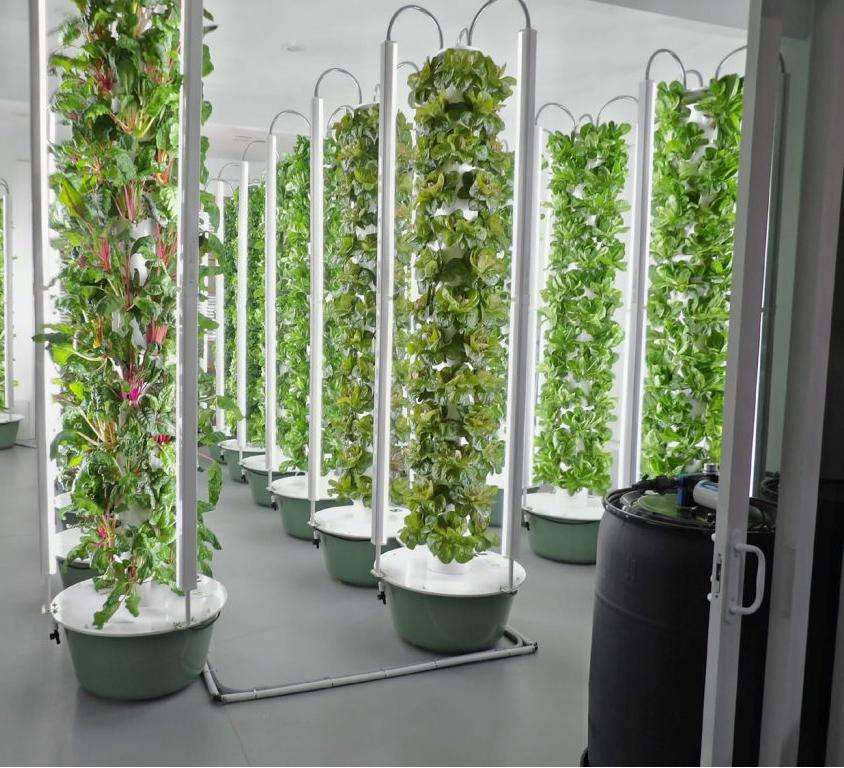
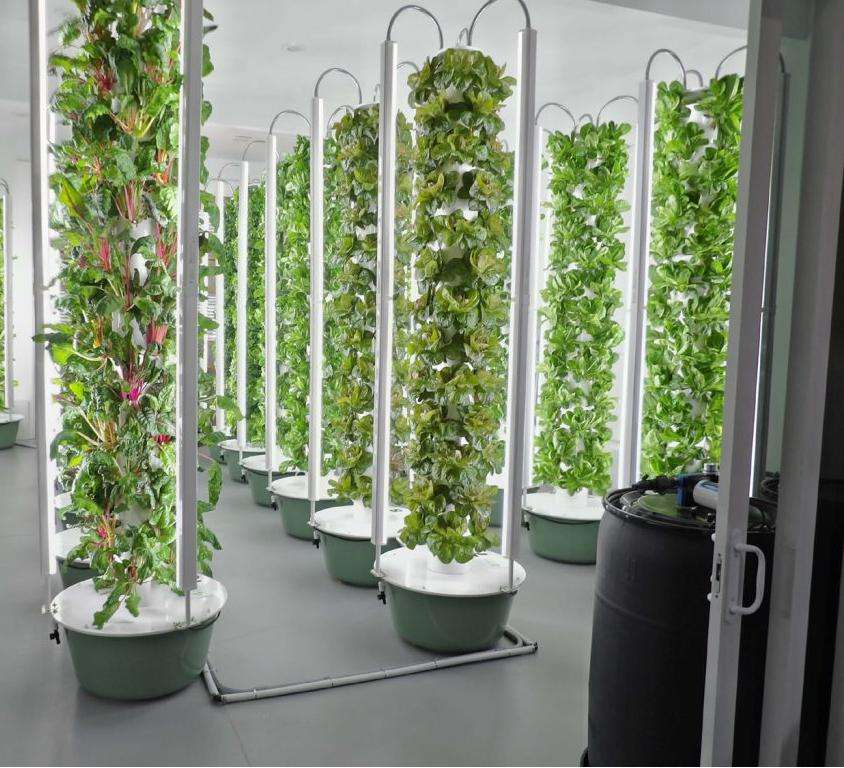
Home hydroponic farming represents a revolutionary approach to cultivating fresh produce within residential spaces, eliminating the need for traditional soil-based gardening. This innovative agricultural method utilizes nutrient-rich water solutions to deliver essential minerals directly to plant roots, creating an optimal growing environment that maximizes yield while minimizing space requirements. The technology behind home hydroponic farming encompasses sophisticated water circulation systems, LED grow lights, and automated nutrient delivery mechanisms that work together to create controlled growing conditions. Modern hydroponic systems feature advanced sensors that monitor pH levels, electrical conductivity, and water temperature, ensuring plants receive precise nutrition throughout their growth cycles. The main functions of home hydroponic farming include accelerated plant growth, year-round cultivation capabilities, and efficient resource utilization that reduces water consumption by up to 90 percent compared to conventional gardening methods. These systems incorporate various growing techniques such as deep water culture, nutrient film technique, and ebb-and-flow systems, each designed to accommodate different plant types and growing preferences. Home hydroponic farming applications extend beyond basic vegetable production to include herb cultivation, microgreen farming, and ornamental plant growing, making it suitable for diverse household needs. The technology features automated timers, climate control integration, and smartphone connectivity that allows users to monitor and adjust growing conditions remotely. Space-efficient designs enable installation in kitchens, basements, garages, or dedicated growing rooms, transforming unused areas into productive agricultural spaces. The scalability of home hydroponic farming systems allows beginners to start with compact countertop units before expanding to larger installations as their experience and confidence grow.

New Product Recommendations

Home hydroponic farming offers numerous practical benefits that make it an attractive option for modern households seeking fresh, healthy produce. The most significant advantage is the dramatic reduction in growing time, with most vegetables and herbs reaching maturity 25-50 percent faster than traditional soil cultivation. This accelerated growth occurs because plants receive optimal nutrition through carefully balanced nutrient solutions, eliminating the guesswork associated with soil fertility and composition. Water conservation represents another compelling benefit, as home hydroponic farming uses recirculating systems that dramatically reduce water waste compared to conventional gardening methods. The controlled environment eliminates weather dependencies, allowing year-round production regardless of seasonal changes or climate conditions. Pest and disease management becomes significantly easier since soil-borne pathogens and insects cannot affect hydroponic crops, reducing or eliminating the need for pesticides and fungicides. Space efficiency makes home hydroponic farming ideal for urban dwellers with limited outdoor space, as vertical growing systems can produce substantial yields in compact areas. The elimination of soil also means no weeding, reduced maintenance time, and cleaner growing conditions that can be established anywhere with adequate lighting and ventilation. Quality control reaches new levels as growers have complete oversight of inputs, ensuring produce is free from harmful chemicals and grown according to personal preferences. Cost savings accumulate over time through reduced grocery bills, especially for expensive organic vegetables and herbs that can be produced continuously at home. The educational value benefits families by teaching children about plant biology, nutrition, and sustainable agriculture practices through hands-on experience. Fresh harvest availability means picking produce at peak ripeness, resulting in superior taste and nutritional content compared to store-bought alternatives that may have traveled long distances. The reliability of home hydroponic farming provides food security and reduces dependence on external supply chains, particularly valuable during disruptions or shortages.

Latest News

Hydroponic Vertical Farming_ Empowering Legal Cultivation Markets Globally

09

Feb

Hydroponic Vertical Farming_ Empowering Legal Cultivation Markets Globally

View More
Planting Containers: Unlocking New Possibilities for Smart Agriculture, Creating Efficient and Movable Planting Spaces

11

Mar

Planting Containers: Unlocking New Possibilities for Smart Agriculture, Creating Efficient and Movable Planting Spaces

View More
Vertical Farming Machines, Greenhouse Cultivation & Hydroponics: Reshaping the Future of Agriculture

09

Feb

Vertical Farming Machines, Greenhouse Cultivation & Hydroponics: Reshaping the Future of Agriculture

View More

Get a Free Quote

Our representative will contact you soon.
Email
Name
Company Name
Message
0/1000

home hydroponic farming

Advanced Automation and Smart Technology Integration

Advanced Automation and Smart Technology Integration

Modern home hydroponic farming systems incorporate cutting-edge automation technology that simplifies the growing process while maximizing results for users of all experience levels. Smart sensors continuously monitor critical parameters including pH levels, nutrient concentration, water temperature, and lighting conditions, automatically adjusting these variables to maintain optimal growing environments. The integration of Internet of Things connectivity allows remote monitoring and control through smartphone applications, enabling users to check their crops and make adjustments from anywhere. Automated nutrient dosing systems precisely deliver fertilizers according to predetermined schedules, eliminating the guesswork and potential for human error that can damage sensitive plants. LED lighting systems feature programmable timers and spectrum control, providing plants with the exact light wavelengths needed for photosynthesis while minimizing energy consumption. Climate control integration coordinates with heating, ventilation, and air conditioning systems to maintain ideal temperature and humidity levels throughout different growth stages. Water level sensors prevent system failures by alerting users when reservoirs need refilling, while automated pumps ensure consistent water circulation that prevents stagnation and root rot. The data logging capabilities of advanced home hydroponic farming systems track growth patterns, harvest yields, and resource consumption, helping users optimize their setups over time. Machine learning algorithms in premium systems can predict plant needs and suggest adjustments based on environmental conditions and growth stage requirements. Backup power systems and redundant components ensure continuous operation during power outages or equipment failures, protecting valuable crops from loss. The user-friendly interfaces feature intuitive controls and educational content that guide beginners through each step of the growing process while providing advanced options for experienced cultivators.
Superior Crop Quality and Nutritional Value

Superior Crop Quality and Nutritional Value

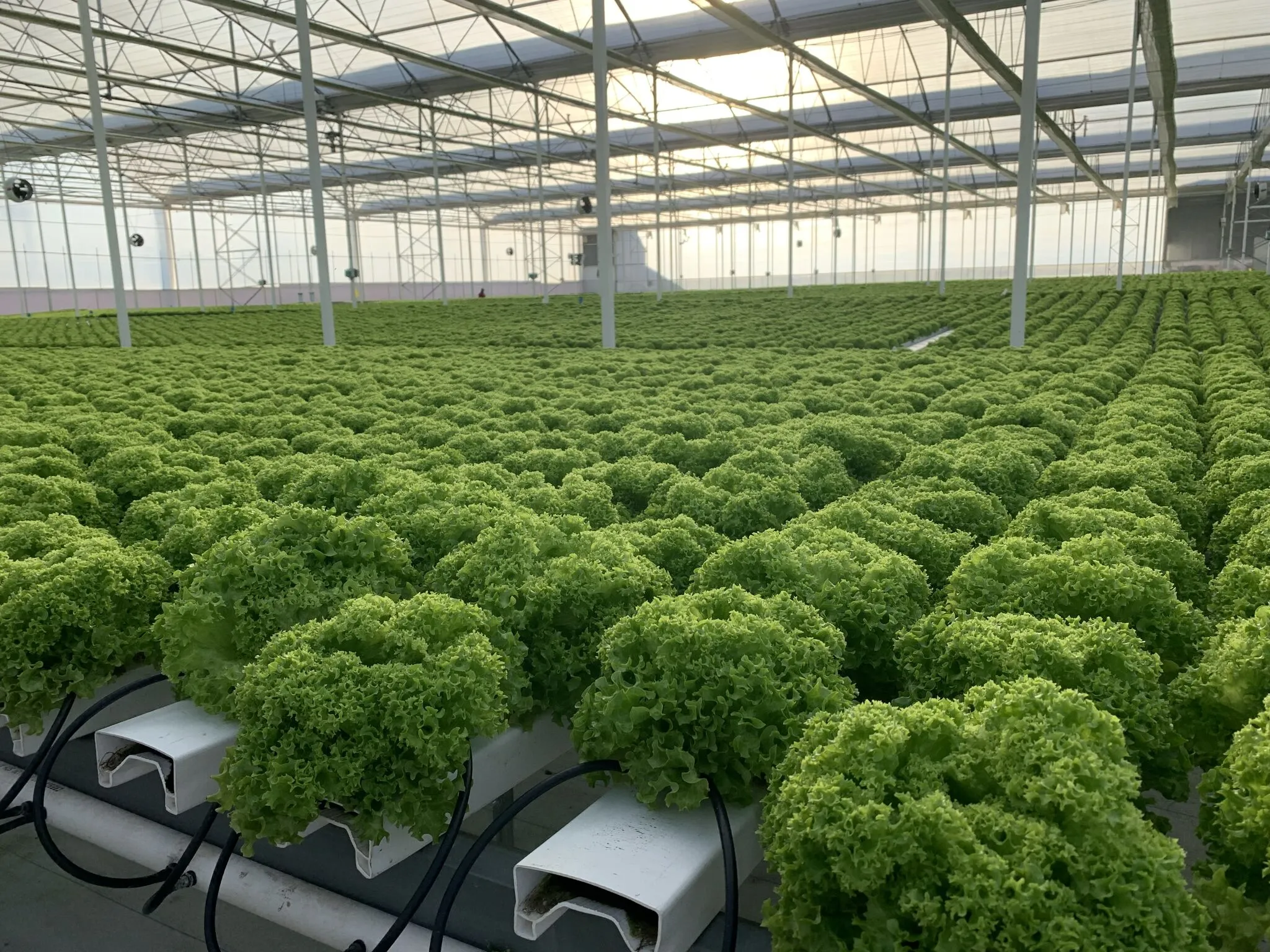
Home hydroponic farming produces vegetables, herbs, and fruits with exceptional quality that often surpasses commercially grown alternatives in both taste and nutritional content. The controlled environment eliminates exposure to pollutants, pesticides, and other contaminants commonly found in conventional agriculture, resulting in cleaner, safer produce for family consumption. Nutrient solutions can be customized to enhance specific characteristics such as vitamin content, mineral concentration, or flavor profiles, allowing growers to optimize their harvest according to dietary needs or taste preferences. The absence of soil-borne diseases and pests means plants can direct more energy toward producing fruits and leaves rather than defending against threats, resulting in higher yields and better quality crops. Harvest timing flexibility enables picking produce at peak ripeness when nutritional content is highest, unlike commercial operations that harvest early to account for transportation and shelf life requirements. The consistent growing conditions in home hydroponic farming systems eliminate stress factors that can reduce crop quality, such as drought, temperature fluctuations, or nutrient deficiencies. Root zone optimization ensures plants receive adequate oxygen and nutrition, promoting robust root development that supports healthier, more productive plants. The sterile growing environment reduces the risk of foodborne pathogens while eliminating the need for post-harvest washing with chlorinated water or other sanitizing agents. Continuous production cycles mean fresh ingredients are always available, reducing reliance on preserved or processed foods and supporting healthier eating habits. The ability to grow rare or specialty varieties not commonly available in stores expands culinary options and allows experimentation with unique flavors and textures. Quality control extends to packaging and handling since crops move directly from the growing system to the kitchen, eliminating damage from transportation and storage that affects store-bought produce.
Sustainable Environmental Impact and Resource Efficiency

Sustainable Environmental Impact and Resource Efficiency

Home hydroponic farming represents a significant advancement in sustainable agriculture, offering environmental benefits that align with growing concerns about climate change and resource conservation. Water usage efficiency stands as the most remarkable environmental advantage, with recirculating hydroponic systems using up to 95 percent less water than traditional soil-based farming methods. This conservation occurs through precise nutrient delivery that eliminates runoff and evaporation losses common in conventional agriculture. The elimination of agricultural chemicals including pesticides, herbicides, and synthetic fertilizers prevents contamination of local water supplies and soil systems while reducing the environmental footprint associated with chemical production and transportation. Energy efficiency improvements come from LED lighting technology that provides optimal growing spectrums while consuming significantly less electricity than traditional grow lights, reducing carbon footprint and operating costs. Local food production eliminates transportation emissions associated with shipping produce from distant farms, reducing fossil fuel consumption and packaging waste. The compact nature of home hydroponic farming systems maximizes production per square foot, making efficient use of available space and reducing pressure on agricultural land conversion. Year-round production capabilities increase food security while reducing dependence on seasonal imports from different climate zones, further decreasing transportation-related environmental impacts. Waste reduction occurs through precise nutrient management that eliminates excess fertilizer application and the composting of plant materials after harvest. The longevity of hydroponic systems, often lasting decades with proper maintenance, provides excellent return on investment while reducing manufacturing waste associated with frequent equipment replacement. Carbon sequestration benefits arise from increased plant density and faster growth rates that capture more atmospheric carbon dioxide per unit of space and time compared to traditional farming methods. The educational impact of home hydroponic farming promotes environmental awareness and sustainable living practices, encouraging broader adoption of eco-friendly technologies and behaviors within communities.

Get a Free Quote

Our representative will contact you soon.
Email
Name
Company Name
Message
0/1000