Indoor Rice Farming: Revolutionary Climate-Controlled Agriculture for Sustainable Food Production

Get a Free Quote

Our representative will contact you soon.
Email
Name
Company Name
Message
0/1000

indoor rice farming

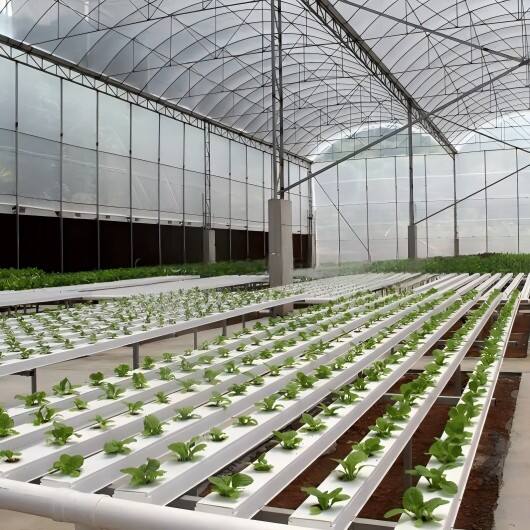
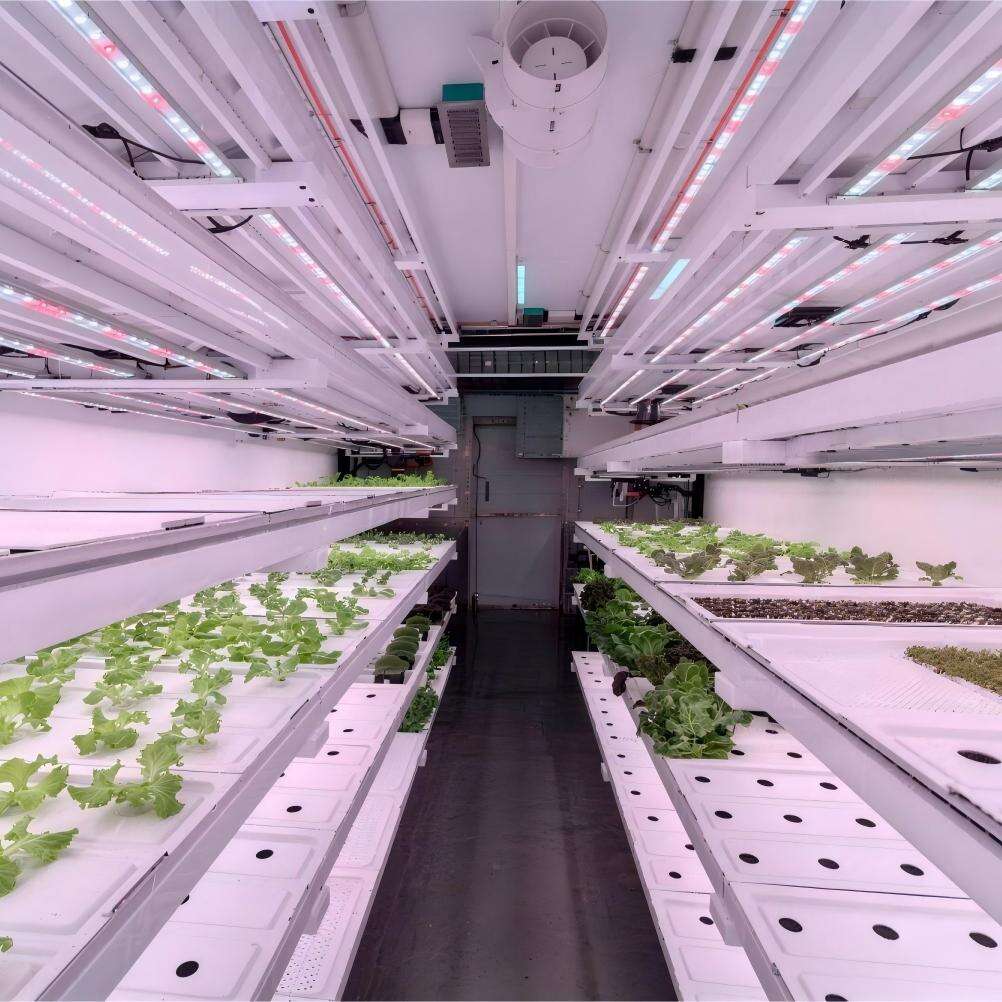
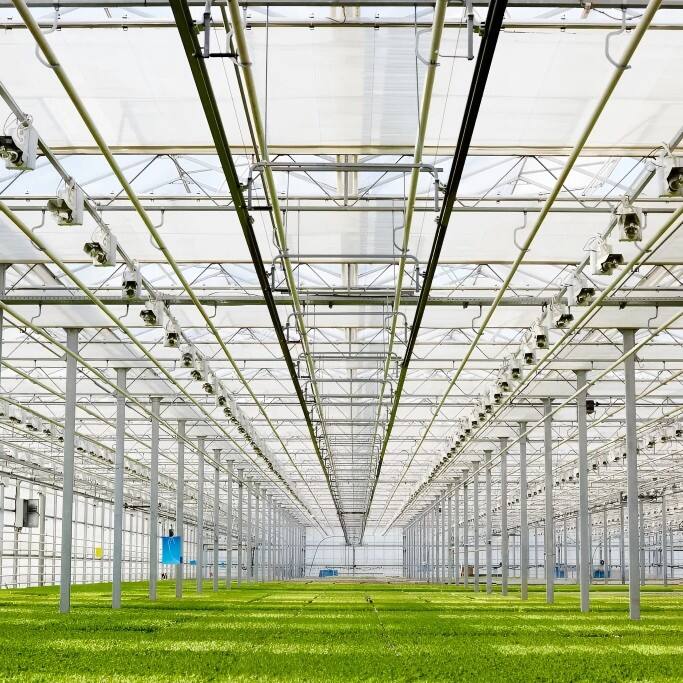
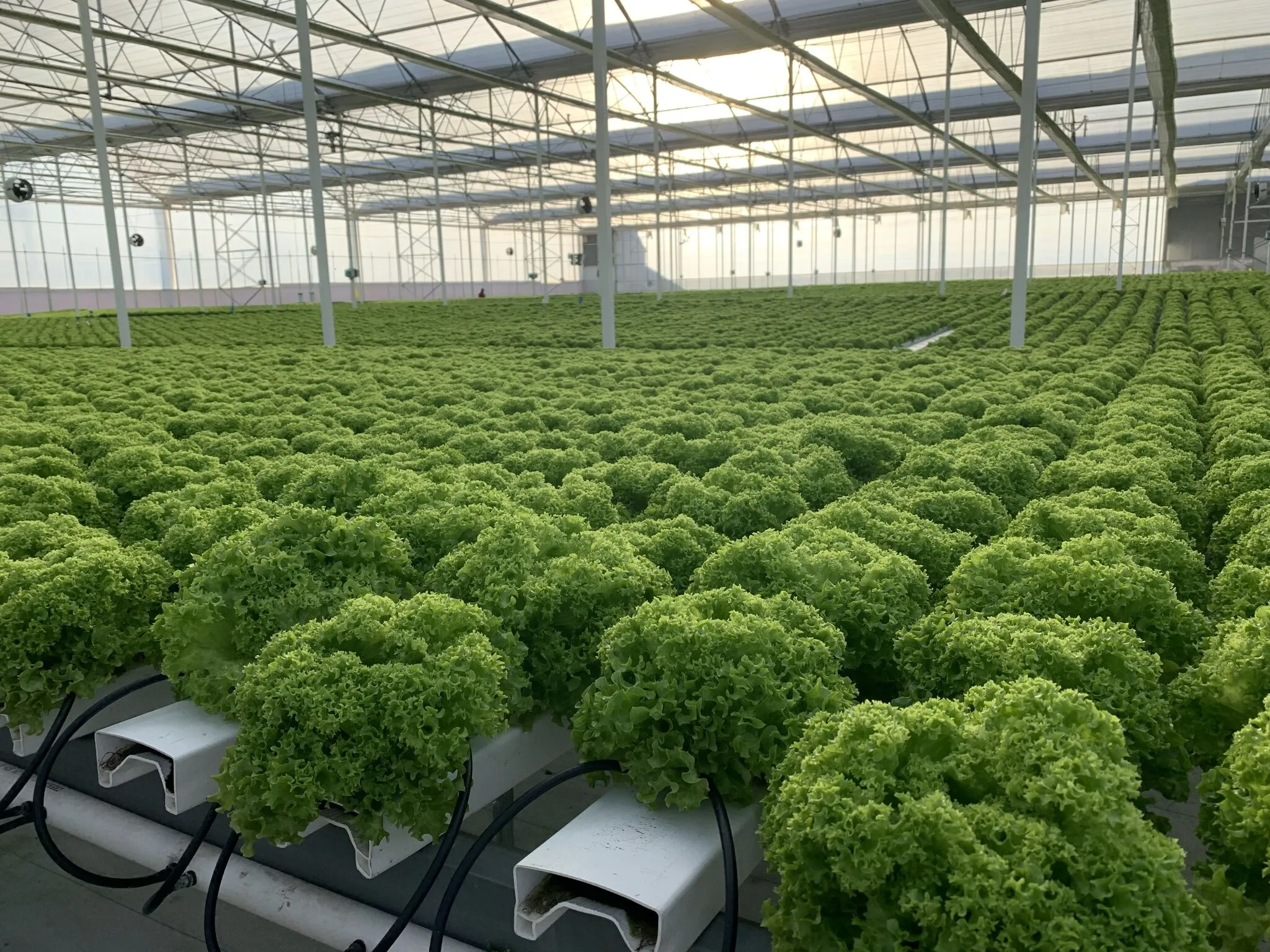
Indoor rice farming represents a revolutionary approach to cultivating one of the world's most essential staple crops within controlled environmental conditions. This innovative agricultural method utilizes sophisticated greenhouse structures, hydroponic systems, and climate control technologies to create optimal growing conditions for rice production year-round. Unlike traditional paddy field cultivation, indoor rice farming eliminates dependency on seasonal weather patterns, soil quality variations, and external environmental factors that can significantly impact crop yields. The system incorporates advanced LED lighting arrays that provide precise light spectrums tailored to different growth stages of rice plants. Temperature and humidity controls maintain ideal conditions throughout the cultivation cycle, while automated irrigation systems deliver nutrient-rich water solutions directly to plant roots. Indoor rice farming facilities typically feature multi-tier growing systems that maximize space utilization and increase production capacity per square foot compared to conventional farming methods. The technological infrastructure includes sensors that continuously monitor plant health, nutrient levels, pH balance, and environmental conditions. Data analytics platforms process this information to optimize growing parameters and predict harvest timing. Air filtration systems prevent pest infestations and disease outbreaks, reducing the need for chemical pesticides and herbicides. The controlled environment allows farmers to implement precision agriculture techniques, adjusting nutrients, water, and light exposure based on real-time plant needs. This method proves particularly valuable in urban areas where arable land is scarce or in regions with challenging climatic conditions. Indoor rice farming applications extend beyond commercial production to include research facilities studying crop genetics, university agricultural programs, and food security initiatives in developing nations. The system supports sustainable agriculture goals by conserving water resources, eliminating agricultural runoff, and reducing carbon footprint through localized food production.
New Product Recommendations

Indoor rice farming delivers numerous compelling advantages that address critical challenges facing modern agriculture and food security. Water conservation stands as one of the most significant benefits, as these systems use up to 95 percent less water than traditional rice paddies through precise irrigation and water recycling mechanisms. The controlled environment eliminates weather-related crop losses, ensuring consistent harvests regardless of droughts, floods, storms, or climate variations that devastate outdoor crops. Year-round production capability multiplies annual yields dramatically, with most indoor rice farming operations achieving three to four harvest cycles annually compared to traditional farming's single seasonal harvest. Space efficiency proves remarkable, as vertical growing systems produce significantly higher yields per square foot, making food production viable in urban environments and areas with limited agricultural land. Pest and disease management becomes substantially easier within enclosed systems, reducing or eliminating pesticide use while maintaining healthier crops through controlled access and air filtration. Labor efficiency increases through automation and mechanization options unavailable in traditional farming, reducing physical demands and operational costs while improving worker safety. Quality control reaches unprecedented levels as farmers can manipulate growing conditions to enhance nutritional content, flavor profiles, and grain characteristics according to specific market demands. Geographic independence allows rice production in regions previously unsuitable for cultivation, including desert areas, urban centers, and locations with poor soil quality or extreme climates. Supply chain optimization occurs naturally as indoor facilities can be located near consumer markets, reducing transportation costs, carbon emissions, and food spoilage during distribution. Risk mitigation extends beyond weather protection to include protection from market volatility through predictable production schedules and yields. Energy efficiency continues improving through LED technology advances and renewable energy integration, making operations increasingly cost-effective. Food safety enhancement results from controlled inputs and sterile growing conditions, virtually eliminating contamination risks from pollutants, heavy metals, or harmful bacteria common in traditional agriculture. Scalability options range from small urban farms serving local communities to large commercial operations supplying regional markets, providing flexibility for various investment levels and business models.

Tips And Tricks

Hydroponic Vertical Farming_ Empowering Legal Cultivation Markets Globally

09

Feb

Hydroponic Vertical Farming_ Empowering Legal Cultivation Markets Globally

View More
Planting Containers: Unlocking New Possibilities for Smart Agriculture, Creating Efficient and Movable Planting Spaces

11

Mar

Planting Containers: Unlocking New Possibilities for Smart Agriculture, Creating Efficient and Movable Planting Spaces

View More
Vertical Farming Machines, Greenhouse Cultivation & Hydroponics: Reshaping the Future of Agriculture

09

Feb

Vertical Farming Machines, Greenhouse Cultivation & Hydroponics: Reshaping the Future of Agriculture

View More

Get a Free Quote

Our representative will contact you soon.
Email
Name
Company Name
Message
0/1000

indoor rice farming

Revolutionary Water Conservation Technology

Revolutionary Water Conservation Technology

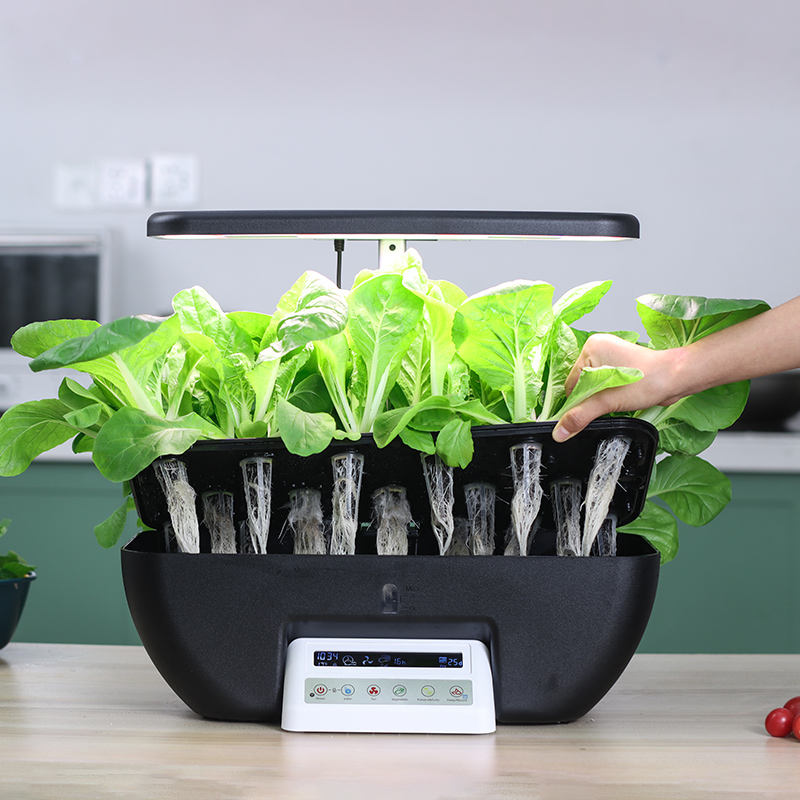
Indoor rice farming implements groundbreaking water management systems that fundamentally transform how this water-intensive crop is cultivated, addressing one of agriculture's most pressing environmental challenges. Traditional rice cultivation requires flooding paddy fields with thousands of gallons of water per season, contributing to water scarcity issues worldwide and creating environmental concerns through agricultural runoff. The advanced hydroponic and aeroponic systems used in indoor rice farming deliver precise amounts of nutrient-enriched water directly to plant roots, eliminating waste and maximizing absorption efficiency. Closed-loop water recycling systems capture and purify water continuously, allowing the same water to circulate through the growing medium multiple times before requiring replacement. Smart irrigation sensors monitor soil moisture levels and plant hydration needs in real-time, automatically adjusting water delivery to prevent over-watering or under-watering conditions that stress plants and reduce yields. The technology incorporates water filtration and purification systems that remove impurities and maintain optimal pH levels, ensuring plants receive consistently high-quality water inputs. This precision approach reduces water consumption by up to 95 percent compared to traditional paddy farming while often producing superior yields and grain quality. The environmental impact extends beyond conservation, as indoor systems prevent agricultural runoff that typically carries fertilizers and pesticides into waterways, protecting local ecosystems and groundwater supplies. For regions facing water scarcity or drought conditions, indoor rice farming provides a viable solution for maintaining food security without depleting precious water resources. The technology also enables rice production in arid regions previously unsuitable for cultivation, opening new agricultural opportunities in desert areas and water-stressed zones. Long-term operational costs decrease significantly through reduced water expenses, making indoor rice farming increasingly attractive to commercial producers. The system's ability to function with recycled or treated water sources further enhances sustainability and reduces dependency on freshwater supplies, supporting global water conservation efforts while maintaining agricultural productivity.
Climate-Controlled Precision Agriculture

Climate-Controlled Precision Agriculture

Indoor rice farming leverages sophisticated climate control technologies that create perfect growing conditions regardless of external weather patterns, revolutionizing agricultural reliability and productivity. Advanced environmental management systems maintain optimal temperature ranges throughout different growth phases, from seedling development through grain maturation, ensuring consistent plant health and maximum yield potential. Humidity controls prevent moisture-related diseases while maintaining ideal conditions for photosynthesis and nutrient uptake, eliminating the stress factors that commonly affect outdoor crops. Precision LED lighting systems provide customized light spectrums tailored to specific growth stages, delivering optimal photosynthetic energy more efficiently than natural sunlight while extending growing hours beyond daylight limitations. Air circulation and ventilation systems maintain proper airflow, preventing stagnant conditions that promote disease while ensuring adequate carbon dioxide levels for healthy plant metabolism. Temperature gradients can be adjusted between different growing zones within the same facility, accommodating multiple rice varieties with varying environmental preferences simultaneously. The controlled atmosphere eliminates seasonal limitations, enabling continuous production cycles that multiply annual yields compared to traditional outdoor farming constrained by weather seasons. Automated monitoring systems track environmental parameters continuously, making micro-adjustments to maintain optimal conditions and immediately alerting operators to any deviations that could impact crop health. This precision eliminates weather-related crop losses that cost traditional farmers billions annually through drought, flooding, hail damage, or extreme temperature fluctuations. The predictable environment enables precise harvest scheduling, allowing farmers to coordinate with buyers and processors for optimal market timing and price optimization. Climate control technology also facilitates research and development of new rice varieties by providing consistent testing conditions and accelerating breeding programs through multiple generation cycles per year. For commercial operations, the reliability of climate-controlled production enables long-term contracts with buyers, providing stable income streams unavailable in weather-dependent agriculture. The system's resilience against climate change impacts ensures food security as global weather patterns become increasingly unpredictable and extreme.
Maximized Space Utilization and Urban Agriculture Integration

Maximized Space Utilization and Urban Agriculture Integration

Indoor rice farming transforms spatial efficiency through innovative vertical growing systems and compact facility designs that produce exponentially higher yields per square foot than traditional horizontal farming methods. Multi-tier growing structures utilize vertical space efficiently, stacking growing beds in controlled environments to multiply production capacity within the same footprint as conventional single-level operations. This revolutionary approach enables rice cultivation in urban environments where land costs are prohibitive for traditional agriculture, bringing food production closer to consumer populations and reducing transportation requirements. Modular facility designs allow operations to scale according to available space and investment capacity, from small rooftop installations serving local communities to large warehouse conversions supplying regional markets. The compact nature of indoor rice farming systems makes them suitable for integration into urban planning initiatives, supporting food security goals and reducing cities' dependency on rural agricultural areas. Advanced growing medium technologies eliminate the need for soil, allowing cultivation in areas with contaminated or poor-quality ground conditions while maintaining superior plant nutrition through precisely controlled hydroponic solutions. Automated systems maximize labor efficiency per square foot, reducing operational costs and making small-scale operations economically viable for entrepreneurs and community organizations. The controlled environment enables year-round production cycles, effectively multiplying the productive capacity of each square foot through continuous harvesting rather than seasonal limitations. Integration with renewable energy systems, such as rooftop solar panels, creates sustainable urban agriculture models that contribute to city-wide environmental goals while producing fresh food locally. The flexibility of indoor systems allows conversion of underutilized urban spaces, including abandoned warehouses, unused basements, and industrial buildings, into productive agricultural facilities. For developing regions with limited arable land, indoor rice farming provides pathways to food self-sufficiency without requiring large land acquisitions or competing with other land uses. The technology supports community food security initiatives by enabling local rice production that reduces dependency on imported food supplies and creates local employment opportunities. Distribution efficiency improves dramatically as urban indoor farms can supply fresh rice to local markets within hours of harvest, maintaining superior quality and reducing spoilage compared to long-distance transportation from rural farms.

Get a Free Quote

Our representative will contact you soon.
Email
Name
Company Name
Message
0/1000