Indoor Tomato Farm Solutions: Advanced Hydroponic Growing Systems for Year-Round Production

Get a Free Quote

Our representative will contact you soon.
Email
Name
Company Name
Message
0/1000

indoor tomato farm

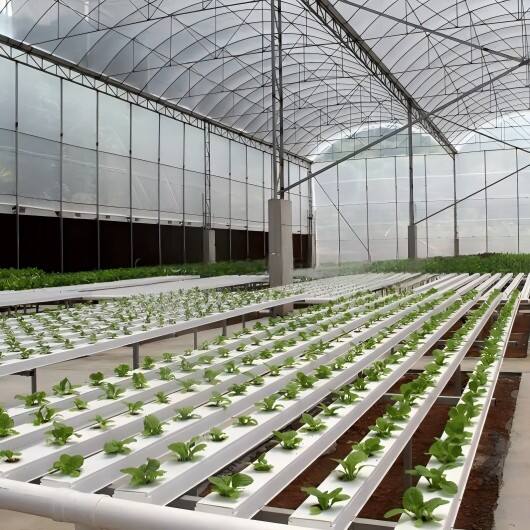
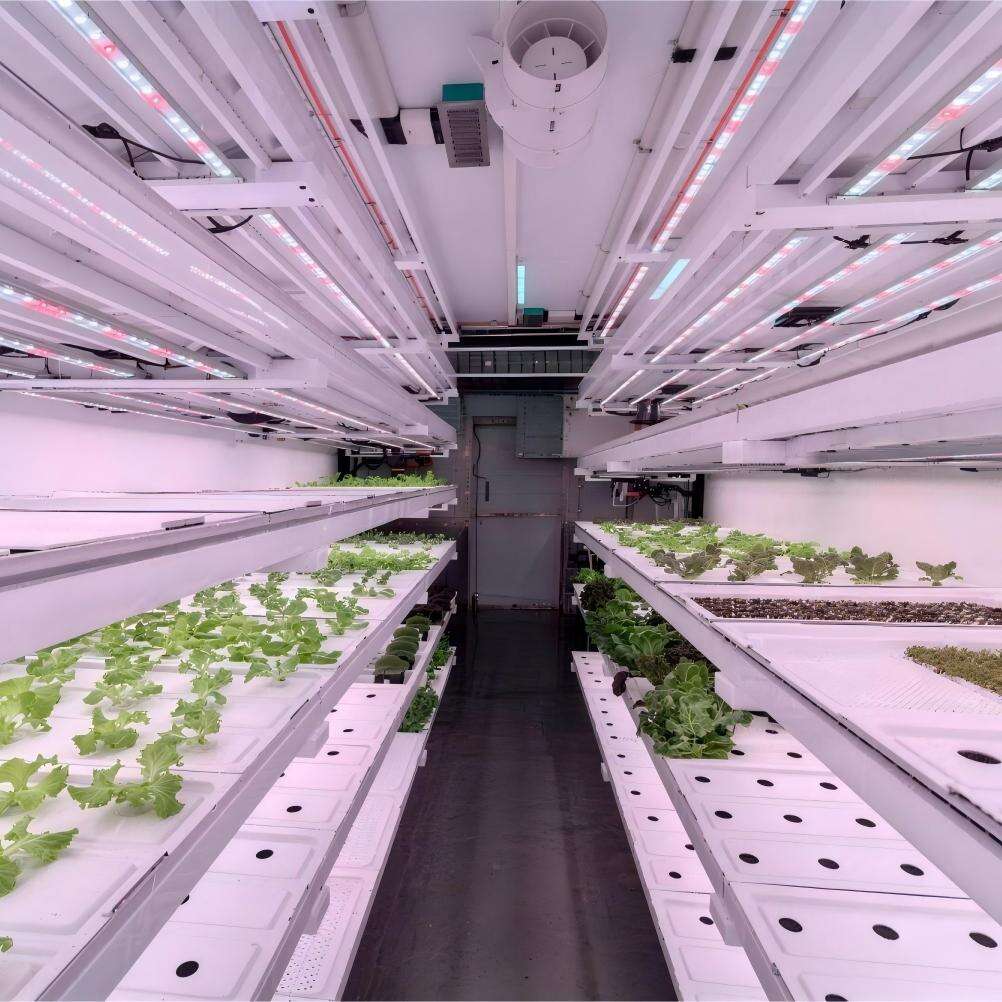
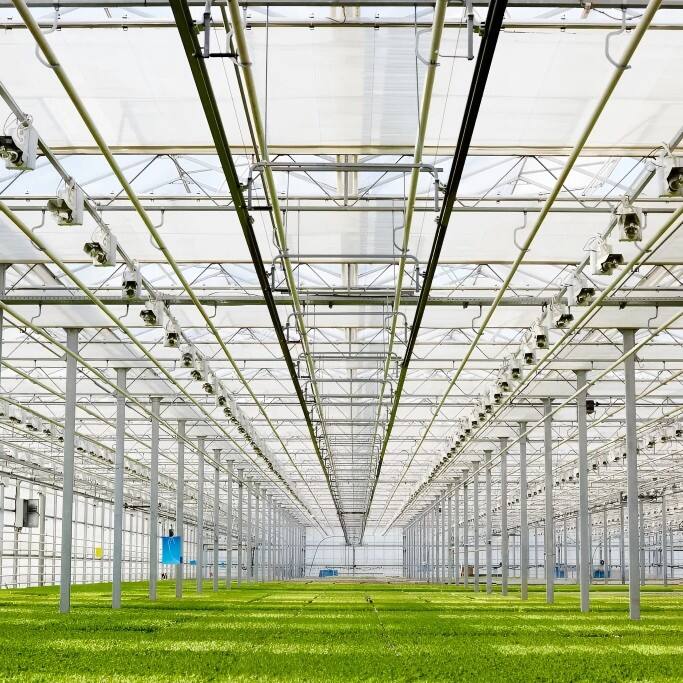
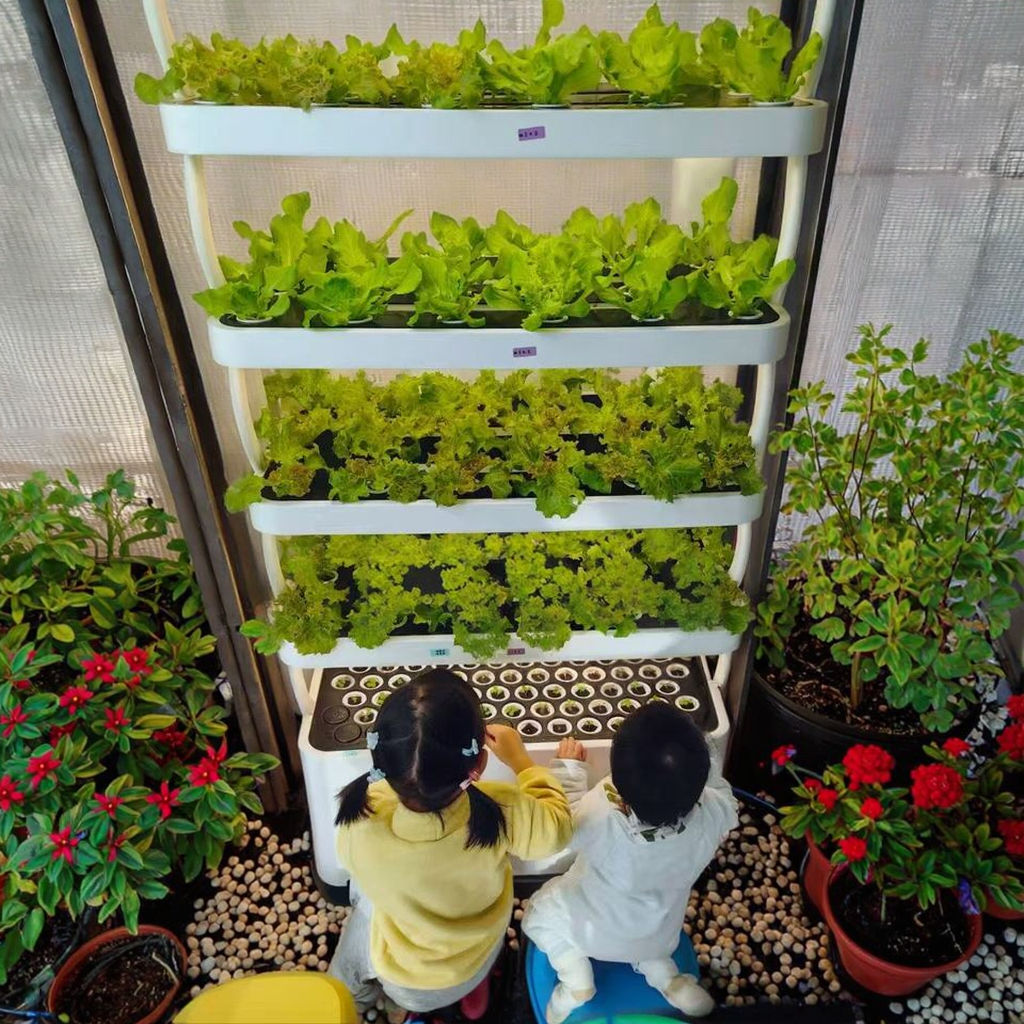
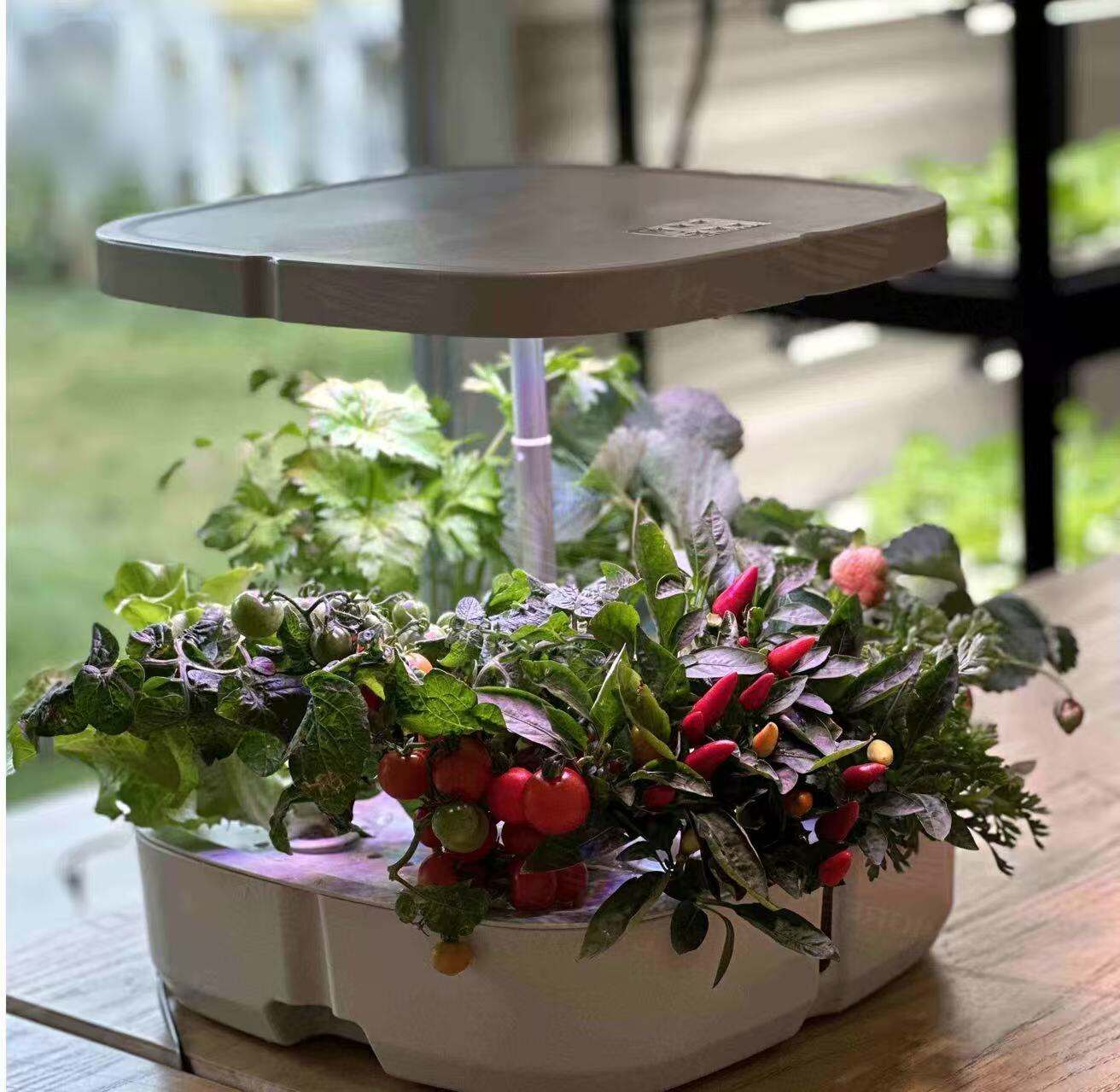
An indoor tomato farm represents a revolutionary approach to agricultural production that transforms traditional farming methods through controlled environment agriculture. These sophisticated facilities utilize advanced hydroponic or aeroponic systems to cultivate tomatoes within climate-controlled structures, eliminating dependency on weather conditions and seasonal limitations. The indoor tomato farm operates through precise environmental management, where temperature, humidity, lighting, and nutrient delivery are meticulously regulated to optimize plant growth and maximize yield potential. These facilities employ LED lighting systems that provide full-spectrum illumination, replicating and often surpassing natural sunlight conditions. The technological infrastructure includes automated irrigation networks that deliver precisely measured nutrients directly to plant roots, ensuring optimal absorption and minimal waste. Advanced monitoring systems continuously track environmental parameters, plant health indicators, and growth metrics through sensors and data analytics platforms. The indoor tomato farm typically features multi-tier growing systems that maximize space utilization, allowing producers to achieve significantly higher yields per square foot compared to traditional outdoor cultivation. Air filtration and circulation systems maintain optimal atmospheric conditions while preventing pest infiltration and disease transmission. These facilities incorporate sustainable practices through water recirculation systems that minimize consumption and eliminate agricultural runoff. The applications of indoor tomato farming extend across commercial production, research facilities, educational institutions, and urban agriculture initiatives. These systems enable year-round production regardless of geographic location or climatic conditions, making fresh tomato cultivation possible in desert regions, urban environments, and areas with harsh weather patterns. The indoor tomato farm serves various market segments including specialty produce retailers, restaurants demanding consistent quality, and communities seeking local food security solutions.

New Products

The indoor tomato farm delivers exceptional advantages that transform agricultural productivity and sustainability metrics for growers and consumers alike. These controlled environments eliminate weather-related risks that traditionally plague outdoor cultivation, ensuring consistent harvests throughout the year regardless of seasonal changes, storms, or climate fluctuations. Producers achieve dramatically higher yields per square foot, often generating three to ten times more tomatoes compared to conventional farming methods through vertical growing systems and optimized growing conditions. Water conservation represents a significant benefit, as indoor tomato farms utilize up to 95 percent less water than traditional agriculture through precise irrigation and recirculation systems that capture and reuse every drop. The elimination of pesticides and herbicides creates cleaner, safer produce while reducing environmental contamination and health concerns associated with chemical treatments. Quality control reaches unprecedented levels within indoor tomato farm operations, as growers can fine-tune every aspect of the growing environment to produce consistently superior tomatoes with enhanced flavor, texture, and nutritional content. Location independence allows these facilities to operate anywhere, bringing fresh produce closer to urban markets and reducing transportation costs and carbon footprints associated with long-distance shipping. The controlled environment prevents pest infestations and plant diseases, eliminating crop losses that commonly affect outdoor farms and ensuring reliable production schedules for commercial buyers. Energy efficiency improvements through LED lighting and smart climate control systems reduce operational costs while maintaining optimal growing conditions. Labor efficiency increases significantly as automated systems handle irrigation, nutrient delivery, and environmental monitoring, reducing manual workload and human error. Market advantages include the ability to grow premium varieties that command higher prices, extend growing seasons indefinitely, and respond quickly to consumer demand fluctuations. These facilities provide stable employment opportunities in rural and urban areas while contributing to local food security and reducing dependency on imported produce. The indoor tomato farm model supports sustainable agriculture practices that preserve soil resources, eliminate agricultural runoff, and minimize the environmental impact associated with traditional farming methods.

Practical Tips

Hydroponic Vertical Farming_ Empowering Legal Cultivation Markets Globally

09

Feb

Hydroponic Vertical Farming_ Empowering Legal Cultivation Markets Globally

View More
Planting Containers: Unlocking New Possibilities for Smart Agriculture, Creating Efficient and Movable Planting Spaces

11

Mar

Planting Containers: Unlocking New Possibilities for Smart Agriculture, Creating Efficient and Movable Planting Spaces

View More
Vertical Farming Machines, Greenhouse Cultivation & Hydroponics: Reshaping the Future of Agriculture

09

Feb

Vertical Farming Machines, Greenhouse Cultivation & Hydroponics: Reshaping the Future of Agriculture

View More

Get a Free Quote

Our representative will contact you soon.
Email
Name
Company Name
Message
0/1000

indoor tomato farm

Advanced Climate Control Technology Maximizes Tomato Production Efficiency

Advanced Climate Control Technology Maximizes Tomato Production Efficiency

The sophisticated climate control system within an indoor tomato farm represents the pinnacle of agricultural technology, delivering unprecedented precision in environmental management that directly translates to superior crop performance and consistent yields. This comprehensive system integrates temperature regulation, humidity control, air circulation, and atmospheric composition management to create optimal growing conditions that surpass what nature can provide. The temperature control mechanism maintains precise thermal zones throughout the facility, typically maintaining ranges between 65-75 degrees Fahrenheit during day cycles and slightly cooler temperatures during night periods to mimic natural circadian rhythms that promote healthy plant development. Humidity management systems prevent moisture-related diseases while ensuring adequate hydration levels, maintaining optimal ranges between 60-70 percent relative humidity through sophisticated dehumidification and humidification equipment. Advanced air circulation networks create gentle airflow patterns that strengthen plant stems, improve gas exchange, and prevent stagnant air pockets that could harbor pathogens. The system continuously monitors carbon dioxide levels, automatically supplementing CO2 when necessary to enhance photosynthesis rates and accelerate growth. Smart sensors throughout the indoor tomato farm collect real-time data on multiple environmental parameters, feeding information to centralized control systems that make automatic adjustments to maintain optimal conditions. This technology eliminates the guesswork associated with traditional farming, replacing intuition with data-driven precision that consistently produces superior results. The climate control system responds instantly to external weather changes, ensuring internal conditions remain stable regardless of outside temperature fluctuations, storms, or seasonal transitions. Energy efficiency features include heat recovery systems that capture and redistribute thermal energy, reducing operational costs while maintaining perfect growing conditions. The integration of artificial intelligence and machine learning algorithms enables these systems to predict plant needs and adjust environmental parameters proactively, optimizing growth rates and maximizing harvest quality. This technological sophistication allows growers to achieve consistency and reliability that traditional outdoor farming simply cannot match, making the indoor tomato farm an attractive investment for serious agricultural producers.
Hydroponic Nutrient Delivery Systems Ensure Optimal Plant Health and Growth

Hydroponic Nutrient Delivery Systems Ensure Optimal Plant Health and Growth

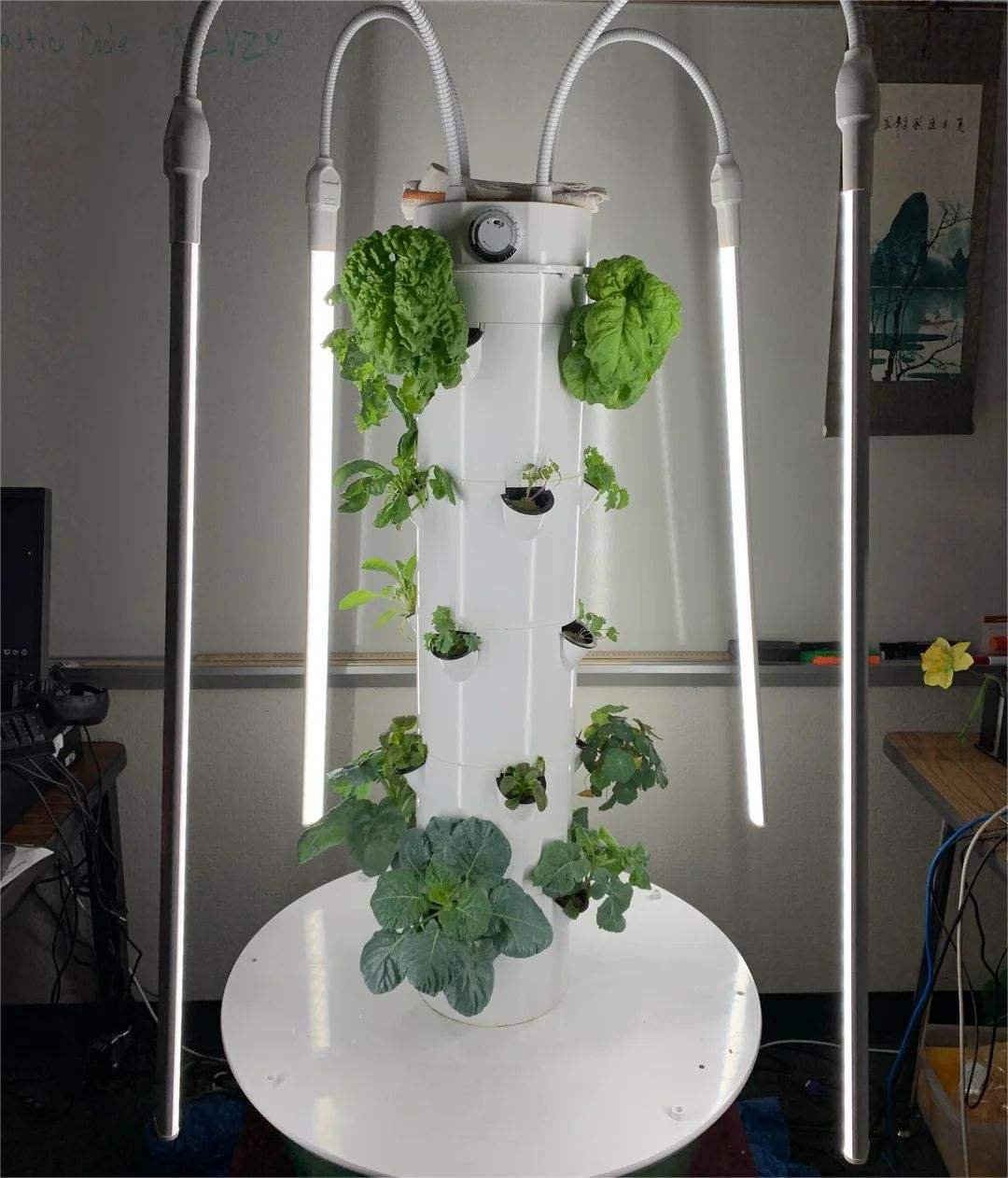
The hydroponic nutrient delivery system forms the nutritional backbone of every successful indoor tomato farm, providing plants with precisely calibrated mineral solutions that promote vigorous growth, enhanced flavor development, and maximum fruit production. Unlike soil-based agriculture where plants must search for nutrients through complex root systems, hydroponic systems deliver essential minerals directly to root zones in perfectly balanced concentrations that plants can immediately absorb and utilize. These sophisticated systems utilize nutrient film technique, deep water culture, or drip irrigation methods to circulate carefully formulated solutions containing nitrogen, phosphorus, potassium, calcium, magnesium, and essential micronutrients in ratios specifically optimized for tomato cultivation. The precision of nutrient delivery eliminates the variability associated with soil quality, pH fluctuations, and nutrient depletion that commonly affect traditional farming operations. Automated monitoring systems continuously test nutrient solution pH levels, electrical conductivity, and individual mineral concentrations, making real-time adjustments to maintain optimal growing conditions throughout the entire growth cycle. This level of control allows growers to customize nutrition programs for different growth stages, providing higher nitrogen concentrations during vegetative growth phases and adjusting to phosphorus-rich formulations during flowering and fruit development periods. The recirculating nature of these systems minimizes waste while maximizing efficiency, as unused nutrient solution returns to reservoirs for filtration, adjustment, and redistribution rather than being lost to soil absorption or runoff. Water quality management includes filtration systems that remove chlorine, sediments, and other contaminants that could interfere with plant health or nutrient absorption. The indoor tomato farm benefits from this controlled nutrition approach through faster growth rates, higher yields, and improved fruit quality compared to soil-based cultivation. Plants grown in optimized hydroponic systems typically exhibit stronger root development, more robust foliage, and increased resistance to stress factors. The ability to adjust nutrient formulations based on plant performance data enables continuous optimization of growing conditions, leading to consistent improvements in productivity and quality. This systematic approach to plant nutrition represents a fundamental advantage of indoor cultivation, providing growers with tools to maximize their investment while producing superior tomatoes that meet the highest market standards.
Year-Round Production Capabilities Eliminate Seasonal Limitations and Market Volatility

Year-Round Production Capabilities Eliminate Seasonal Limitations and Market Volatility

The year-round production capability of an indoor tomato farm fundamentally transforms agricultural economics by eliminating seasonal constraints that have historically limited farming productivity and created market volatility. This continuous production model enables growers to harvest fresh, high-quality tomatoes every month of the year, regardless of external weather conditions, geographic location, or traditional growing seasons that restrict outdoor cultivation. The controlled environment maintains optimal growing conditions during winter months when outdoor temperatures would normally halt plant growth, extending the productive season from a few months to a full 365-day operation. This consistency provides enormous advantages for commercial growers who can establish reliable supply contracts with restaurants, grocery stores, and food service companies that require steady inventory throughout the year. The elimination of seasonal gaps means producers can maintain consistent revenue streams rather than experiencing the feast-or-famine cycles typical of traditional agriculture where harvest periods generate intense income followed by months of minimal or zero production. Market timing advantages allow indoor tomato farm operators to capitalize on seasonal price premiums when outdoor production is unavailable, often commanding significantly higher prices during winter months when fresh, locally-grown tomatoes become scarce. The ability to plan harvest schedules around market demand enables strategic production timing that maximizes profitability and reduces waste associated with oversupply during peak outdoor growing seasons. Multiple harvest cycles per year, typically ranging from four to six complete growing cycles, multiply annual yield potential compared to single-season outdoor operations. This production intensity requires careful planning and rotation management but delivers exceptional return on investment for properly managed facilities. The predictability of indoor production eliminates weather-related crop failures that can devastate traditional farms, providing financial security and enabling long-term business planning with confidence. Insurance costs typically decrease for indoor operations due to reduced risk factors, while banks and investors view these facilities more favorably due to their consistent production capabilities and predictable cash flows. The indoor tomato farm model supports local food systems by providing fresh produce during months when regional outdoor production is impossible, reducing transportation costs and supporting community food security initiatives. This production reliability creates opportunities for premium branding and direct-to-consumer sales that capitalize on the superior quality and freshness advantages of locally-grown, pesticide-free tomatoes available throughout the entire year.

Get a Free Quote

Our representative will contact you soon.
Email
Name
Company Name
Message
0/1000