hydroponic seedling tray
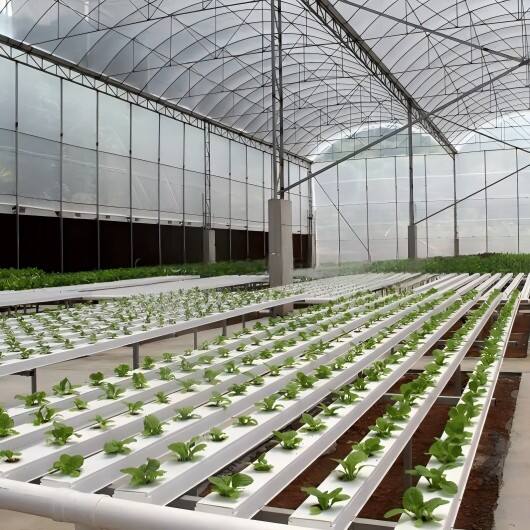
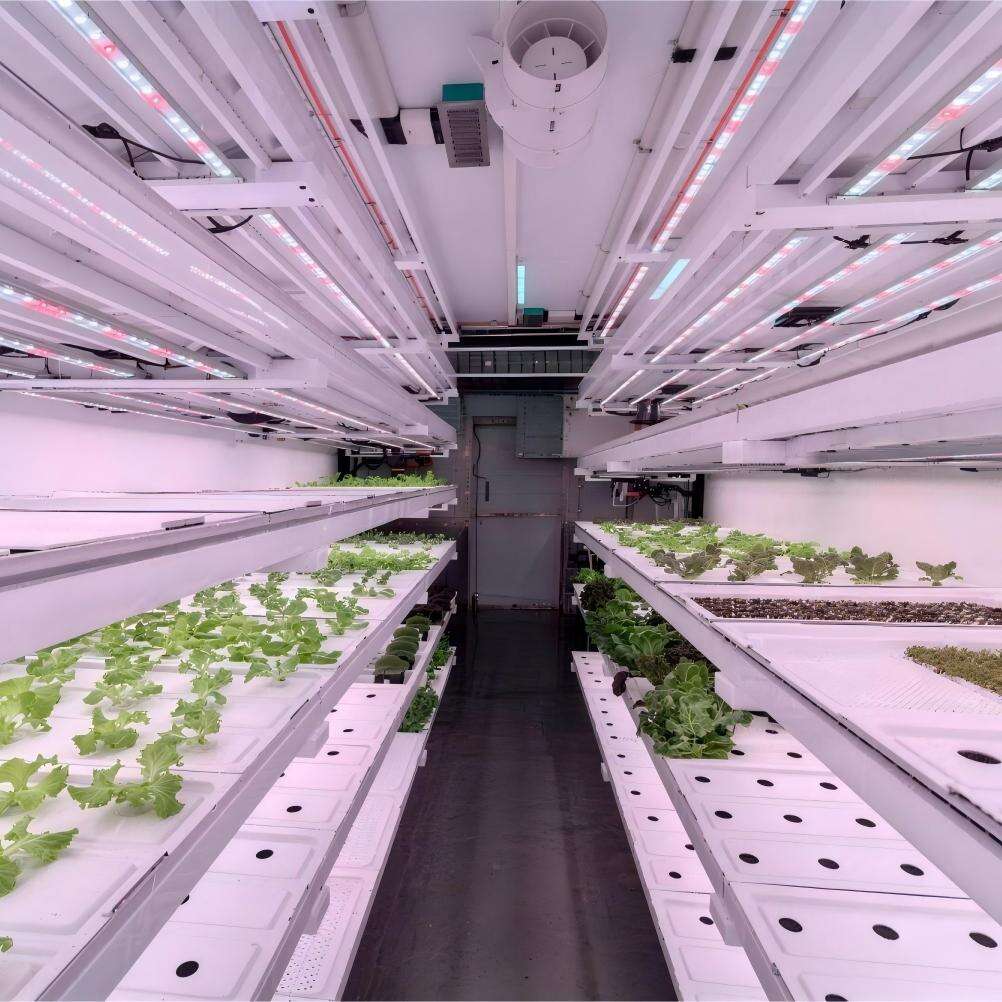
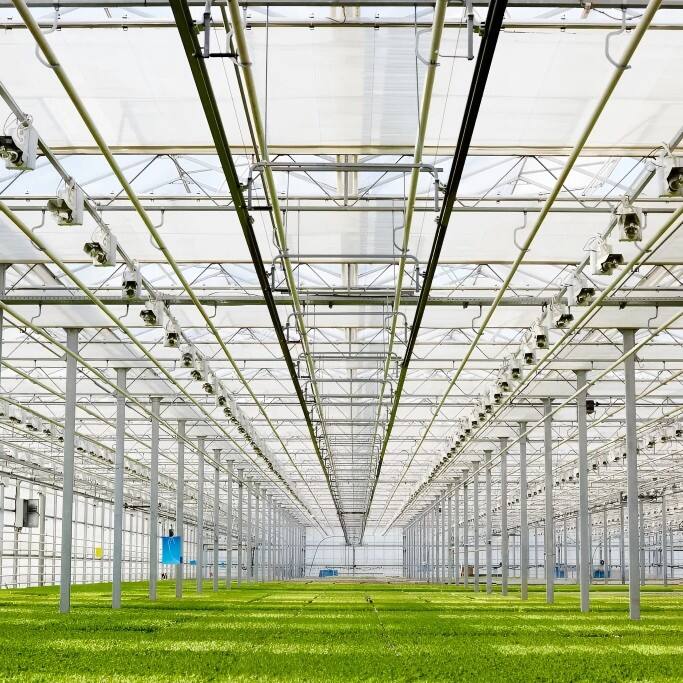
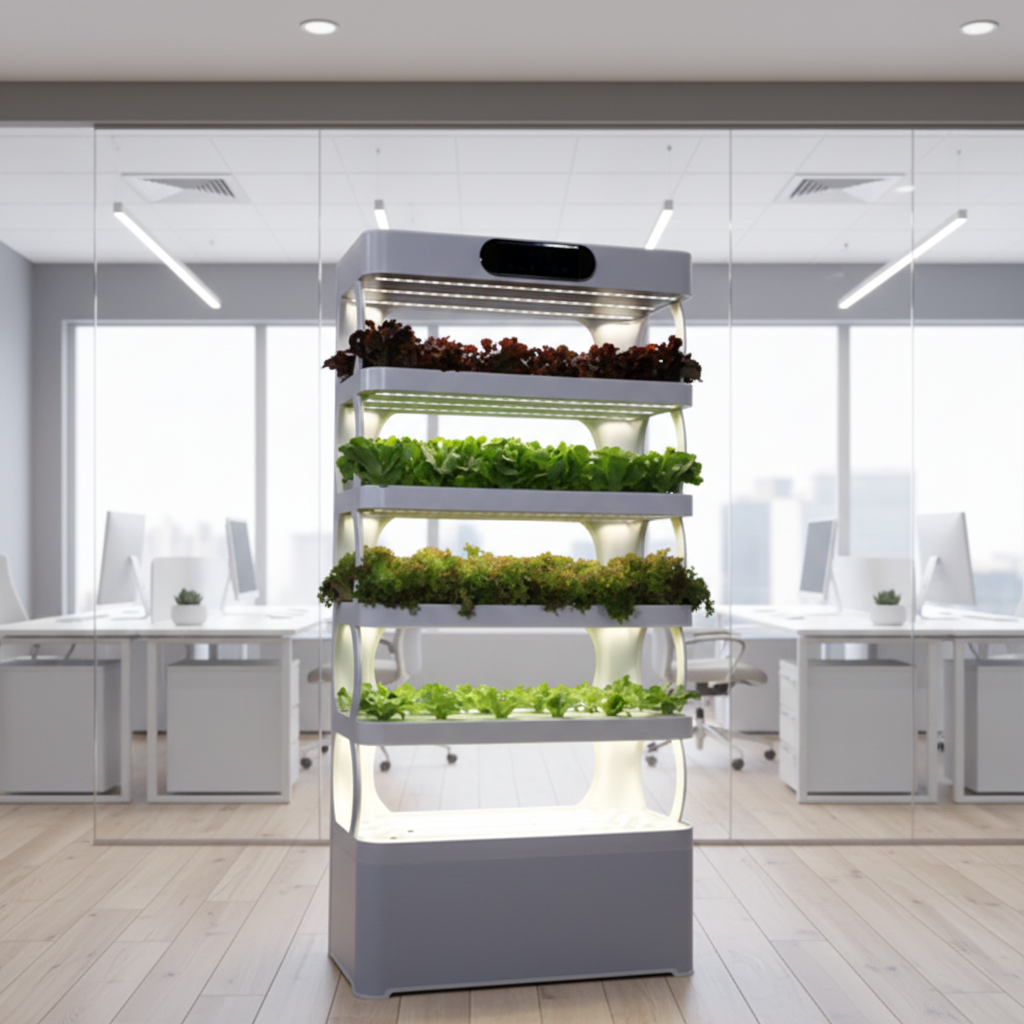
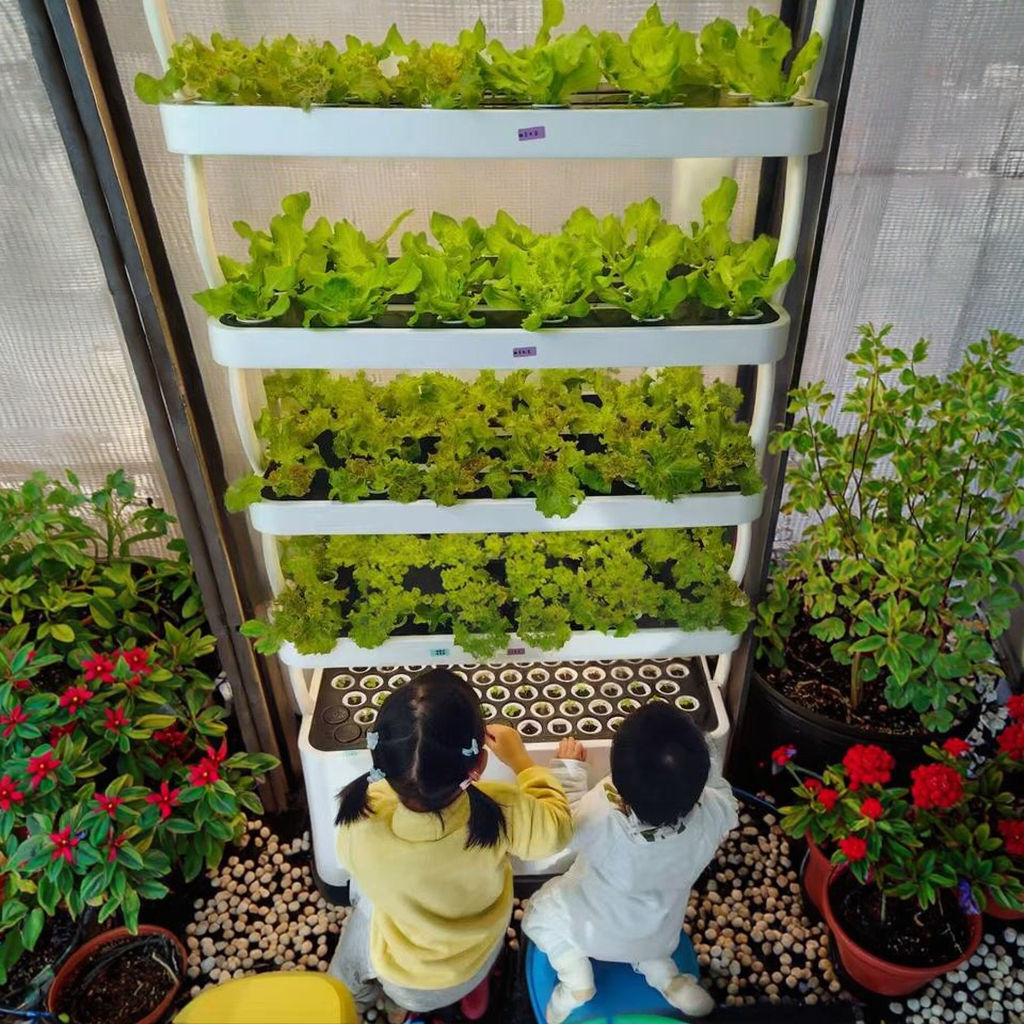
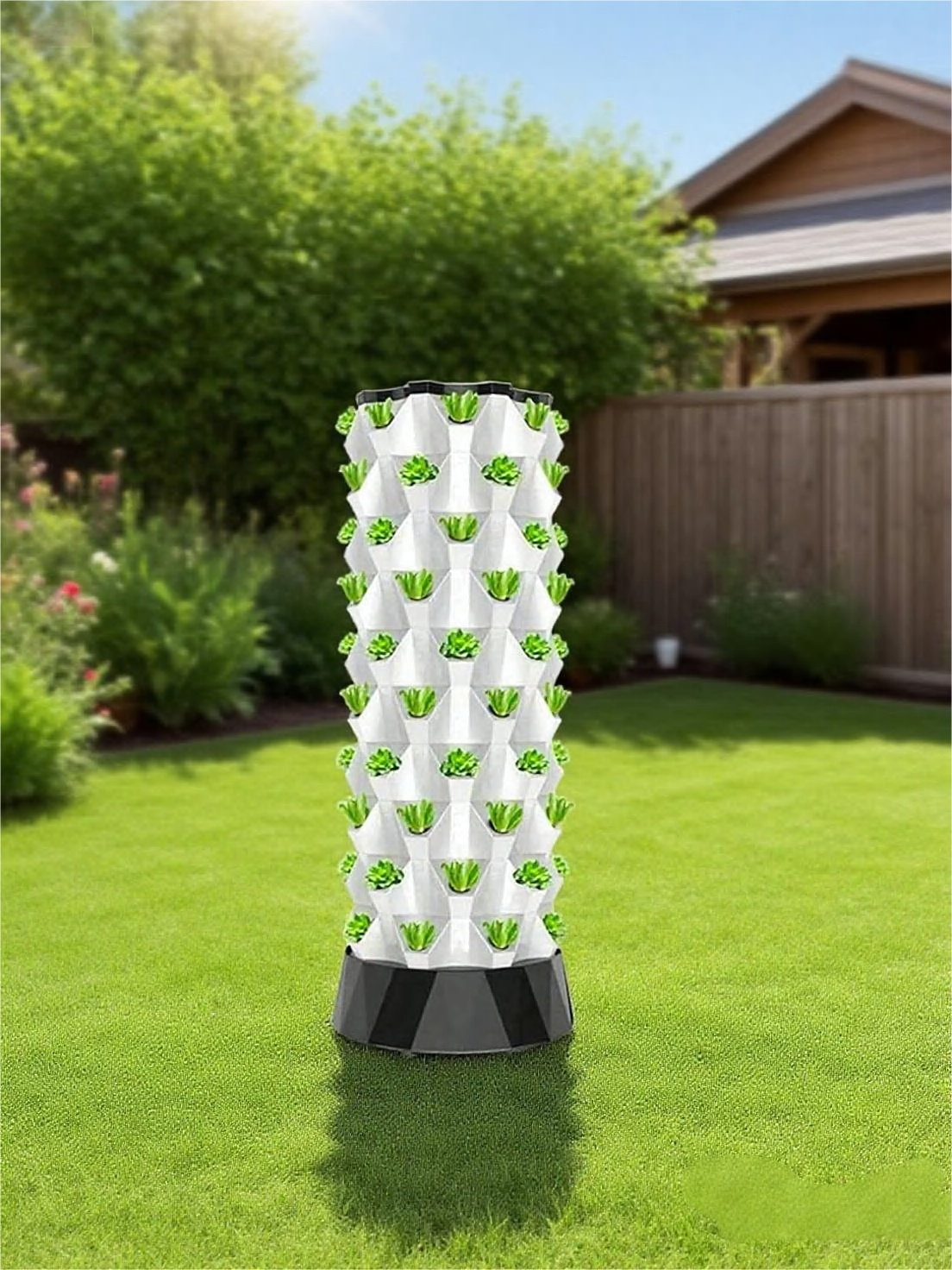
The hydroponic seedling tray represents a revolutionary approach to plant propagation and early-stage cultivation, designed specifically for soilless growing systems. This innovative agricultural tool serves as the foundation for successful hydroponic operations, providing optimal conditions for seed germination and seedling development. The hydroponic seedling tray functions as a sophisticated growing platform that eliminates the need for traditional soil-based methods, instead utilizing nutrient-rich water solutions to nourish developing plants from their earliest stages. These specialized trays feature precisely engineered cell configurations that ensure proper spacing, drainage, and root development for various plant species. The technological features of the hydroponic seedling tray include advanced drainage systems, optimal cell depth measurements, and compatibility with automated irrigation networks. Each tray incorporates strategically placed drainage holes that prevent waterlogging while maintaining adequate moisture levels essential for healthy seedling growth. The materials used in construction typically consist of food-grade plastics or recycled polymers that resist degradation from nutrient solutions and cleaning chemicals. Modern hydroponic seedling tray designs integrate seamlessly with climate-controlled environments, greenhouse operations, and commercial growing facilities. The applications for hydroponic seedling trays span across multiple agricultural sectors, including commercial vegetable production, herb cultivation, flower farming, and research facilities. These trays prove particularly valuable for leafy greens, tomatoes, peppers, cucumbers, and various microgreens that benefit from controlled growing conditions. The standardized dimensions of most hydroponic seedling trays allow for efficient use of growing space and compatibility with existing hydroponic systems. Professional growers utilize these trays to achieve higher germination rates, reduce transplant shock, and maintain consistent crop quality throughout the production cycle.
 ×
×

 EN
EN