Versatile Applications Across Multiple Growing Environments
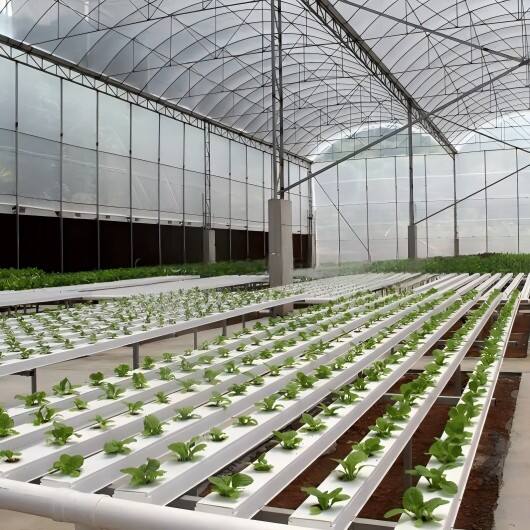
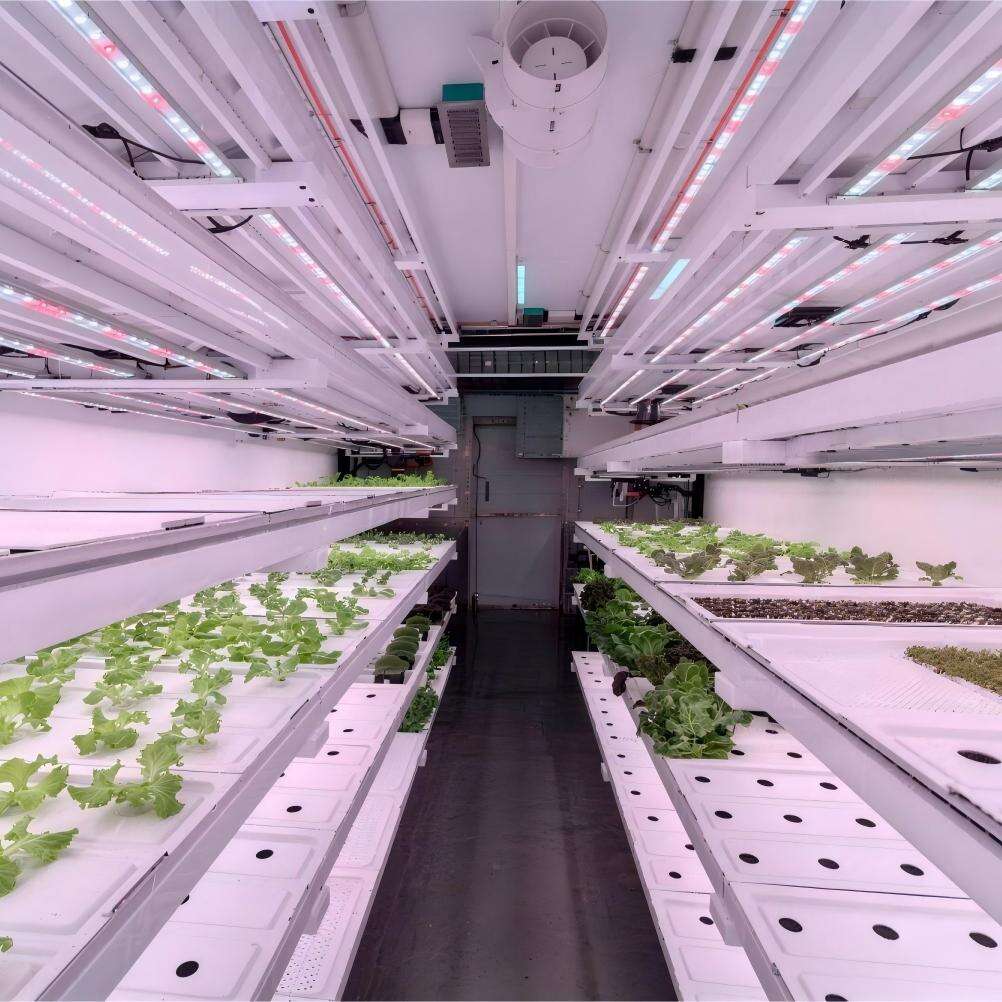
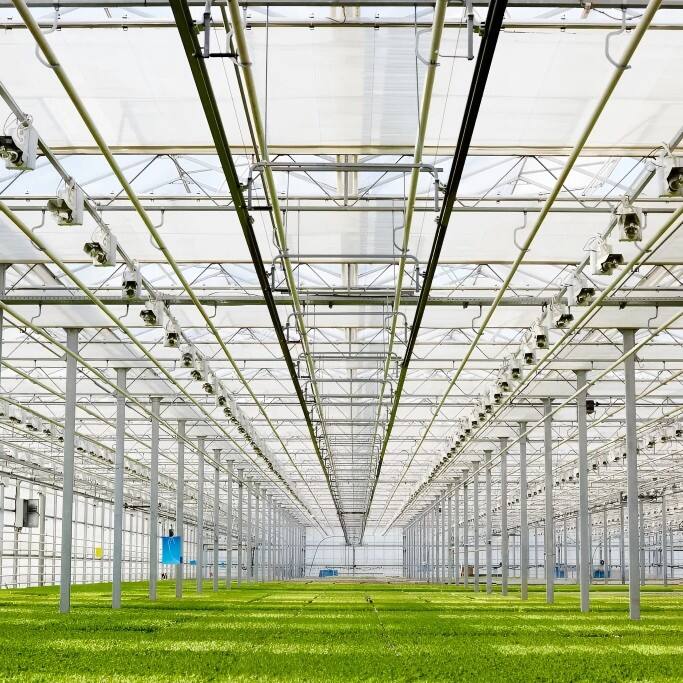
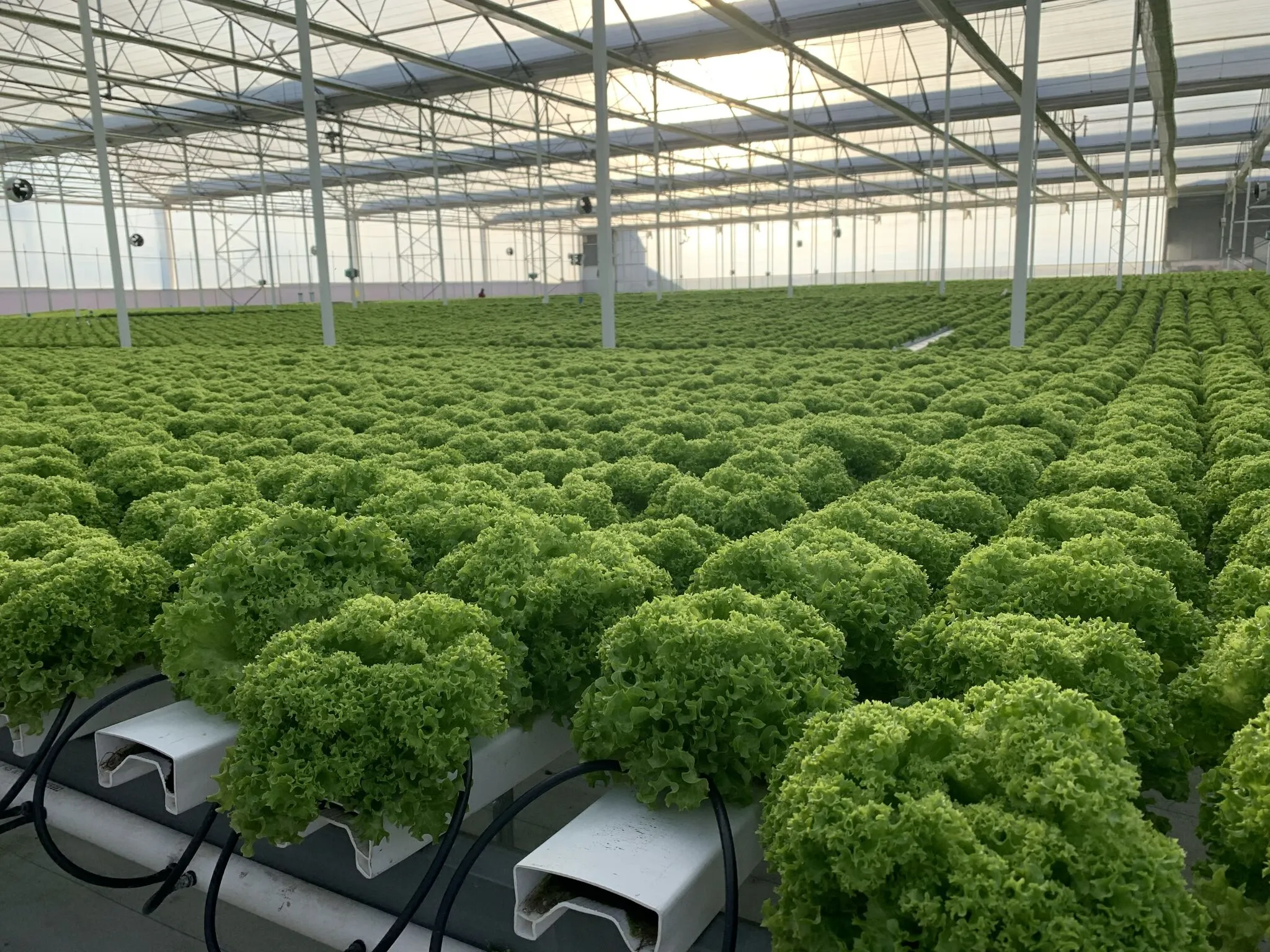
The remarkable versatility of growing seed trays makes them indispensable tools across diverse agricultural and horticultural applications, from small-scale hobby gardens to large commercial production facilities. In greenhouse operations, growing seed trays integrate seamlessly with automated seeding, watering, and transplanting systems that rely on standardized dimensions and consistent performance characteristics. These systems can process thousands of trays daily, making large-scale vegetable and ornamental plant production economically viable. The uniform spacing provided by growing seed trays ensures optimal light distribution and air circulation in dense growing environments, preventing the disease issues commonly associated with overcrowded conditions. Commercial nurseries depend on growing seed trays for producing consistent, high-quality transplants that meet strict customer specifications for size, root development, and overall plant health. The ability to precisely control plant spacing, nutrition delivery, and environmental conditions within each cell enables nurseries to guarantee uniform crops that command premium prices in competitive markets. Educational institutions utilize growing seed trays extensively for hands-on learning experiences that teach students fundamental principles of plant biology, agriculture, and environmental science. The clear organization and manageable scale of tray-based growing systems help students understand plant development processes while developing practical skills applicable to career paths in agriculture, horticulture, and environmental management. Research facilities rely on growing seed trays for controlled experiments that require precise replication and standardized growing conditions. The ability to minimize variables between individual plants enhances the reliability of research data and enables scientists to draw meaningful conclusions about plant genetics, nutrition, and environmental responses. Home gardeners appreciate the convenience and organization that growing seed trays bring to their planting routines, allowing them to start larger numbers of plants in limited space while maintaining easy access for daily care and monitoring. Urban gardening initiatives particularly benefit from the space efficiency and portability of growing seed trays, enabling food production in areas with limited soil access or seasonal growing restrictions. The standardized sizing of most growing seed trays ensures compatibility with existing infrastructure and equipment, allowing users to expand their operations without requiring complete system overhauls.
 ×
×

 EN
EN