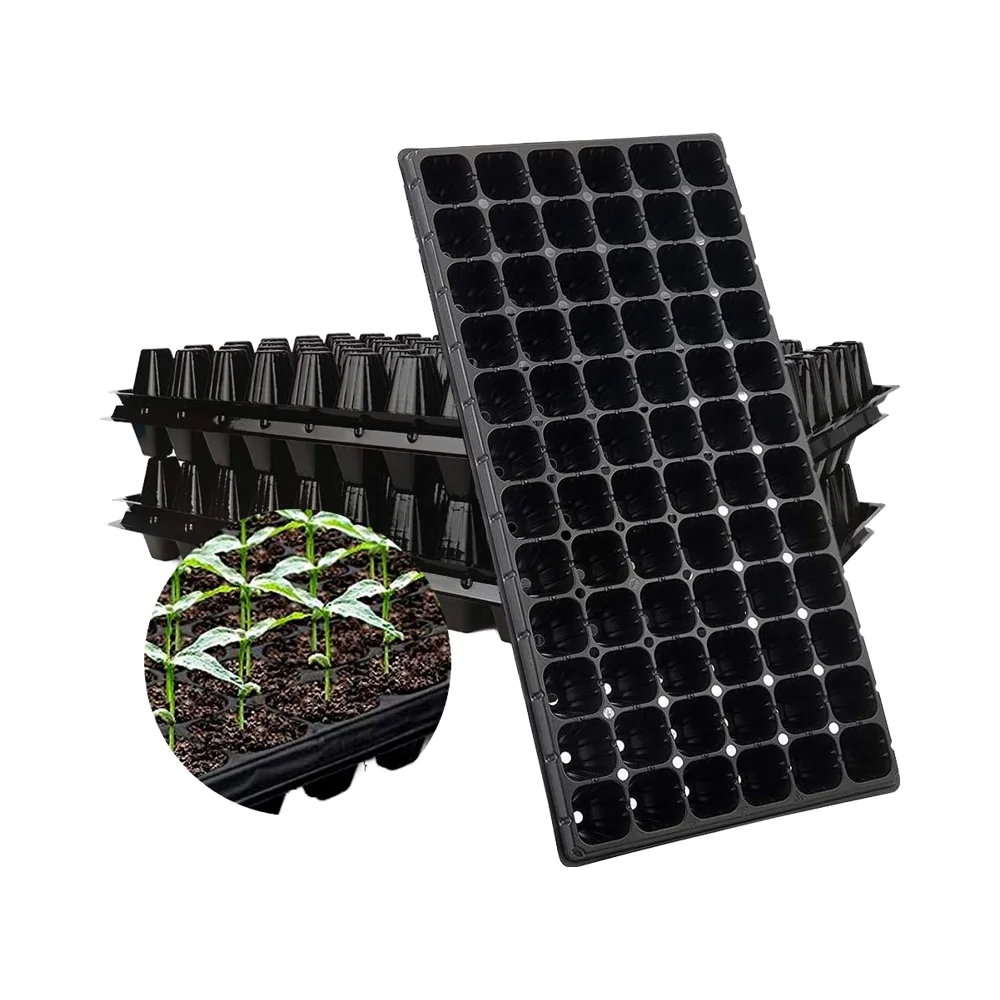
Modular Design and Space Optimization
The modular design philosophy underlying contemporary seed raising trays provides unprecedented flexibility and efficiency in space utilization, making these systems adaptable to virtually any growing environment or operational scale. This innovative approach to container design addresses the diverse needs of modern gardeners, from apartment dwellers with limited space to commercial operations requiring systematic plant production. The modular construction allows multiple trays to be stacked, nested, or arranged in various configurations to maximize growing space within available areas. This space optimization capability proves particularly valuable in greenhouse operations where every square foot of growing space directly impacts profitability. The standardized dimensions of modular seed raising trays enable efficient use of growing benches, shelving systems, and transportation equipment, streamlining operations and reducing handling time. The interlocking or stackable features of many tray designs facilitate easy storage during off-seasons, requiring minimal space for equipment storage compared to traditional propagation containers. This efficient storage capability appeals to home gardeners with limited shed or garage space, as well as commercial operations seeking to minimize storage costs. The modular design extends beyond physical configuration to include functional versatility, with many systems offering interchangeable components such as different cell sizes, drainage configurations, or specialized growing inserts for specific crop types. This adaptability allows users to customize their seed raising trays for different applications without investing in completely separate systems. The systematic nature of modular seed raising trays also improves organization and tracking capabilities, enabling gardeners to maintain detailed records of planting dates, varieties, and performance metrics across multiple growing cycles. Professional operations particularly benefit from the standardization that modular design provides, allowing for precise scheduling, resource planning, and quality control measures. The scalability inherent in modular systems means that operations can expand or contract their capacity by simply adding or removing tray units, providing economic flexibility in response to market demands or seasonal variations. This adaptability ensures that seed raising trays remain practical and cost-effective investments regardless of changing operational requirements or growing ambitions.
 ×
×


 EN
EN