Efficient Space Utilization and Scalability
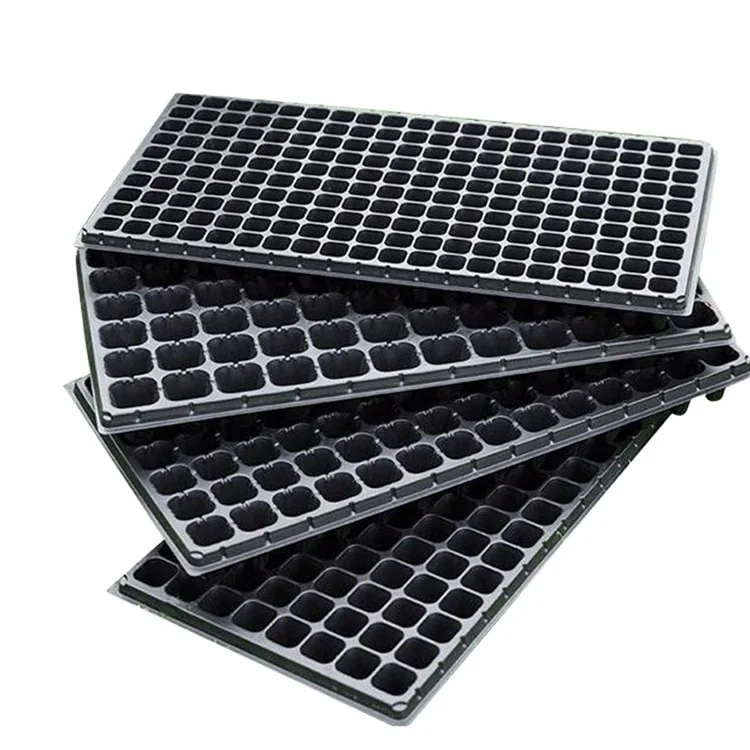
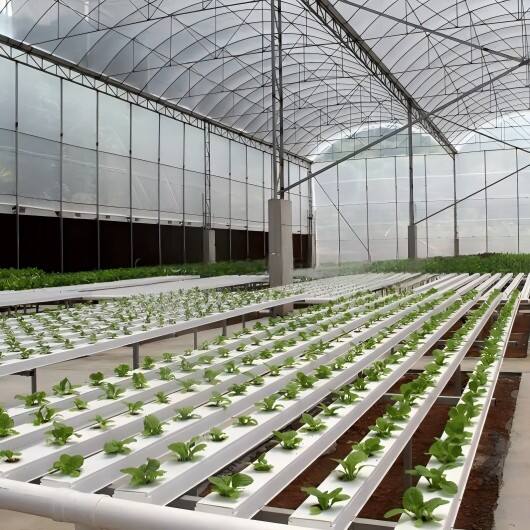
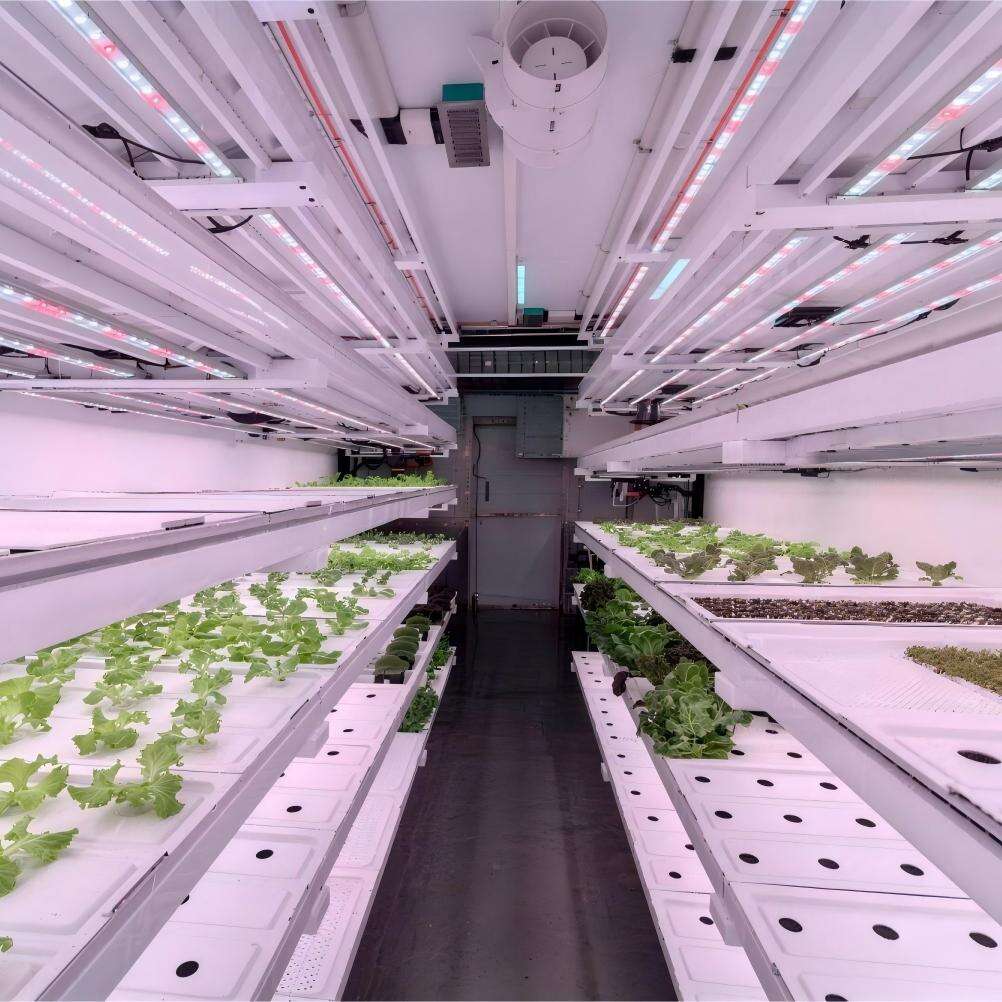
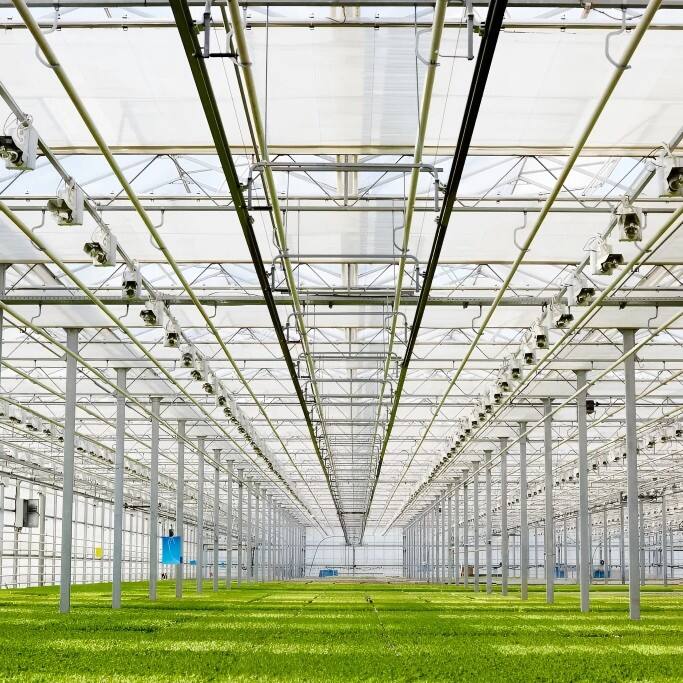
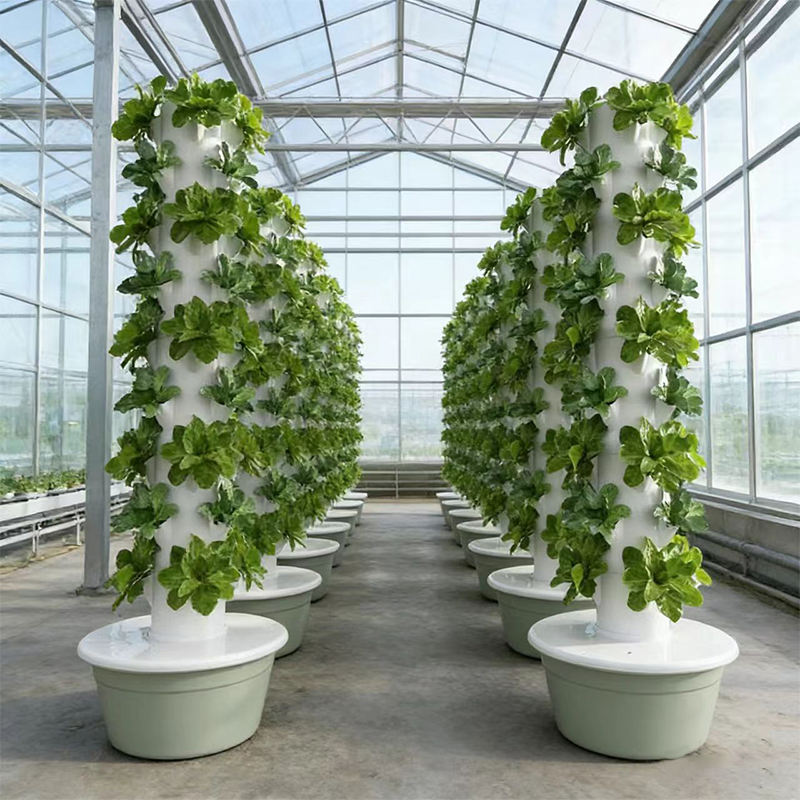
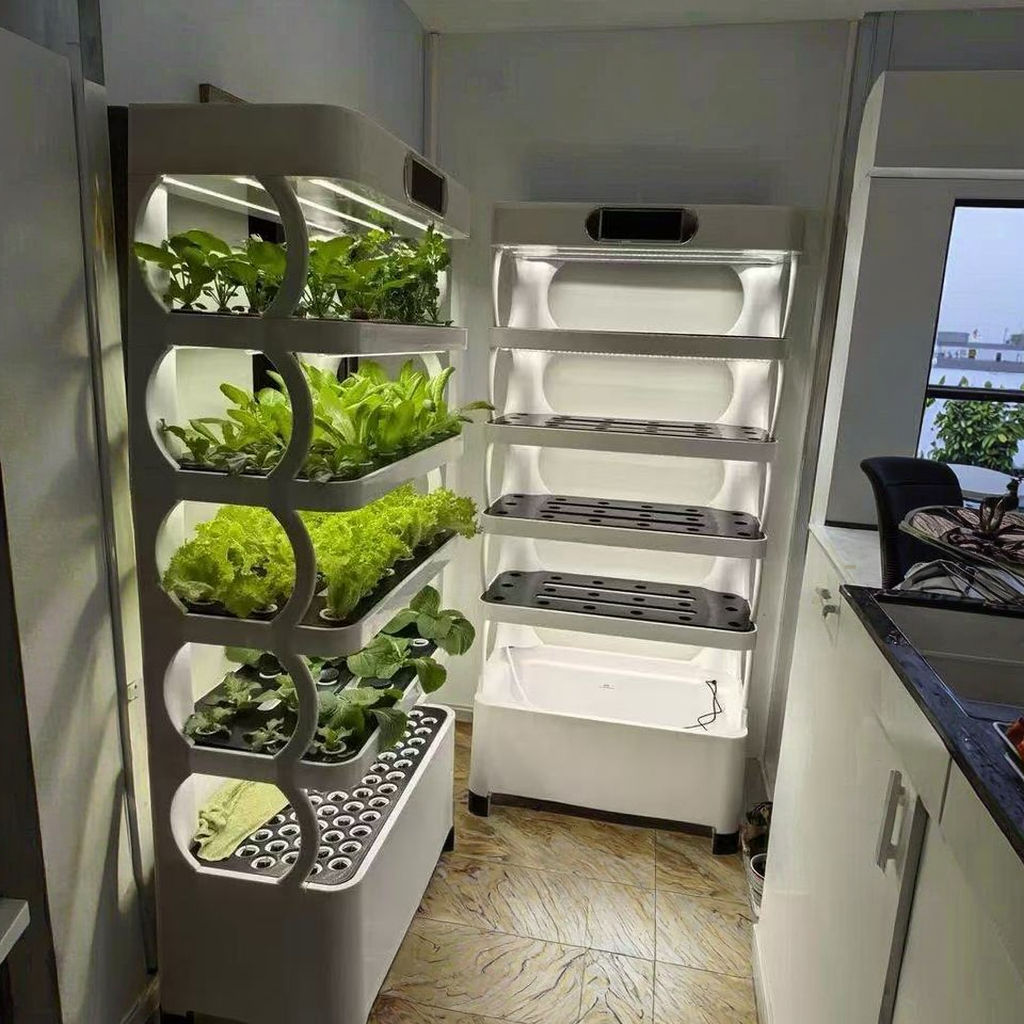
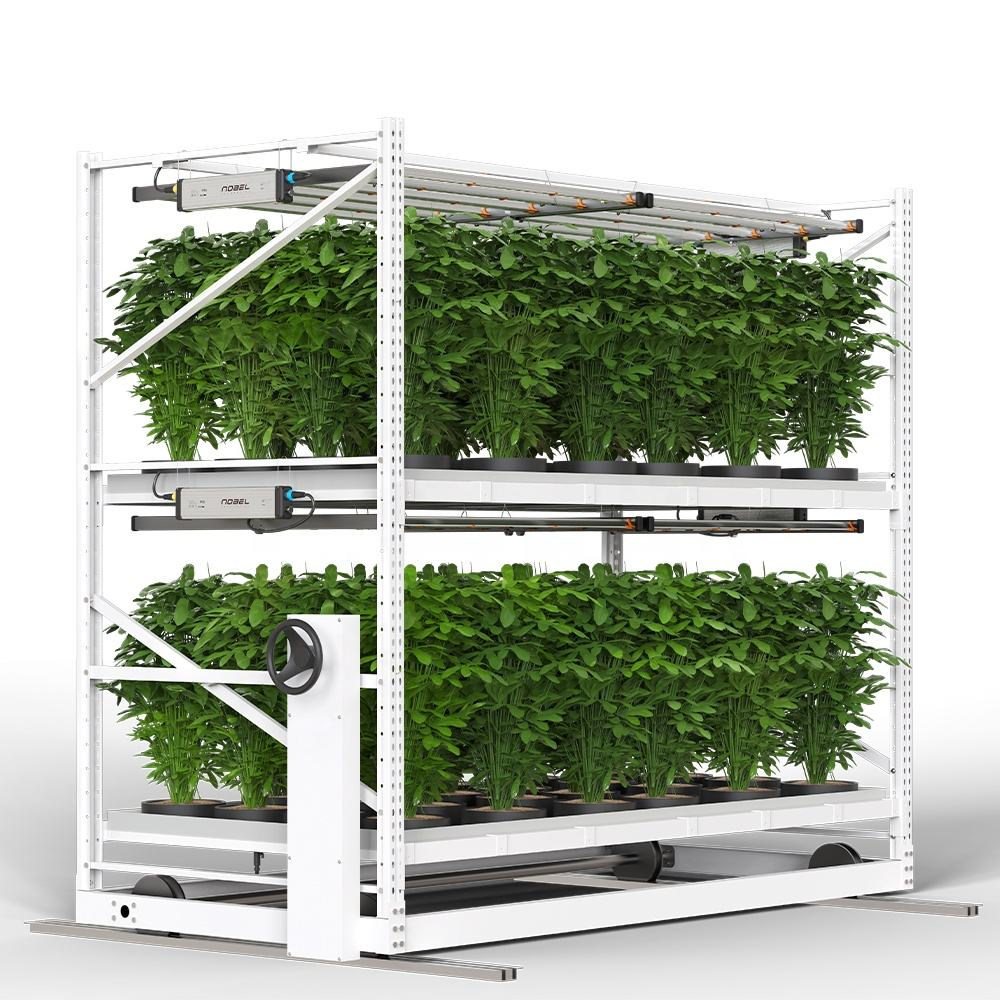
Hydroponic seed trays excel in maximizing space utilization and providing scalable growing solutions that accommodate everything from small home gardens to large commercial operations with remarkable efficiency and flexibility. The compact design of these specialized containers allows growers to achieve significantly higher plant density per square foot compared to traditional ground-based growing methods, making them ideal for urban environments, greenhouse operations, and indoor growing facilities where space represents a premium resource. The stackable nature of many hydroponic seed tray systems enables vertical growing configurations that multiply growing capacity without requiring additional floor space, allowing operations to scale upward rather than outward when expansion becomes necessary. This vertical scalability proves particularly valuable for commercial growers who need to increase production without investing in larger facilities or additional land purchases. The modular design inherent in hydroponic seed tray systems allows growers to customize their operations precisely to match available space and production requirements, adding or removing tray units as needed without major infrastructure modifications. This flexibility enables seasonal adjustments, crop rotation strategies, and responsive scaling based on market demand fluctuations. The organized grid pattern of hydroponic seed trays facilitates systematic plant management, making it easier to monitor individual plants, apply targeted treatments, and maintain consistent care standards across entire growing operations. This organization translates directly into labor efficiency improvements and reduced operational costs. The portability features built into many hydroponic seed tray designs allow growers to relocate growing operations as needed, whether moving plants to different environmental conditions, optimizing light exposure, or preparing for transplanting procedures. The standardized dimensions of hydroponic seed trays ensure compatibility with automated handling systems, conveyor equipment, and robotic management tools that further enhance scalability potential for commercial operations. Space planning becomes more precise with hydroponic seed trays, as growers can calculate exact capacity requirements and optimize layout configurations to maximize productivity within available areas. The reduced footprint required for support infrastructure, such as irrigation lines and nutrient delivery systems, leaves more space available for actual plant production, improving overall facility utilization rates and return on investment calculations.
 ×
×

 EN
EN