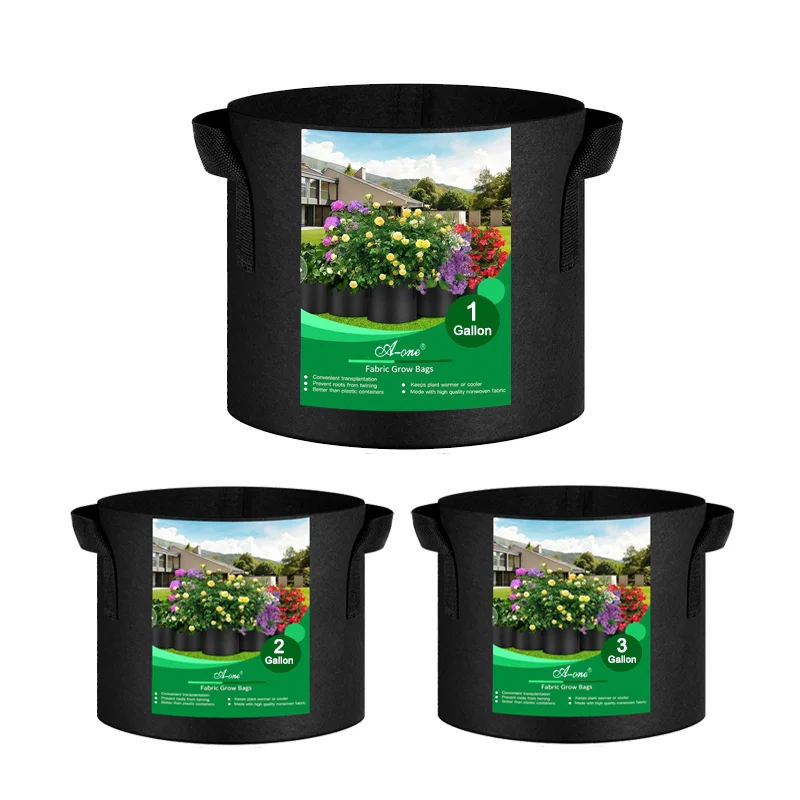
Professional Seeding Tray Systems - Premium Growing Solutions for Enhanced Plant Production

Get a Free Quote

Our representative will contact you soon.
Email
Name
Company Name
Message
0/1000

seeding tray

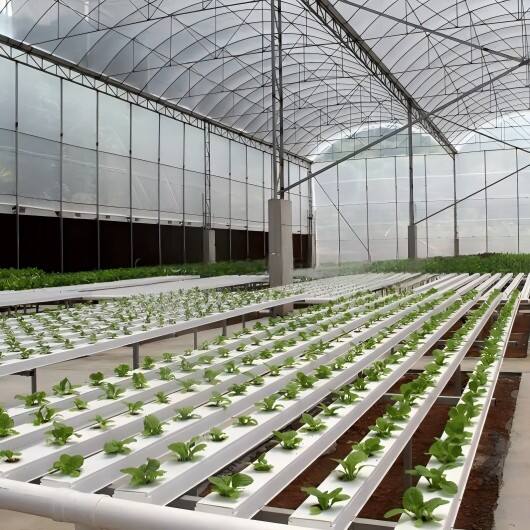
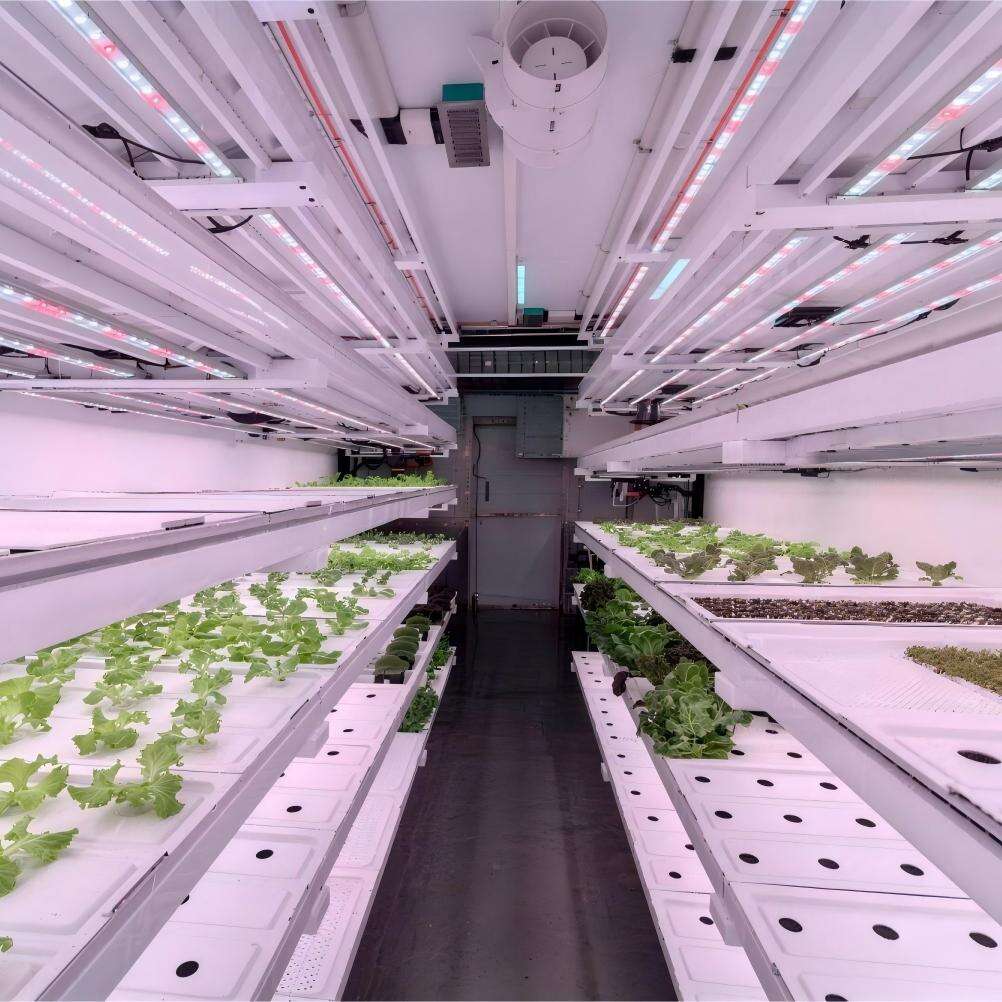
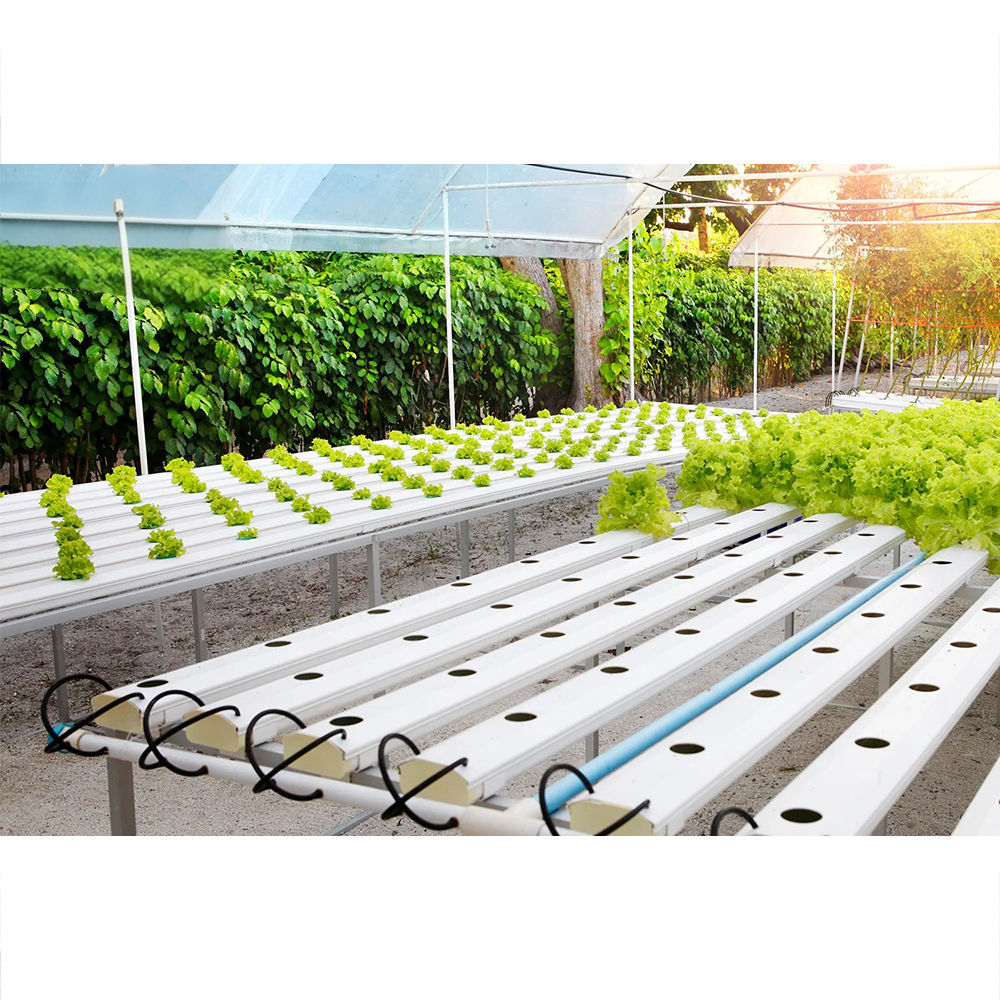
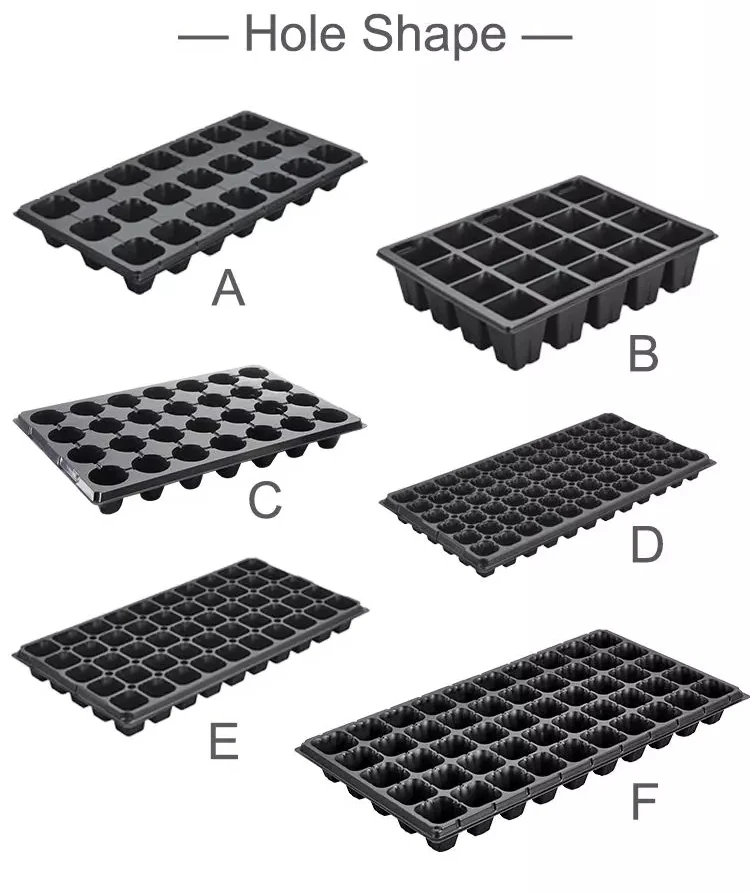
A seeding tray represents an essential horticultural tool designed to facilitate the germination and early growth stages of plants from seeds. This specialized container system provides controlled environments for seedling development, making it indispensable for both commercial nurseries and home gardening enthusiasts. The seeding tray incorporates multiple individual cells or compartments that isolate seeds during germination, preventing root entanglement and ensuring uniform growth conditions. Modern seeding tray designs feature drainage systems that prevent waterlogging while maintaining optimal moisture levels for seed development. The technological advancement in seeding tray manufacturing has introduced materials that offer superior durability, UV resistance, and thermal regulation properties. These trays typically utilize high-grade polystyrene or biodegradable materials that can withstand repeated use cycles while maintaining structural integrity. The cell configuration varies from 72 to 288 cells per tray, accommodating different seed sizes and plant varieties. Each cell within the seeding tray contains precisely calculated volume specifications to support root development without restricting growth. The tapered design of individual cells facilitates easy transplanting while minimizing root disturbance. Applications for seeding tray systems span across commercial agriculture, greenhouse operations, research facilities, and residential gardening projects. Vegetable producers rely on seeding tray technology to establish consistent crop timing and maximize growing space efficiency. Flower growers utilize these systems to create uniform bedding plants and seasonal displays. The seeding tray methodology enables precise seed spacing, reduces seed waste, and improves germination rates compared to traditional broadcasting methods. Research institutions employ seeding tray systems for controlled experiments and variety testing programs. The standardized dimensions of most seeding tray products ensure compatibility with automated seeding equipment and greenhouse bench systems, streamlining production workflows and reducing labor requirements.

Popular Products

The seeding tray offers numerous practical benefits that significantly improve planting success rates and operational efficiency for growers at all levels. Space optimization stands as one of the primary advantages, allowing users to cultivate substantially more plants within limited growing areas compared to traditional planting methods. This compact design maximizes greenhouse bench space and enables vertical growing arrangements that multiply production capacity. The controlled environment within each cell creates ideal conditions for seed germination, resulting in higher success rates and more predictable crop timing. Root development receives optimal support through the specialized cell design, which encourages healthy root formation while preventing the tangling issues common in broadcast seeding. Transplanting becomes remarkably easier with seeding tray systems, as the tapered cell walls allow for clean removal of seedlings with intact root balls, reducing transplant shock and improving establishment rates in final growing locations. Water management improves dramatically through built-in drainage systems that prevent oversaturation while maintaining consistent moisture levels throughout the germination period. Labor efficiency increases substantially when using seeding tray systems, as workers can handle multiple plants simultaneously during transplanting operations and monitor large numbers of seedlings quickly during daily maintenance routines. Cost savings emerge from reduced seed waste, as each seed receives individual attention and optimal growing conditions, eliminating the need for overseeding to compensate for poor germination rates. Quality control becomes more manageable with seeding tray systems, enabling growers to identify and address problems early in the development process before they affect entire crops. The standardized sizing of most seeding tray products ensures compatibility with existing greenhouse equipment, reducing the need for specialized handling tools or modified growing systems. Timing control reaches new levels of precision, as uniform growing conditions produce seedlings that develop at consistent rates, facilitating coordinated planting schedules and harvest timing. Disease management improves through the isolation of individual plants, preventing the rapid spread of pathogens that can devastate closely spaced seedlings in traditional growing methods.

Tips And Tricks

Hydroponic Vertical Farming_ Empowering Legal Cultivation Markets Globally

09

Feb

Hydroponic Vertical Farming_ Empowering Legal Cultivation Markets Globally

View More
Planting Containers: Unlocking New Possibilities for Smart Agriculture, Creating Efficient and Movable Planting Spaces

11

Mar

Planting Containers: Unlocking New Possibilities for Smart Agriculture, Creating Efficient and Movable Planting Spaces

View More
Vertical Farming Machines, Greenhouse Cultivation & Hydroponics: Reshaping the Future of Agriculture

09

Feb

Vertical Farming Machines, Greenhouse Cultivation & Hydroponics: Reshaping the Future of Agriculture

View More

Get a Free Quote

Our representative will contact you soon.
Email
Name
Company Name
Message
0/1000

seeding tray

Advanced Cell Design Technology

Advanced Cell Design Technology

The revolutionary cell architecture of modern seeding tray systems represents a significant breakthrough in horticultural engineering, incorporating scientifically optimized dimensions and geometries that maximize plant development potential. Each individual cell within the seeding tray features precisely calculated volume specifications based on extensive research into root development patterns and seedling growth requirements. The tapered profile of these cells serves multiple critical functions, beginning with the facilitation of optimal root development through controlled space restriction that encourages robust, fibrous root systems rather than elongated tap roots that can become problematic during transplanting. The cell walls incorporate subtle ridging patterns that guide root growth downward while preventing circular root formation that can stunt plant development. Drainage capabilities integrate seamlessly into the cell design through strategically positioned holes that maintain proper moisture balance without creating waterlogged conditions that promote fungal diseases. The material composition of these cells utilizes advanced polymer blends that provide excellent thermal regulation properties, protecting developing seedlings from temperature fluctuations that can stress young plants. UV stabilization treatments ensure long-term durability even under intense greenhouse lighting conditions, maintaining structural integrity through multiple growing seasons. The spacing between individual cells optimizes air circulation around developing seedlings, reducing humidity buildup that often leads to damping-off diseases in crowded growing conditions. Bottom drainage systems work in conjunction with the tapered cell design to create ideal growing environments that encourage vigorous root development while preventing water stagnation. The smooth interior surfaces of each cell prevent root damage during transplanting operations, ensuring that seedlings maintain their full growth potential when moved to permanent growing locations. This advanced cell design technology transforms the seeding tray into a precision growing instrument that delivers consistent results across diverse plant varieties and growing conditions.
Superior Material Engineering

Superior Material Engineering

The exceptional material engineering behind contemporary seeding tray construction revolutionizes durability and performance standards in commercial and residential growing operations. High-grade polystyrene formulations provide the foundation for these advanced growing systems, incorporating specialized additives that enhance flexibility, impact resistance, and thermal stability across wide temperature ranges. The material selection process prioritizes food-safe compounds that eliminate concerns about chemical leaching into growing media or developing plant tissues, ensuring complete safety for edible crop production. UV stabilization technology embedded within the polymer matrix prevents degradation from intense sunlight exposure, maintaining the seeding tray's structural integrity and optical clarity throughout extended use periods. Thermal expansion characteristics receive careful engineering attention, ensuring that seeding tray dimensions remain stable across seasonal temperature variations that could otherwise compromise cell alignment and drainage functions. The material thickness specifications balance durability requirements with weight considerations, creating seeding tray products that withstand repeated handling while remaining manageable for daily operations. Chemical resistance properties protect against degradation from fertilizers, pesticides, and cleaning solutions commonly used in greenhouse environments, extending the useful life of each seeding tray significantly beyond conventional alternatives. Flexibility engineering prevents cracking under stress while maintaining sufficient rigidity to support fully developed seedling root balls during transplanting operations. The manufacturing process incorporates quality control measures that ensure consistent wall thickness and dimensional accuracy across all cells within each seeding tray unit. Recyclability considerations influence material selection, enabling responsible disposal or repurposing at the end of the product lifecycle. Surface tension properties facilitate easy cleaning and sterilization procedures, supporting integrated pest management and disease prevention protocols. The advanced material engineering transforms each seeding tray into a reliable, long-lasting investment that delivers consistent performance across multiple growing seasons while supporting sustainable horticultural practices.
Versatile Application Compatibility

Versatile Application Compatibility

The remarkable versatility of modern seeding tray systems enables seamless integration across diverse growing environments and cultivation methods, making these tools invaluable for operations ranging from small-scale hobby gardens to large commercial production facilities. Greenhouse compatibility represents one of the most significant advantages, as standardized seeding tray dimensions align perfectly with conventional bench systems, automated conveyor equipment, and climate control infrastructure found in professional growing facilities. The modular nature of seeding tray design allows for flexible arrangement configurations that maximize space utilization while accommodating specific crop requirements and workflow patterns. Automated seeding equipment compatibility eliminates bottlenecks in high-volume operations, as precision seeding machines can deposit seeds directly into individual cells with remarkable accuracy and speed. Irrigation system integration becomes effortless through standardized drainage patterns that work effectively with both overhead watering systems and sub-irrigation methods commonly employed in commercial operations. The seeding tray design accommodates diverse growing media types, from traditional peat-based mixes to modern coir and rockwool alternatives, providing flexibility for growers who prefer specific substrate combinations. Transplanting equipment compatibility ensures smooth workflow transitions from seeding to final planting, as mechanized transplanters can handle seeding tray-grown seedlings efficiently without modifications or special attachments. Indoor growing system compatibility extends to hydroponic and aeroponic setups, where seeding tray-started plants transition seamlessly into soilless growing environments. Climate control system compatibility allows for precise environmental management during the critical germination period, as seeding tray dimensions work effectively with heating mats, humidity domes, and ventilation systems. Research application compatibility makes seeding tray systems valuable for agricultural studies, breeding programs, and variety trials where consistent growing conditions and easy data collection are essential. The universal compatibility of seeding tray systems eliminates the need for specialized equipment investments while ensuring optimal growing conditions across diverse horticultural applications and production scales.
Get a Free Quote

Our representative will contact you soon.
Email
Name
Company Name
Message
0/1000