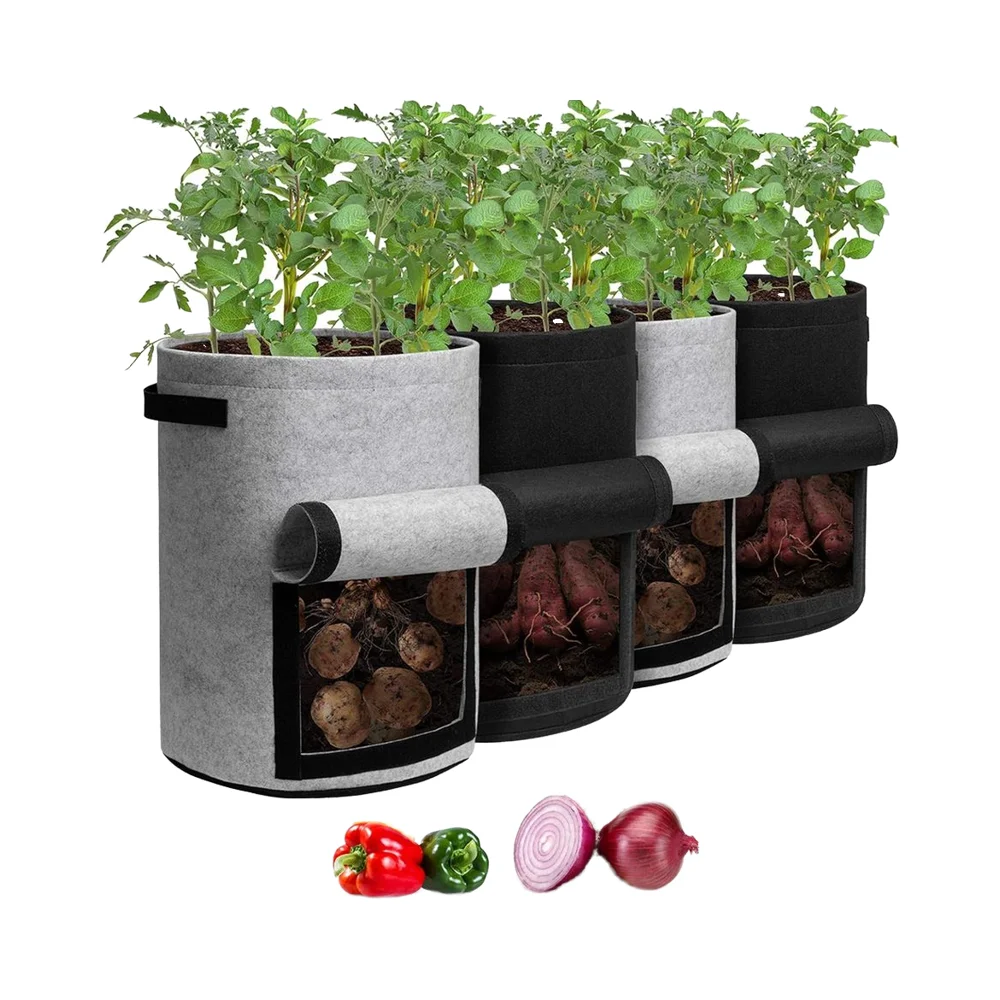
Hydroponic Vegetable Tower: Revolutionary Vertical Farming System for Maximum Space Efficiency and Year-Round Production

Get a Free Quote

Our representative will contact you soon.
Email
Name
Company Name
Message
0/1000

hydroponic vegetable tower

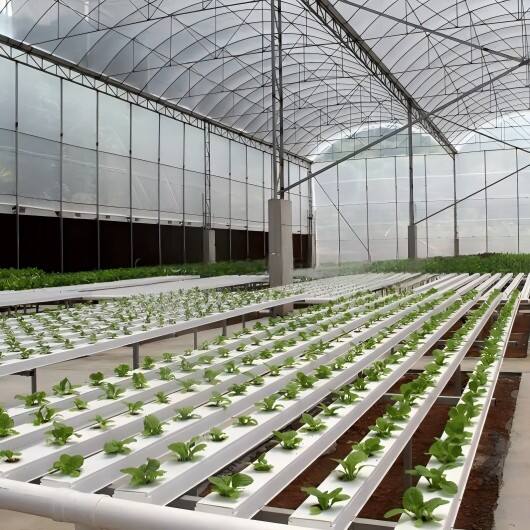
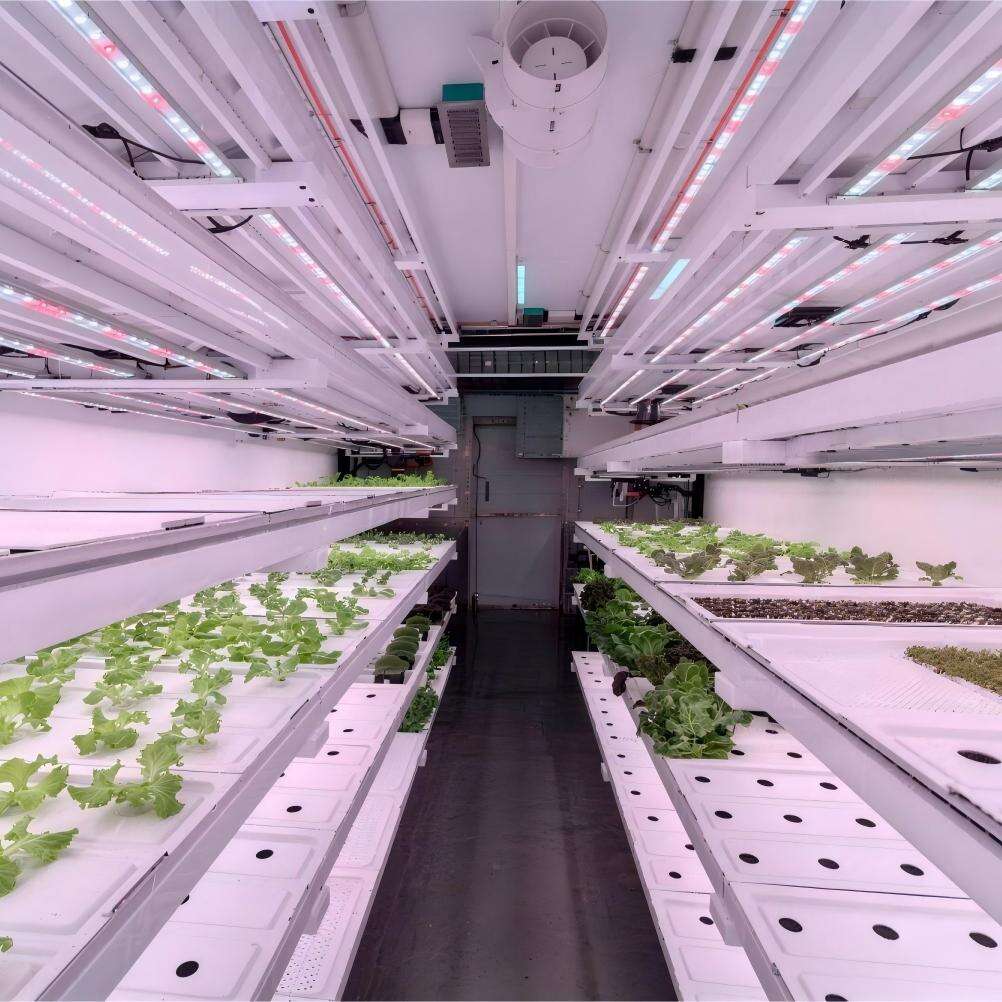
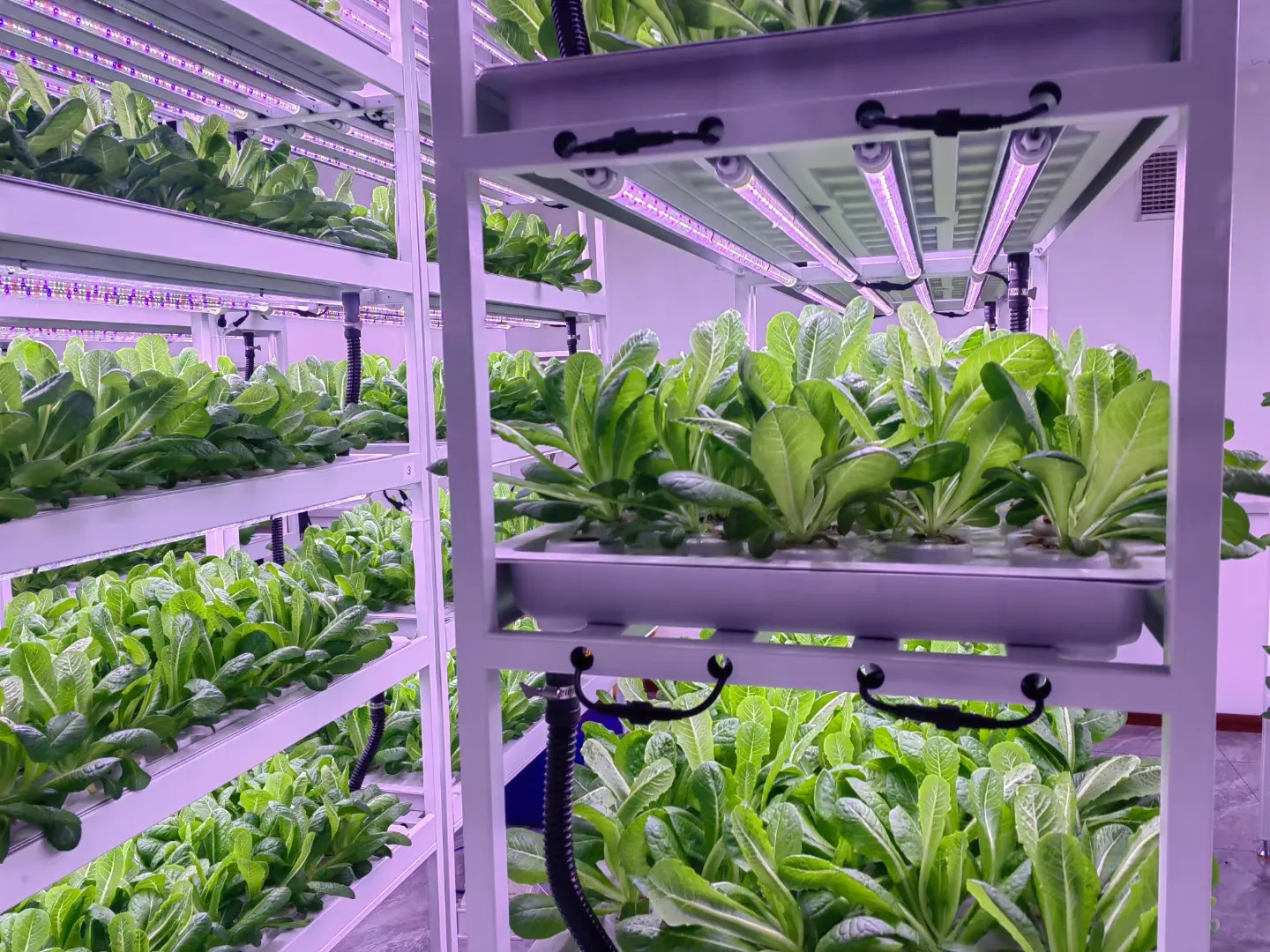
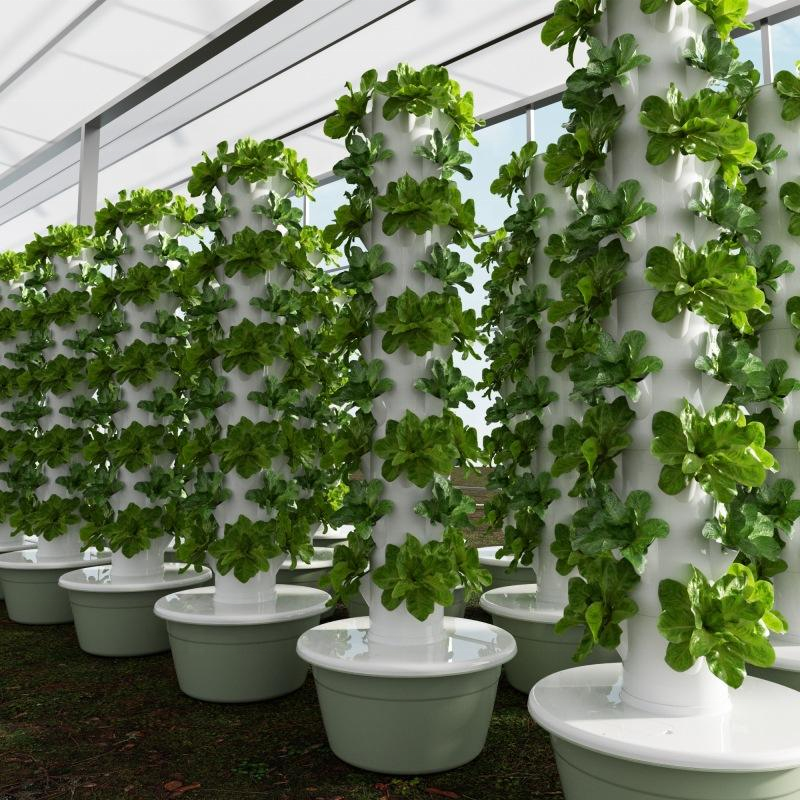
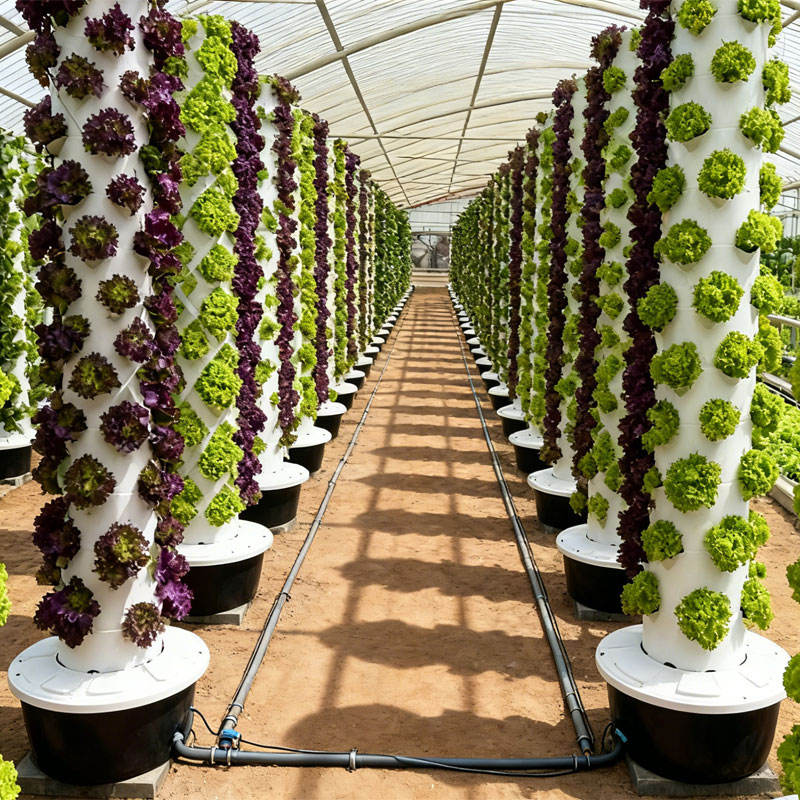
The hydroponic vegetable tower represents a revolutionary approach to modern agriculture, combining vertical farming principles with soilless cultivation methods to create an efficient and sustainable growing system. This innovative structure utilizes nutrient-rich water solutions to feed plants directly through their root systems, eliminating the need for traditional soil-based farming. The tower design maximizes growing space by stacking multiple planting levels vertically, making it an ideal solution for urban environments, small spaces, and commercial operations seeking to optimize their agricultural output. The main functions of the hydroponic vegetable tower include automated nutrient delivery, climate control integration, and systematic water circulation throughout multiple growing tiers. Each level of the tower features specially designed growing channels or containers that house plants while providing optimal access to nutrients, water, and oxygen. The system incorporates advanced irrigation technology that ensures consistent nutrient distribution to every plant, regardless of its position within the tower structure. Technological features of the hydroponic vegetable tower encompass sophisticated monitoring systems that track pH levels, nutrient concentrations, and water temperature to maintain optimal growing conditions. Many towers include automated dosing systems that adjust nutrient levels based on plant growth stages and specific crop requirements. LED lighting systems integrated into the tower design provide controlled illumination, enabling year-round cultivation regardless of external weather conditions or seasonal variations. The applications of hydroponic vegetable tower systems span across various sectors, from residential gardening enthusiasts to large-scale commercial producers. Urban farmers utilize these towers to grow fresh vegetables in limited spaces, while restaurants employ them to cultivate herbs and greens on-site for immediate use. Educational institutions integrate towers into their curricula to teach sustainable agriculture principles, and research facilities use them to study plant growth optimization techniques.
New Product Recommendations

The hydroponic vegetable tower delivers exceptional space efficiency by growing more plants in significantly smaller areas compared to traditional farming methods. This vertical growing approach allows farmers to produce up to ten times more vegetables per square foot than conventional horizontal farming techniques. Urban growers particularly benefit from this space optimization, as they can establish productive gardens on rooftops, balconies, or small indoor areas that would otherwise remain unused for agricultural purposes. The tower design eliminates the need for extensive land preparation, tilling, or soil management, making agriculture accessible to individuals and businesses operating in space-constrained environments. Water conservation stands as another major advantage of the hydroponic vegetable tower system. These towers use up to 90 percent less water than traditional soil-based farming through their closed-loop circulation systems that continuously recycle nutrient solutions. The precise water delivery mechanisms ensure that plants receive exactly the amount of moisture they need without waste through runoff or evaporation. This efficient water usage makes the hydroponic vegetable tower an environmentally responsible choice for regions facing water scarcity or drought conditions. Faster plant growth and higher yields represent significant economic benefits for hydroponic vegetable tower operators. Plants grown in these systems typically mature 25 to 50 percent faster than their soil-grown counterparts due to optimized nutrient availability and controlled growing conditions. The consistent supply of nutrients directly to plant roots eliminates competition for resources, allowing vegetables to focus energy on growth rather than root development for nutrient seeking. Year-round production capability enables continuous harvesting cycles, providing steady income streams for commercial operations and consistent fresh vegetable supplies for households. The elimination of soil-borne diseases and pests reduces the need for chemical pesticides and fungicides, resulting in cleaner, safer vegetables for consumption. The controlled environment of hydroponic vegetable towers prevents many common agricultural problems, including soil contamination, root rot, and pest infestations that plague traditional farming. This cleaner growing environment produces vegetables with better taste, longer shelf life, and higher nutritional content compared to conventionally grown produce.

Latest News

Hydroponic Vertical Farming_ Empowering Legal Cultivation Markets Globally

09

Feb

Hydroponic Vertical Farming_ Empowering Legal Cultivation Markets Globally

View More
Planting Containers: Unlocking New Possibilities for Smart Agriculture, Creating Efficient and Movable Planting Spaces

11

Mar

Planting Containers: Unlocking New Possibilities for Smart Agriculture, Creating Efficient and Movable Planting Spaces

View More
Vertical Farming Machines, Greenhouse Cultivation & Hydroponics: Reshaping the Future of Agriculture

09

Feb

Vertical Farming Machines, Greenhouse Cultivation & Hydroponics: Reshaping the Future of Agriculture

View More

Get a Free Quote

Our representative will contact you soon.
Email
Name
Company Name
Message
0/1000

hydroponic vegetable tower

Revolutionary Space Optimization Technology

Revolutionary Space Optimization Technology

The hydroponic vegetable tower transforms traditional farming limitations through its innovative vertical design that maximizes agricultural output within minimal footprint requirements. This groundbreaking approach addresses the growing global need for sustainable food production in increasingly urbanized environments where available land for agriculture continues to diminish. The tower structure utilizes every inch of vertical space, creating multiple growing levels that can accommodate dozens or even hundreds of plants within the same ground area that traditional farming would support only a fraction of that number. Each tier of the hydroponic vegetable tower operates as an independent growing zone while remaining integrated within the overall system infrastructure. This design allows for simultaneous cultivation of different vegetable varieties at various growth stages, enabling continuous harvest cycles that provide steady food production throughout the year. The modular nature of these towers means that growers can easily expand their operations by adding additional levels or connecting multiple towers without requiring additional ground space. Urban environments particularly benefit from this space optimization technology, as restaurants, schools, and residential complexes can establish substantial vegetable production facilities on rooftops, in basements, or within converted warehouses. The compact footprint of hydroponic vegetable towers makes them ideal for integration into existing urban infrastructure without disrupting other activities or requiring significant construction modifications. Commercial growers appreciate how this technology allows them to increase their production capacity without the substantial land acquisition costs associated with traditional farming expansion. The space efficiency also translates into reduced transportation costs and carbon footprints, as vegetables can be grown closer to their final consumption points, eliminating the need for long-distance shipping and reducing spoilage during transit.
Advanced Automated Nutrition Management System

Advanced Automated Nutrition Management System

The sophisticated nutrition management system within hydroponic vegetable towers represents a technological breakthrough that eliminates guesswork from plant cultivation while ensuring optimal growth conditions for maximum yields. This automated system continuously monitors and adjusts nutrient concentrations, pH levels, and delivery timing to match the specific requirements of each plant variety and growth stage. The precision of this system surpasses what even experienced traditional farmers can achieve through manual soil management, resulting in consistently superior vegetable quality and productivity. Smart sensors integrated throughout the hydroponic vegetable tower collect real-time data on plant health indicators, including nutrient uptake rates, root development progress, and environmental conditions. This information feeds into advanced control systems that automatically adjust nutrient formulations and delivery schedules to optimize plant performance. The system can detect early signs of nutrient deficiencies or imbalances and make immediate corrections before they impact plant health or harvest quality. The automated nature of this nutrition management eliminates the labor-intensive aspects of traditional farming, such as soil testing, fertilizer application, and irrigation scheduling. Growers can manage multiple hydroponic vegetable towers simultaneously without the physical demands of conventional agriculture, making this technology accessible to individuals who might not otherwise be able to engage in farming activities. The system also maintains detailed logs of all nutritional inputs and plant responses, providing valuable data for optimizing future growing cycles and improving overall system efficiency. Commercial operations benefit from the consistency and reliability of automated nutrition management, as it reduces crop losses due to human error and ensures uniform product quality that meets market standards. The system can be programmed to accommodate specific customer requirements, such as organic certification standards or particular nutrient profiles desired by end users, providing flexibility for niche market cultivation.
Climate-Controlled Growing Environment

Climate-Controlled Growing Environment

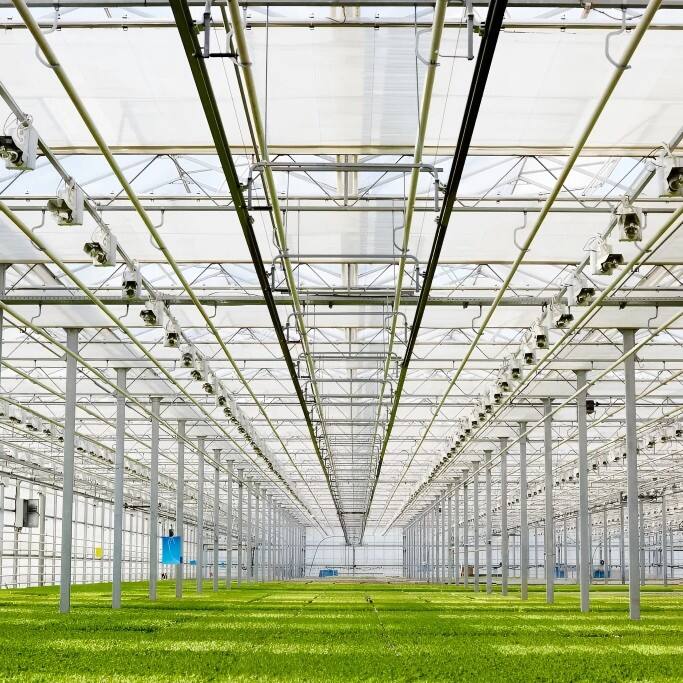
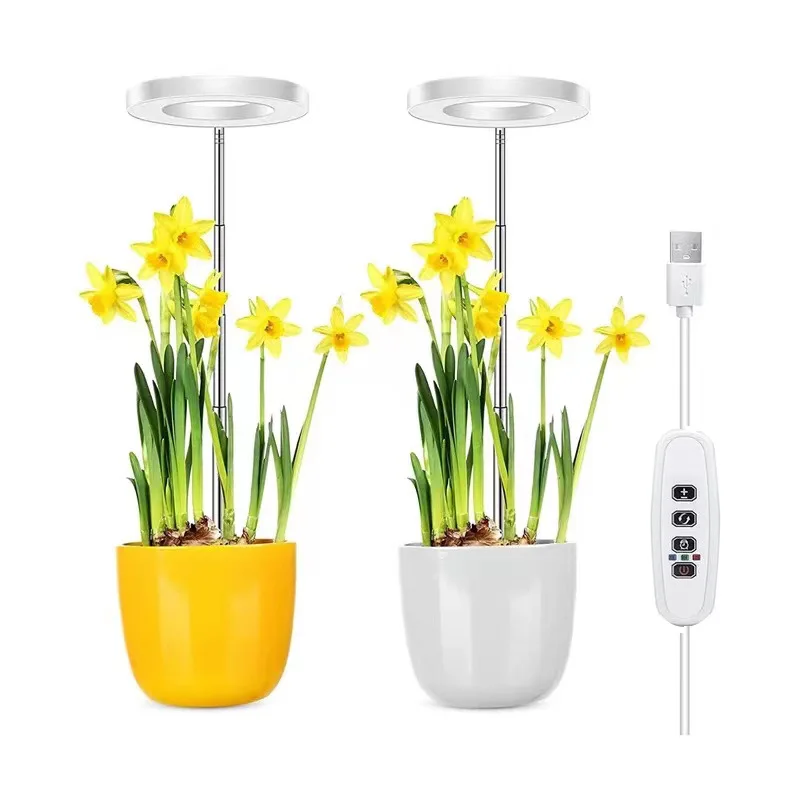
The climate-controlled environment within hydroponic vegetable towers creates optimal growing conditions that remain consistent regardless of external weather patterns, seasonal changes, or geographic location constraints. This controlled atmosphere capability represents a fundamental advantage over traditional outdoor farming, where crops remain vulnerable to temperature fluctuations, storms, droughts, and other environmental variables that can devastate entire harvests. The integrated climate management systems within these towers regulate temperature, humidity, air circulation, and lighting to maintain perfect growing conditions 365 days per year. Advanced LED lighting systems integrated into hydroponic vegetable towers provide plants with precisely calibrated light spectrums that optimize photosynthesis and promote healthy growth. These energy-efficient lighting solutions can be programmed to simulate natural daylight cycles or adjusted to accelerate plant development based on specific crop requirements. The ability to control light intensity, duration, and spectrum allows growers to maximize nutritional content in their vegetables while reducing energy consumption compared to traditional greenhouse lighting systems. Temperature and humidity control systems work in coordination to prevent stress conditions that can slow plant growth or increase susceptibility to diseases. The enclosed environment of hydroponic vegetable towers protects plants from external pollutants, including airborne chemicals, dust, and contamination that can affect vegetable quality and safety in outdoor growing environments. This protection is particularly valuable in urban areas where air quality concerns might otherwise prevent successful vegetable cultivation. The climate-controlled environment also enables year-round production in regions with harsh winters or extreme summer conditions that would normally limit growing seasons. Northern climates can maintain tropical growing conditions within their towers, allowing cultivation of warm-season vegetables throughout winter months. Similarly, areas with extremely hot summers can provide cool, comfortable conditions for cool-season crops during periods when outdoor cultivation would be impossible. This climate independence provides food security benefits and enables local food production in regions that would otherwise rely entirely on imported vegetables during certain seasons.

Get a Free Quote

Our representative will contact you soon.
Email
Name
Company Name
Message
0/1000