Vertical Tower Hydroponic System: Revolutionary Space-Efficient Growing Solution for Modern Agriculture

Get a Free Quote

Our representative will contact you soon.
Email
Name
Company Name
Message
0/1000

vertical tower hydroponic system

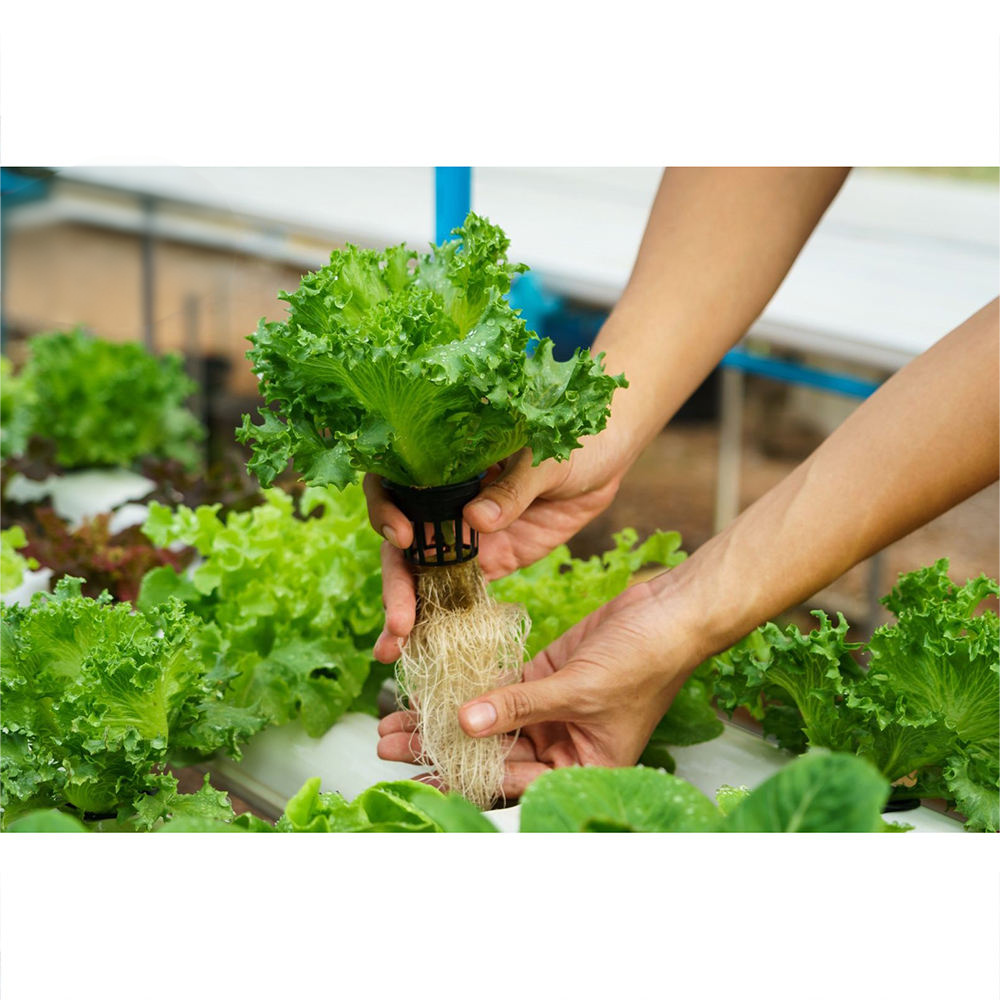
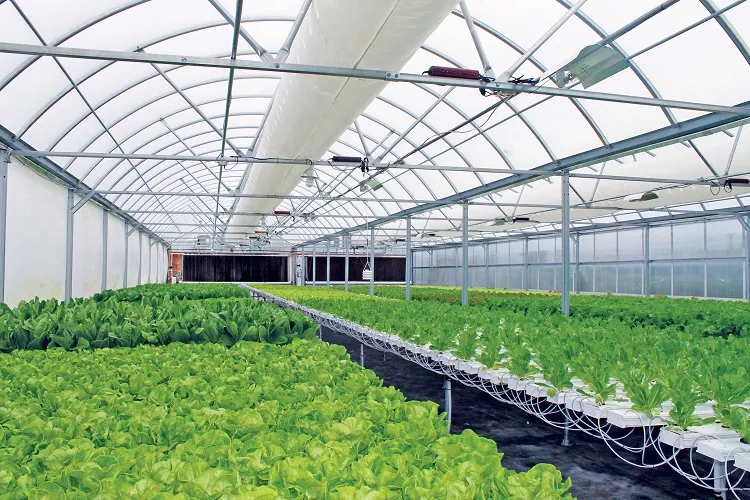
A vertical tower hydroponic system represents a revolutionary approach to soilless agriculture that maximizes growing space through an innovative upward design. This advanced cultivation method utilizes a cylindrical or tower-like structure where plants grow in stacked layers, creating a space-efficient farming solution perfect for urban environments and limited-area applications. The vertical tower hydroponic system operates by circulating nutrient-rich water solutions directly to plant roots through a sophisticated delivery mechanism, eliminating the need for traditional soil-based growing methods. The core functionality revolves around a centralized water distribution system that pumps nutrients from a reservoir to the top of the tower, allowing gravity to distribute the solution downward through each growing level. Plants are typically housed in specially designed growing cups or net pots filled with inert growing media such as expanded clay pebbles, perlite, or rockwool. The technological features of a vertical tower hydroponic system include automated irrigation timers, pH monitoring capabilities, and nutrient concentration controls that ensure optimal growing conditions. Many modern systems incorporate LED lighting arrays positioned strategically around the tower to provide full-spectrum illumination for photosynthesis. Temperature and humidity sensors work in conjunction with climate control systems to maintain ideal environmental conditions. The modular design allows for easy expansion and customization based on specific crop requirements and available space. Applications for vertical tower hydroponic systems span across commercial agriculture, urban farming initiatives, educational institutions, and residential growing projects. Commercial growers utilize these systems for producing leafy greens, herbs, strawberries, and various vegetables with significantly higher yields per square foot compared to traditional farming methods. Educational facilities implement vertical tower hydroponic systems as teaching tools for sustainable agriculture and environmental science programs. Residential users appreciate the ability to grow fresh produce year-round in small spaces such as balconies, patios, or indoor areas.
Popular Products

The vertical tower hydroponic system delivers exceptional space efficiency that transforms how growers approach cultivation in limited areas. This innovative design produces up to ten times more crops per square foot compared to traditional horizontal growing methods, making it ideal for urban farmers and commercial operations facing land constraints. The system eliminates soil-related problems including pest infestations, soilborne diseases, and nutrient depletion issues that plague conventional agriculture. Water conservation represents another significant advantage, as the vertical tower hydroponic system uses approximately 90 percent less water than soil-based farming through its recirculating design. The closed-loop system captures and reuses water continuously, preventing waste and reducing operational costs substantially. Faster plant growth rates occur because roots receive direct access to optimally balanced nutrients without competing with weeds or struggling through compacted soil. Most crops mature 25-50 percent faster in vertical tower hydroponic systems compared to traditional methods, allowing growers to achieve multiple harvests per season. The controlled environment eliminates weather dependencies, enabling year-round production regardless of external climate conditions. This consistency provides reliable harvests and predictable income streams for commercial operations. Maintenance requirements remain minimal once the system operates properly, as automated features handle most daily tasks including watering, nutrient delivery, and monitoring functions. The ergonomic design reduces physical strain on growers by eliminating the need for ground-level bending and kneeling associated with traditional farming. Harvest accessibility improves significantly as crops grow at various heights, making collection easier and more efficient. The system supports sustainable agriculture practices by reducing chemical pesticide needs and eliminating herbicide requirements entirely. Urban integration becomes seamless as vertical tower hydroponic systems operate quietly and produce no soil runoff or environmental contamination. The aesthetic appeal of these systems makes them suitable for rooftop gardens, restaurants, and educational displays where visual presentation matters. Economic benefits include reduced transportation costs for locally grown produce and extended shelf life due to harvest-to-table freshness.

Tips And Tricks

Hydroponic Vertical Farming_ Empowering Legal Cultivation Markets Globally

09

Feb

Hydroponic Vertical Farming_ Empowering Legal Cultivation Markets Globally

View More
Planting Containers: Unlocking New Possibilities for Smart Agriculture, Creating Efficient and Movable Planting Spaces

11

Mar

Planting Containers: Unlocking New Possibilities for Smart Agriculture, Creating Efficient and Movable Planting Spaces

View More
Vertical Farming Machines, Greenhouse Cultivation & Hydroponics: Reshaping the Future of Agriculture

09

Feb

Vertical Farming Machines, Greenhouse Cultivation & Hydroponics: Reshaping the Future of Agriculture

View More

Get a Free Quote

Our representative will contact you soon.
Email
Name
Company Name
Message
0/1000

vertical tower hydroponic system

Revolutionary Space Optimization Technology

Revolutionary Space Optimization Technology

The vertical tower hydroponic system transforms agricultural productivity through its groundbreaking space optimization technology that redefines traditional farming boundaries. This innovative design stacks multiple growing levels within a compact vertical footprint, creating a three-dimensional growing environment that maximizes every inch of available space. The tower structure typically accommodates 20-40 plants in the same area that would traditionally support only 4-6 plants using conventional horizontal methods. The engineering behind this space optimization involves carefully calculated spacing between growing sites to ensure adequate light penetration and air circulation while maintaining optimal plant density. Each level features strategically positioned growing cups that allow plants to develop naturally without overcrowding their neighbors. The vertical arrangement creates microclimates within different tower sections, enabling growers to cultivate various crops simultaneously based on their specific height and light requirements. This technology proves particularly valuable in urban environments where real estate costs make traditional farming economically unfeasible. Commercial growers can install multiple vertical tower hydroponic systems in warehouse spaces, generating substantial yields that compete with field agriculture while using a fraction of the land area. The modular nature of these systems allows for infinite scalability, enabling operations to expand production capacity by adding more towers rather than acquiring additional land. Indoor applications benefit tremendously from this space efficiency, as residential users can establish productive gardens in spare rooms, basements, or even closets. The vertical design also facilitates better resource management, as irrigation lines, electrical connections, and monitoring equipment serve multiple growing levels simultaneously, reducing infrastructure costs per plant. Advanced tower designs incorporate rotating mechanisms that ensure all plants receive equal light exposure, further optimizing space utilization and crop uniformity. This space optimization technology represents a paradigm shift toward sustainable urban agriculture that addresses food security challenges while minimizing environmental impact.
Advanced Nutrient Delivery Excellence

Advanced Nutrient Delivery Excellence

The vertical tower hydroponic system incorporates sophisticated nutrient delivery excellence that ensures every plant receives precisely calibrated nutrition for optimal growth and development. This advanced system utilizes a centralized reservoir containing carefully balanced nutrient solutions that pump upward through the tower structure via specialized distribution networks. The delivery mechanism employs gravity-fed circulation that distributes nutrients evenly across all growing levels, creating consistent feeding conditions throughout the entire system. Precision dosing technology monitors and adjusts nutrient concentrations automatically, maintaining optimal pH levels and electrical conductivity measurements that correspond to specific crop requirements. The nutrient delivery excellence extends beyond basic feeding to include programmable timing systems that deliver solutions at predetermined intervals based on plant growth stages and environmental conditions. Advanced sensors continuously monitor nutrient uptake rates and adjust delivery schedules accordingly, preventing both overfeeding and nutrient deficiencies that can compromise plant health. The recirculating design captures unused nutrients from lower levels and returns them to the central reservoir, creating a closed-loop system that maximizes nutrient efficiency and minimizes waste. This circulation pattern also provides excellent root zone oxygenation as nutrient solutions flow past root systems, delivering both essential minerals and dissolved oxygen that promote vigorous root development. The system supports multiple nutrient profiles simultaneously, allowing growers to customize feeding programs for different crops within the same tower structure. Automated pH adjustment systems maintain optimal acidity levels throughout the growing cycle, eliminating manual testing and adjustment requirements that consume time and labor. The nutrient delivery excellence includes backup systems and redundant pumps that ensure continuous operation even during equipment maintenance or unexpected failures. This reliability proves crucial for commercial operations where crop losses due to nutrient system failures can result in significant financial impacts. The precision and consistency of nutrient delivery in vertical tower hydroponic systems consistently produce higher quality crops with improved flavor profiles, nutritional content, and shelf life compared to conventionally grown alternatives.
Sustainable Environmental Integration

Sustainable Environmental Integration

The vertical tower hydroponic system demonstrates exceptional sustainable environmental integration that aligns with modern ecological conservation goals while producing abundant, high-quality crops. This integration encompasses water conservation, energy efficiency, and reduced chemical inputs that collectively minimize environmental footprint while maximizing agricultural output. The closed-loop water system represents the cornerstone of environmental sustainability, recycling and reusing water continuously rather than allowing it to drain away like traditional irrigation methods. This water conservation approach becomes increasingly important as global water scarcity issues intensify and agricultural operations face mounting pressure to reduce consumption. The system eliminates agricultural runoff that typically carries fertilizers and pesticides into waterways, preventing contamination of local water supplies and protecting aquatic ecosystems. Energy efficiency improvements occur through optimized LED lighting systems that provide specific light spectrums tailored to plant photosynthesis requirements while consuming significantly less electricity than conventional lighting technologies. Smart controls automatically adjust lighting intensity and duration based on natural light availability and plant growth stages, further reducing energy consumption. The vertical design inherently supports renewable energy integration, as compact systems require less power than sprawling traditional farms and can easily incorporate solar panels or wind generation systems. Pest management becomes naturally sustainable within the controlled environment of a vertical tower hydroponic system, as physical barriers prevent most pest infiltration while beneficial insects can be introduced strategically for biological control. This approach eliminates the need for chemical pesticides that harm beneficial insects, contaminate produce, and accumulate in soil systems. The absence of soil cultivation prevents erosion and preserves natural topsoil resources that take decades to regenerate naturally. Carbon footprint reduction occurs through localized food production that eliminates transportation emissions associated with shipping produce from distant agricultural regions. Year-round local production capabilities reduce reliance on imported foods and support food security initiatives within urban communities. The sustainable environmental integration of vertical tower hydroponic systems positions them as essential components of future food systems that must balance productivity with ecological responsibility.

Get a Free Quote

Our representative will contact you soon.
Email
Name
Company Name
Message
0/1000