indoor agriculture vertical farming
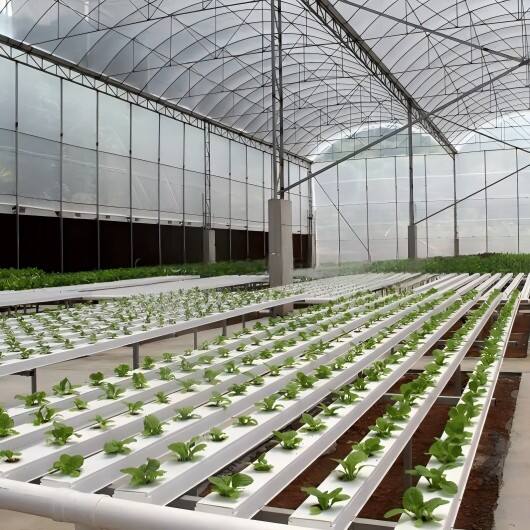
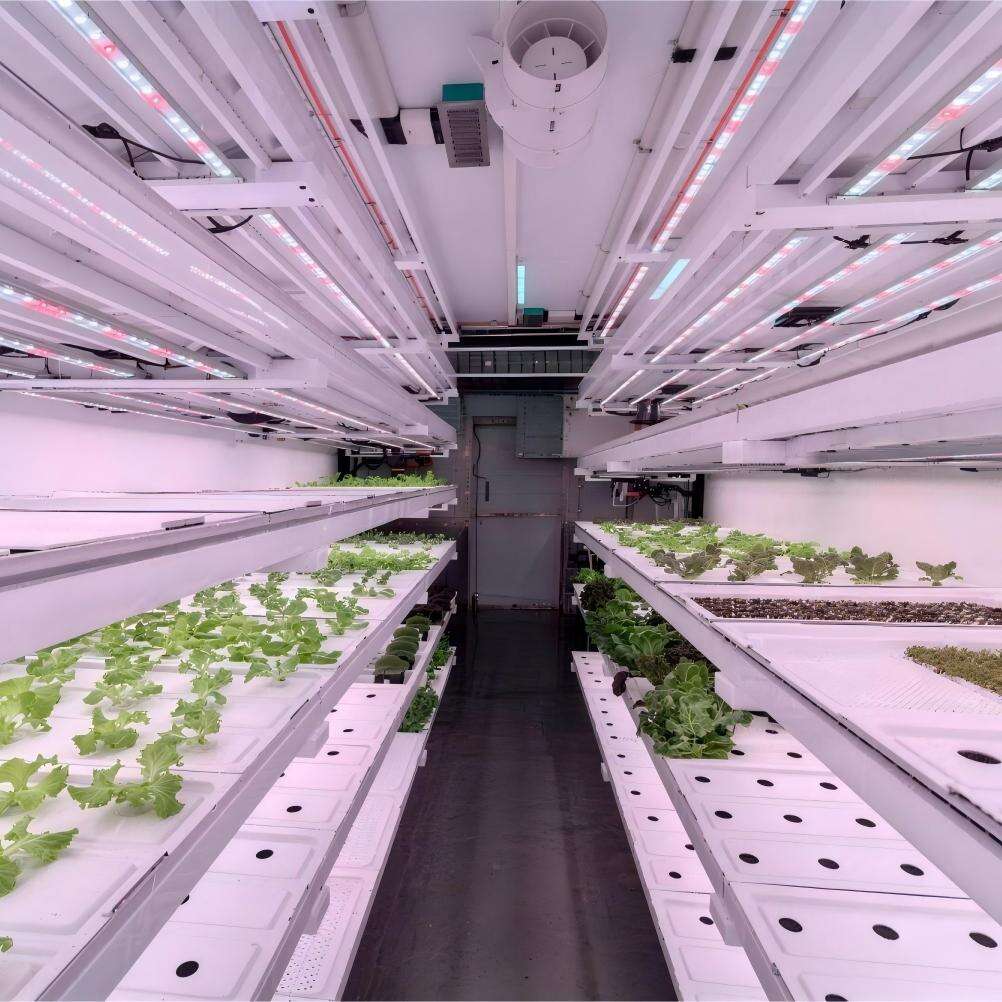
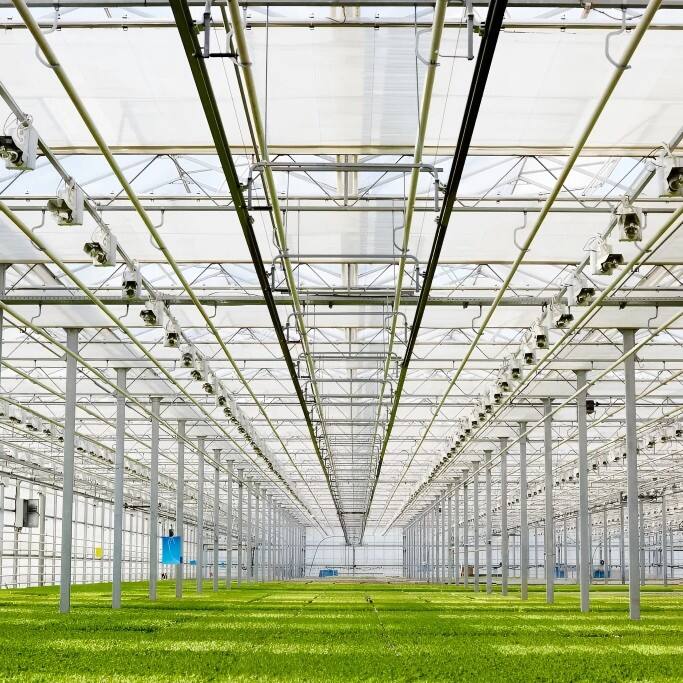
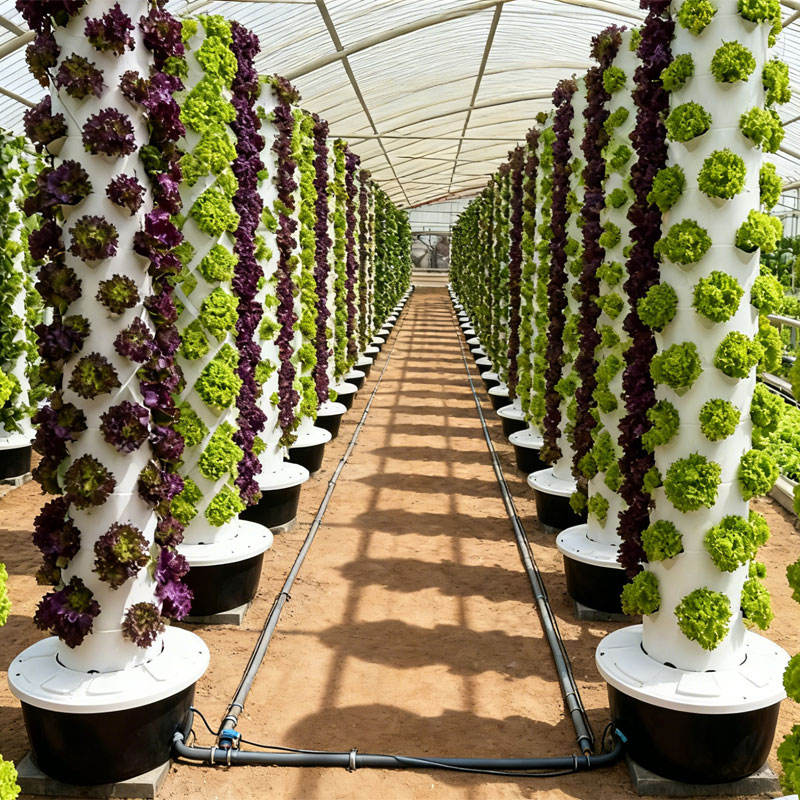
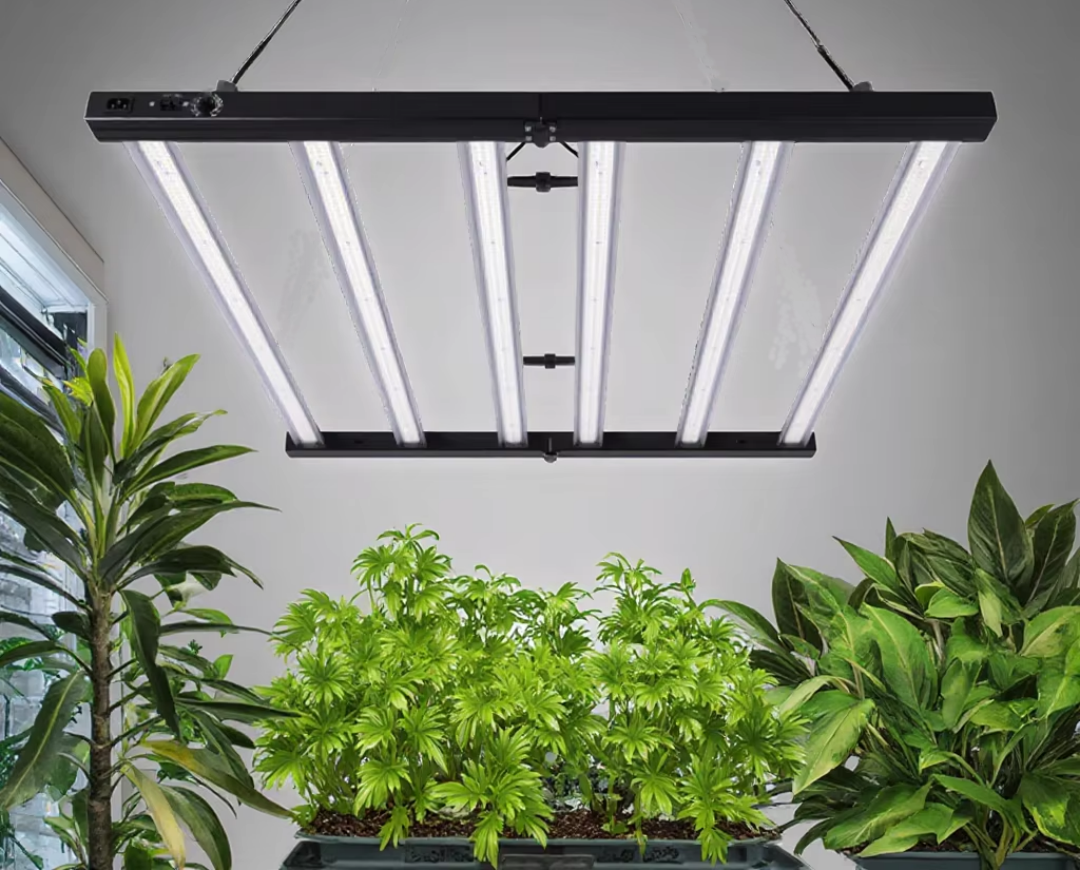
Indoor agriculture vertical farming represents a revolutionary approach to food production that transforms traditional farming practices by growing crops in vertically stacked layers within controlled indoor environments. This innovative agricultural method utilizes sophisticated hydroponic, aeroponic, or aquaponic systems to cultivate plants without soil, creating optimal growing conditions through precise environmental controls. The main functions of indoor agriculture vertical farming include maximizing crop yields per square foot, eliminating weather dependencies, reducing water consumption, and enabling year-round production regardless of external climate conditions. The technological features encompass LED lighting systems that provide specific light spectrums tailored to plant growth stages, automated nutrient delivery systems that precisely control fertilizer distribution, climate control mechanisms that maintain optimal temperature and humidity levels, and advanced monitoring sensors that track plant health in real-time. These systems integrate Internet of Things (IoT) technology, artificial intelligence, and machine learning algorithms to optimize growing conditions automatically. Applications of indoor agriculture vertical farming span urban food production facilities, commercial greenhouse operations, research institutions studying plant biology, pharmaceutical companies growing medicinal plants, and educational facilities teaching sustainable agriculture. The technology serves restaurants requiring fresh herbs and vegetables, grocery chains seeking locally-sourced produce, and communities in food deserts lacking access to fresh fruits and vegetables. Indoor agriculture vertical farming also supports disaster relief efforts, military bases requiring fresh food supplies, and space exploration programs developing sustainable food systems for long-duration missions. This farming method addresses critical challenges including urbanization, climate change impacts on traditional agriculture, water scarcity, soil degradation, and the growing global population's increasing food demands while reducing transportation costs and environmental footprint associated with conventional farming practices.
 ×
×

 EN
EN