Revolutionary Integrated Vertical Farming Systems: Advanced Indoor Agriculture Technology for Maximum Yield and Sustainability

Get a Free Quote

Our representative will contact you soon.
Email
Name
Company Name
Message
0/1000

integrated vertical farming

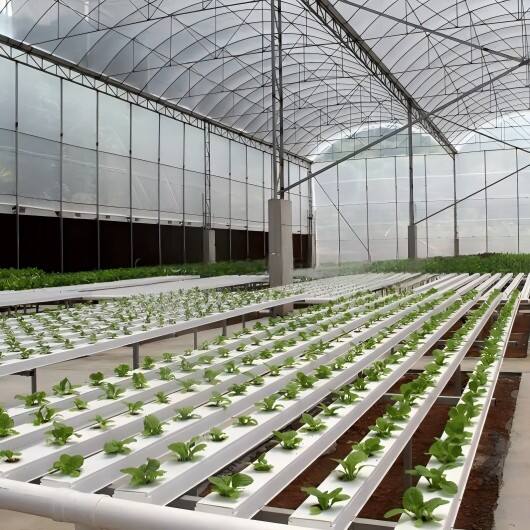
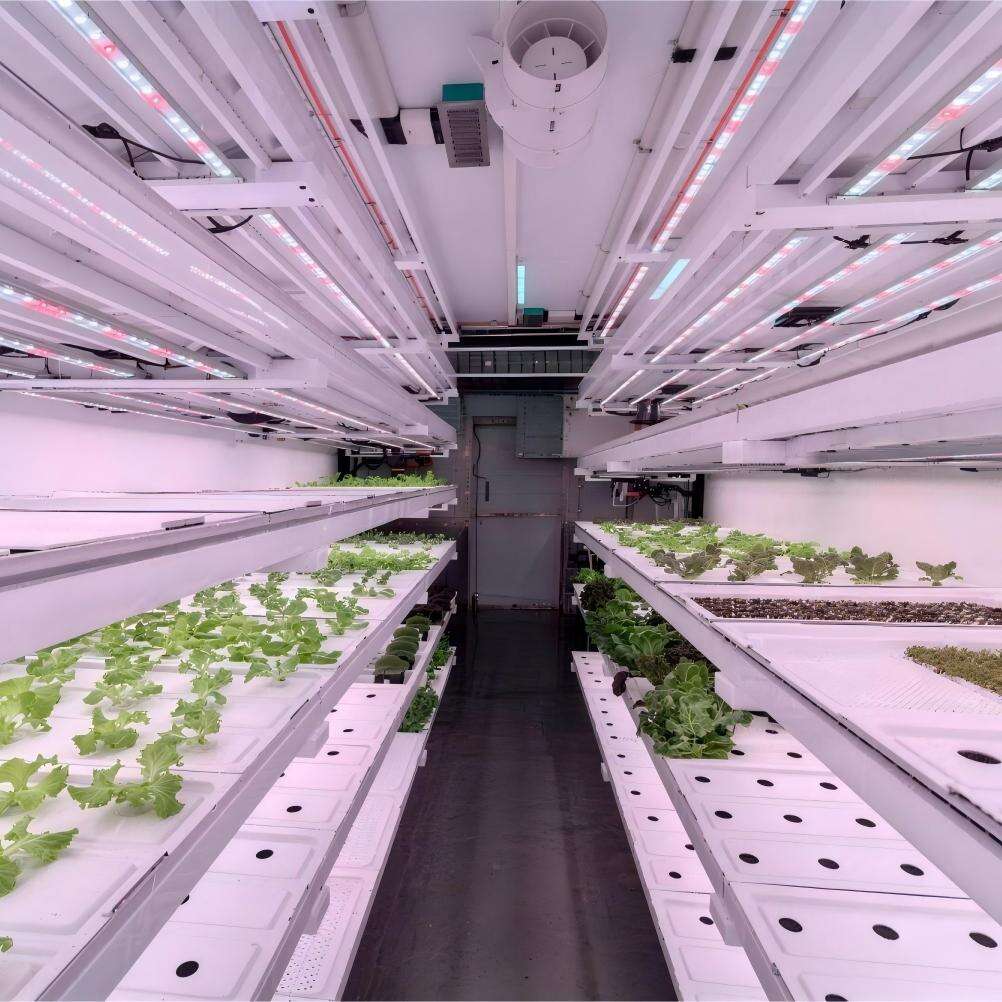
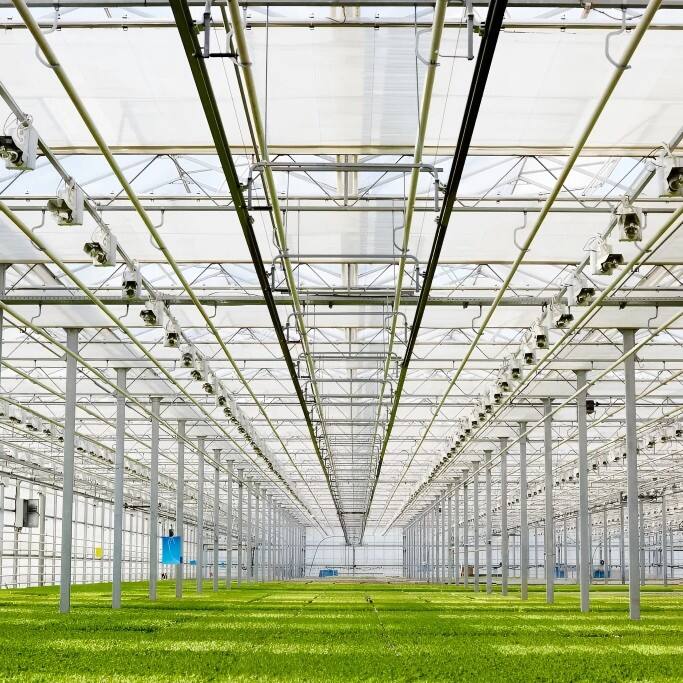
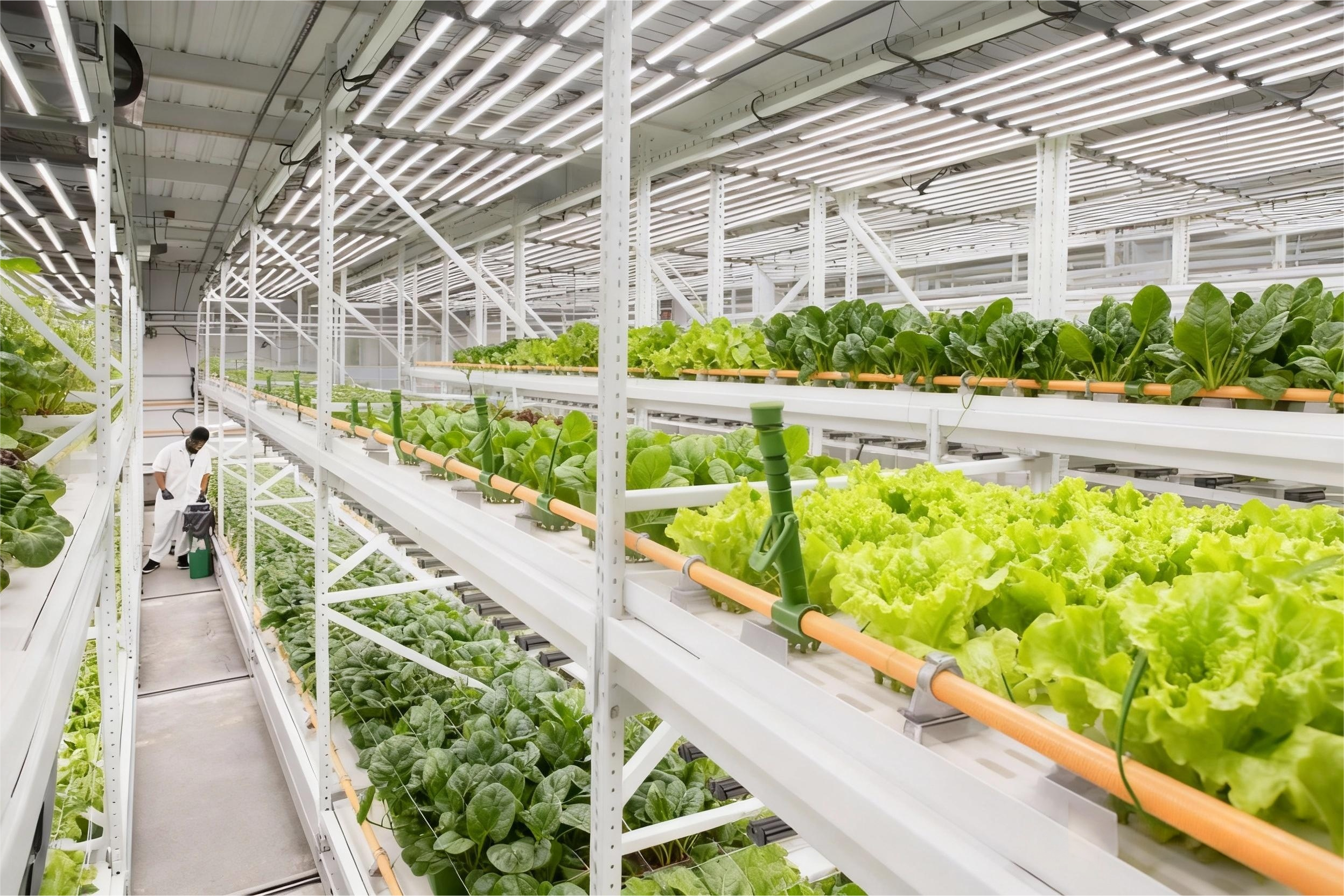
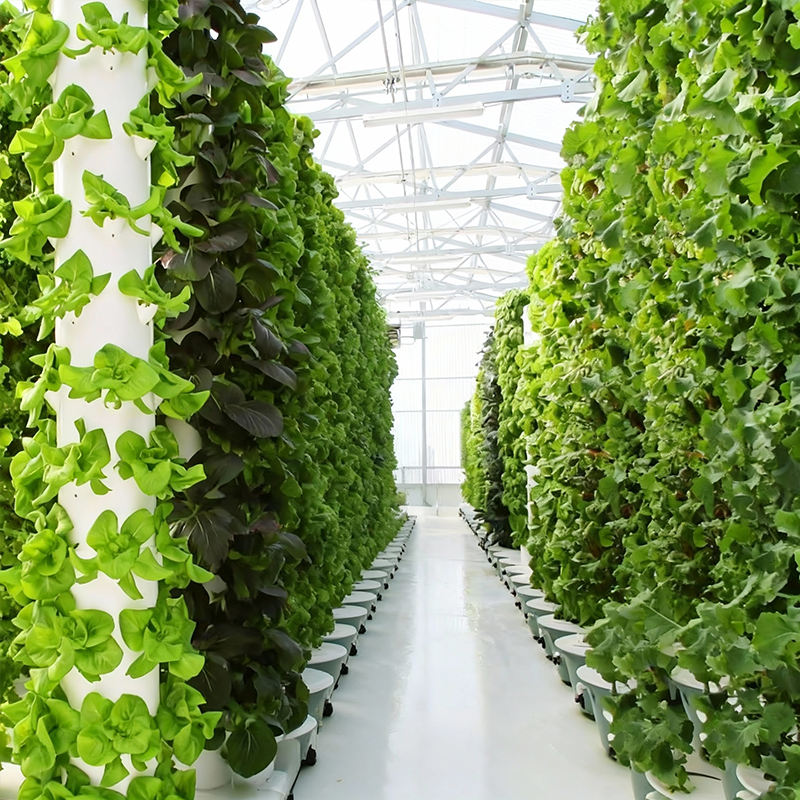
Integrated vertical farming represents a revolutionary approach to agricultural production that combines cutting-edge technology with space-efficient design principles. This innovative farming system utilizes vertically stacked growing layers within controlled indoor environments, maximizing crop yield per square foot while minimizing resource consumption. The integrated vertical farming system incorporates hydroponic or aeroponic growing methods, advanced LED lighting systems, climate control technology, and automated nutrient delivery mechanisms to create optimal growing conditions year-round. The main functions of integrated vertical farming include producing fresh vegetables, herbs, and leafy greens in urban environments where traditional agriculture is impractical. These systems feature sophisticated environmental controls that regulate temperature, humidity, air circulation, and light spectrums to match specific crop requirements. The technological features encompass IoT sensors for real-time monitoring, artificial intelligence for predictive analytics, automated irrigation systems, and energy-efficient LED arrays that can be customized for different plant growth stages. Applications of integrated vertical farming span commercial food production, urban agriculture initiatives, educational institutions, restaurants seeking fresh ingredients, and pharmaceutical companies growing medicinal plants. The system's modular design allows for scalability from small residential units to large commercial operations. Advanced filtration systems ensure water purity while recirculation mechanisms reduce waste. The integration of renewable energy sources, such as solar panels, makes these farms environmentally sustainable. Data analytics platforms provide insights into crop performance, resource utilization, and harvest predictions. The controlled environment eliminates weather dependency and seasonal limitations, enabling consistent year-round production. Smart automation reduces labor costs while maintaining precision in plant care. These comprehensive systems deliver superior crop quality with higher nutritional content compared to conventional farming methods.

Popular Products

The integrated vertical farming system offers numerous compelling advantages that transform traditional agriculture practices and deliver exceptional value to modern producers. First, space efficiency stands as the most significant benefit, as integrated vertical farming can produce up to 390 times more crops per square foot compared to conventional farming methods. This remarkable efficiency makes it possible to grow substantial quantities of fresh produce in urban areas, warehouses, or even basements where traditional farming would be impossible. Water conservation represents another critical advantage, with integrated vertical farming using 95% less water than traditional agriculture through precise irrigation and recirculation systems. The controlled environment eliminates pesticide dependency, ensuring completely organic produce while protecting crops from pests, diseases, and adverse weather conditions. Year-round production capability means farmers can harvest multiple crops annually, significantly increasing revenue potential and ensuring consistent supply regardless of seasonal changes or climate variations. Energy efficiency has improved dramatically with modern LED technology, reducing operational costs while providing optimal light spectrums for enhanced plant growth and nutritional content. Labor optimization through automation reduces workforce requirements while maintaining consistent quality standards and eliminating physically demanding outdoor work. The proximity to consumers in urban settings dramatically reduces transportation costs, carbon footprint, and delivery times while ensuring maximum freshness for end customers. Quality control becomes superior in integrated vertical farming environments, as every aspect of plant growth can be monitored and adjusted in real-time using advanced sensors and data analytics. Crop yields demonstrate remarkable consistency and predictability, allowing for accurate business planning and reliable supply chain management. The elimination of weather-related crop failures provides financial stability and reduces agricultural insurance costs. Faster growth cycles mean quicker returns on investment, with many crops reaching maturity 30-50% faster than traditional farming methods. The system's scalability allows businesses to start small and expand gradually based on market demand and financial capabilities. Additionally, integrated vertical farming creates opportunities for urban employment and supports local food security initiatives while reducing dependence on imported produce.

Practical Tips

Hydroponic Vertical Farming_ Empowering Legal Cultivation Markets Globally

09

Feb

Hydroponic Vertical Farming_ Empowering Legal Cultivation Markets Globally

View More
Planting Containers: Unlocking New Possibilities for Smart Agriculture, Creating Efficient and Movable Planting Spaces

11

Mar

Planting Containers: Unlocking New Possibilities for Smart Agriculture, Creating Efficient and Movable Planting Spaces

View More
Vertical Farming Machines, Greenhouse Cultivation & Hydroponics: Reshaping the Future of Agriculture

09

Feb

Vertical Farming Machines, Greenhouse Cultivation & Hydroponics: Reshaping the Future of Agriculture

View More

Get a Free Quote

Our representative will contact you soon.
Email
Name
Company Name
Message
0/1000

integrated vertical farming

Revolutionary Space Optimization and Urban Agriculture Integration

Revolutionary Space Optimization and Urban Agriculture Integration

The space optimization capabilities of integrated vertical farming represent a paradigm shift in agricultural efficiency and urban food production strategies. This innovative approach transforms vertical space into productive growing areas, stacking multiple growing levels within a single footprint to achieve unprecedented crop density. The integrated vertical farming system can produce the equivalent of several acres of traditional farmland within the confines of a single building floor, making it an ideal solution for densely populated urban areas where agricultural land is scarce or prohibitively expensive. The modular design of these systems allows for customization based on available space, ceiling height, and specific crop requirements, ensuring maximum utilization of every square foot. Advanced structural engineering ensures that multiple growing tiers can support the weight of plants, growing media, water systems, and equipment while maintaining easy access for maintenance and harvesting operations. The vertical configuration also enables better light distribution through strategically positioned LED arrays that can be adjusted for optimal coverage across all growing levels. This spatial efficiency extends beyond mere crop production, as integrated vertical farming systems incorporate storage areas for supplies, processing spaces for harvest preparation, and climate control equipment within the same footprint. The urban integration aspect becomes particularly valuable as cities worldwide face increasing pressure to achieve food security while reducing their environmental impact. By bringing food production closer to consumers, integrated vertical farming eliminates the need for vast rural agricultural lands and reduces the carbon footprint associated with long-distance transportation. The system's ability to fit into existing urban infrastructure, including repurposed warehouses, shipping containers, or purpose-built facilities, makes it accessible to entrepreneurs and communities seeking sustainable food solutions. Furthermore, the controlled environment protects crops from urban pollution while creating opportunities for educational programs that connect city dwellers with food production processes. The scalable nature of integrated vertical farming allows for gradual expansion as demand grows, making it financially viable for small startups and large commercial operations alike.
Advanced Environmental Control and Sustainable Resource Management

Advanced Environmental Control and Sustainable Resource Management

The environmental control systems within integrated vertical farming represent the pinnacle of agricultural technology, delivering precise management of all growing conditions while promoting sustainable resource utilization. These sophisticated systems create perfect microclimates for each crop variety, controlling temperature, humidity, air circulation, CO2 levels, and light spectrums with remarkable precision that surpasses anything achievable in traditional outdoor farming. The integrated vertical farming platform utilizes advanced sensors and IoT technology to continuously monitor environmental parameters, automatically adjusting conditions based on plant needs throughout different growth stages. This level of control eliminates the unpredictability of weather patterns, seasonal variations, and climate change impacts that increasingly threaten conventional agriculture worldwide. The LED lighting systems incorporate full-spectrum capabilities that can be customized to promote specific plant characteristics such as enhanced nutrition, faster growth, or improved flavor profiles. Energy management becomes highly efficient through smart scheduling systems that optimize power consumption during off-peak hours and integrate with renewable energy sources like solar panels or wind generators. Water management represents a cornerstone of sustainable operation, with integrated vertical farming systems recycling and purifying water through advanced filtration and treatment processes. The closed-loop water systems capture and reuse nearly every drop, incorporating nutrients directly into the water supply for optimal plant absorption while preventing runoff that typically contaminates groundwater in traditional farming. Air quality control removes pollutants and maintains optimal oxygen and carbon dioxide levels, creating an environment where plants can photosynthesize more efficiently than in outdoor conditions. The integrated pest management approach eliminates the need for harmful pesticides by maintaining sterile growing conditions and utilizing beneficial insects when necessary. Climate control systems maintain consistent temperatures that promote faster growth cycles and higher yields while reducing energy waste through intelligent zoning and thermal management. These environmental controls also extend to post-harvest processing areas, ensuring that crops maintain peak quality from growth through packaging and distribution. The sustainable approach extends to waste management, with organic matter being composted or processed into biogas for energy generation, creating a truly circular agricultural system.
Data-Driven Precision Agriculture and Automated Operations Excellence

Data-Driven Precision Agriculture and Automated Operations Excellence

The integration of data analytics and automation within integrated vertical farming systems creates unprecedented levels of precision agriculture that optimize every aspect of crop production while minimizing human error and labor costs. This technological sophistication transforms traditional farming intuition into science-based decision making through comprehensive data collection, analysis, and automated response systems. The integrated vertical farming platform incorporates thousands of sensors that continuously monitor plant health, soil moisture levels, nutrient concentrations, growth rates, and environmental conditions, generating vast amounts of data that artificial intelligence algorithms process to identify patterns and predict optimal growing strategies. Machine learning capabilities enable the system to adapt and improve performance over time, learning from each growing cycle to refine cultivation protocols and maximize yields while minimizing resource consumption. Automated irrigation systems deliver precisely measured nutrients and water directly to plant root systems based on real-time data analysis, eliminating guesswork and ensuring optimal plant nutrition throughout every growth stage. The precision extends to lighting control, where automated systems adjust intensity, spectrum, and duration based on plant variety, growth stage, and energy optimization schedules. Robotic systems handle repetitive tasks such as seeding, transplanting, harvesting, and packaging with consistency and efficiency that exceeds human capabilities while reducing labor costs and improving worker safety. The integrated vertical farming system generates comprehensive reports on crop performance, resource utilization, financial metrics, and operational efficiency, enabling data-driven business decisions and continuous improvement strategies. Predictive analytics capabilities forecast harvest timing, yield quantities, and potential issues before they become problems, allowing for proactive management and supply chain optimization. Quality control automation includes visual inspection systems that use computer vision to identify plant diseases, nutrient deficiencies, or pest issues in their earliest stages, enabling immediate corrective action. The automated climate control systems respond instantly to environmental changes, maintaining optimal growing conditions without human intervention while logging all adjustments for analysis and future optimization. Integration with inventory management systems automatically tracks seed usage, harvest quantities, and supply needs, streamlining operations and reducing waste. The precision agriculture approach extends to post-harvest operations, with automated systems monitoring storage conditions, packaging processes, and distribution logistics to maintain product quality and traceability throughout the supply chain.
Get a Free Quote

Our representative will contact you soon.
Email
Name
Company Name
Message
0/1000