Revolutionary Vertical Farming Containers: Advanced Hydroponic Growing Systems for Maximum Crop Production

Get a Free Quote

Our representative will contact you soon.
Email
Name
Company Name
Message
0/1000

vertical farming containers

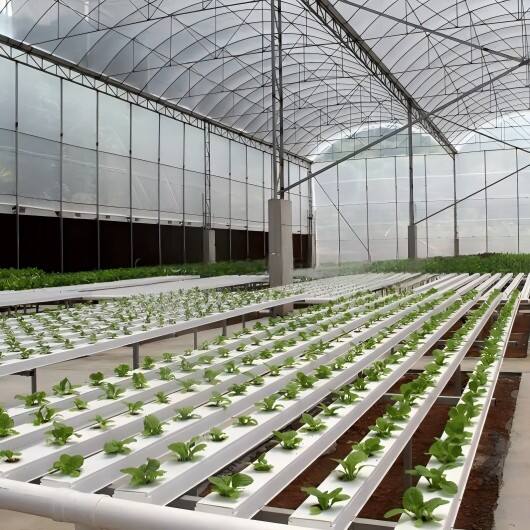
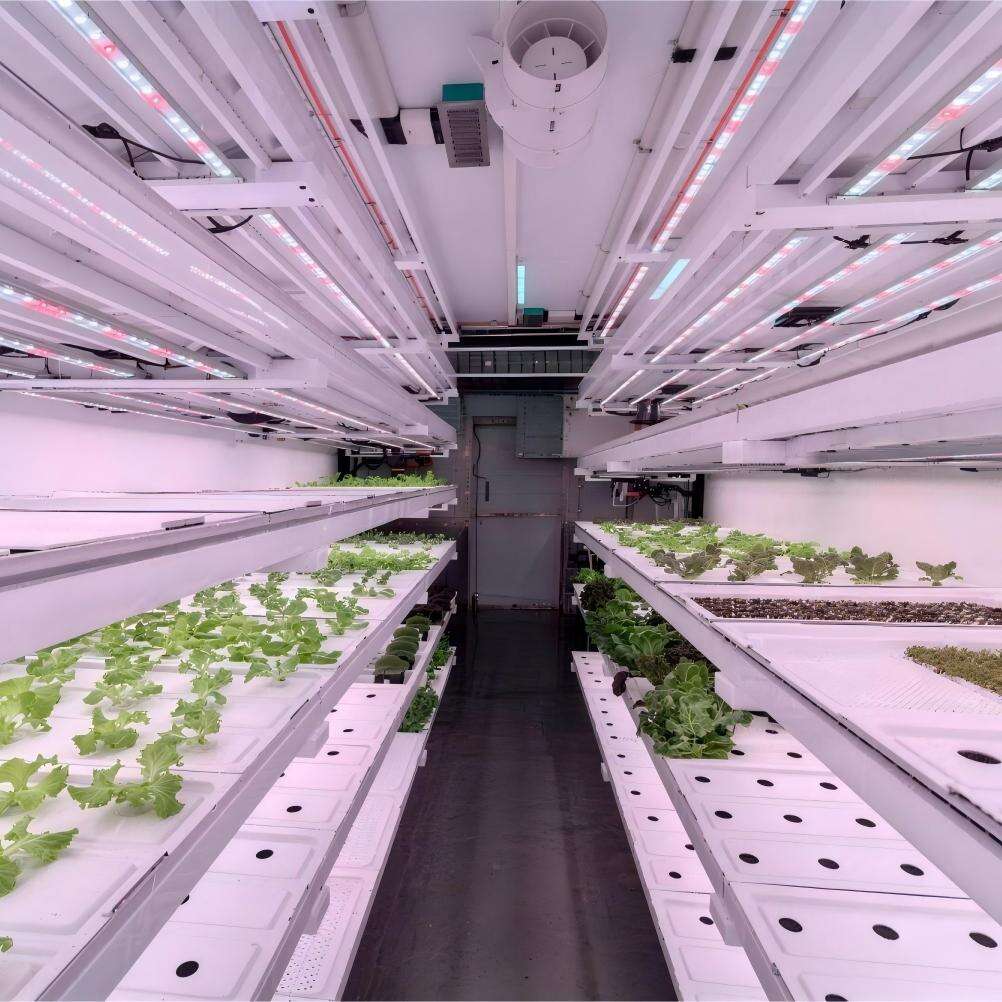
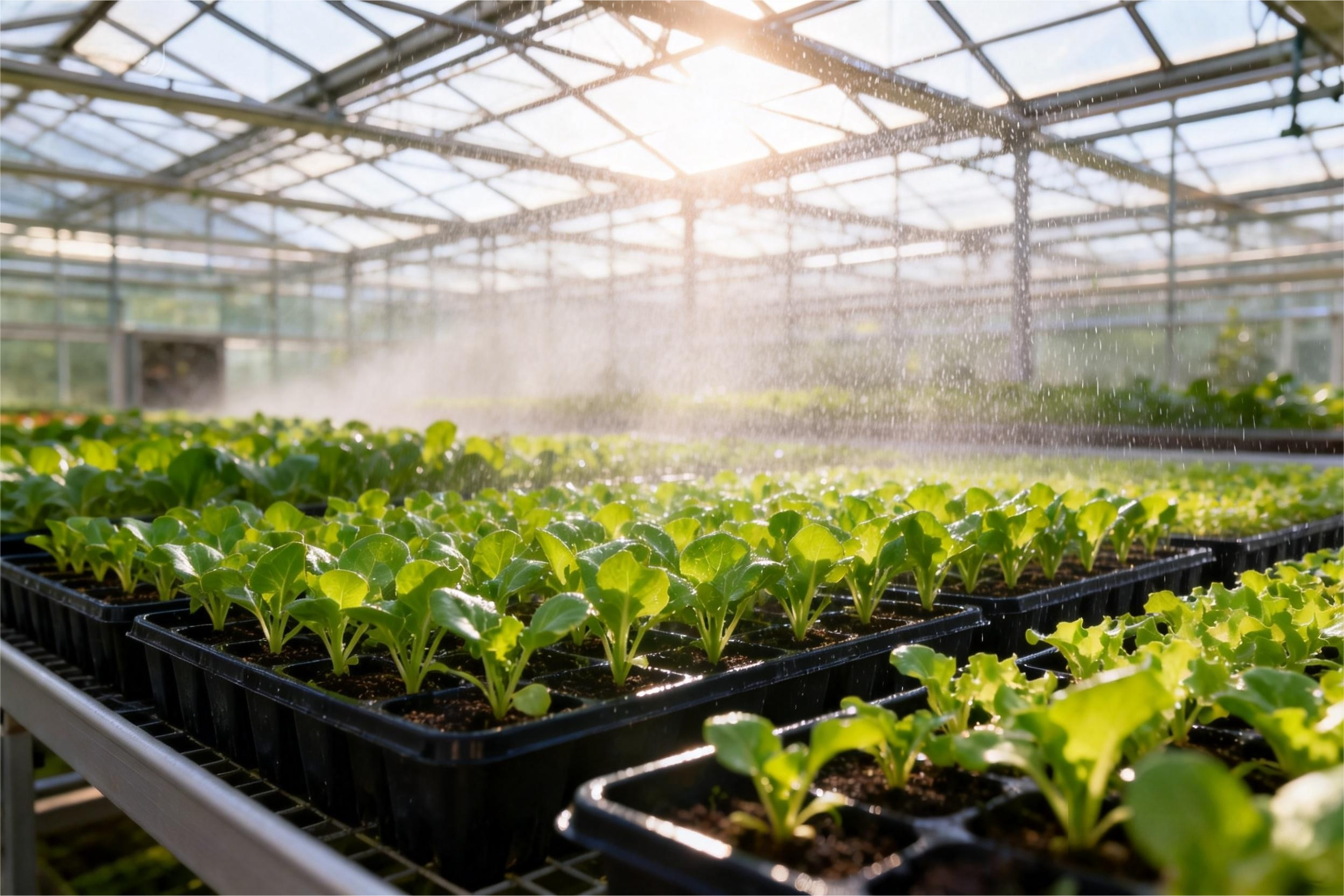
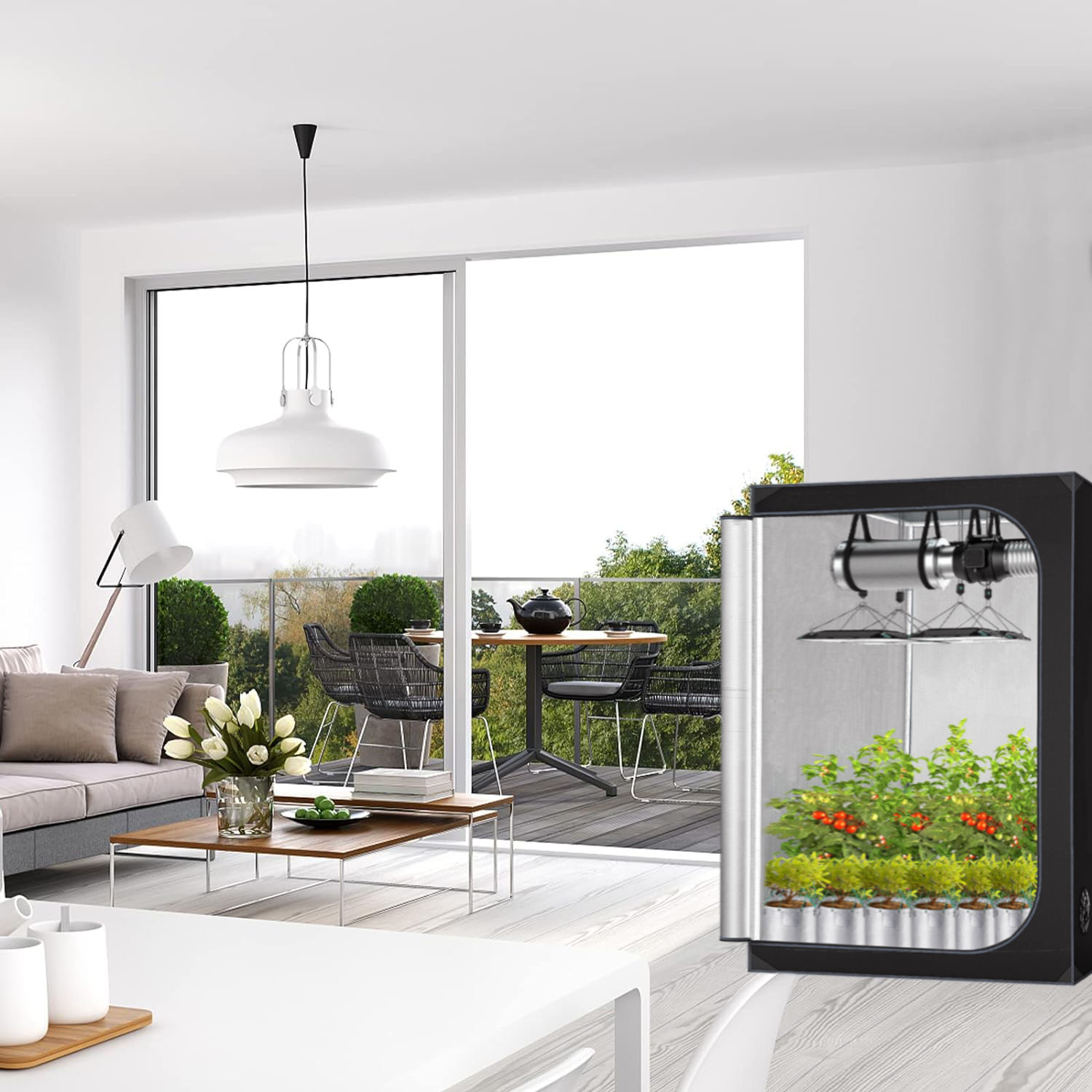
Vertical farming containers represent a revolutionary approach to modern agriculture, transforming shipping containers into highly efficient, controlled-environment agricultural systems. These innovative structures combine cutting-edge technology with sustainable farming practices to create self-contained growing environments that can produce fresh crops year-round, regardless of external weather conditions or geographical limitations. The primary function of vertical farming containers centers around maximizing crop production within minimal space by utilizing vertical growing systems that stack plants in multiple layers. This space-efficient design allows farmers to grow significantly more produce per square foot compared to traditional farming methods. The containers integrate sophisticated climate control systems that precisely regulate temperature, humidity, and air circulation, creating optimal growing conditions for various crops. Advanced LED lighting systems replace natural sunlight, providing customized light spectra that promote healthy plant growth while consuming minimal energy. These containers feature automated irrigation and nutrient delivery systems that ensure plants receive the exact amount of water and nutrients needed for optimal development. The hydroponic or aeroponic growing systems eliminate the need for soil, reducing the risk of soil-borne diseases and pests while enabling faster growth rates. Monitoring and control systems utilize sensors and IoT technology to track plant health, environmental conditions, and system performance in real-time. The technological features of vertical farming containers include programmable environmental controls that allow operators to adjust growing conditions for specific crops or growth stages. Smart automation reduces labor requirements while ensuring consistent crop quality and yields. The modular design of these containers enables easy transportation and installation, making them suitable for urban environments, remote locations, or areas with challenging growing conditions. Applications for vertical farming containers span across commercial agriculture, urban farming initiatives, educational institutions, and research facilities, providing fresh produce to communities while promoting sustainable agricultural practices.
New Product Releases

Vertical farming containers deliver exceptional value through their ability to produce crops consistently throughout the year, eliminating seasonal limitations that affect traditional farming operations. These systems enable farmers to harvest fresh produce continuously, providing reliable income streams and meeting consumer demand for locally grown food regardless of weather patterns or climate challenges. The controlled environment eliminates dependency on pesticides and herbicides, producing cleaner, healthier crops that appeal to health-conscious consumers and organic food markets. Water efficiency represents another significant advantage, as vertical farming containers use up to 95% less water than conventional farming through recirculating hydroponic systems that minimize waste and maximize resource utilization. This water conservation feature makes these containers particularly valuable in drought-prone regions or areas with limited water resources. The compact footprint of vertical farming containers allows agricultural production in urban areas where land costs are prohibitive for traditional farming, bringing fresh food production closer to consumers and reducing transportation costs and carbon emissions. Energy efficiency has improved dramatically with modern LED technology, making these systems economically viable while reducing environmental impact. The precise control over growing conditions results in faster crop cycles, with many vegetables growing 30-50% faster than traditional methods, increasing overall productivity and profitability. Quality control reaches new levels as environmental factors remain constant, producing uniform crops with predictable characteristics that meet strict market standards. Labor efficiency improves through automation and ergonomic design, reducing physical strain on workers while maintaining high production standards. The sterile growing environment eliminates soil-borne diseases and reduces crop losses, ensuring higher yields and better quality produce. Scalability allows businesses to start small and expand operations by adding additional containers as demand grows, providing flexible investment options that adapt to market conditions. These containers also serve educational purposes, demonstrating sustainable agriculture techniques to students and communities while providing hands-on learning opportunities. The technology creates new employment opportunities in agricultural technology, system maintenance, and crop management, contributing to local economic development. Transportation advantages allow these farming systems to reach remote locations, disaster-affected areas, or regions with poor soil quality, extending agricultural capabilities to previously unsuitable locations.

Latest News

Hydroponic Vertical Farming_ Empowering Legal Cultivation Markets Globally

09

Feb

Hydroponic Vertical Farming_ Empowering Legal Cultivation Markets Globally

View More
Planting Containers: Unlocking New Possibilities for Smart Agriculture, Creating Efficient and Movable Planting Spaces

11

Mar

Planting Containers: Unlocking New Possibilities for Smart Agriculture, Creating Efficient and Movable Planting Spaces

View More
Vertical Farming Machines, Greenhouse Cultivation & Hydroponics: Reshaping the Future of Agriculture

09

Feb

Vertical Farming Machines, Greenhouse Cultivation & Hydroponics: Reshaping the Future of Agriculture

View More

Get a Free Quote

Our representative will contact you soon.
Email
Name
Company Name
Message
0/1000

vertical farming containers

Advanced Climate Control Technology

Advanced Climate Control Technology

The sophisticated climate control technology integrated into vertical farming containers represents the cornerstone of their success, providing unprecedented precision in environmental management that ensures optimal growing conditions for diverse crop varieties. This advanced system encompasses multiple interconnected components that work harmoniously to create the perfect microclimate for plant growth. Temperature regulation operates through intelligent heating and cooling systems that maintain precise temperature ranges suitable for specific crops, automatically adjusting to external conditions and internal heat generation from LED lighting systems. The humidity control mechanisms utilize advanced sensors and automated systems to maintain optimal moisture levels, preventing both drought stress and fungal growth that could damage crops. Air circulation systems ensure proper ventilation and gas exchange, distributing fresh air throughout the growing space while removing excess heat and moisture. These climate control features eliminate the unpredictability of outdoor weather, allowing farmers to cultivate crops that would otherwise be impossible in their geographic location. The system's ability to create multiple climate zones within a single container enables simultaneous cultivation of different crop varieties with varying environmental requirements. This technological sophistication translates into measurable benefits for farmers, including reduced crop losses, improved quality consistency, and the ability to grow premium crops year-round. The automated nature of these systems reduces labor costs while ensuring consistent environmental conditions that promote healthy plant development. Energy efficiency improvements in modern climate control technology have made these systems more economically viable, with smart sensors and algorithms optimizing energy consumption based on real-time growing conditions. The reliability of these climate control systems provides farmers with confidence in their investment, knowing that their crops are protected from environmental fluctuations that could result in significant financial losses. Integration with monitoring systems allows remote management and real-time adjustments, enabling farmers to optimize growing conditions even when not physically present at the facility.
Space-Maximizing Vertical Growing Systems

Space-Maximizing Vertical Growing Systems

The innovative vertical growing systems employed in these containers revolutionize agricultural productivity by transforming limited space into highly efficient growing environments that can produce multiple times more crops than traditional farming methods. These systems utilize sophisticated multi-tier growing structures that stack plants vertically, creating numerous growing levels within the confined space of a shipping container. The engineering behind these vertical systems considers factors such as light distribution, air circulation, and plant accessibility to ensure optimal growing conditions at every level. Specialized growing towers and shelving systems maximize the use of available space while maintaining easy access for planting, maintenance, and harvesting activities. The modular design of these growing systems allows for customization based on specific crop requirements and growing preferences, accommodating everything from leafy greens to herbs and small fruiting plants. This space efficiency enables urban farmers to establish profitable agricultural operations in areas where traditional farming would be impossible due to land costs or space constraints. The vertical arrangement also improves resource utilization, with water and nutrient delivery systems efficiently serving multiple growing levels through gravity-fed or pressurized distribution networks. Maintenance becomes more manageable with ergonomically designed growing systems that reduce physical strain on workers while providing easy access to all plants. The compact growing environment facilitates better pest and disease monitoring, allowing farmers to quickly identify and address potential issues before they spread throughout the system. Harvesting efficiency improves significantly as crops are positioned at comfortable working heights, reducing labor time and physical demands compared to ground-level farming. The ability to grow more crops in less space translates directly into higher profitability per square foot, making these systems attractive investments for commercial growers and urban farming entrepreneurs. These vertical systems also support crop rotation and succession planting strategies, enabling continuous production cycles that maximize annual yields. The controlled spacing between growing levels ensures adequate light penetration and air circulation while preventing overcrowding that could lead to reduced plant quality or increased disease risk.
Automated Nutrient and Water Management

Automated Nutrient and Water Management

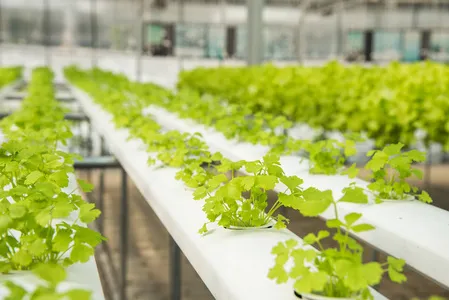
The automated nutrient and water management systems integrated into vertical farming containers represent a breakthrough in agricultural efficiency, providing precise control over plant nutrition while minimizing resource waste and labor requirements. These sophisticated systems utilize hydroponic or aeroponic technologies that deliver nutrients directly to plant roots in optimal concentrations, eliminating the guesswork associated with traditional soil-based fertilization. Advanced monitoring sensors continuously measure nutrient levels, pH balance, and electrical conductivity of the nutrient solution, automatically adjusting concentrations to maintain perfect growing conditions for each crop type. The precision of these systems ensures that plants receive exactly the nutrients they need at each growth stage, promoting healthy development while preventing nutrient deficiencies or toxicities that could harm crop quality. Water recycling capabilities built into these systems capture and reuse water that would otherwise be lost to evaporation or runoff, achieving water use efficiency rates that far exceed traditional farming methods. The closed-loop design prevents contamination and nutrient loss while maintaining consistent solution quality throughout the growing cycle. Automated dosing systems accurately mix concentrated nutrient solutions with water, maintaining precise formulations that optimize plant growth and development. These systems can store multiple nutrient recipes for different crops, automatically switching between formulations as needed for crop rotation or multi-crop production scenarios. The reduction in manual labor achieved through automation significantly decreases operational costs while improving consistency and reliability of nutrient delivery. Real-time monitoring and data collection capabilities provide valuable insights into plant performance and system efficiency, enabling continuous optimization of growing protocols. Remote management features allow operators to monitor and adjust nutrient parameters from anywhere with internet connectivity, providing flexibility and peace of mind for busy farm operators. The automated cleaning and sterilization cycles built into these systems maintain hygienic conditions that prevent the spread of diseases and ensure food safety standards. Emergency backup systems and fail-safes protect crops from system failures, maintaining critical life support functions even during power outages or equipment malfunctions. Integration with environmental control systems creates a comprehensive growing platform that responds to plant needs holistically, adjusting both environmental and nutritional parameters to optimize crop performance.

Get a Free Quote

Our representative will contact you soon.
Email
Name
Company Name
Message
0/1000