Vertical Urban Agriculture Solutions: Revolutionary Indoor Farming Technology for Sustainable Food Production

Get a Free Quote

Our representative will contact you soon.
Email
Name
Company Name
Message
0/1000

vertical urban agriculture

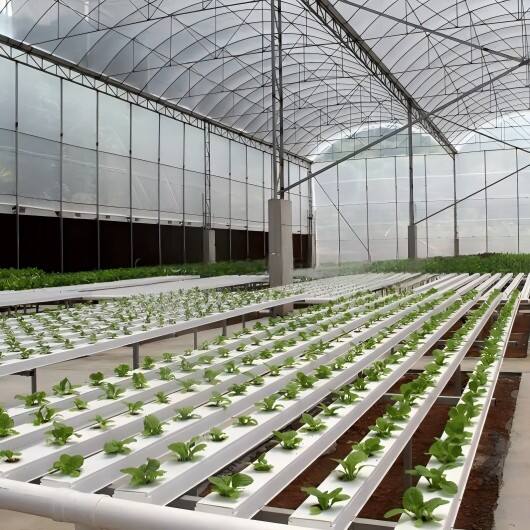
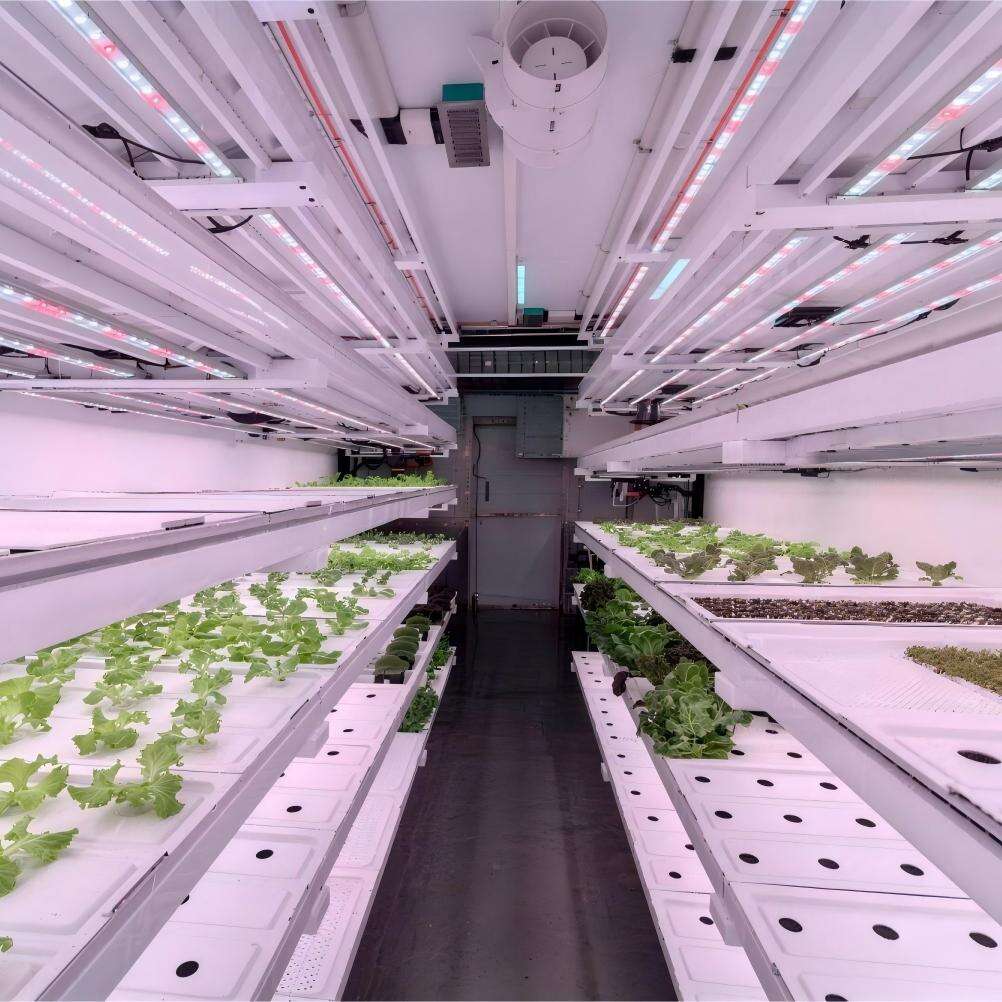
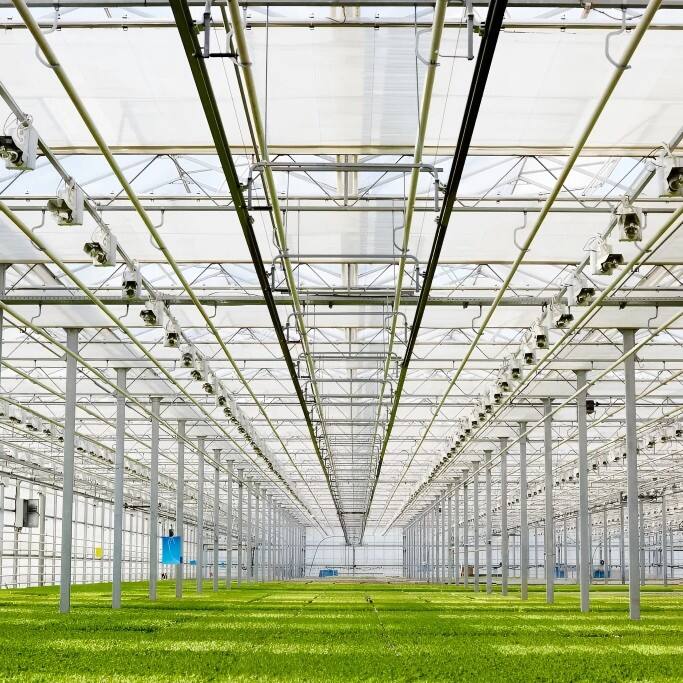
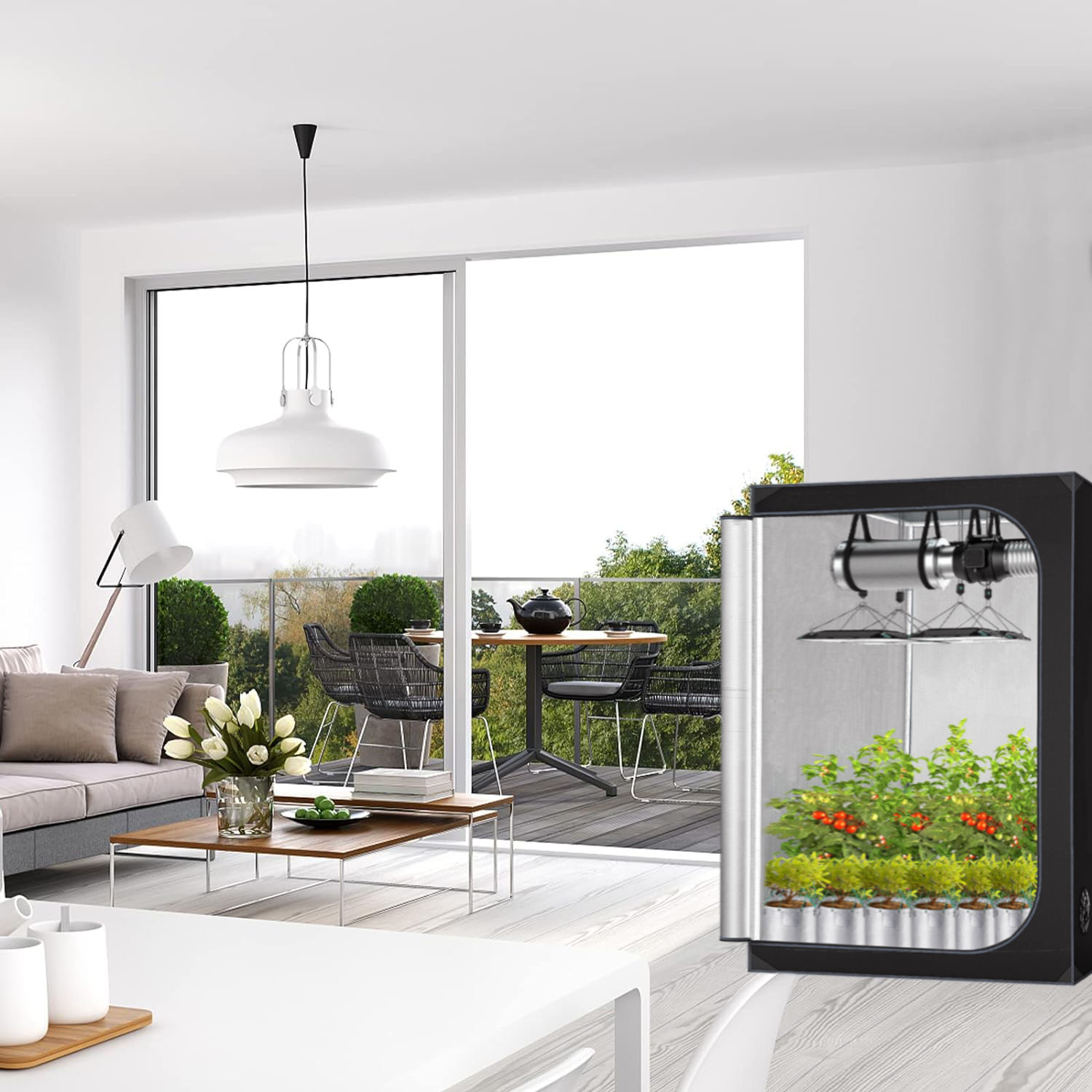
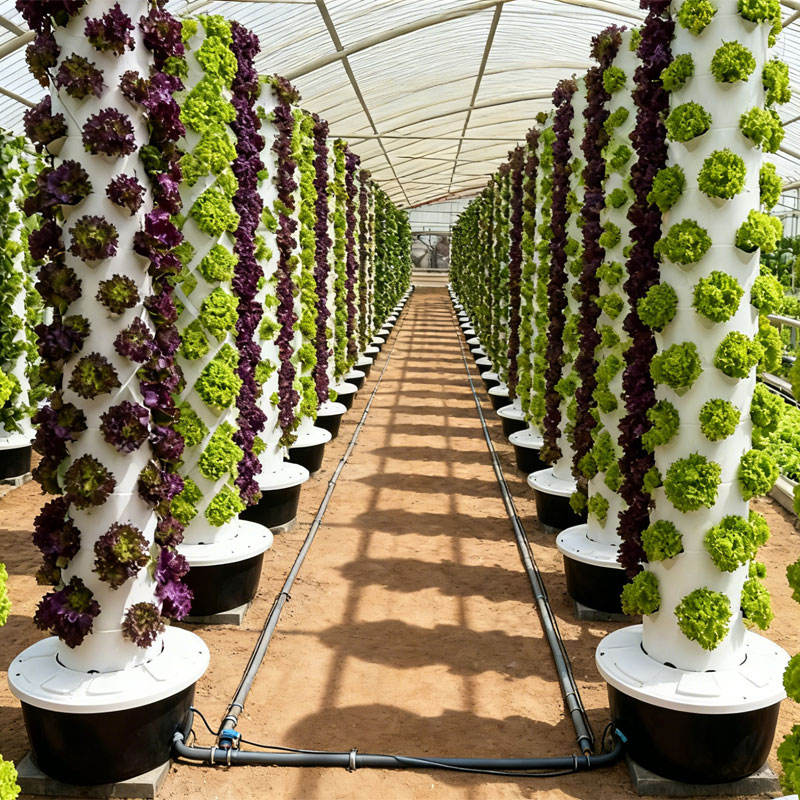
Vertical urban agriculture represents a revolutionary approach to food production that transforms traditional farming by growing crops in vertically stacked layers within controlled indoor environments. This innovative agricultural method utilizes advanced hydroponic, aeroponic, and aquaponic systems to cultivate fresh produce without soil, relying instead on nutrient-rich water solutions and precise environmental controls. The primary functions of vertical urban agriculture encompass maximizing crop yields per square foot, reducing water consumption through recirculation systems, and enabling year-round production regardless of external weather conditions. These facilities typically incorporate multi-tier growing structures that can reach several stories high, dramatically increasing productive capacity within limited urban spaces. The technological features driving vertical urban agriculture include LED lighting systems that provide optimal spectral outputs for photosynthesis, automated climate control mechanisms that regulate temperature and humidity, and sophisticated nutrient delivery systems that ensure plants receive precise mineral combinations. Advanced monitoring sensors continuously track plant health indicators, while robotic systems can handle planting, harvesting, and maintenance tasks with remarkable precision. Applications of vertical urban agriculture span commercial food production for local markets, educational programs in schools and universities, research facilities for agricultural innovation, and community-based food security initiatives. Urban restaurants increasingly partner with vertical farms to source ultra-fresh ingredients, while grocery chains establish on-site growing facilities to reduce transportation costs and guarantee product freshness. Healthcare institutions utilize vertical farming to provide therapeutic activities for patients while producing nutritious foods for meal programs. The integration of artificial intelligence and machine learning algorithms enables these systems to optimize growing conditions automatically, predict harvest timing, and minimize resource waste through data-driven decision making.
New Product Recommendations

Vertical urban agriculture delivers exceptional space efficiency by producing significantly more food per square foot compared to traditional horizontal farming methods. These systems can yield up to 365 times more produce annually than conventional agriculture while using 95% less water through closed-loop irrigation systems that recycle and purify water continuously. The controlled environment eliminates pesticide requirements, ensuring cleaner, healthier crops that meet organic standards without chemical interventions. Year-round production capabilities provide consistent harvests regardless of seasonal changes, extreme weather events, or climate fluctuations that often disrupt traditional farming operations. Urban proximity reduces transportation distances from farm to table, cutting logistics costs while ensuring maximum freshness and nutritional value for consumers. These facilities create local employment opportunities in urban areas while revitalizing unused buildings and transforming vacant lots into productive agricultural spaces. Energy-efficient LED lighting systems consume less electricity than traditional greenhouse heating and cooling systems, while precise nutrient management reduces fertilizer waste and environmental runoff. Vertical urban agriculture systems respond rapidly to market demands, allowing farmers to adjust crop varieties and quantities based on local preferences and seasonal requirements. The sterile growing environment prevents soil-borne diseases and pest infestations, resulting in higher success rates and more predictable yields for agricultural businesses. Water usage becomes dramatically more efficient as hydroponic and aeroponic systems deliver nutrients directly to plant roots, eliminating the waste associated with traditional irrigation methods. Labor costs decrease through automation technologies that handle repetitive tasks, while workers focus on system management and quality control activities. These advantages combine to create sustainable food production systems that address urban food security challenges while generating profitable returns for investors and operators.

Tips And Tricks

Hydroponic Vertical Farming_ Empowering Legal Cultivation Markets Globally

09

Feb

Hydroponic Vertical Farming_ Empowering Legal Cultivation Markets Globally

View More
Planting Containers: Unlocking New Possibilities for Smart Agriculture, Creating Efficient and Movable Planting Spaces

11

Mar

Planting Containers: Unlocking New Possibilities for Smart Agriculture, Creating Efficient and Movable Planting Spaces

View More
Vertical Farming Machines, Greenhouse Cultivation & Hydroponics: Reshaping the Future of Agriculture

09

Feb

Vertical Farming Machines, Greenhouse Cultivation & Hydroponics: Reshaping the Future of Agriculture

View More

Get a Free Quote

Our representative will contact you soon.
Email
Name
Company Name
Message
0/1000

vertical urban agriculture

Revolutionary Space Optimization Technology

Revolutionary Space Optimization Technology

Vertical urban agriculture transforms limited urban real estate into highly productive food production facilities through innovative multi-tier growing systems that maximize every available cubic foot of space. These sophisticated structures utilize vertical stacking techniques that can accommodate multiple growing levels within a single footprint, often reaching heights of 20 feet or more while maintaining optimal growing conditions throughout each tier. The space optimization technology incorporates modular growing towers, rotating cultivation systems, and adjustable shelf configurations that adapt to different crop requirements and growth stages. Advanced engineering ensures proper air circulation, light distribution, and nutrient delivery across all vertical levels, preventing the crowding and competition issues common in traditional farming. This revolutionary approach allows urban farmers to produce the equivalent output of several acres of traditional farmland within the confines of a standard warehouse or converted building. The modular design enables rapid expansion or reconfiguration based on market demands, seasonal preferences, or crop rotation schedules. Specialized growing mediums such as rock wool, coconut coir, and expanded clay pebbles provide optimal root support while facilitating efficient drainage and aeration. The vertical configuration also enables better pest management and disease prevention, as each level can be isolated and treated independently if necessary. Urban real estate becomes exponentially more valuable when converted to vertical farming applications, as property owners can generate continuous revenue streams from previously underutilized spaces. The technology accommodates diverse crop types simultaneously, from leafy greens and herbs to fruiting plants and microgreens, creating opportunities for diversified product portfolios that meet varied consumer demands throughout the year.
Precision Environmental Control Systems

Precision Environmental Control Systems

Vertical urban agriculture facilities feature comprehensive environmental control systems that create optimal growing conditions through precise management of temperature, humidity, lighting, and atmospheric composition. These advanced climate control technologies monitor and adjust environmental parameters continuously, ensuring plants receive exactly the conditions needed for maximum growth rates and nutritional content. LED lighting systems provide full-spectrum illumination tailored to specific crop requirements, with programmable intensity and duration settings that simulate natural sunlight patterns while optimizing energy efficiency. Temperature regulation systems maintain consistent growing conditions year-round, protecting crops from external weather fluctuations and enabling production of temperature-sensitive varieties in any climate zone. Humidity control mechanisms prevent fungal diseases and optimize transpiration rates, while advanced air filtration systems ensure clean, pathogen-free environments that eliminate the need for chemical pesticides or fungicides. Carbon dioxide supplementation systems enhance photosynthesis rates during peak growing periods, accelerating plant development and increasing yields significantly above natural growing conditions. Automated nutrient delivery systems provide precise mineral combinations directly to plant roots through hydroponic or aeroponic methods, eliminating soil variability and ensuring consistent nutrition throughout the growing cycle. Real-time monitoring sensors track plant health indicators, soil moisture levels, and environmental conditions, automatically adjusting system parameters to maintain optimal growing conditions. These precision control systems reduce human error, minimize resource waste, and enable consistent production quality that meets commercial standards for freshness, appearance, and nutritional value. The technology also provides detailed data analytics that help farmers optimize production schedules, predict harvest timing, and improve overall system efficiency through continuous performance monitoring and adjustment capabilities.
Sustainable Resource Management Excellence

Sustainable Resource Management Excellence

Vertical urban agriculture demonstrates exceptional sustainability through innovative resource management systems that minimize environmental impact while maximizing production efficiency and profitability. Water conservation technologies achieve remarkable efficiency through closed-loop hydroponic and aeroponic systems that recycle and purify water continuously, reducing consumption by up to 95% compared to traditional irrigation methods. These systems capture and filter all water runoff, treating it for reuse and eliminating agricultural pollution that typically affects groundwater and nearby water bodies. Energy sustainability comes through high-efficiency LED lighting systems that consume significantly less electricity than traditional greenhouse heating and cooling equipment, while smart controls optimize energy usage based on plant growth stages and external conditions. Waste reduction strategies transform organic plant materials into compost or biomass fuel, creating circular economy principles that eliminate agricultural waste streams entirely. Nutrient management systems deliver precise fertilizer quantities directly to plant roots, preventing excess nutrients from entering water systems and reducing the environmental impact associated with traditional fertilizer application methods. Carbon footprint reduction occurs through local production that eliminates long-distance transportation, while the controlled environment enables carbon capture and utilization systems that enhance plant growth. Resource efficiency extends to packaging and distribution, as proximity to urban markets reduces transportation costs and packaging requirements while ensuring maximum product freshness. The sustainable approach attracts environmentally conscious consumers willing to pay premium prices for locally grown, pesticide-free produce with minimal environmental impact. Labor sustainability develops through skill-building programs that provide urban employment opportunities in emerging agricultural technologies, creating career advancement paths in sustainable food production. These resource management practices position vertical urban agriculture as a responsible solution to food security challenges while demonstrating profitable business models that benefit communities, environment, and economic development simultaneously.

Get a Free Quote

Our representative will contact you soon.
Email
Name
Company Name
Message
0/1000