Advanced Vertical Farming Greenhouse Solutions: Maximize Crop Yields with Sustainable Indoor Agriculture Technology

Get a Free Quote

Our representative will contact you soon.
Email
Name
Company Name
Message
0/1000

vertical farming greenhouse

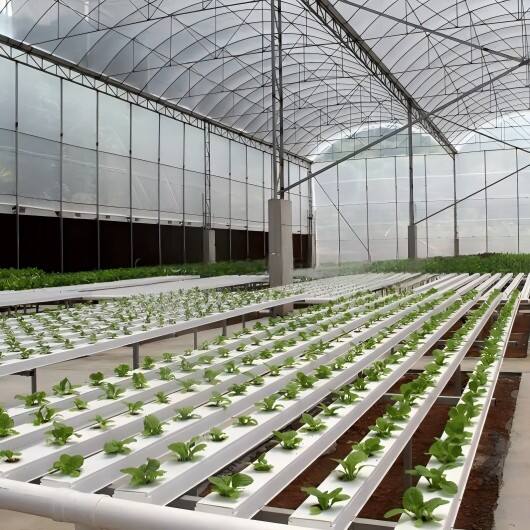
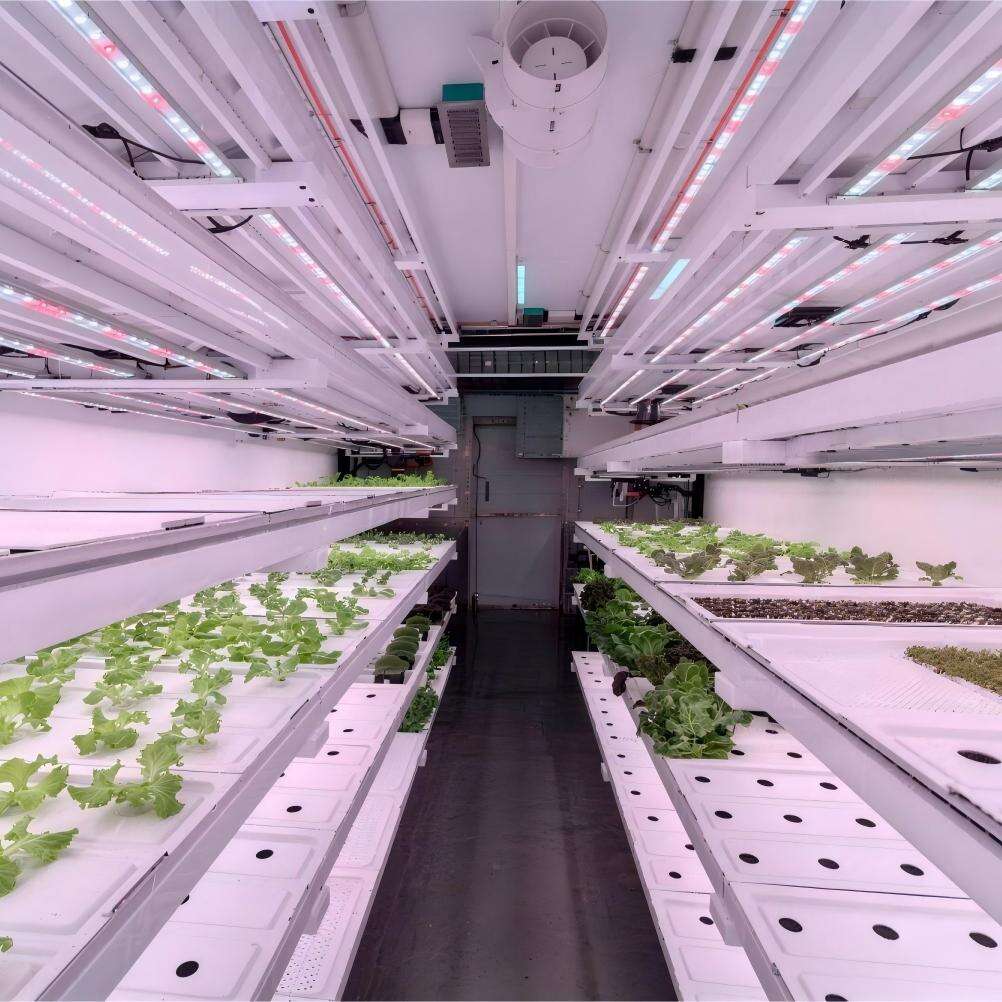
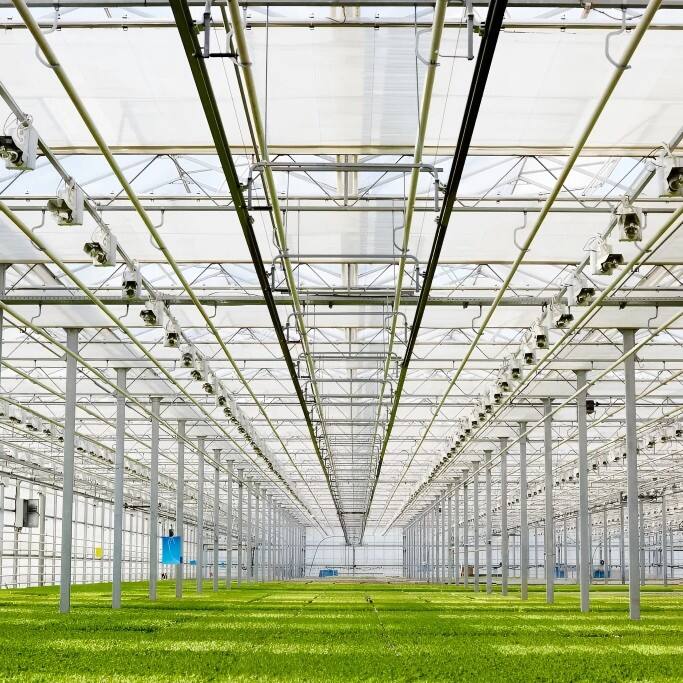
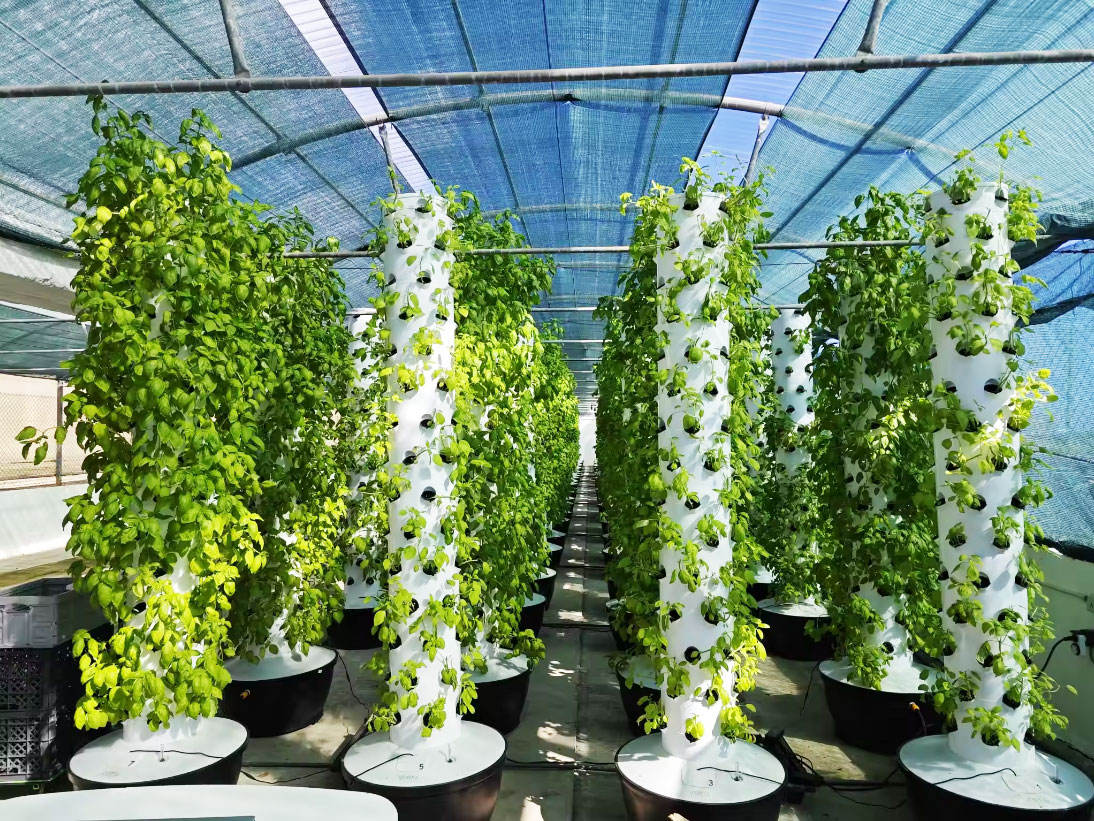
The vertical farming greenhouse represents a revolutionary approach to modern agriculture, combining traditional greenhouse principles with innovative vertical growing systems to maximize crop production within limited space. This advanced agricultural facility utilizes multi-level growing platforms that stack crops vertically, creating multiple growing surfaces within a single structure. The vertical farming greenhouse incorporates sophisticated climate control systems, automated irrigation networks, and precision lighting technology to create optimal growing conditions for various crops year-round. These facilities typically feature multiple growing tiers, each equipped with specialized LED lighting arrays that provide customized light spectrums for different plant growth stages. The integrated environmental control systems monitor and adjust temperature, humidity, air circulation, and nutrient delivery to ensure consistent crop quality and yields. Modern vertical farming greenhouse designs include hydroponic or aeroponic growing systems that eliminate soil dependency while reducing water consumption by up to 95 percent compared to traditional farming methods. The structural design incorporates energy-efficient materials and advanced insulation systems to minimize operational costs while maintaining stable internal conditions. Automated seed planting, transplanting, and harvesting equipment streamlines operations and reduces labor requirements. The vertical farming greenhouse serves multiple applications including commercial vegetable production, leafy greens cultivation, herb farming, and research facilities for agricultural innovation. These systems prove particularly valuable in urban environments where land availability is limited, enabling local food production near consumer markets. Educational institutions utilize smaller vertical farming greenhouse units for research and training purposes, while commercial operations deploy large-scale facilities for continuous crop production. The technology supports sustainable agriculture practices by minimizing pesticide use, eliminating agricultural runoff, and reducing transportation costs through localized production.
New Product Recommendations

The vertical farming greenhouse delivers exceptional space efficiency by producing significantly more crops per square foot compared to traditional farming methods. This innovative system allows farmers to grow multiple crop layers within the same footprint, increasing yields by 300 to 400 percent while using substantially less land. The controlled environment eliminates weather-related crop losses, ensuring consistent harvests throughout the year regardless of external climate conditions. Water conservation becomes a major advantage as these systems use precise irrigation methods that reduce water consumption by up to 95 percent through recirculation and targeted delivery systems. The vertical farming greenhouse protects crops from pests, diseases, and environmental contaminants without requiring harmful pesticides or herbicides, resulting in cleaner, healthier produce. Year-round production capability enables continuous harvesting cycles, providing steady income streams and meeting constant market demand for fresh produce. The controlled growing environment allows farmers to optimize growing conditions for specific crops, resulting in faster growth rates, improved nutritional content, and enhanced flavor profiles. Labor efficiency improves dramatically through automation systems that handle routine tasks like watering, nutrient delivery, and environmental monitoring, reducing operational costs and human error. The vertical farming greenhouse enables local food production in urban areas, significantly reducing transportation costs, carbon emissions, and delivery times while providing fresher produce to consumers. Energy efficiency advances through LED lighting systems that consume less power while providing optimal light spectrums for plant growth, reducing operational expenses over time. The predictable growing environment allows for precise crop planning and scheduling, enabling farmers to meet specific market demands and delivery commitments consistently. Quality control becomes easier as the enclosed system prevents contamination while allowing continuous monitoring of plant health and growing conditions. The vertical farming greenhouse reduces dependency on chemical fertilizers through precise nutrient management systems that deliver exactly what plants need when they need it. This approach minimizes environmental impact while maintaining high productivity levels, making it an ideal solution for sustainable agriculture initiatives and urban food security programs.

Latest News

Hydroponic Vertical Farming_ Empowering Legal Cultivation Markets Globally

09

Feb

Hydroponic Vertical Farming_ Empowering Legal Cultivation Markets Globally

View More
Planting Containers: Unlocking New Possibilities for Smart Agriculture, Creating Efficient and Movable Planting Spaces

11

Mar

Planting Containers: Unlocking New Possibilities for Smart Agriculture, Creating Efficient and Movable Planting Spaces

View More
Vertical Farming Machines, Greenhouse Cultivation & Hydroponics: Reshaping the Future of Agriculture

09

Feb

Vertical Farming Machines, Greenhouse Cultivation & Hydroponics: Reshaping the Future of Agriculture

View More

Get a Free Quote

Our representative will contact you soon.
Email
Name
Company Name
Message
0/1000

vertical farming greenhouse

Maximum Space Utilization Through Multi-Level Growing Systems

Maximum Space Utilization Through Multi-Level Growing Systems

The vertical farming greenhouse revolutionizes agricultural productivity through its innovative multi-level growing architecture that maximizes crop output within minimal floor space. This sophisticated design stacks multiple growing platforms vertically, creating numerous cultivation surfaces that can accommodate different crops simultaneously. Each level operates independently with customized growing conditions, allowing farmers to optimize environmental parameters for specific plant varieties. The system typically includes adjustable shelving units that can be modified to accommodate crops of varying heights and growth patterns. Advanced structural engineering ensures each growing level receives adequate support while maintaining accessibility for maintenance and harvesting operations. The vertical configuration enables farmers to produce the equivalent of several acres of traditional farmland within a compact greenhouse structure. This space efficiency proves particularly valuable in urban environments where real estate costs are high and available land is scarce. The multi-level system incorporates sophisticated spacing calculations that balance light penetration, air circulation, and worker accessibility to ensure optimal growing conditions throughout all levels. Modern vertical farming greenhouse designs include mobile growing platforms that can be repositioned for maintenance, cleaning, and crop rotation purposes. The vertical arrangement also facilitates efficient resource distribution, with centralized systems delivering water, nutrients, and climate control to all growing levels through integrated distribution networks. This design approach reduces infrastructure costs per growing surface while maintaining consistent environmental conditions across all cultivation areas. The compact footprint of the vertical farming greenhouse makes it suitable for installation in warehouses, urban buildings, and other repurposed structures, expanding agricultural possibilities in previously unsuitable locations. The multi-level configuration also enables crop diversification within a single facility, allowing farmers to grow different varieties simultaneously and respond quickly to changing market demands while maintaining continuous production cycles throughout the year.
Advanced Climate Control and Environmental Management Systems

Advanced Climate Control and Environmental Management Systems

The vertical farming greenhouse incorporates state-of-the-art environmental control technology that creates perfect growing conditions for crops while minimizing resource consumption and operational costs. These sophisticated systems monitor and adjust multiple environmental parameters including temperature, humidity, air circulation, carbon dioxide levels, and lighting conditions in real-time. Advanced sensors throughout the facility continuously collect data on plant health, growth rates, and environmental conditions, feeding information to automated control systems that make precise adjustments to optimize growing conditions. The climate control system maintains consistent temperatures year-round, protecting crops from extreme weather conditions and enabling continuous production regardless of external climate variations. Humidity management systems prevent moisture-related diseases while ensuring plants receive adequate water vapor for optimal growth and transpiration. The integrated air circulation network provides fresh air exchange while maintaining optimal carbon dioxide concentrations that enhance photosynthesis and accelerate plant growth. The vertical farming greenhouse utilizes precision irrigation systems that deliver exact amounts of water and nutrients directly to plant root zones, eliminating waste and reducing water consumption dramatically. These automated systems can be programmed for different crop varieties, adjusting watering schedules, nutrient concentrations, and delivery methods based on specific plant requirements and growth stages. The environmental control technology includes backup systems and redundant components that ensure continuous operation even during equipment maintenance or unexpected failures. Energy management systems optimize power consumption by coordinating lighting schedules, climate control operations, and equipment usage to minimize electricity costs while maintaining ideal growing conditions. The advanced monitoring capabilities enable remote management and troubleshooting, allowing operators to monitor facility conditions and make adjustments from any location. This comprehensive environmental control approach results in faster crop growth, higher yields, improved quality, and reduced resource consumption compared to traditional greenhouse operations, making the vertical farming greenhouse an efficient and sustainable agricultural solution.
Sustainable Agricultural Practices and Resource Efficiency

Sustainable Agricultural Practices and Resource Efficiency

The vertical farming greenhouse embodies sustainable agriculture principles through innovative resource management systems that dramatically reduce environmental impact while maintaining high productivity levels. This advanced growing system eliminates the need for pesticides and herbicides by creating a controlled environment that naturally prevents pest infestations and disease outbreaks. The enclosed structure protects crops from external contaminants, airborne pollutants, and weather-related stresses that typically require chemical interventions in traditional farming. Water conservation represents a major sustainability advantage, as the vertical farming greenhouse uses hydroponic or aeroponic systems that recirculate water continuously, reducing consumption by up to 95 percent compared to conventional agriculture. The precise nutrient delivery systems eliminate agricultural runoff that can contaminate groundwater and nearby ecosystems, while automated monitoring ensures plants receive exactly the nutrients they need without excess that could create environmental problems. Energy efficiency improvements come through LED lighting technology that provides optimal light spectrums for plant growth while consuming significantly less electricity than traditional grow lights. The vertical farming greenhouse incorporates renewable energy integration capabilities, allowing facilities to utilize solar panels, wind power, or other sustainable energy sources to reduce carbon footprints further. Soil conservation benefits emerge as these systems operate without topsoil, preserving valuable agricultural land for other uses while preventing soil erosion and degradation. The local production model reduces transportation requirements, cutting fuel consumption and emissions associated with moving produce from distant farms to urban markets. Waste reduction occurs through precise resource management that minimizes unused inputs and enables composting of plant materials within closed-loop systems. The vertical farming greenhouse supports biodiversity preservation by reducing pressure on natural ecosystems that might otherwise be converted to agricultural use. Year-round production capabilities reduce the need for imported produce during off-seasons, supporting food security while minimizing international transportation emissions. These sustainable practices make the vertical farming greenhouse an environmentally responsible choice that addresses climate change concerns while meeting growing food production demands in an increasingly urbanized world.

Get a Free Quote

Our representative will contact you soon.
Email
Name
Company Name
Message
0/1000