Urban Vertical Farming Solutions: Sustainable Agriculture Technology for Maximum Yield and Space Optimization

Get a Free Quote

Our representative will contact you soon.
Email
Name
Company Name
Message
0/1000

urban vertical farming

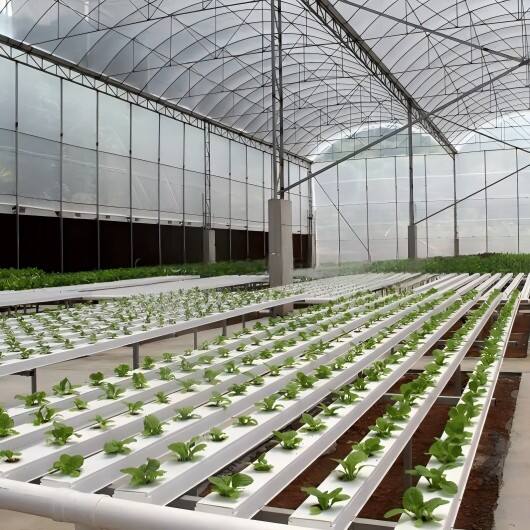
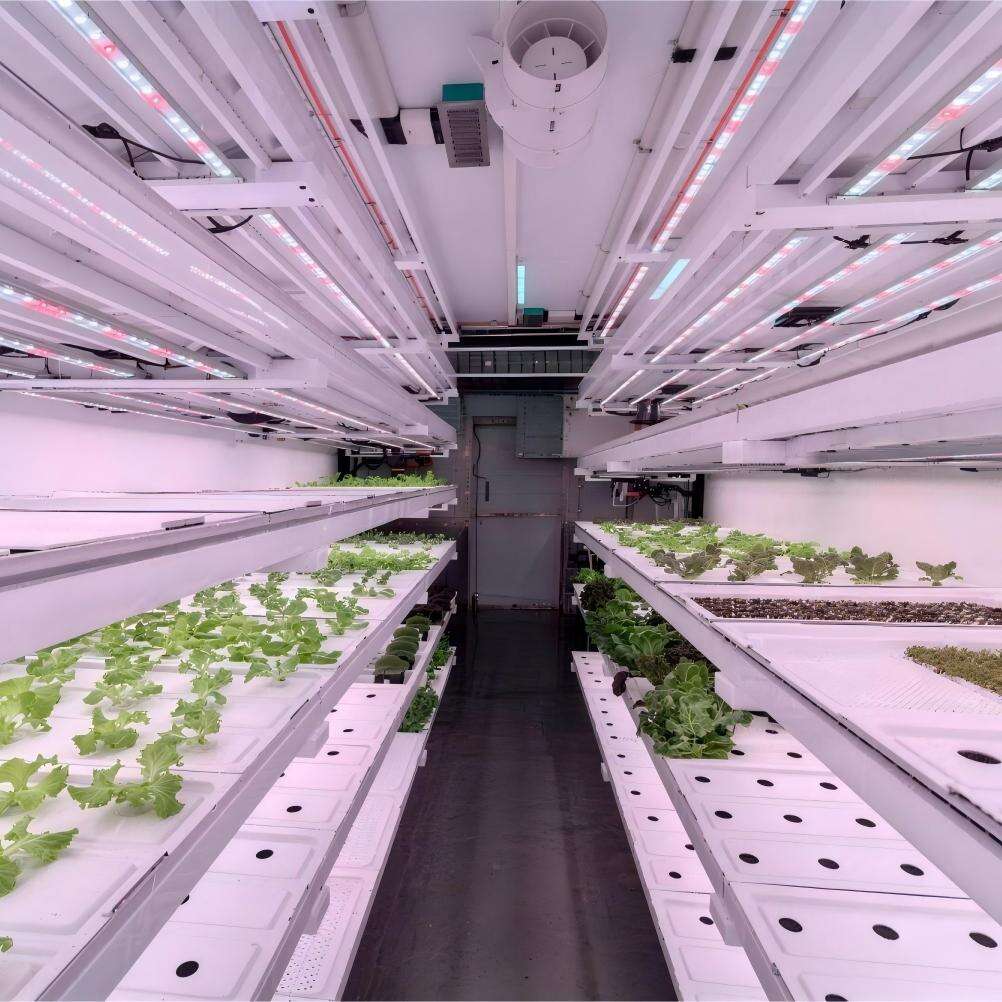
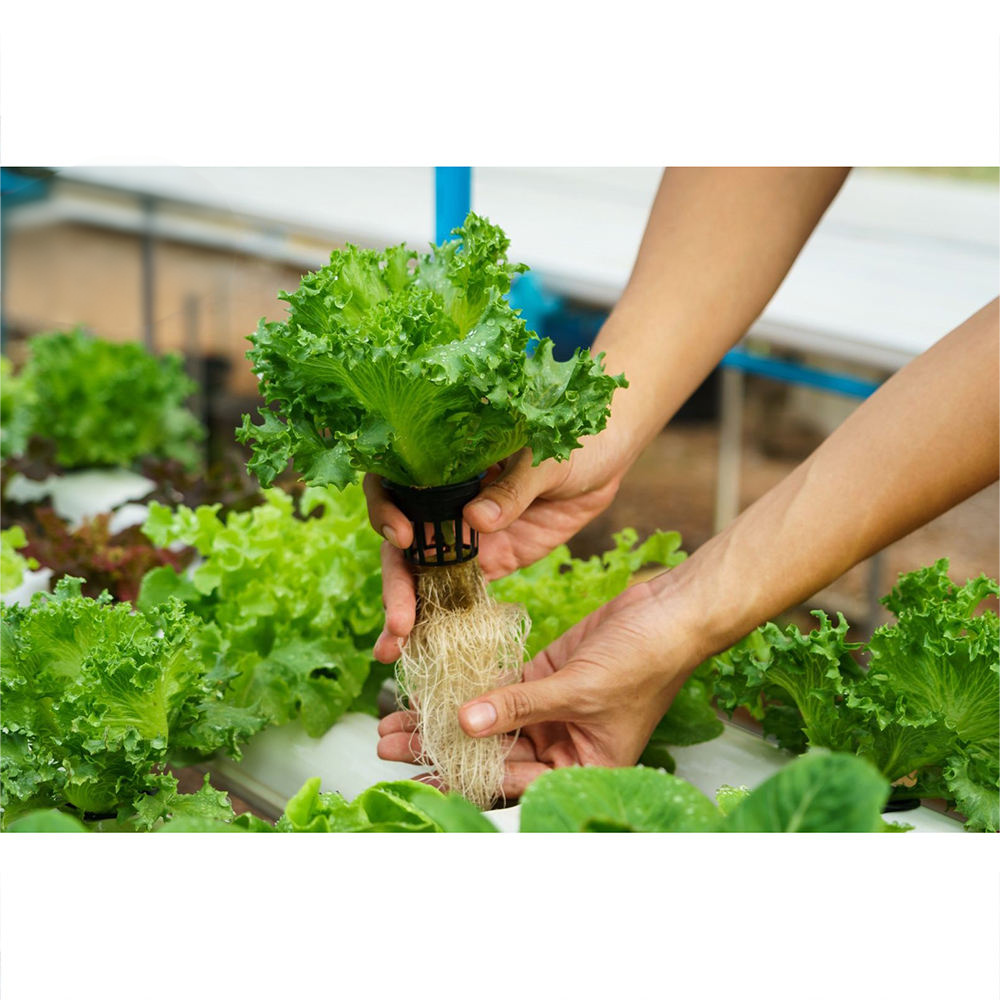
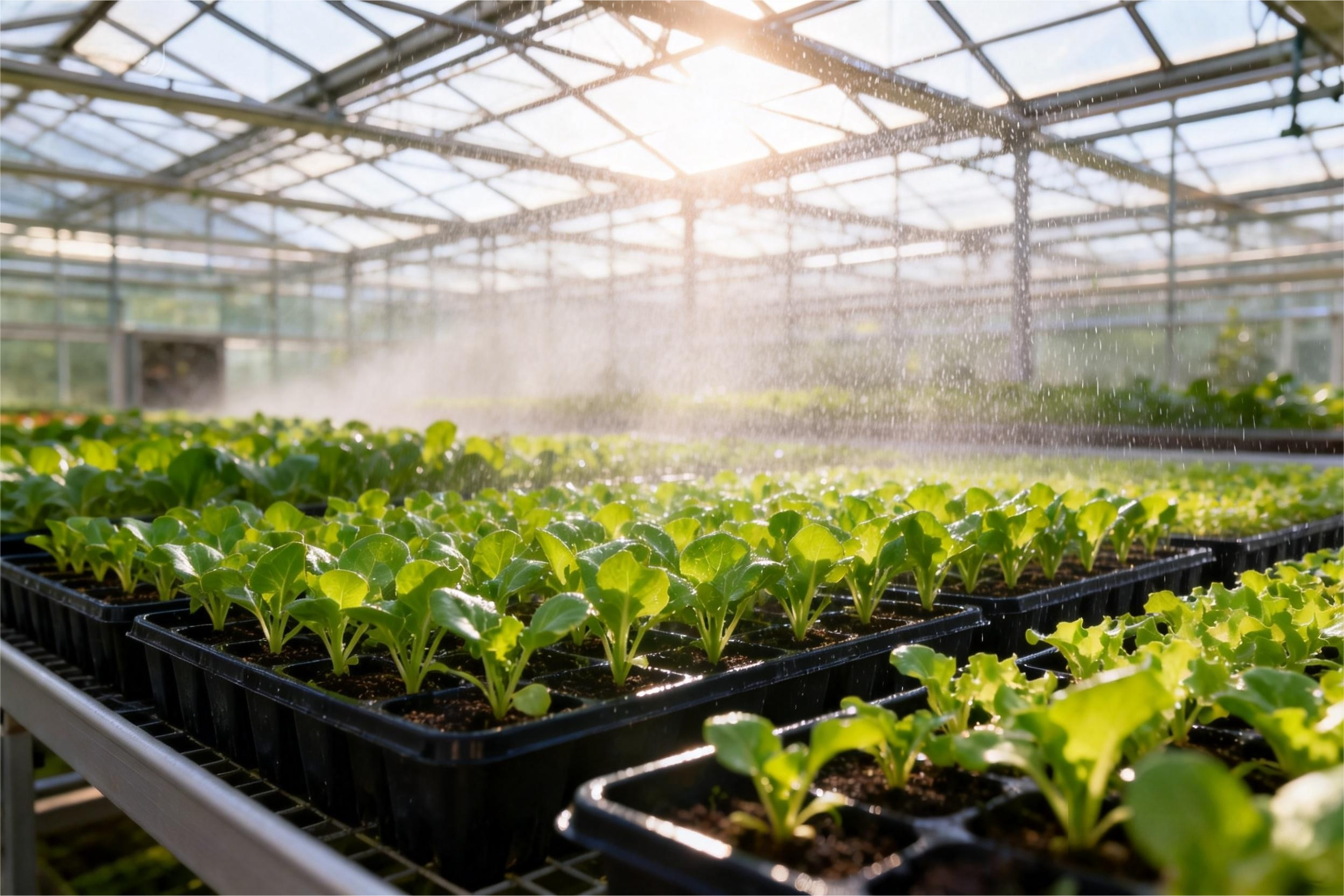
Urban vertical farming represents a revolutionary agricultural approach that transforms food production within metropolitan environments through innovative multi-level growing systems. This cutting-edge methodology utilizes vertically stacked layers to cultivate crops in controlled indoor environments, maximizing agricultural output while minimizing land usage requirements. The technology integrates advanced hydroponic, aeroponic, and aquaponic systems with precision-controlled environmental conditions including LED lighting, climate management, and automated nutrient delivery systems. Urban vertical farming facilities typically employ soilless cultivation methods, utilizing nutrient-rich water solutions or growing mediums like coconut fiber, perlite, or rock wool to support plant growth. The main functions encompass year-round crop production, resource optimization, and sustainable food security enhancement for densely populated areas. Technological features include sophisticated sensor networks that monitor pH levels, nutrient concentrations, temperature, humidity, and light intensity in real-time. Automated irrigation systems deliver precise amounts of water and nutrients directly to plant roots, reducing waste and ensuring optimal growing conditions. Advanced LED lighting systems provide customized light spectrums tailored to specific crop requirements, promoting faster growth cycles and enhanced nutritional content. Climate control systems maintain ideal temperature and humidity levels regardless of external weather conditions. The applications span commercial food production, educational institutions, research facilities, and community food programs. These systems prove particularly valuable in regions with limited arable land, harsh climatic conditions, or food security challenges. Urban vertical farming installations range from small-scale residential units to large commercial facilities producing thousands of pounds of fresh produce annually. The technology enables cultivation of leafy greens, herbs, strawberries, tomatoes, and various specialty crops throughout all seasons, providing consistent harvests independent of traditional agricultural limitations.
New Product Recommendations

Urban vertical farming delivers exceptional benefits that transform how communities access fresh, nutritious produce while addressing critical environmental and economic challenges. This innovative approach produces significantly higher yields per square foot compared to traditional farming methods, with some systems generating up to 390 times more food in the same space. The controlled environment eliminates weather-related crop failures, ensuring consistent harvests throughout the year regardless of seasonal variations or climate disruptions. Water conservation represents another major advantage, as these systems use up to 95 percent less water than conventional agriculture through precise irrigation and water recycling technologies. The elimination of pesticides and herbicides creates cleaner, safer food products while protecting local ecosystems from chemical runoff contamination. Transportation costs and carbon emissions decrease substantially when food production occurs directly within urban centers, reducing the average distance from farm to table from thousands of miles to mere blocks. Urban vertical farming systems enable faster crop cycles, with many vegetables maturing 30-50 percent quicker than field-grown alternatives due to optimized growing conditions. The technology creates new employment opportunities in urban areas, from facility management to crop monitoring and harvesting positions. Energy efficiency improvements continue advancing through LED technology developments and renewable energy integration, making operations increasingly sustainable. These facilities require no soil, preventing erosion and eliminating concerns about soil contamination or depletion. The controlled environment protects crops from pests, diseases, and extreme weather events that frequently devastate traditional farms. Urban vertical farming provides food security for growing urban populations while reducing dependence on distant agricultural regions. The systems offer educational opportunities for communities to learn about sustainable agriculture and nutrition. Fresh produce availability improves dramatically in food deserts and underserved neighborhoods. The technology supports local economic development by keeping food dollars within communities rather than sending profits to distant agricultural corporations. Investment returns prove attractive as demand for locally-grown, pesticide-free produce continues rising among health-conscious consumers.

Practical Tips

Hydroponic Vertical Farming_ Empowering Legal Cultivation Markets Globally

09

Feb

Hydroponic Vertical Farming_ Empowering Legal Cultivation Markets Globally

View More
Planting Containers: Unlocking New Possibilities for Smart Agriculture, Creating Efficient and Movable Planting Spaces

11

Mar

Planting Containers: Unlocking New Possibilities for Smart Agriculture, Creating Efficient and Movable Planting Spaces

View More
Vertical Farming Machines, Greenhouse Cultivation & Hydroponics: Reshaping the Future of Agriculture

09

Feb

Vertical Farming Machines, Greenhouse Cultivation & Hydroponics: Reshaping the Future of Agriculture

View More

Get a Free Quote

Our representative will contact you soon.
Email
Name
Company Name
Message
0/1000

urban vertical farming

Space Optimization and Maximum Yield Efficiency

Space Optimization and Maximum Yield Efficiency

Urban vertical farming revolutionizes agricultural productivity through extraordinary space optimization that delivers unmatched yield efficiency in compact environments. This groundbreaking approach stacks multiple growing levels vertically, effectively multiplying available growing space without expanding the physical footprint. A single urban vertical farming facility occupying just 1,000 square feet can produce the equivalent of several acres of traditional farmland, making it an ideal solution for land-scarce urban environments. The vertical configuration allows growers to cultivate crops on multiple tiers simultaneously, with some facilities featuring 10-20 growing levels within a single structure. This three-dimensional approach to agriculture maximizes every cubic foot of available space, transforming unused urban buildings, warehouses, and rooftops into productive agricultural centers. The space efficiency extends beyond simple multiplication of growing area, as the controlled environment eliminates the need for buffer zones, access roads, and weather protection structures required in traditional farming. Each growing level receives precisely calibrated lighting, nutrition, and environmental conditions, ensuring optimal plant development throughout the facility. The compact design enables installation in urban locations close to consumers, reducing transportation requirements and associated costs. Urban vertical farming systems can be customized to fit various building configurations, from narrow urban lots to repurposed industrial facilities, making productive agriculture accessible in previously unsuitable locations. The efficiency gains prove particularly valuable in expensive urban real estate markets where land costs make traditional agriculture economically unfeasible. This space optimization capability enables cities to achieve greater food self-sufficiency while maintaining urban development priorities. The technology supports urban planning initiatives by providing productive land use that generates economic value while contributing to community food security. The concentrated production model reduces urban sprawl pressure by making agriculture compatible with dense urban environments.
Year-Round Climate-Controlled Production

Year-Round Climate-Controlled Production

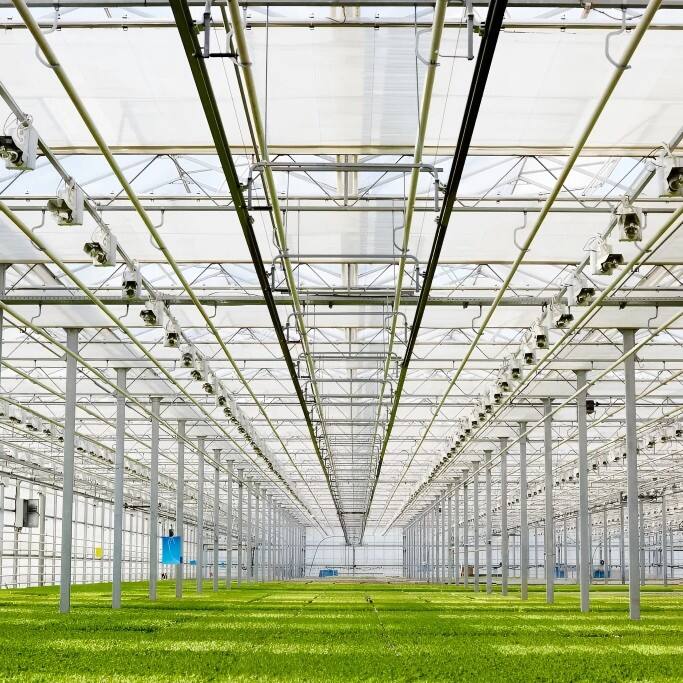
Urban vertical farming eliminates seasonal limitations and weather dependencies through sophisticated climate-controlled production systems that maintain optimal growing conditions 365 days per year. This revolutionary approach transforms agriculture from a weather-dependent activity into a precision-controlled manufacturing process that delivers consistent, predictable harvests regardless of external environmental conditions. The climate control technology regulates temperature, humidity, air circulation, and atmospheric composition within narrow parameters tailored to specific crop requirements, creating ideal growing environments that surpass even the most favorable natural conditions. Advanced environmental management systems monitor and adjust conditions in real-time, responding instantly to any variations that might affect plant growth or development. The controlled atmosphere protection shields crops from extreme weather events, including droughts, floods, hurricanes, and temperature fluctuations that regularly devastate traditional outdoor agriculture. This reliability enables continuous production scheduling and consistent supply chain management, providing retailers and consumers with dependable access to fresh produce throughout all seasons. The technology eliminates growing season restrictions that limit traditional farming to specific months, allowing multiple harvest cycles per year for crops that would typically produce only one annual harvest outdoors. Temperature control systems maintain optimal ranges for different growth stages, accelerating plant development and improving overall crop quality. Humidity management prevents plant stress and disease development while optimizing transpiration rates for maximum nutrient uptake. The controlled environment excludes airborne contaminants, pests, and pathogens that commonly affect outdoor crops, reducing crop losses and eliminating the need for chemical treatments. Air filtration systems ensure clean growing environments free from urban pollutants and allergens. The climate control capability enables cultivation of crops that would be impossible to grow in local outdoor conditions, expanding agricultural diversity in any geographic location and providing communities with access to a broader range of fresh, nutritious produce year-round.
Sustainable Resource Management and Environmental Benefits

Sustainable Resource Management and Environmental Benefits

Urban vertical farming exemplifies sustainable resource management through innovative technologies that dramatically reduce environmental impact while maximizing agricultural productivity and resource efficiency. The sophisticated water management systems employed in these facilities achieve up to 95 percent water savings compared to traditional agriculture by utilizing closed-loop hydroponic and aeroponic systems that recycle and reuse water continuously. Precise nutrient delivery systems provide plants with exactly the minerals and nutrients they require, eliminating waste and preventing soil and groundwater contamination that commonly results from traditional fertilizer applications. The soilless growing methods protect natural soil resources from depletion and erosion while eliminating agricultural runoff that contributes to waterway pollution and ecosystem disruption. Energy-efficient LED lighting systems consume significantly less electricity than traditional growing methods while providing customized light spectrums that optimize photosynthesis and plant development. These systems can be powered by renewable energy sources, including solar panels and wind turbines, creating carbon-neutral or carbon-negative food production facilities. The elimination of pesticides and herbicides protects beneficial insects, soil microorganisms, and surrounding ecosystems while producing cleaner, safer food products for consumers. Local food production substantially reduces transportation-related carbon emissions, packaging requirements, and food waste associated with long-distance shipping and extended storage periods. Urban vertical farming facilities can process organic waste from surrounding urban areas into compost and nutrients, creating circular economy systems that reduce municipal waste streams. The controlled environment prevents agricultural chemicals from entering local water supplies and ecosystems, protecting biodiversity and human health. The technology enables carbon sequestration through increased urban plant biomass and reduced reliance on carbon-intensive traditional agriculture. Resource efficiency extends to land use, as these systems preserve natural habitats and agricultural lands for other purposes while meeting urban food production needs. The sustainable practices create resilient local food systems that reduce dependence on distant agricultural regions and improve community food security while supporting environmental conservation goals.

Get a Free Quote

Our representative will contact you soon.
Email
Name
Company Name
Message
0/1000