vertical farm building
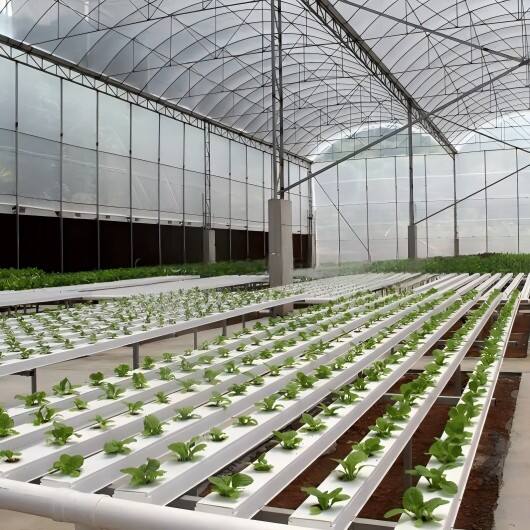
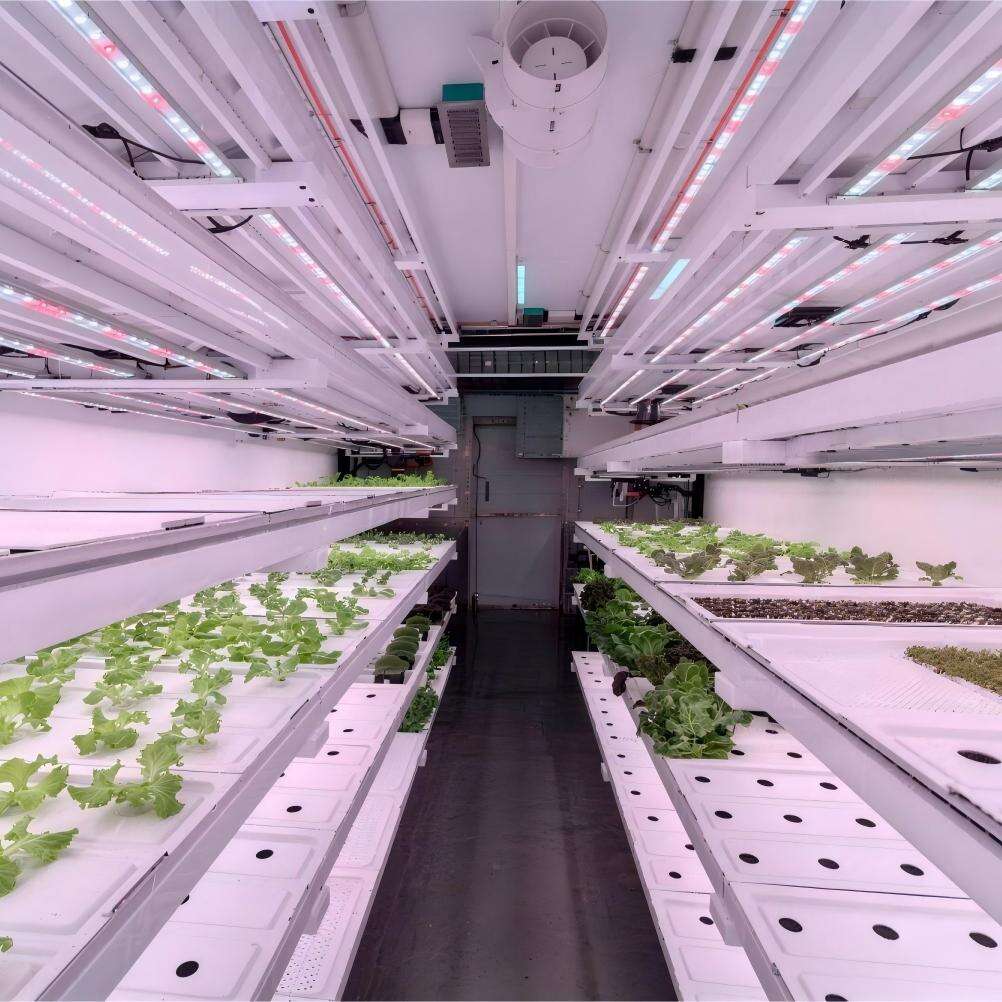
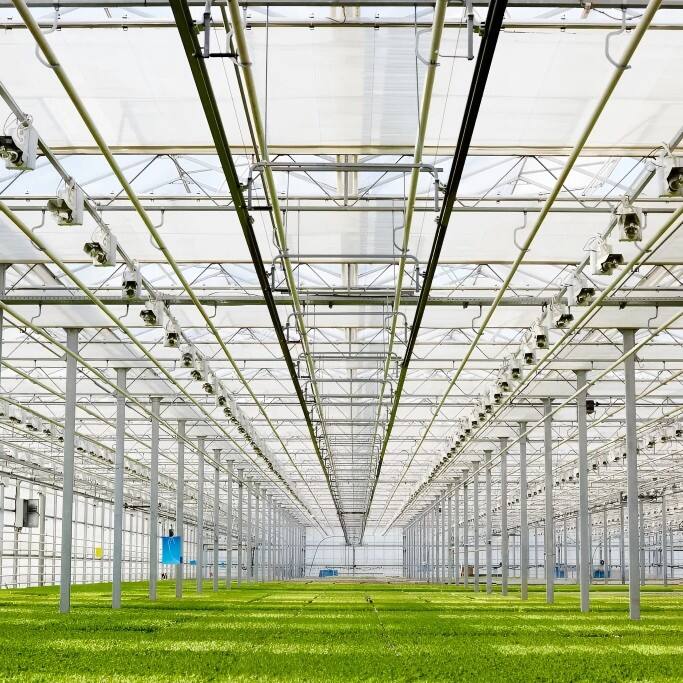
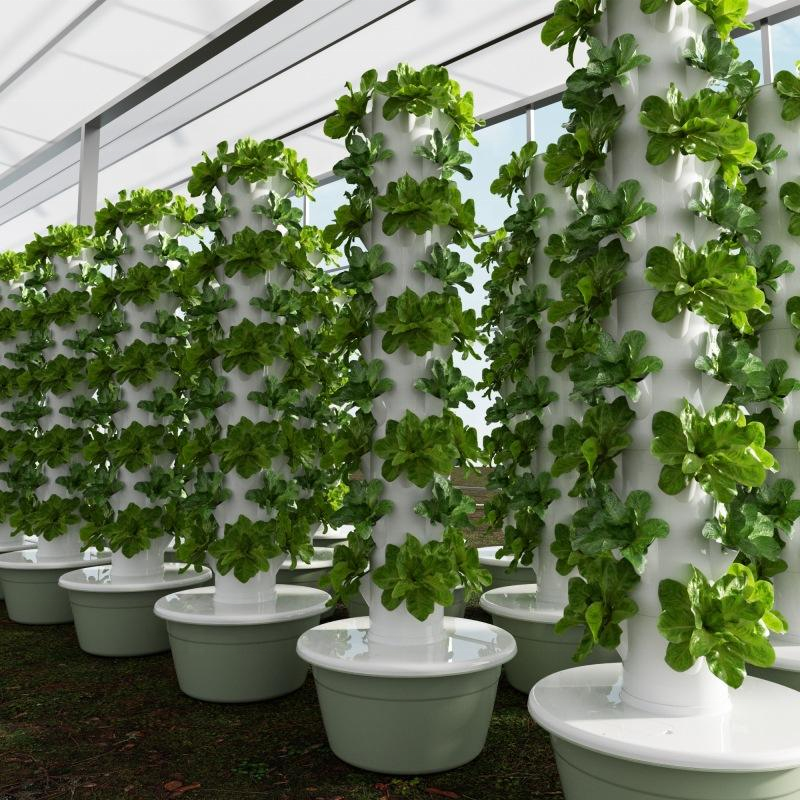
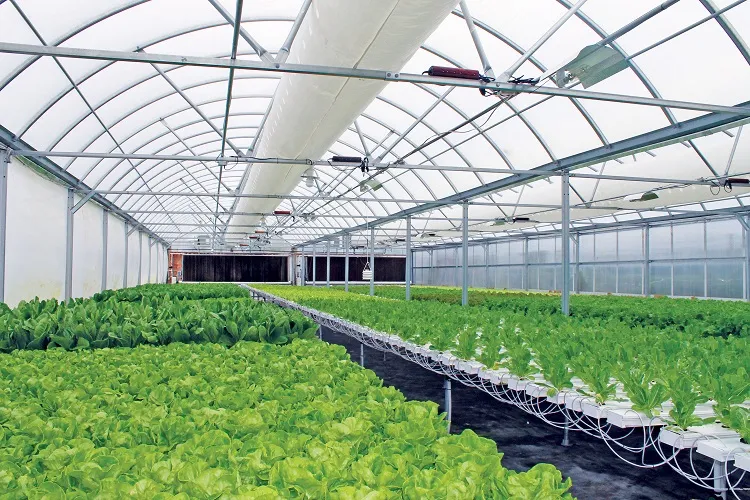
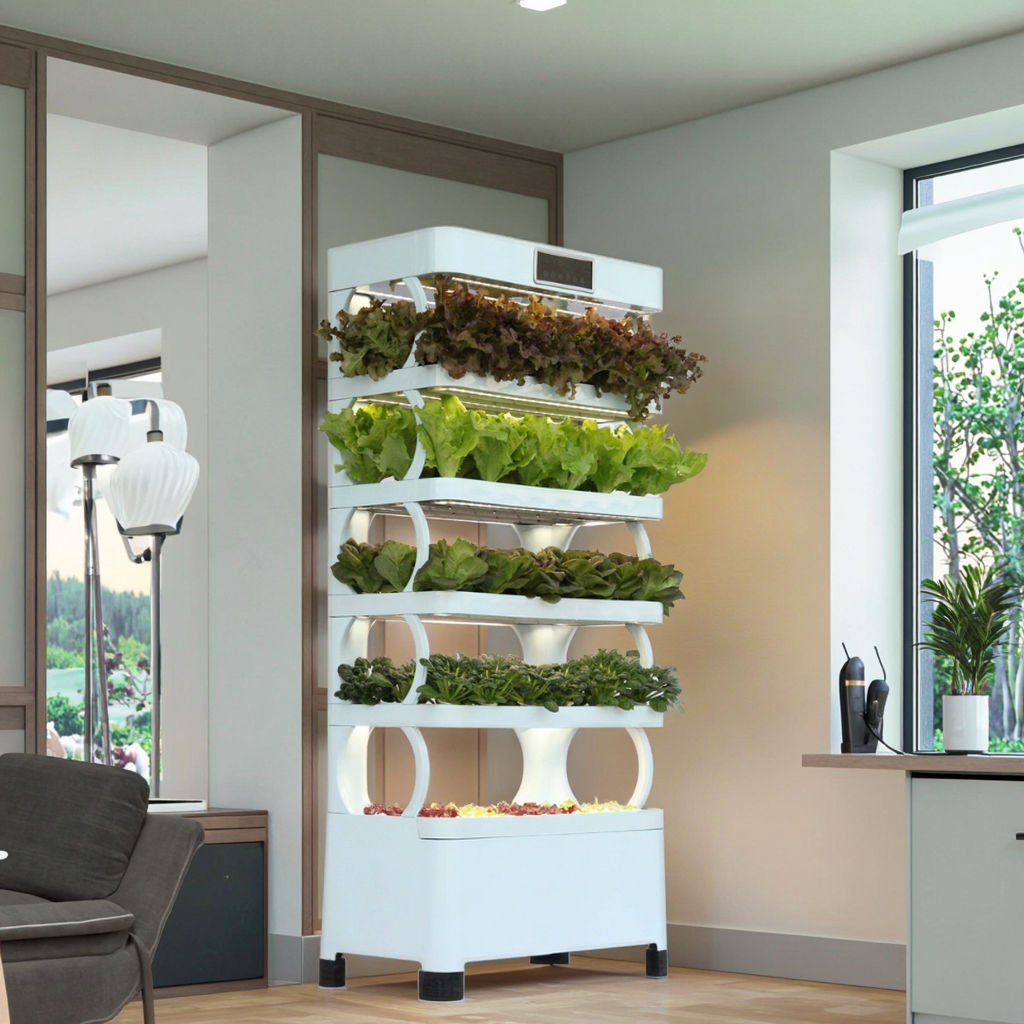
A vertical farm building represents a revolutionary approach to modern agriculture that transforms traditional farming methods through innovative architectural design and cutting-edge technology. This multi-story agricultural facility utilizes controlled environment agriculture techniques to grow crops in vertically stacked layers, maximizing food production while minimizing land use. The vertical farm building incorporates sophisticated systems including LED lighting arrays, hydroponic or aeroponic growing systems, climate control mechanisms, and automated nutrient delivery systems. These structures typically feature modular growing units that can be customized for different crop types, from leafy greens and herbs to strawberries and tomatoes. The building design integrates seamless monitoring systems that track temperature, humidity, pH levels, and nutrient concentrations in real-time. Advanced sensors throughout the vertical farm building ensure optimal growing conditions while automated irrigation systems deliver precise amounts of water and nutrients to each plant. The facility often includes research laboratories, processing areas, and packaging zones, creating a complete farm-to-table operation within a single structure. Energy efficiency remains paramount in vertical farm building design, with many facilities incorporating renewable energy sources such as solar panels or wind turbines. The building envelope utilizes high-performance insulation and glazing systems to maintain internal climate conditions while reducing energy consumption. Waste management systems within the vertical farm building enable resource recovery and circular economy principles, converting organic waste into compost or biogas. These facilities can operate year-round regardless of external weather conditions, providing consistent crop yields and reducing dependency on seasonal variations. The vertical farm building serves various applications including commercial food production, research and development, educational programs, and community food security initiatives, making it an essential component of sustainable urban development strategies.
 ×
×

 EN
EN