Aero Vertical Farming: Revolutionary Space-Efficient Agriculture Technology for Maximum Yield Production

Get a Free Quote

Our representative will contact you soon.
Email
Name
Company Name
Message
0/1000

aero vertical farming

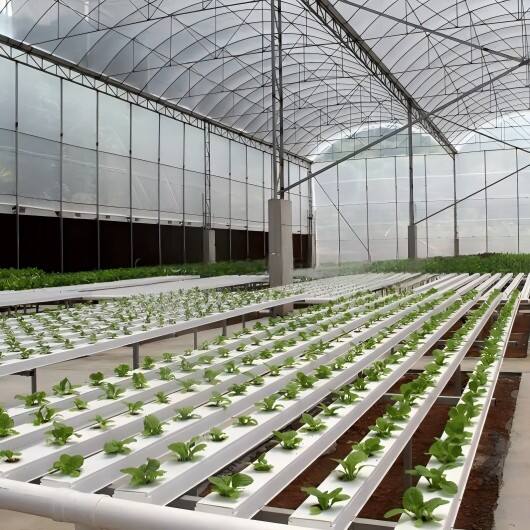
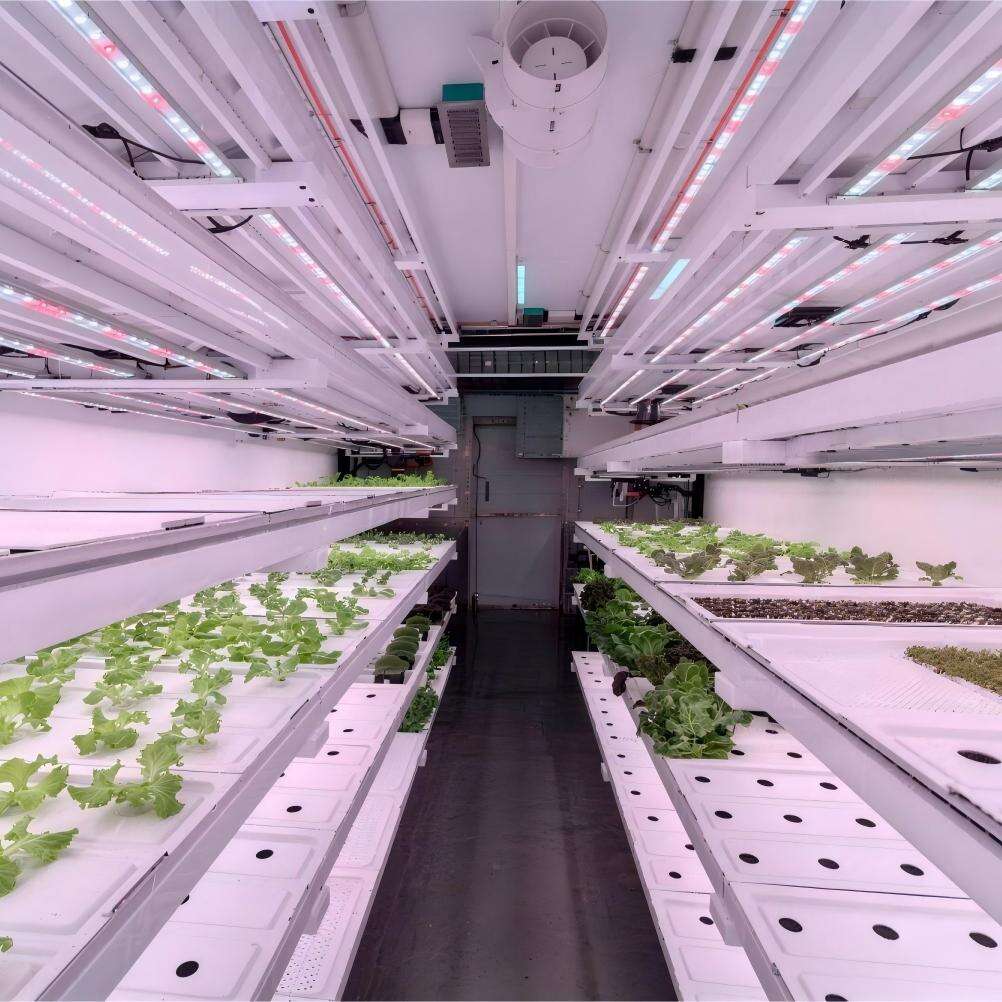
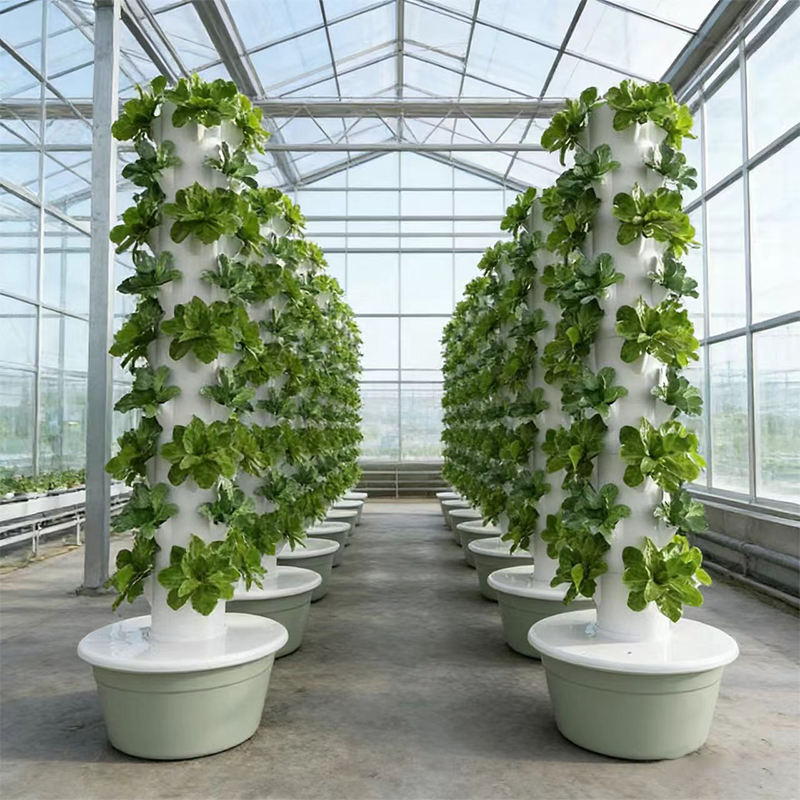
Aero vertical farming represents a revolutionary approach to agriculture that combines advanced aeroponic technology with vertical growing systems to maximize crop production in minimal space. This innovative method suspends plant roots in air and delivers nutrients through a fine mist spray, eliminating the need for soil or traditional growing mediums. The system utilizes tower-like structures that stack growing levels vertically, allowing farmers to produce significantly more crops per square foot compared to conventional farming methods. The main functions of aero vertical farming include precise nutrient delivery, optimal space utilization, and controlled environmental conditions. Plants receive exactly the nutrients they need through a carefully calibrated misting system that delivers water and dissolved minerals directly to exposed root systems. This targeted approach ensures maximum nutrient absorption while minimizing waste. The vertical configuration enables multiple growing levels within a single footprint, dramatically increasing yield potential. Technological features of aero vertical farming encompass automated nutrient delivery systems, LED lighting arrays, climate control mechanisms, and monitoring sensors. Advanced pump systems create fine mist particles that coat plant roots with essential nutrients at predetermined intervals. LED lights provide specific light spectrums optimized for plant growth phases, while environmental controls maintain ideal temperature, humidity, and air circulation. Smart sensors continuously monitor pH levels, nutrient concentrations, and environmental conditions, enabling real-time adjustments. Applications span commercial agriculture, urban farming, research facilities, and food security initiatives. Large-scale operations use aero vertical farming to produce leafy greens, herbs, and small fruiting plants year-round regardless of external weather conditions. Urban installations bring fresh produce closer to consumers while reducing transportation costs and environmental impact. Research institutions utilize these systems to study plant biology and develop new growing techniques, while humanitarian organizations implement aero vertical farming in regions with limited arable land or challenging climates.
New Product Releases

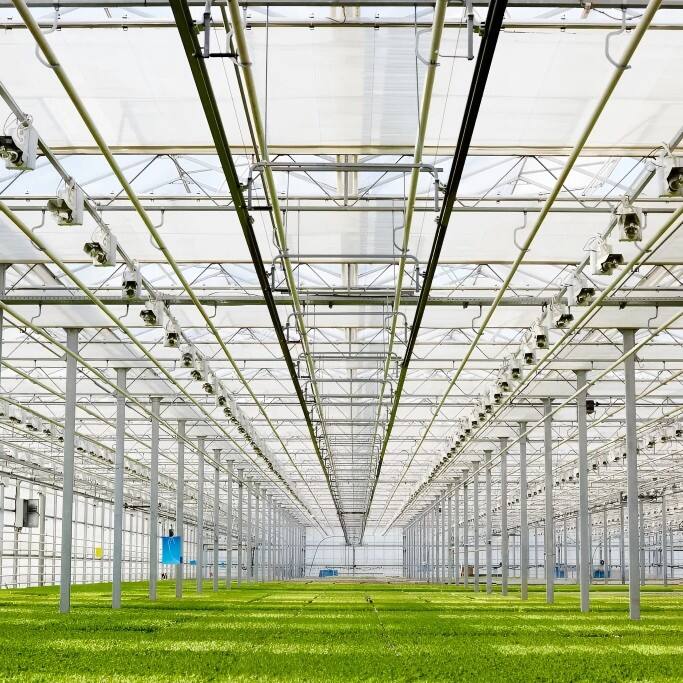
Aero vertical farming delivers remarkable space efficiency that transforms how we think about agricultural production. Traditional farming requires vast horizontal acreage, but vertical systems stack multiple growing levels within the same footprint, increasing yield potential by up to 390 times compared to conventional field agriculture. This space optimization makes fresh produce cultivation possible in urban environments where land costs are prohibitive for traditional farming. The system uses 95% less water than soil-based agriculture because the closed-loop design recycles and reuses nutrient solutions. Plants absorb exactly what they need, and excess solution returns to the reservoir for future use. This water conservation becomes critically important as global freshwater resources face increasing pressure. Year-round production capabilities eliminate seasonal limitations and weather dependencies that plague outdoor farming. Controlled environments maintain consistent growing conditions regardless of external climate, ensuring steady harvests and predictable supply chains. This reliability helps stabilize food prices and reduces supply disruptions caused by natural disasters or adverse weather events. Aero vertical farming eliminates pesticide requirements because the sterile, controlled environment prevents pest infestations naturally. Clean air filtration and isolated growing spaces create barriers that harmful insects and diseases cannot penetrate. This pesticide-free approach produces cleaner, healthier crops while reducing environmental contamination. Faster growth cycles result from optimized nutrition delivery and ideal environmental conditions. Plants mature 25-50% faster than traditional farming methods because they receive perfect nutrition and lighting without competition for resources. Accelerated growth means more harvest cycles per year and increased overall productivity. Labor efficiency improves through automation and ergonomic design. Workers access plants at comfortable standing heights rather than bending or kneeling in fields. Automated systems handle routine tasks like nutrient delivery and environmental monitoring, reducing manual labor requirements. Location flexibility allows production facilities near urban centers, reducing transportation costs and delivery times. Fresh produce reaches consumers faster, maintaining better nutritional value and taste quality. Reduced transportation also lowers carbon footprints and environmental impact. The technology provides complete crop control through precise environmental management. Growers adjust lighting, nutrients, temperature, and humidity to optimize plant performance and customize growing conditions for specific crop varieties.

Tips And Tricks

Hydroponic Vertical Farming_ Empowering Legal Cultivation Markets Globally

09

Feb

Hydroponic Vertical Farming_ Empowering Legal Cultivation Markets Globally

View More
Planting Containers: Unlocking New Possibilities for Smart Agriculture, Creating Efficient and Movable Planting Spaces

11

Mar

Planting Containers: Unlocking New Possibilities for Smart Agriculture, Creating Efficient and Movable Planting Spaces

View More
Vertical Farming Machines, Greenhouse Cultivation & Hydroponics: Reshaping the Future of Agriculture

09

Feb

Vertical Farming Machines, Greenhouse Cultivation & Hydroponics: Reshaping the Future of Agriculture

View More

Get a Free Quote

Our representative will contact you soon.
Email
Name
Company Name
Message
0/1000

aero vertical farming

Revolutionary Space Maximization Technology

Revolutionary Space Maximization Technology

Aero vertical farming transforms agricultural space utilization through innovative vertical growing systems that stack multiple cultivation levels within compact footprints. This groundbreaking approach addresses one of agriculture's most pressing challenges: the need for more productive farming methods in increasingly limited space. Traditional horizontal farming requires extensive land areas, often competing with urban development and facing rising real estate costs. Vertical systems revolutionize this paradigm by building upward rather than outward, creating multiple growing surfaces within single facilities. Each vertical tower accommodates dozens of plants in the space traditionally used for just a few, multiplying production capacity exponentially. The engineering behind these vertical structures ensures optimal plant spacing, light distribution, and air circulation throughout all levels. Sophisticated support systems maintain structural integrity while providing easy access for maintenance and harvesting. This space efficiency becomes particularly valuable in urban environments where agricultural land is scarce and expensive. Metropolitan areas can establish local food production facilities that serve surrounding communities without requiring vast suburban or rural acreage. The compact design enables installation in warehouses, converted buildings, or purpose-built structures within city limits. This proximity to consumers reduces transportation requirements and associated costs while ensuring fresher produce reaches markets faster. Commercial operations benefit from higher returns on real estate investments as the same square footage generates multiple times the revenue compared to traditional farming. The scalability of aero vertical farming systems allows businesses to expand production capacity by adding more vertical levels rather than acquiring additional land. This modular approach provides flexibility for growing businesses and changing market demands. Research institutions utilize space-efficient designs to conduct multiple experiments simultaneously within limited laboratory space. The controlled environment of vertical systems enables precise experimental conditions while maximizing research output per facility. Educational facilities incorporate these systems to teach sustainable agriculture concepts without requiring large campus areas dedicated to traditional farming demonstrations.
Ultra-Efficient Resource Conservation System

Ultra-Efficient Resource Conservation System

Aero vertical farming achieves unprecedented resource efficiency through advanced conservation technologies that minimize waste while maximizing crop production output. Water conservation represents one of the most significant advantages, with systems using up to 95% less water than conventional soil-based agriculture. This dramatic reduction stems from the closed-loop circulation system that captures, filters, and reuses nutrient solutions continuously. Unlike traditional irrigation that loses water to soil absorption, evaporation, and runoff, aeroponic systems deliver precise amounts directly to plant roots through fine misting. The excess solution collects in reservoirs for immediate recirculation, creating zero-waste water usage. Advanced filtration systems maintain solution purity and prevent contamination that could compromise plant health. Sensor technologies monitor water quality parameters continuously, triggering automatic adjustments to maintain optimal conditions. This precision prevents overwatering while ensuring plants receive adequate hydration throughout their growth cycles. Energy efficiency improvements come from LED lighting systems that consume significantly less electricity than traditional grow lights while providing superior light quality. These lights generate minimal heat, reducing cooling requirements and further lowering energy consumption. Smart controls adjust lighting intensity and duration based on plant growth stages, optimizing energy usage throughout cultivation cycles. The controlled environment eliminates weather-related crop losses that plague outdoor farming, ensuring that invested resources consistently produce harvestable crops. Traditional agriculture faces significant waste from weather damage, pest destruction, and seasonal limitations that reduce overall efficiency. Aero vertical farming eliminates these variables through environmental control systems that maintain ideal growing conditions continuously. Nutrient efficiency improves through precise delivery mechanisms that provide plants with exactly the minerals they need when they need them. This targeted approach prevents nutrient waste common in soil applications where fertilizers may leach away or become unavailable to plants. Automated monitoring systems track nutrient uptake and adjust solution compositions accordingly, maintaining optimal nutrition levels while minimizing waste. The resource conservation benefits extend to reduced packaging and transportation requirements as local production eliminates long-distance shipping needs.
Advanced Environmental Control and Food Safety Assurance

Advanced Environmental Control and Food Safety Assurance

Aero vertical farming provides comprehensive environmental control that ensures consistent crop quality while maintaining the highest food safety standards throughout the production process. The enclosed growing environment creates a sterile barrier that prevents contamination from external pollutants, pesticides, and harmful microorganisms commonly found in traditional farming settings. Advanced air filtration systems remove particulates, pathogens, and chemical contaminants before they can affect growing crops. This controlled atmosphere eliminates the need for pesticides entirely, as beneficial insects and disease-causing organisms cannot penetrate the sealed environment. Clean production methods result in crops free from chemical residues, making them safer for consumption and more appealing to health-conscious consumers. Temperature control systems maintain optimal growing conditions year-round, regardless of external weather fluctuations. Precise climate management enables consistent crop development and predictable harvest schedules that traditional farming cannot guarantee. Automated systems respond immediately to environmental changes, maintaining stable conditions that promote healthy plant growth. Humidity regulation prevents fungal issues and bacterial problems that commonly affect crops in uncontrolled environments. The system monitors and adjusts moisture levels continuously to maintain ideal ranges for each crop type and growth stage. LED lighting arrays provide consistent, full-spectrum illumination that eliminates dependence on seasonal sunlight variations. These lights deliver optimal light intensity and duration for photosynthesis while reducing heat generation that could stress plants. Programmable lighting schedules accommodate different crop requirements and growth phases, optimizing plant development throughout cultivation cycles. Nutrient solution monitoring ensures plants receive balanced nutrition consistently without the variability found in soil-based systems. Automated pH adjustments maintain optimal nutrient availability while preventing deficiencies or toxicities that could affect crop quality. Real-time monitoring systems track multiple environmental parameters simultaneously, providing operators with comprehensive data for decision-making. Alert systems notify staff of any deviations from optimal conditions, enabling rapid responses that prevent crop damage. Traceability systems document all inputs and environmental conditions throughout the growing process, providing complete transparency for food safety compliance. This documentation capability supports organic certification processes and meets stringent food safety regulations required by major retailers and distributors.

Get a Free Quote

Our representative will contact you soon.
Email
Name
Company Name
Message
0/1000