vertical urban gardening
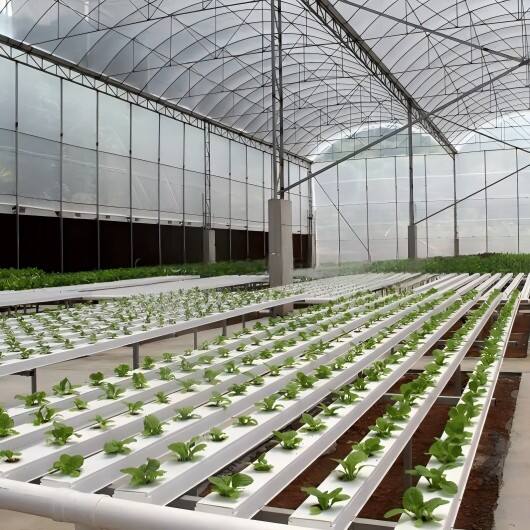
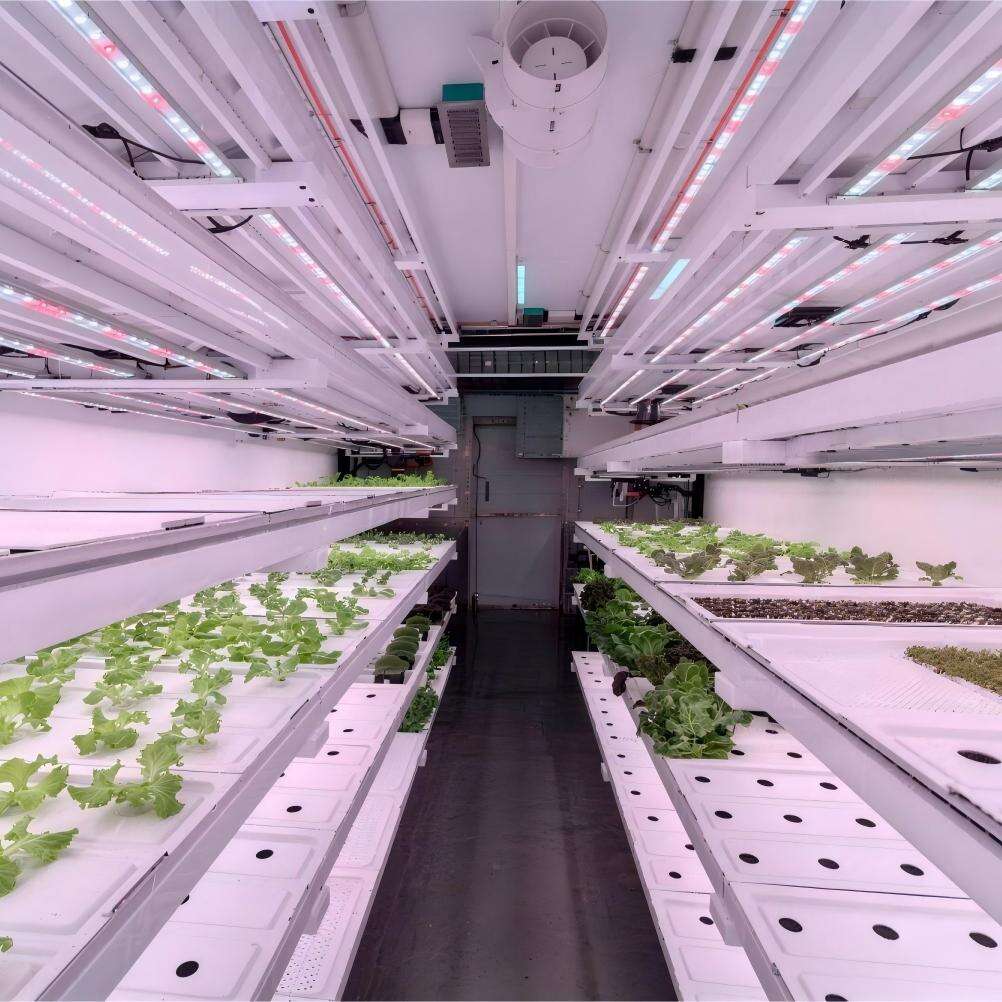
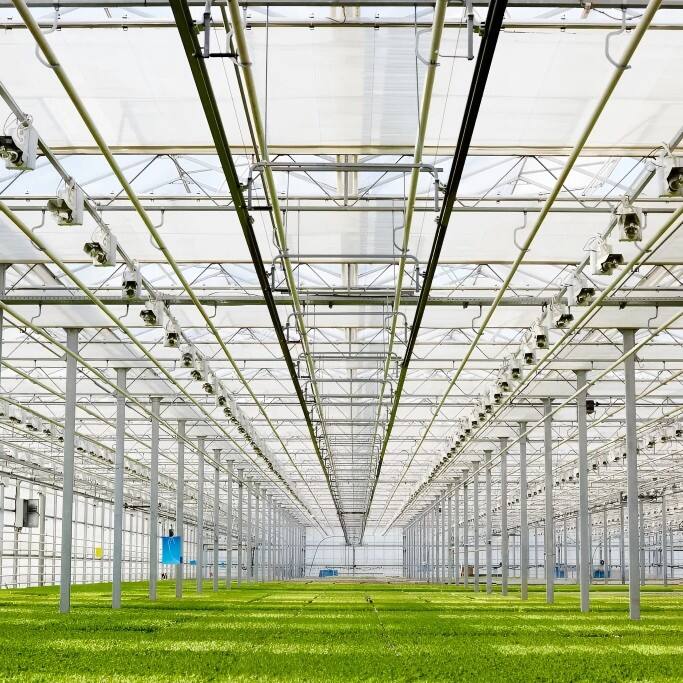
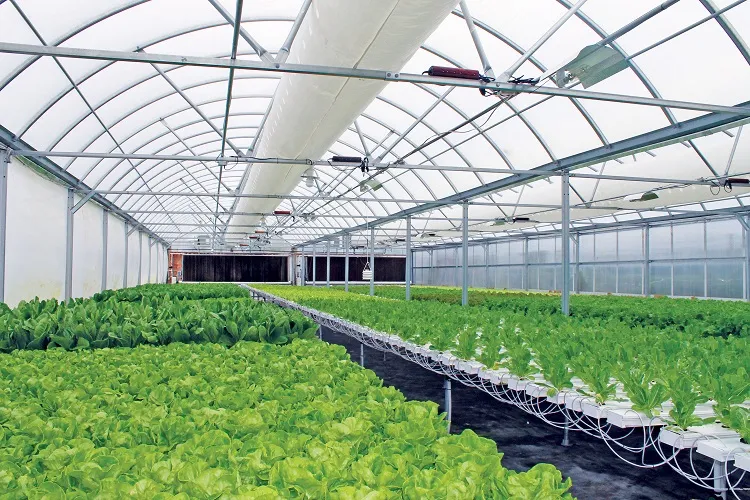
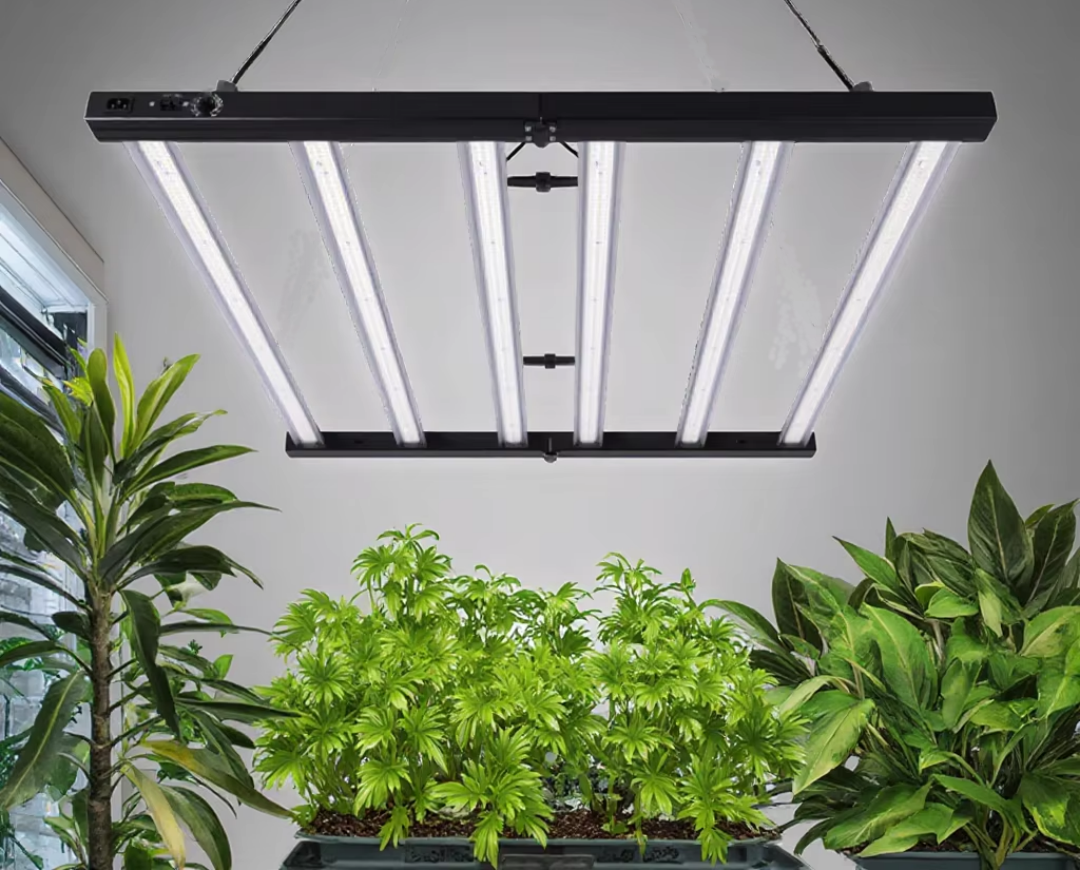
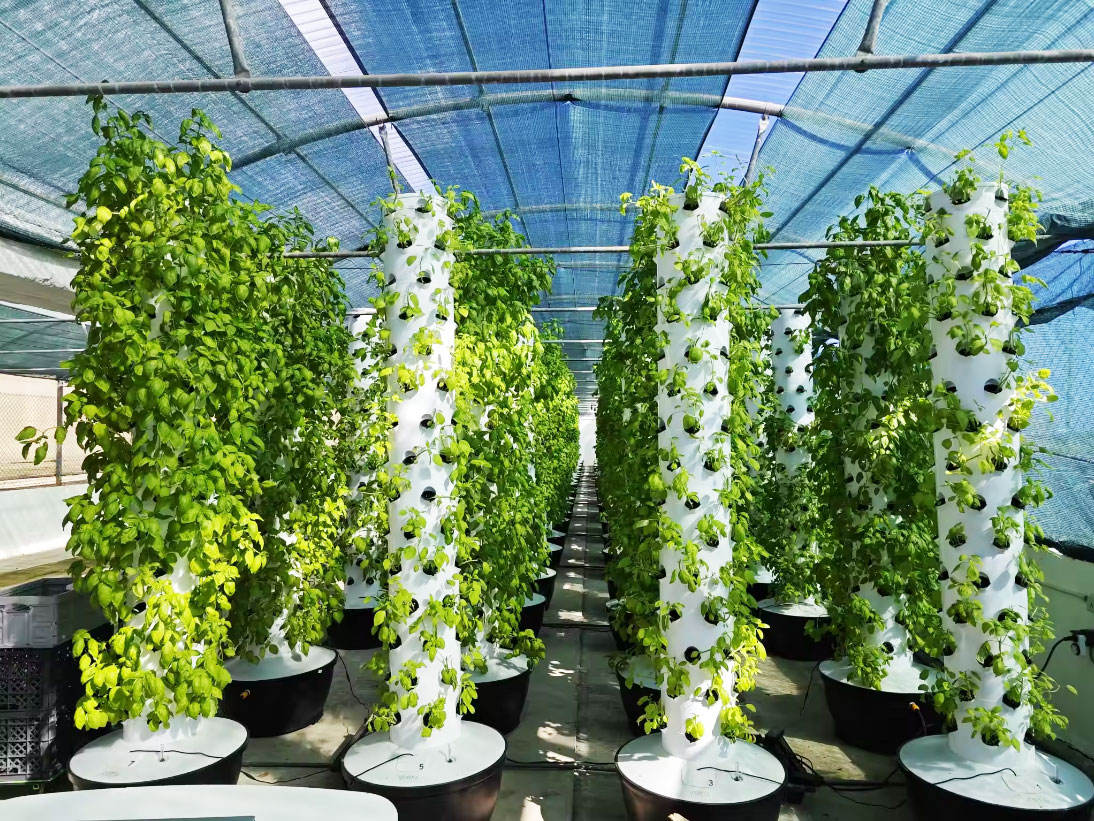
Vertical urban gardening represents a revolutionary approach to agriculture that transforms how we cultivate plants in densely populated metropolitan areas. This innovative farming method utilizes vertical space efficiently by growing crops in stacked layers, towers, or wall-mounted systems, making it possible to produce fresh food within city limits where horizontal space is limited. The core concept involves arranging plants in vertically inclined surfaces, often incorporating soilless growing techniques such as hydroponics, aeroponics, or aquaponics to maximize productivity while minimizing resource consumption. Modern vertical urban gardening systems integrate advanced technological features including LED lighting arrays that provide optimal spectrum wavelengths for plant growth, automated irrigation networks with precision nutrient delivery, climate control mechanisms that maintain ideal temperature and humidity levels, and smart monitoring sensors that track plant health metrics in real-time. These systems often employ modular designs that allow scalability from small residential installations to large commercial operations. The growing medium can vary from traditional soil alternatives like coconut coir and perlite to completely soilless systems where roots are suspended in nutrient-rich water solutions. Applications of vertical urban gardening span across multiple sectors, including residential buildings where apartment dwellers create living walls of herbs and vegetables, commercial restaurants that grow their own fresh ingredients on-site, educational institutions using these systems as interactive learning tools for students, and large-scale urban farms that supply fresh produce to local communities year-round. Healthcare facilities incorporate vertical gardens for therapeutic benefits, while office buildings use them to improve air quality and employee wellness. The technology enables year-round cultivation regardless of external weather conditions, making it particularly valuable in regions with harsh climates or limited growing seasons, ultimately contributing to local food security and sustainable urban development initiatives.
 ×
×

 EN
EN