Indoor Hydroponic Tower Systems - Year-Round Fresh Produce Growing Solutions

Get a Free Quote

Our representative will contact you soon.
Email
Name
Company Name
Message
0/1000

indoor hydroponic tower

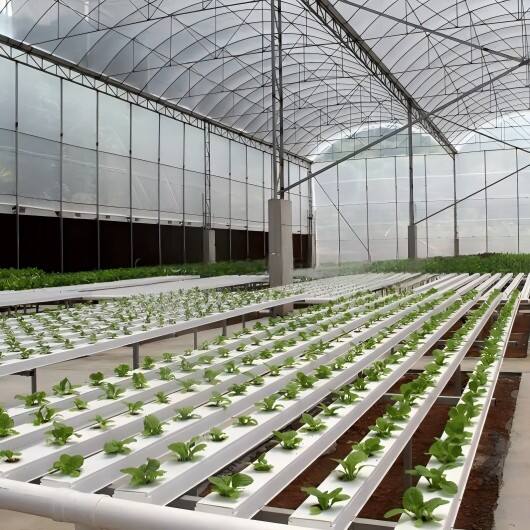
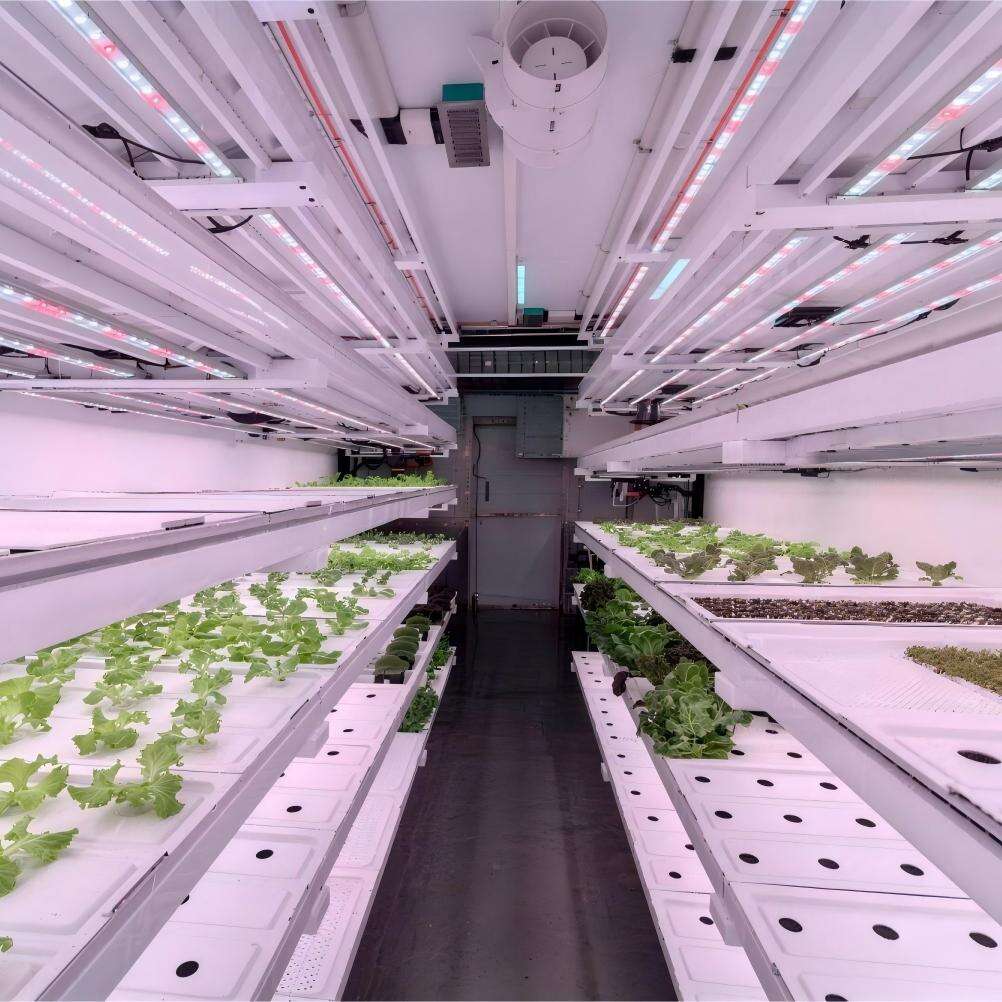
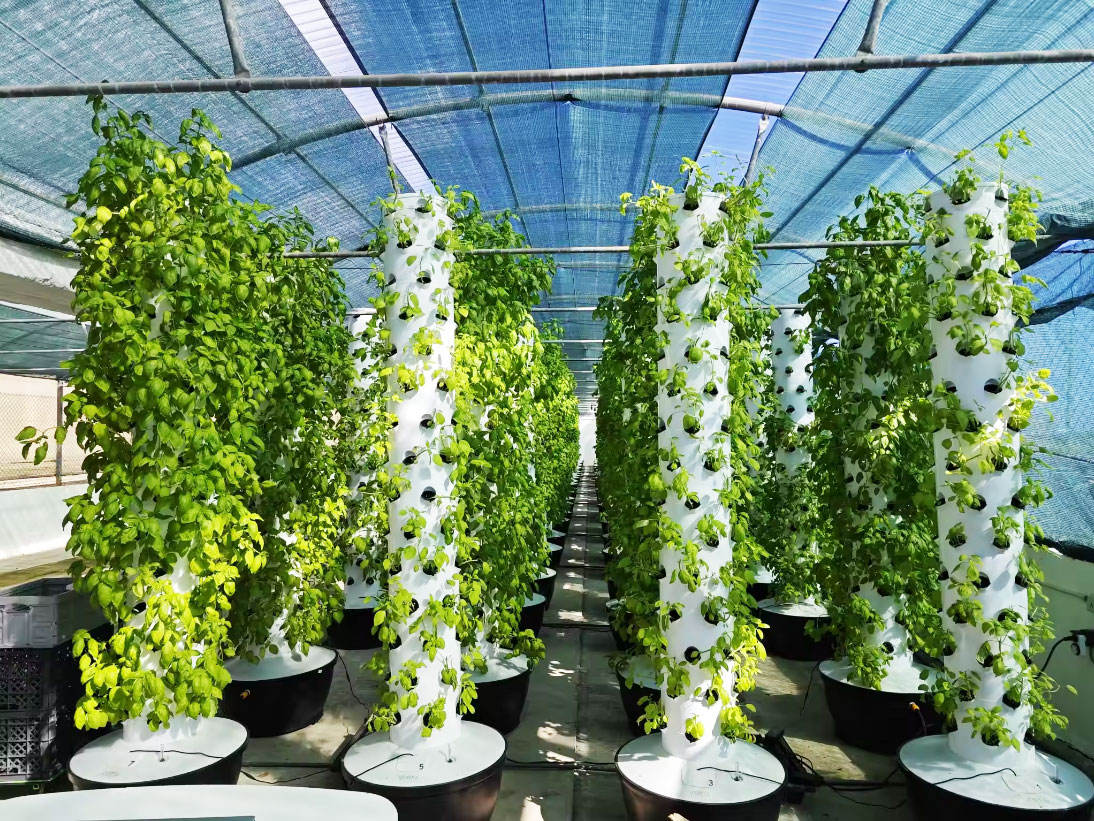
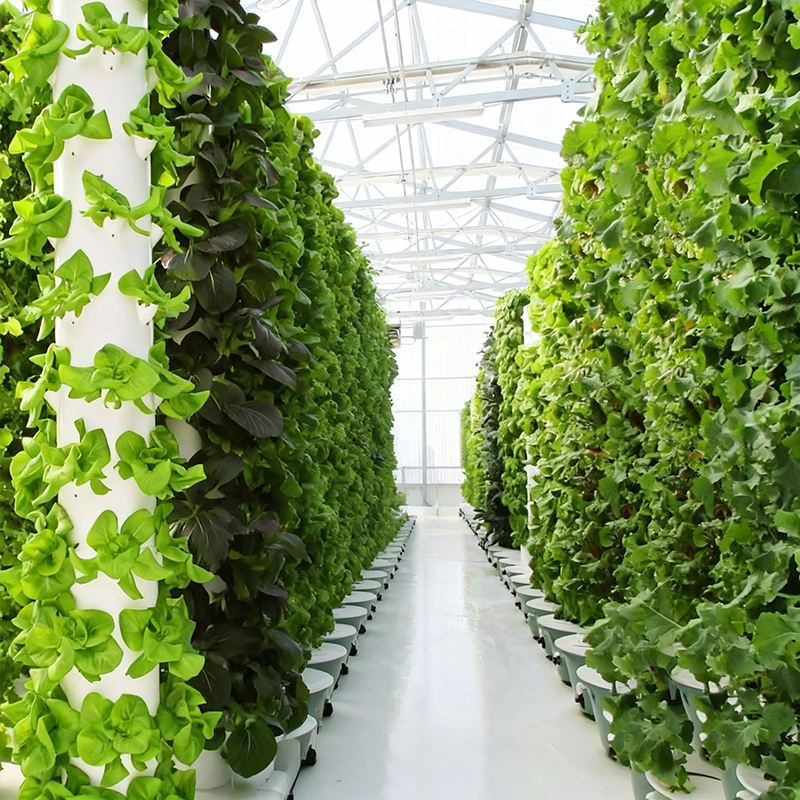
The indoor hydroponic tower represents a revolutionary approach to modern agriculture, transforming how people grow fresh produce within residential and commercial spaces. This vertical growing system utilizes nutrient-rich water solutions instead of traditional soil, creating an efficient and sustainable method for cultivating vegetables, herbs, and leafy greens year-round. The indoor hydroponic tower features multiple growing levels arranged in a compact vertical structure, maximizing growing space while minimizing the physical footprint required for plant cultivation. Advanced LED lighting systems provide optimal spectrum wavelengths that promote photosynthesis and healthy plant development, eliminating dependency on natural sunlight. The integrated water circulation system continuously delivers balanced nutrients directly to plant roots, ensuring consistent growth rates and superior crop quality. Temperature and humidity control mechanisms maintain ideal environmental conditions regardless of external weather patterns. Automated monitoring systems track pH levels, nutrient concentrations, and water flow rates, providing real-time data for optimal plant health management. The modular design allows users to customize tower configurations based on available space and specific growing requirements. Smart connectivity features enable remote monitoring and control through mobile applications, making plant care accessible from anywhere. These towers accommodate various plant types simultaneously, from fast-growing lettuce and spinach to slower-maturing tomatoes and peppers. The soil-free growing environment eliminates common pest issues and reduces the need for pesticides or herbicides. Water recycling capabilities significantly reduce consumption compared to traditional gardening methods. The indoor hydroponic tower serves residential kitchens, restaurants, schools, offices, and urban farming facilities, providing fresh produce regardless of geographic location or seasonal limitations. This innovative growing solution addresses food security concerns while promoting sustainable agricultural practices in urban environments.
New Product Releases

Indoor hydroponic towers deliver exceptional space efficiency by growing more plants in significantly smaller areas compared to traditional gardening methods. The vertical design maximizes production density, allowing urban dwellers with limited space to cultivate substantial quantities of fresh produce. These systems produce crops up to three times faster than conventional soil-based growing because plants receive optimal nutrition and environmental conditions consistently. The controlled environment eliminates weather-related crop failures, providing reliable harvests throughout the year regardless of seasonal changes or climate conditions. Water conservation represents another major benefit, as indoor hydroponic towers use up to 90% less water than traditional farming through precise nutrient delivery and recycling systems. The absence of soil eliminates weeds, soil-borne diseases, and many pest problems that plague conventional gardens, reducing maintenance requirements and eliminating the need for harmful pesticides. Fresh produce availability increases dramatically because harvesting occurs continuously rather than seasonally, ensuring constant access to nutritious vegetables and herbs. Indoor cultivation provides complete control over growing conditions, resulting in consistently high-quality produce with enhanced flavor profiles and nutritional content. The automated systems reduce daily maintenance time, making fresh food production accessible to busy individuals without extensive gardening experience. Cost savings accumulate over time as grocery bills decrease while providing superior quality produce compared to store-bought alternatives. Educational opportunities flourish as families learn about plant biology, nutrition, and sustainable agriculture practices through hands-on experience. The indoor hydroponic tower contributes to environmental sustainability by reducing transportation costs and packaging waste associated with commercial produce distribution. Carbon footprint reduction occurs naturally as locally grown food eliminates long-distance shipping requirements. Installation flexibility allows placement in various indoor locations including kitchens, basements, garages, or dedicated growing rooms. The system provides food security independence, reducing reliance on external food sources and supply chain disruptions that affect grocery store availability and pricing.

Latest News

Hydroponic Vertical Farming_ Empowering Legal Cultivation Markets Globally

09

Feb

Hydroponic Vertical Farming_ Empowering Legal Cultivation Markets Globally

View More
Planting Containers: Unlocking New Possibilities for Smart Agriculture, Creating Efficient and Movable Planting Spaces

11

Mar

Planting Containers: Unlocking New Possibilities for Smart Agriculture, Creating Efficient and Movable Planting Spaces

View More
Vertical Farming Machines, Greenhouse Cultivation & Hydroponics: Reshaping the Future of Agriculture

09

Feb

Vertical Farming Machines, Greenhouse Cultivation & Hydroponics: Reshaping the Future of Agriculture

View More

Get a Free Quote

Our representative will contact you soon.
Email
Name
Company Name
Message
0/1000

indoor hydroponic tower

Revolutionary Space-Saving Vertical Design

Revolutionary Space-Saving Vertical Design

The indoor hydroponic tower transforms limited indoor spaces into productive agricultural environments through its innovative vertical growing architecture. This engineering marvel stacks multiple growing levels within a compact footprint, typically occupying less than four square feet while providing growing space equivalent to a traditional garden plot twenty times larger. The vertical arrangement allows apartment dwellers, urban residents, and space-constrained facilities to achieve remarkable production volumes without requiring yards or extensive floor space. Each level operates independently while sharing common infrastructure including water circulation, lighting, and nutrient delivery systems. The modular construction enables customization based on ceiling height and specific growing objectives, accommodating anywhere from six to thirty plant positions depending on tower configuration. Strategic spacing between levels ensures adequate light penetration and air circulation for optimal plant development while maintaining structural stability. The compact design makes the indoor hydroponic tower ideal for kitchen countertops, basement installations, or dedicated growing rooms where traditional gardening proves impractical. Weight distribution engineering ensures safe operation on standard residential flooring without requiring structural modifications. The vertical orientation facilitates easy maintenance access, allowing users to tend plants at comfortable working heights without bending or kneeling. This space efficiency particularly benefits urban agriculture initiatives, restaurant operations, and educational institutions seeking to maximize food production within existing infrastructure. The tower design eliminates the need for extensive horizontal growing areas, making fresh food production accessible in densely populated metropolitan areas where outdoor gardening space remains unavailable. Commercial applications benefit from the ability to install multiple towers within warehouse or greenhouse facilities, creating high-density growing operations that generate substantial yields per square foot of facility space.
Advanced Automated Nutrient Management System

Advanced Automated Nutrient Management System

The sophisticated nutrient management system within each indoor hydroponic tower ensures optimal plant nutrition through precise monitoring and automated delivery mechanisms. This technology continuously circulates nutrient-enriched water solutions throughout the growing medium, providing plants with perfectly balanced mineral content for accelerated growth and enhanced nutritional density. The automated pH monitoring maintains optimal acidity levels between 5.5 and 6.5, creating ideal conditions for nutrient absorption while preventing deficiencies that commonly occur in traditional soil-based growing. Integrated sensors measure electrical conductivity to determine nutrient concentration levels, automatically adjusting solution strength based on plant growth stages and specific crop requirements. The recirculating system conserves water by collecting and reprocessing nutrient solutions, eliminating waste while maintaining consistent delivery to all plant positions. Timer-controlled pumps ensure regular circulation intervals that prevent stagnation and root rot while maintaining adequate oxygen levels in the growing medium. The system accommodates different plant types simultaneously by providing customizable nutrient profiles for various crops including leafy greens, herbs, fruiting plants, and root vegetables. Real-time monitoring capabilities alert users to system status changes, low water levels, or maintenance requirements through smartphone notifications or visual indicators. The automated approach eliminates guesswork associated with traditional plant feeding schedules, reducing the learning curve for novice gardeners while ensuring professional-grade results. Nutrient solution preparation becomes simplified through pre-measured concentrate additions that maintain proper ratios without complicated mixing calculations. The system prevents common hydroponic problems including nutrient burn, deficiencies, and pH fluctuations that can damage crops or reduce yields. Maintenance requirements remain minimal with periodic solution changes and system cleaning, making the indoor hydroponic tower accessible to users with varying experience levels while delivering consistent professional-quality results.
Year-Round Fresh Produce Independence

Year-Round Fresh Produce Independence

The indoor hydroponic tower provides unprecedented food security and independence by enabling continuous fresh produce cultivation regardless of external weather conditions, seasonal limitations, or geographic constraints. This capability transforms households and businesses into self-sufficient food production units, reducing reliance on grocery stores and commercial food distribution systems that often compromise nutritional quality through long transportation and storage periods. The controlled environment eliminates seasonal growing restrictions, allowing warm-season crops like tomatoes and peppers to flourish during winter months while cool-season vegetables remain productive throughout summer heat waves. Climate independence ensures consistent harvests even during extreme weather events, supply chain disruptions, or economic fluctuations that affect food availability and pricing in traditional retail markets. The indoor hydroponic tower produces harvest-ready crops in significantly shorter timeframes compared to outdoor gardening, with lettuce and herbs ready for consumption in as little as three to four weeks from seed planting. Continuous succession planting maintains steady production cycles, ensuring fresh vegetables remain available every few weeks throughout the year without seasonal gaps. The system supports diverse crop rotations within the same growing periods, maximizing variety and nutritional diversity in daily meal planning. Quality control reaches exceptional levels as users maintain complete oversight of growing conditions, ensuring produce remains free from pesticides, herbicides, and other chemical treatments commonly used in commercial agriculture. Nutritional content peaks at harvest time because vegetables can be consumed immediately rather than deteriorating during transportation and storage processes that diminish vitamin and mineral content. The independence factor provides particular value during emergency situations, food recalls, or supply chain disruptions that leave grocery stores with limited fresh produce selections. Economic benefits accumulate through reduced grocery expenses while providing superior quality produce that often costs premium prices in retail markets. This food independence contributes to healthier eating habits as fresh, flavorful vegetables become constantly available, encouraging increased consumption of nutritious foods that support overall wellness and dietary goals.

Get a Free Quote

Our representative will contact you soon.
Email
Name
Company Name
Message
0/1000