Large Hydroponic System Solutions - Advanced Commercial Growing Technology

Get a Free Quote

Our representative will contact you soon.
Email
Name
Company Name
Message
0/1000

large hydroponic system

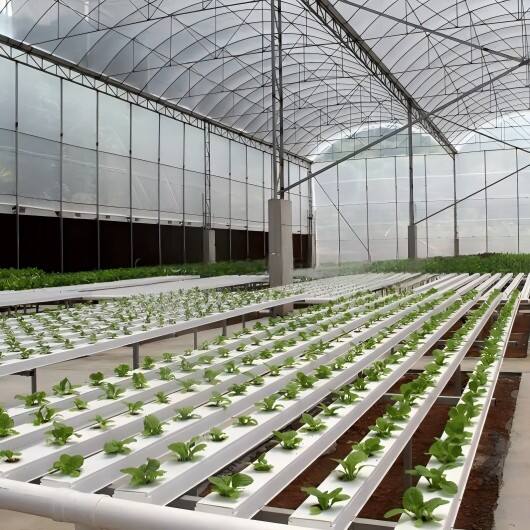
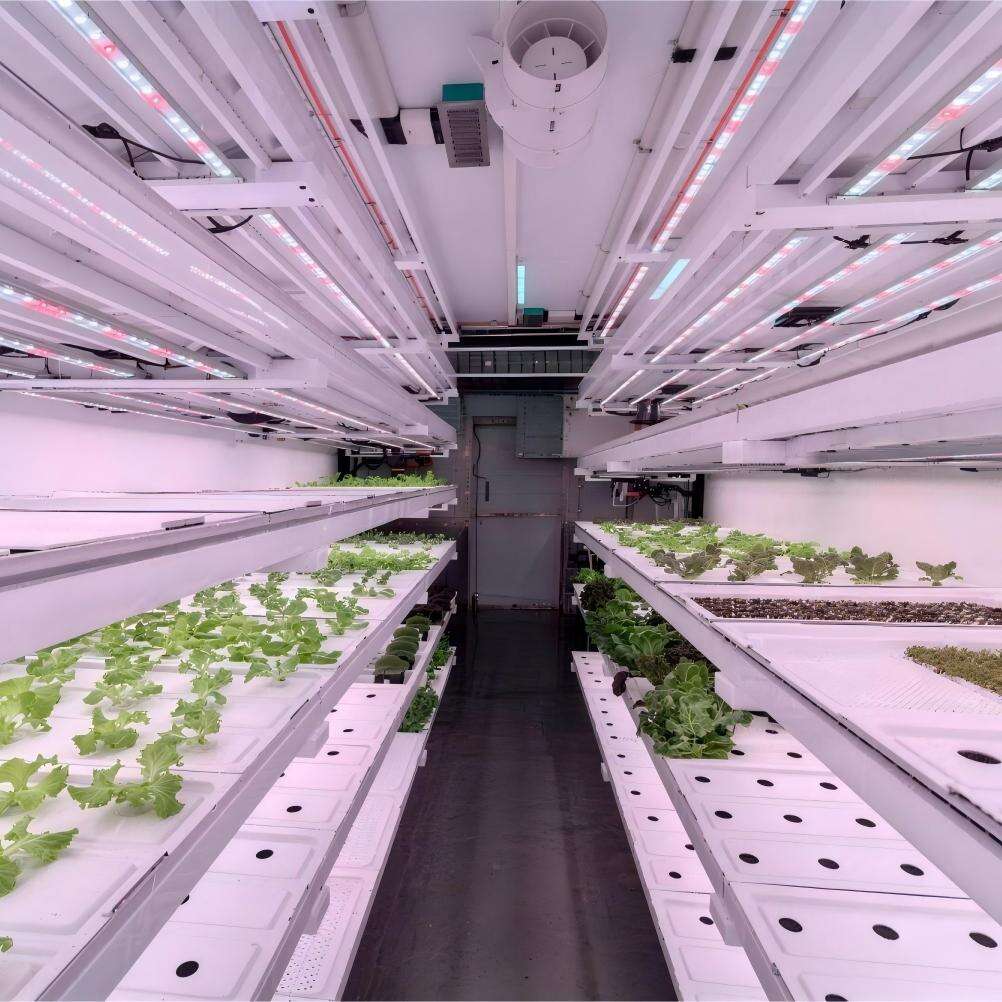
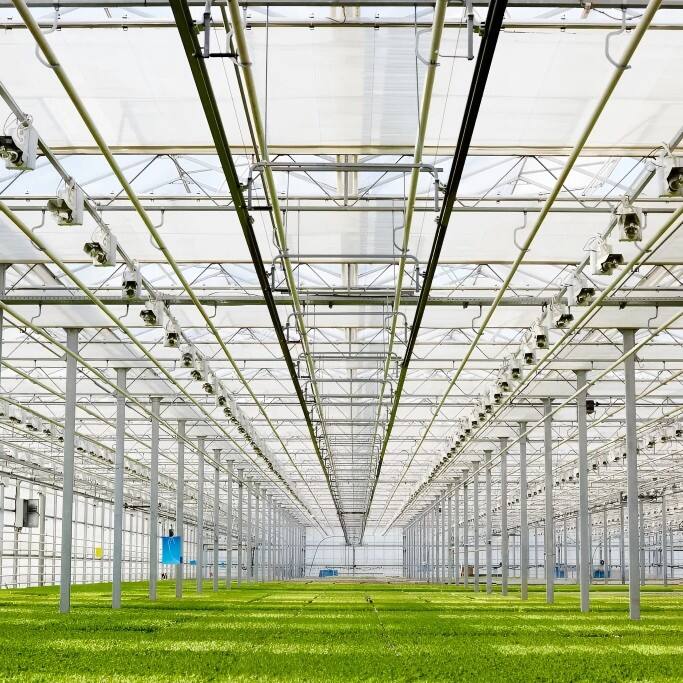
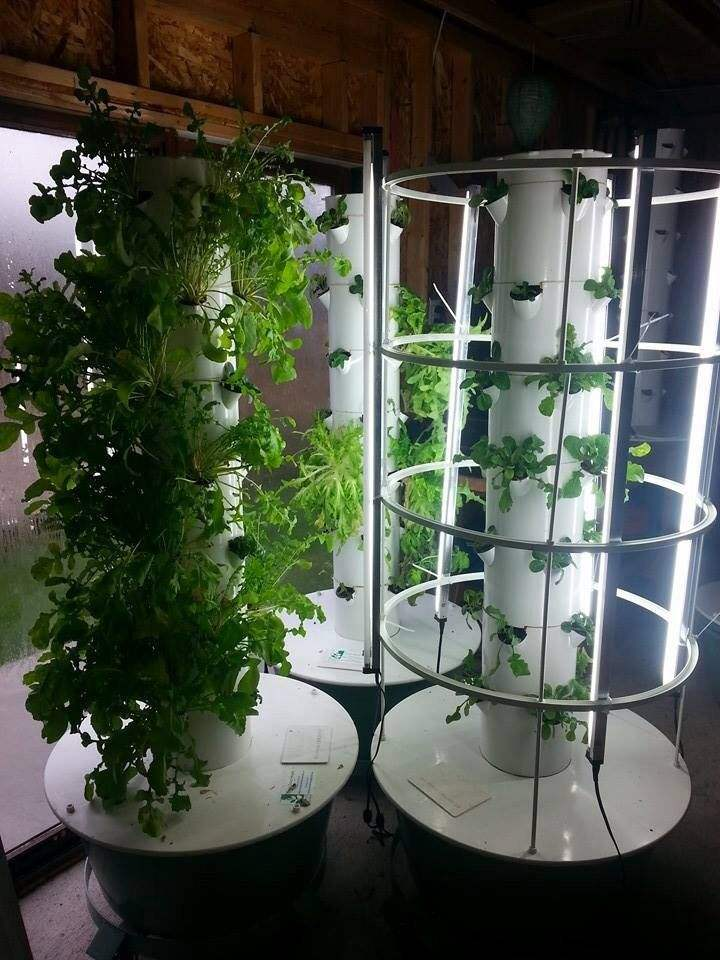
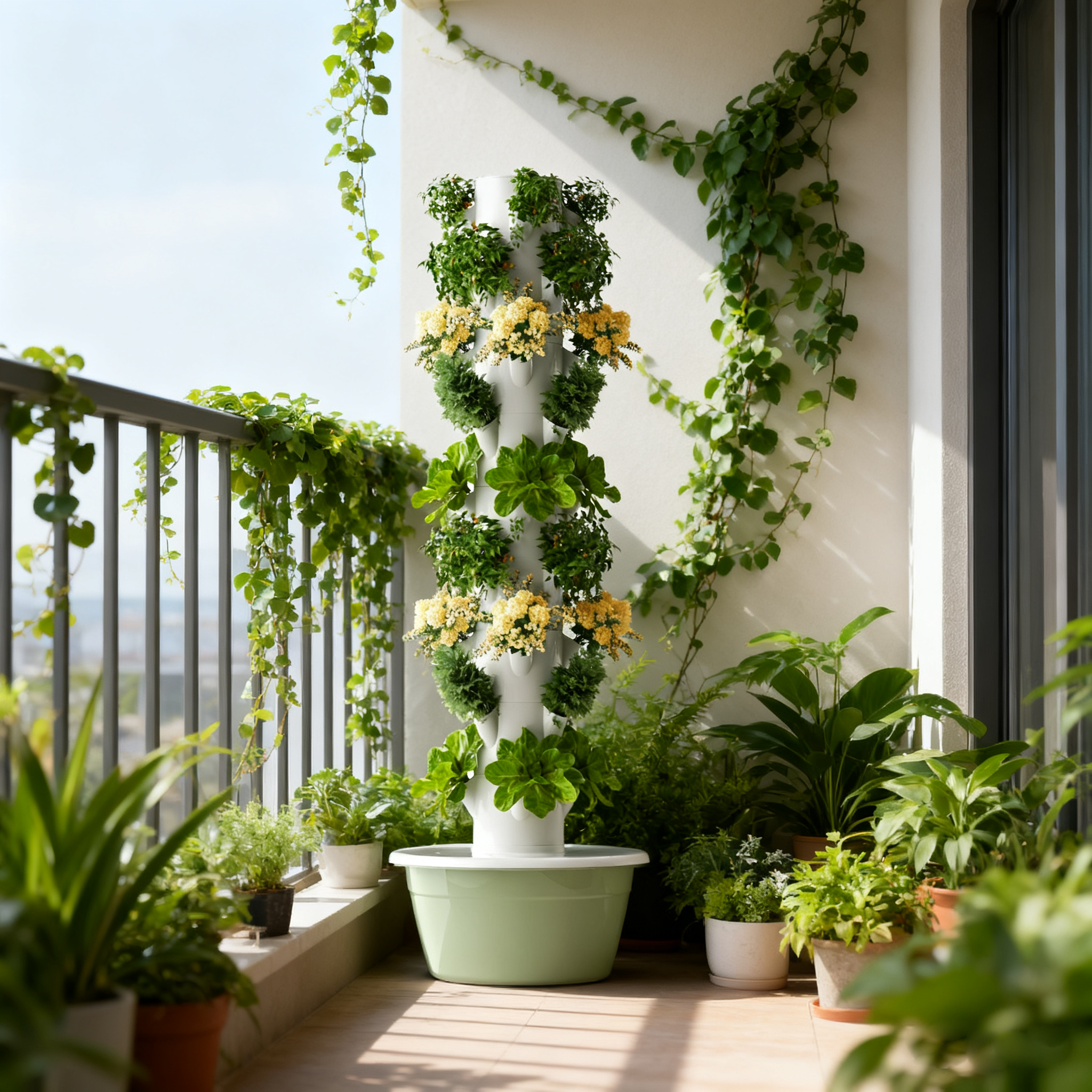
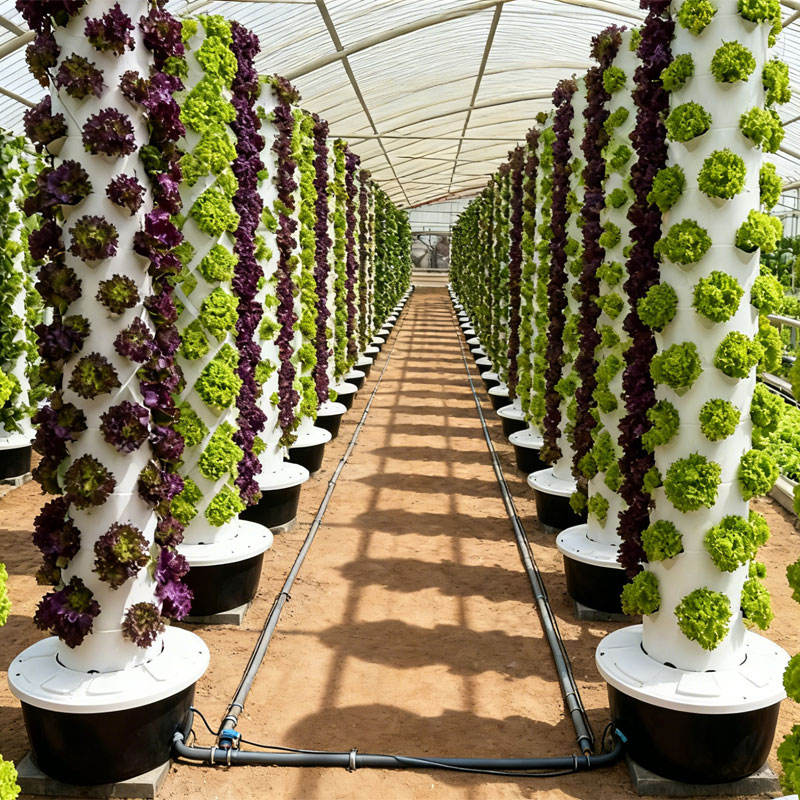
A large hydroponic system represents a sophisticated agricultural solution that enables efficient plant cultivation without traditional soil-based methods. This advanced growing technology utilizes nutrient-rich water solutions to deliver essential minerals directly to plant roots, creating optimal growing conditions for various crops. The large hydroponic system incorporates multiple growing channels, automated nutrient delivery mechanisms, and precise environmental controls that work together to maximize plant health and productivity. These systems typically feature modular designs that can accommodate hundreds or thousands of plants simultaneously, making them ideal for commercial operations and large-scale food production facilities. The technological foundation of a large hydroponic system includes computerized monitoring systems that track pH levels, electrical conductivity, water temperature, and nutrient concentrations in real-time. Advanced sensors continuously monitor plant health indicators and environmental parameters, automatically adjusting conditions to maintain optimal growing environments. The main functions encompass automated irrigation cycles, nutrient solution circulation, climate control integration, and data logging capabilities that provide comprehensive growing analytics. Modern large hydroponic system configurations often incorporate LED lighting arrays, ventilation systems, and temperature regulation components that create controlled growing environments independent of external weather conditions. Applications span across commercial vegetable production, herb cultivation, leafy greens farming, and specialized crop growing for restaurants, grocery chains, and agricultural enterprises. Research facilities and educational institutions frequently utilize large hydroponic system installations for agricultural studies and crop development projects. The scalability aspect allows operators to expand production capacity by adding additional growing modules, making these systems suitable for both established farms and startup agricultural ventures seeking efficient production methods.

Popular Products

Large hydroponic system installations offer remarkable water efficiency advantages, using up to 90 percent less water compared to traditional farming methods. This water conservation benefit stems from the closed-loop design that recycles nutrient solutions continuously, eliminating waste and reducing operational costs significantly. The precise water delivery mechanism ensures plants receive exactly the moisture they need, preventing overwatering and underwatering issues that commonly affect soil-based agriculture. Year-round production capabilities represent another major advantage of large hydroponic system operations, allowing farmers to grow crops regardless of seasonal limitations or adverse weather conditions. This continuous growing cycle increases annual yield potential by 300 to 400 percent compared to outdoor farming, providing consistent income streams and reliable crop supplies for customers. The controlled environment eliminates pest infestations and plant diseases naturally, reducing or eliminating the need for chemical pesticides and herbicides that harm both human health and environmental ecosystems. Faster plant growth rates occur within large hydroponic system environments due to optimized nutrient delivery and ideal growing conditions, with most crops maturing 25 to 50 percent faster than traditional farming methods. Space utilization efficiency allows operators to grow more plants in smaller areas through vertical growing arrangements and dense planting configurations, maximizing production capacity per square foot. Labor requirements decrease substantially with automated large hydroponic system operations, reducing manual watering, weeding, and soil preparation tasks that consume significant time and physical effort. Consistent crop quality emerges from standardized growing conditions that produce uniform plant size, color, and nutritional content, meeting strict quality requirements for commercial buyers and premium markets. Energy efficiency features in modern large hydroponic system designs incorporate LED lighting, smart sensors, and automated controls that optimize power consumption while maintaining excellent growing results. Location independence allows operators to establish productive farms in urban areas, desert regions, or locations with poor soil quality, expanding agricultural possibilities beyond traditional farming limitations.

Latest News

Hydroponic Vertical Farming_ Empowering Legal Cultivation Markets Globally

09

Feb

Hydroponic Vertical Farming_ Empowering Legal Cultivation Markets Globally

View More
Planting Containers: Unlocking New Possibilities for Smart Agriculture, Creating Efficient and Movable Planting Spaces

11

Mar

Planting Containers: Unlocking New Possibilities for Smart Agriculture, Creating Efficient and Movable Planting Spaces

View More
Vertical Farming Machines, Greenhouse Cultivation & Hydroponics: Reshaping the Future of Agriculture

09

Feb

Vertical Farming Machines, Greenhouse Cultivation & Hydroponics: Reshaping the Future of Agriculture

View More

Get a Free Quote

Our representative will contact you soon.
Email
Name
Company Name
Message
0/1000

large hydroponic system

Advanced Automation and Smart Technology Integration

Advanced Automation and Smart Technology Integration

The large hydroponic system incorporates cutting-edge automation technology that revolutionizes how modern agriculture operates, providing unprecedented control and efficiency for commercial growers. Smart sensors embedded throughout the growing infrastructure continuously monitor critical parameters including pH balance, nutrient concentrations, water temperature, humidity levels, and plant growth indicators. These sophisticated monitoring systems collect real-time data that feeds into centralized control units, enabling automatic adjustments to maintain optimal growing conditions without human intervention. The automation capabilities extend to nutrient dosing systems that precisely calculate and deliver custom nutrient solutions based on plant growth stages and specific crop requirements. Integrated climate control systems work seamlessly with the large hydroponic system to regulate temperature, humidity, and air circulation, creating ideal microclimates for maximum plant health and productivity. Advanced scheduling algorithms control lighting cycles, irrigation timing, and environmental adjustments to match natural plant rhythms and optimize photosynthesis processes. Remote monitoring capabilities allow operators to oversee their large hydroponic system operations from any location using smartphone applications or web-based dashboards, providing instant access to system status, alerts, and performance analytics. Predictive maintenance features analyze system performance data to identify potential issues before they impact crop production, minimizing downtime and preventing costly equipment failures. Data logging and analytics capabilities generate comprehensive reports on plant growth rates, yield predictions, resource consumption, and system efficiency metrics that help operators optimize their growing strategies and improve profitability. The intelligent automation reduces labor costs by eliminating routine manual tasks while ensuring consistent, precise care for every plant in the large hydroponic system, making commercial growing operations more profitable and sustainable.
Superior Crop Quality and Consistent Yields

Superior Crop Quality and Consistent Yields

Large hydroponic system installations deliver exceptional crop quality that consistently exceeds traditional farming standards, providing commercial growers with premium products that command higher market prices. The controlled growing environment eliminates variables that typically affect outdoor crops, such as weather fluctuations, soil inconsistencies, and seasonal growing limitations that can compromise plant development. Nutrient solution precision ensures each plant receives exactly the right balance of minerals, vitamins, and trace elements needed for optimal growth, resulting in vegetables and herbs with superior flavor profiles, enhanced nutritional content, and attractive visual appearance. The sterile growing environment prevents soil-borne diseases, pest infestations, and contamination issues that plague traditional agriculture, producing cleaner, safer crops that require minimal washing and processing before consumption. Standardized growing conditions within the large hydroponic system create uniform plant development, ensuring consistent size, color, and maturity across entire crop batches that meet strict commercial specifications. Year-round production capabilities allow growers to supply fresh crops continuously, regardless of seasonal limitations or climate conditions that restrict outdoor farming operations. Extended shelf life characterizes produce grown in large hydroponic system environments due to reduced stress factors and optimal nutrient uptake during plant development, providing retailers and consumers with longer-lasting fresh products. Harvest timing flexibility enables growers to coordinate crop maturity with market demands, ensuring peak freshness when products reach consumers and maximizing profitability through strategic timing. Quality consistency builds strong relationships with commercial buyers, restaurants, and retailers who depend on reliable suppliers for their fresh produce needs. The controlled environment allows for specialty crop cultivation that would be impossible or impractical with traditional farming methods, opening new market opportunities for unique varieties and premium products that command premium pricing in the marketplace.
Exceptional Resource Efficiency and Environmental Sustainability

Exceptional Resource Efficiency and Environmental Sustainability

The large hydroponic system demonstrates remarkable resource efficiency that significantly reduces environmental impact while maximizing agricultural productivity through innovative conservation technologies. Water usage optimization represents the most significant environmental benefit, with closed-loop systems recycling nutrient solutions continuously and reducing water consumption by up to 95 percent compared to conventional farming methods. This water efficiency proves especially valuable in drought-prone regions or areas with limited water resources, enabling sustainable food production where traditional agriculture becomes impractical or environmentally harmful. Energy efficiency features integrated into modern large hydroponic system designs include LED lighting arrays that consume 50 to 70 percent less electricity than traditional grow lights while providing superior light spectrums for plant photosynthesis. Smart climate control systems optimize heating, cooling, and ventilation operations based on real-time environmental data, minimizing energy waste and reducing operational costs substantially. Minimal chemical inputs eliminate the need for pesticides, herbicides, and soil amendments that contaminate groundwater and harm beneficial insects and wildlife ecosystems. The soil-free growing method prevents erosion, nutrient runoff, and topsoil depletion that plague traditional agriculture and contribute to environmental degradation over time. Carbon footprint reduction occurs through localized food production that eliminates long-distance transportation requirements, reducing fossil fuel consumption and greenhouse gas emissions associated with food distribution networks. Space efficiency allows large hydroponic system installations to produce equivalent yields in 10 to 20 percent of the land area required for soil-based farming, preserving natural habitats and reducing pressure on agricultural land expansion. Waste reduction benefits include eliminating crop losses due to weather damage, pest infestations, and disease outbreaks that commonly destroy significant portions of traditional farm yields. Recyclable growing media and biodegradable nutrients further enhance the environmental sustainability profile of large hydroponic system operations, creating truly eco-friendly agricultural solutions.

Get a Free Quote

Our representative will contact you soon.
Email
Name
Company Name
Message
0/1000