Smart Hydroponic System - Advanced Automated Growing Technology for Maximum Yields

Get a Free Quote

Our representative will contact you soon.
Email
Name
Company Name
Message
0/1000

smart hydroponic system

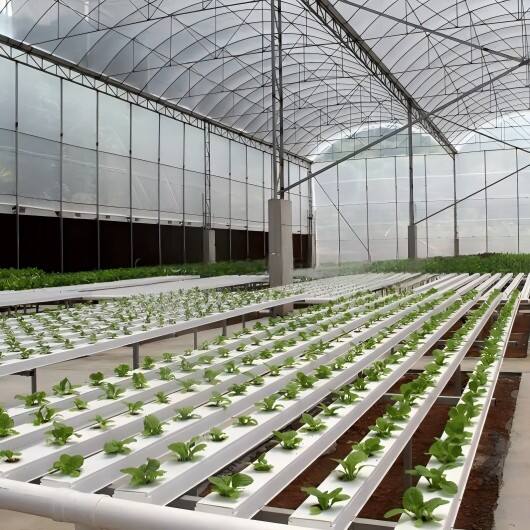
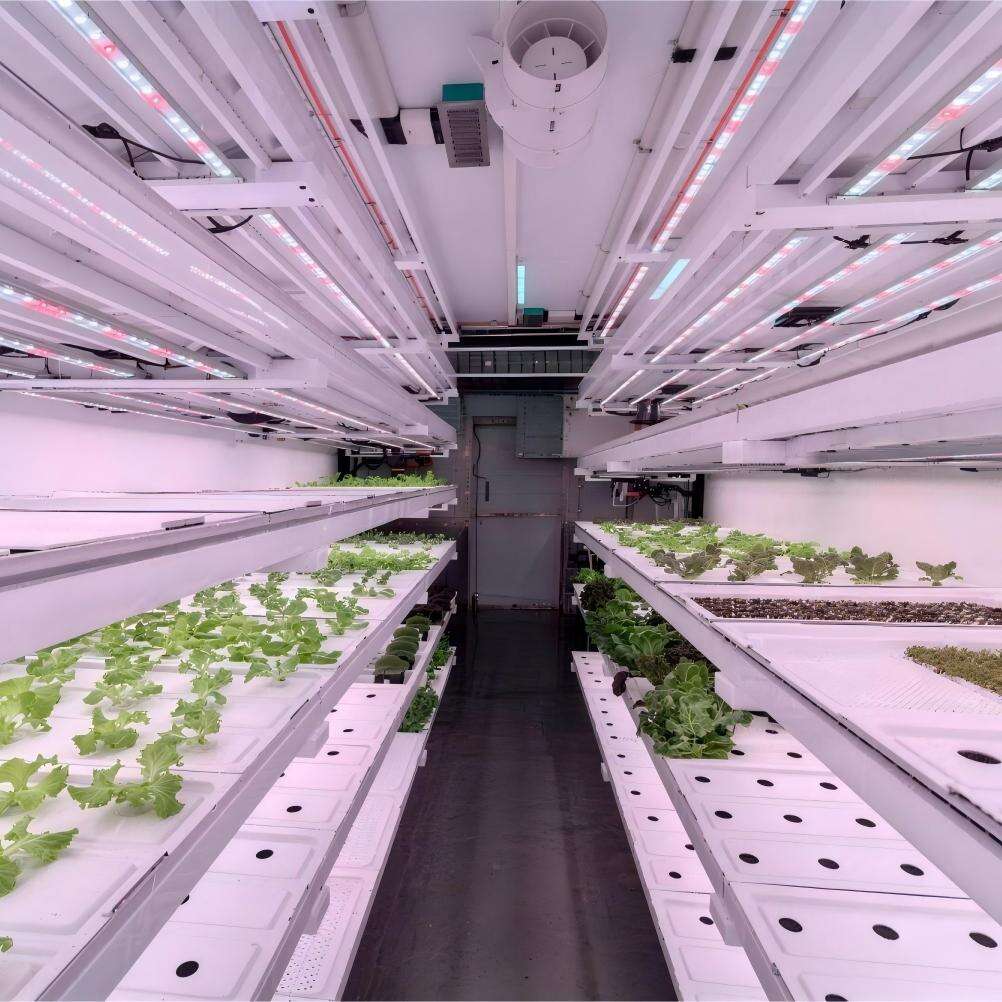
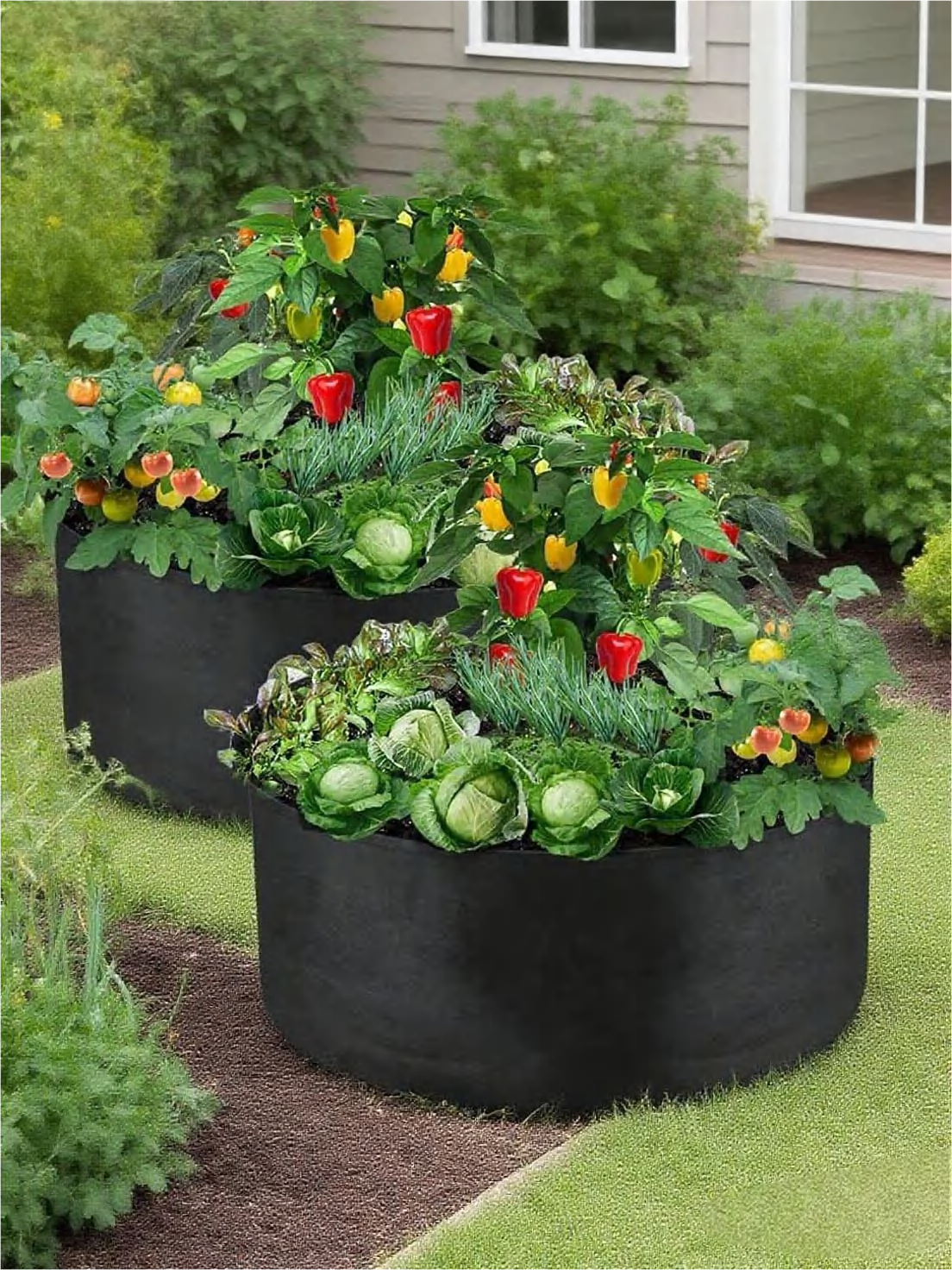
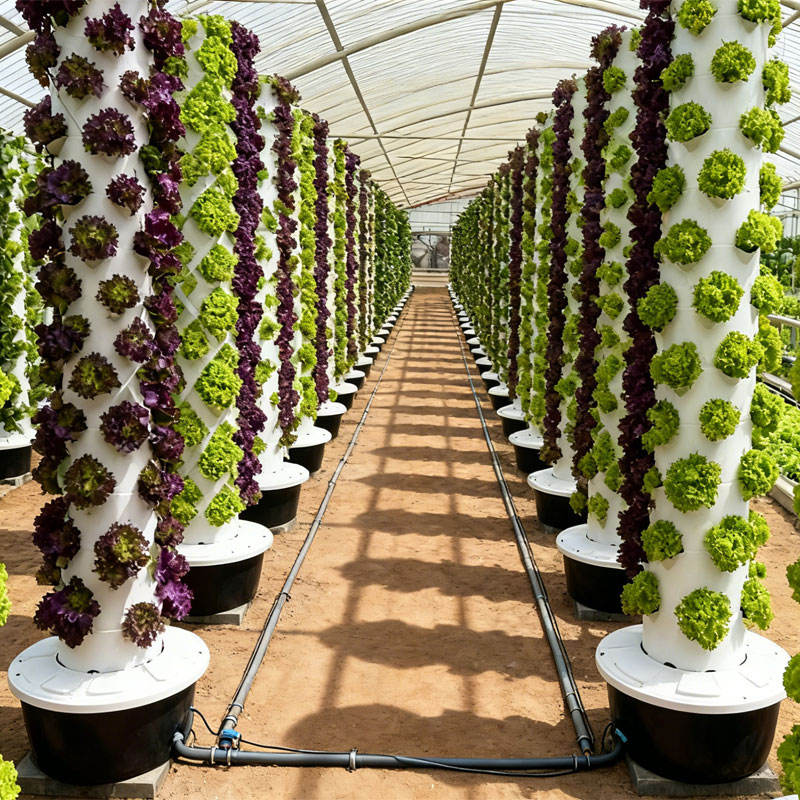
A smart hydroponic system represents the cutting-edge fusion of traditional soilless cultivation techniques with advanced automation technology, creating an intelligent growing environment that maximizes plant productivity while minimizing resource consumption. This innovative agricultural solution employs sophisticated sensors, automated nutrient delivery mechanisms, and climate control systems to maintain optimal growing conditions for plants without requiring soil as a growing medium. The smart hydroponic system continuously monitors essential parameters including pH levels, electrical conductivity, dissolved oxygen content, temperature, humidity, and light intensity, making real-time adjustments to ensure plants receive precisely what they need for healthy growth. Modern smart hydroponic systems integrate Internet of Things connectivity, allowing remote monitoring and control through smartphone applications or web interfaces. These systems feature automated nutrient mixing capabilities that precisely calculate and deliver customized nutrient solutions based on plant species, growth stages, and environmental conditions. Advanced filtration systems maintain water quality while recirculation pumps ensure consistent nutrient distribution throughout the growing medium. LED lighting arrays provide full-spectrum illumination, mimicking natural sunlight patterns while consuming significantly less energy than traditional lighting systems. The smart hydroponic system incorporates machine learning algorithms that analyze historical data to predict optimal growing conditions and automatically adjust system parameters accordingly. These systems find extensive applications in commercial greenhouse operations, urban farming initiatives, research facilities, educational institutions, and residential gardening projects. Restaurant chains utilize smart hydroponic systems to grow fresh herbs and vegetables on-site, ensuring consistent quality and reducing transportation costs. Pharmaceutical companies employ these systems for cultivating medicinal plants under controlled conditions, guaranteeing standardized active compound concentrations. The versatility of smart hydroponic systems enables cultivation of diverse crops including leafy greens, herbs, tomatoes, peppers, strawberries, and even root vegetables, making them suitable for various agricultural and commercial applications worldwide.

New Product Releases

Smart hydroponic systems deliver exceptional water conservation benefits, using up to ninety percent less water compared to traditional soil-based farming methods through precise nutrient delivery and water recirculation systems that eliminate waste and runoff. These systems produce significantly higher crop yields in smaller spaces, enabling farmers to grow three to four times more produce per square foot compared to conventional agriculture, making them ideal for urban environments where land availability remains limited. The automated nature of smart hydroponic systems reduces labor costs substantially by eliminating manual watering, fertilizing, and monitoring tasks, allowing farmers to focus on harvesting and plant care rather than repetitive maintenance activities. Plants grown in smart hydroponic systems mature faster due to optimal nutrient availability and environmental conditions, enabling multiple harvests per year and increasing overall productivity and profitability for commercial growers. The controlled environment eliminates soil-borne diseases, pests, and weeds, reducing or eliminating the need for pesticides and herbicides while ensuring healthier, cleaner produce for consumers. Smart hydroponic systems provide year-round growing capabilities regardless of external weather conditions, enabling consistent production schedules and reliable supply chains for restaurants, grocery stores, and food service providers. These systems offer precise control over nutrient composition, allowing growers to enhance specific plant characteristics such as flavor intensity, nutritional content, and shelf life based on market demands and consumer preferences. The compact design of smart hydroponic systems makes them suitable for installation in warehouses, basements, rooftops, and other unconventional growing spaces, expanding agricultural possibilities in urban areas where traditional farming remains impossible. Remote monitoring capabilities enable growers to manage multiple locations simultaneously, reducing travel costs and enabling rapid response to system alerts or environmental changes. Smart hydroponic systems generate detailed data logs that help growers optimize their operations, identify trends, and make informed decisions about crop selection, timing, and resource allocation. The scalability of these systems allows businesses to start small and expand gradually based on market demand and available capital, reducing initial investment risks while maintaining growth flexibility. Energy-efficient LED lighting and automated climate control systems minimize operational costs while maintaining optimal growing conditions, resulting in lower utility bills and improved profit margins for commercial operations.

Latest News

Hydroponic Vertical Farming_ Empowering Legal Cultivation Markets Globally

09

Feb

Hydroponic Vertical Farming_ Empowering Legal Cultivation Markets Globally

View More
Planting Containers: Unlocking New Possibilities for Smart Agriculture, Creating Efficient and Movable Planting Spaces

11

Mar

Planting Containers: Unlocking New Possibilities for Smart Agriculture, Creating Efficient and Movable Planting Spaces

View More
Vertical Farming Machines, Greenhouse Cultivation & Hydroponics: Reshaping the Future of Agriculture

09

Feb

Vertical Farming Machines, Greenhouse Cultivation & Hydroponics: Reshaping the Future of Agriculture

View More

Get a Free Quote

Our representative will contact you soon.
Email
Name
Company Name
Message
0/1000

smart hydroponic system

Advanced Automated Nutrient Management System

Advanced Automated Nutrient Management System

The cornerstone of any smart hydroponic system lies in its sophisticated automated nutrient management capabilities that revolutionize how plants receive essential minerals and nutrients for optimal growth and development. This intelligent system employs precision dosing pumps, electronic pH controllers, and conductivity meters that work in harmony to maintain perfect nutrient balance throughout the growing cycle. The automated nutrient management system continuously monitors nutrient solution composition, automatically adjusting concentrations based on plant growth stages, species requirements, and environmental conditions to ensure consistent optimal nutrition delivery. Advanced algorithms analyze real-time sensor data including pH levels, electrical conductivity, dissolved oxygen content, and nutrient uptake rates to calculate precise nutrient requirements for each plant variety in the system. The system maintains separate concentrated nutrient stock solutions that are mixed on-demand according to predetermined recipes, eliminating nutrient degradation and ensuring maximum potency and effectiveness. Integrated safety mechanisms prevent nutrient burns and deficiencies by implementing gradual concentration changes and maintaining detailed logs of all nutrient adjustments for troubleshooting and optimization purposes. The smart hydroponic system features customizable nutrient profiles for different plant species, allowing growers to cultivate diverse crops simultaneously while providing each variety with its specific nutritional requirements for maximum yield and quality. Automated flushing cycles periodically clean the nutrient delivery system, preventing salt buildup and bacterial contamination that could compromise plant health and system performance. The nutrient management system includes backup protocols that maintain stable growing conditions even during power outages or equipment failures, protecting valuable crops from nutritional stress or loss. Remote monitoring capabilities enable growers to receive instant notifications about nutrient levels, system alerts, and recommended adjustments through smartphone applications or email notifications, ensuring prompt response to any issues regardless of location. This advanced automation reduces human error, eliminates guesswork in nutrient mixing, and provides consistent results that commercial growers can rely upon for predictable harvests and quality standards that meet market demands.
Intelligent Climate Control and Environmental Monitoring

Intelligent Climate Control and Environmental Monitoring

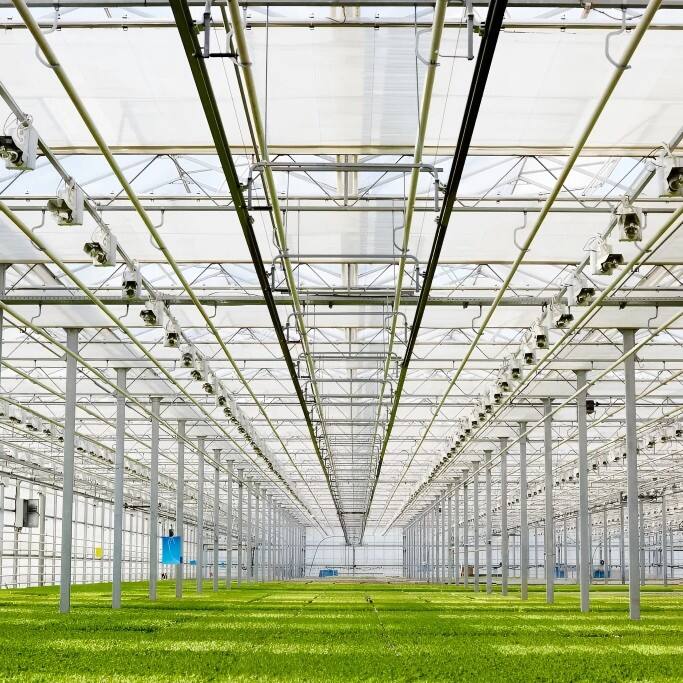
Smart hydroponic systems excel in maintaining optimal growing environments through comprehensive climate control and environmental monitoring capabilities that automatically adjust temperature, humidity, air circulation, and lighting conditions to maximize plant growth and productivity. The intelligent climate control system integrates multiple environmental sensors that continuously measure air temperature, relative humidity, carbon dioxide levels, light intensity, and air movement patterns throughout the growing area. Advanced HVAC integration enables precise temperature regulation within narrow ranges, maintaining ideal growing conditions for different plant species while minimizing energy consumption through efficient heating, cooling, and ventilation management. The system employs variable-speed fans and automated louvers that optimize air circulation patterns, preventing stagnant air pockets that could harbor fungal diseases or create uneven growing conditions across different areas of the facility. Humidity control mechanisms including dehumidifiers, humidifiers, and ventilation systems work together to maintain optimal moisture levels that prevent plant stress, disease development, and poor fruit set while promoting healthy transpiration and nutrient uptake. Integrated carbon dioxide supplementation systems monitor atmospheric CO2 levels and automatically inject additional carbon dioxide during peak photosynthesis periods to enhance plant growth rates and increase overall yields. The smart hydroponic system features sophisticated lighting control that adjusts LED intensity, spectrum, and photoperiod based on plant species, growth stages, and energy efficiency requirements, mimicking natural sunlight patterns while reducing electricity costs. Environmental data logging capabilities create comprehensive records of all climate conditions, enabling growers to analyze trends, identify optimal settings, and make data-driven decisions about crop management and facility improvements. Predictive analytics algorithms process historical environmental data to forecast optimal growing conditions and proactively adjust system parameters before problems occur, preventing stress-related yield losses and quality issues. Emergency backup systems maintain critical environmental conditions during power outages or equipment failures, protecting valuable crops from temperature extremes, humidity fluctuations, or lighting interruptions that could result in significant financial losses. The climate control system provides zone-based management capabilities that enable different environmental conditions in separate growing areas, allowing simultaneous cultivation of multiple crop varieties with varying environmental requirements within the same facility.
Real-Time Monitoring and Mobile Connectivity Features

Real-Time Monitoring and Mobile Connectivity Features

Modern smart hydroponic systems revolutionize agricultural management through comprehensive real-time monitoring and mobile connectivity features that provide growers with unprecedented control and oversight capabilities from anywhere in the world. The sophisticated monitoring system employs wireless sensor networks that continuously collect data on dozens of critical parameters including nutrient levels, pH values, water temperature, ambient conditions, pump operations, and plant health indicators, transmitting this information instantly to cloud-based platforms for analysis and storage. Mobile applications designed specifically for smart hydroponic systems enable growers to access real-time system status, receive instant alerts, adjust settings remotely, and monitor crop progress through high-resolution cameras integrated throughout the growing facility. The connectivity features include automated reporting systems that generate detailed performance summaries, yield predictions, resource consumption analyses, and maintenance schedules, helping growers optimize their operations and plan future crops more effectively. Advanced notification systems send customizable alerts via SMS, email, or push notifications when system parameters exceed predetermined thresholds, equipment malfunctions occur, or maintenance tasks become due, ensuring rapid response to potential problems before they impact crop yields or quality. The smart hydroponic system maintains detailed historical records of all system activities, environmental conditions, and crop performance data, enabling growers to analyze trends, identify optimization opportunities, and make informed decisions about future growing strategies and investments. Integration with existing farm management software and agricultural platforms allows seamless data sharing and comprehensive farm-wide monitoring capabilities that streamline operations and improve overall efficiency. Remote control capabilities enable growers to adjust nutrient concentrations, modify lighting schedules, control environmental settings, and activate emergency protocols from their smartphones or computers, providing flexibility and peace of mind especially during travel or after-hours periods. The monitoring system includes predictive maintenance features that analyze equipment performance data to forecast potential failures and schedule preventive maintenance before costly breakdowns occur, reducing downtime and extending equipment lifespan. Multi-user access controls allow farm managers, technicians, and investors to access different levels of system information and control capabilities based on their roles and responsibilities, improving collaboration and accountability throughout the organization. Data analytics dashboards provide visual representations of key performance indicators, trends, and comparisons that help growers identify successful strategies and areas needing improvement, supporting continuous optimization of their smart hydroponic system operations.
Get a Free Quote

Our representative will contact you soon.
Email
Name
Company Name
Message
0/1000