Premium Outdoor Hydroponic Systems - Advanced Soilless Growing Solutions for Modern Agriculture

Get a Free Quote

Our representative will contact you soon.
Email
Name
Company Name
Message
0/1000

outdoor hydroponic system

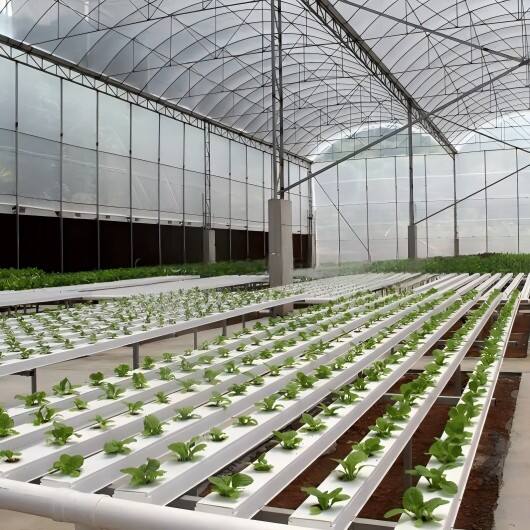
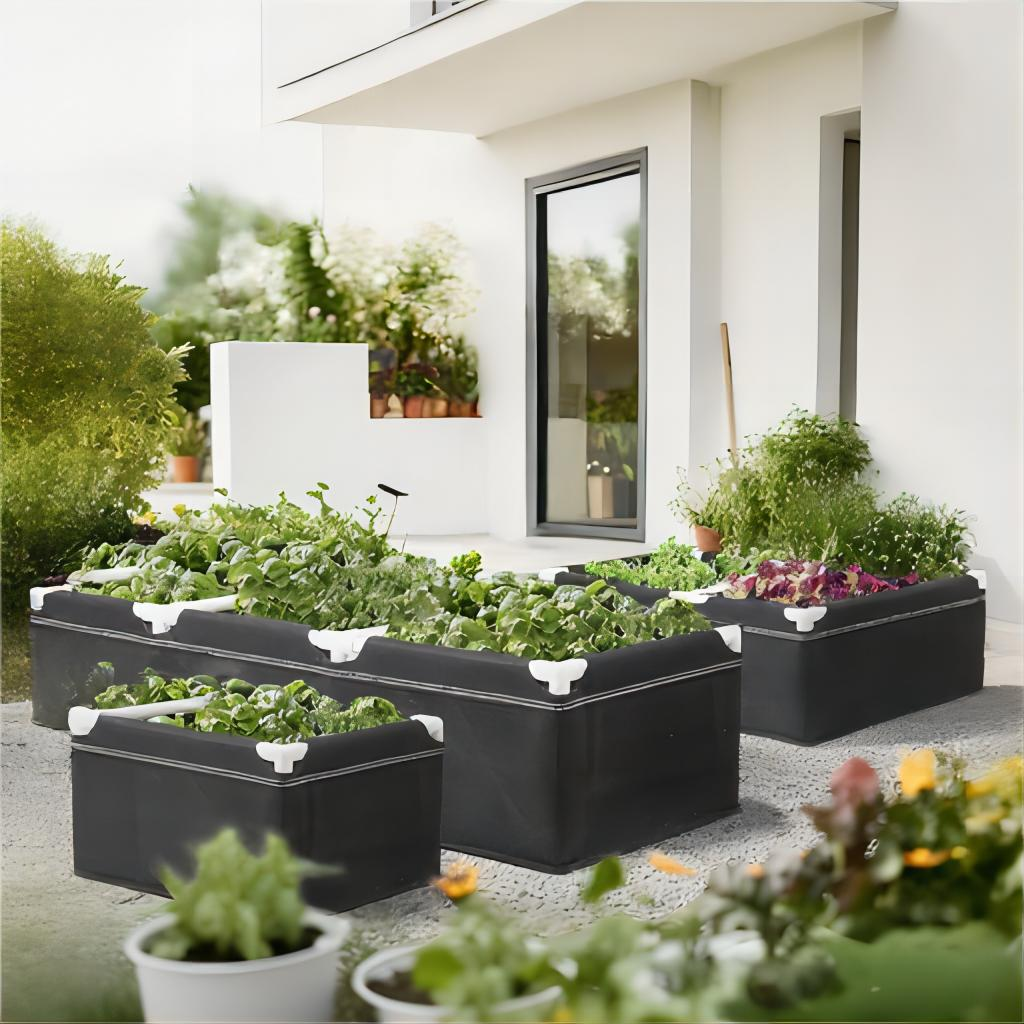
The outdoor hydroponic system represents a revolutionary approach to modern agriculture that eliminates the need for traditional soil-based cultivation while harnessing the power of natural sunlight and controlled environments. This innovative growing method delivers nutrients directly to plant roots through carefully balanced water solutions, creating optimal conditions for accelerated plant growth and maximum yield potential. Unlike conventional farming methods, the outdoor hydroponic system operates within protective structures that shield crops from harsh weather conditions while maintaining essential air circulation and natural light exposure. The system incorporates advanced technological features including automated nutrient delivery mechanisms, pH monitoring sensors, and climate control systems that work together to create ideal growing conditions year-round. Water circulation pumps ensure consistent nutrient distribution throughout the growing medium, while drainage systems prevent waterlogging and root rot issues that commonly plague traditional gardening methods. The outdoor hydroponic system supports various growing mediums such as expanded clay pellets, coconut coir, or perlite, each selected based on specific crop requirements and local environmental conditions. Modern installations feature programmable timers that regulate watering cycles, reducing manual labor while ensuring plants receive precise amounts of nutrition at optimal intervals. These systems find extensive applications in commercial vegetable production, herb cultivation, and specialty crop farming, particularly in regions with poor soil quality or extreme climate conditions. Educational institutions utilize outdoor hydroponic systems for agricultural research and student training programs, while urban farmers employ them to maximize production in limited spaces. The technology proves especially valuable in areas facing water scarcity, as hydroponic methods typically consume 90% less water than traditional irrigation techniques. Professional growers appreciate the system's ability to produce consistent harvests regardless of seasonal variations, enabling year-round crop production and improved profit margins through extended growing seasons.
New Product Releases

The outdoor hydroponic system offers tremendous water conservation benefits that make it an environmentally responsible choice for modern growers. Traditional farming methods often waste significant amounts of water through runoff and evaporation, but hydroponic systems recirculate nutrient solutions, reducing water consumption by up to 90 percent compared to conventional irrigation. This closed-loop design captures and reuses every drop, making it particularly valuable in drought-prone regions or areas with limited water resources. The system eliminates soil-related problems that plague traditional agriculture, including soilborne diseases, pest infestations, and nutrient depletion that can devastate entire crops. Without soil dependency, growers can establish productive farms in previously unusable locations such as rocky terrain, contaminated land, or urban rooftops where traditional agriculture would be impossible. Plants grown in outdoor hydroponic systems demonstrate accelerated growth rates because roots receive direct access to perfectly balanced nutrients without competing with weeds or struggling through compacted soil. This efficient nutrient delivery results in harvest cycles that are typically 30-50 percent faster than soil-based cultivation, allowing multiple crops per season and increased annual productivity. The controlled environment nature of these systems provides protection against unpredictable weather patterns, including excessive rainfall, drought conditions, and temperature extremes that can destroy traditional crops. Growers maintain precise control over nutrient concentrations, pH levels, and feeding schedules, ensuring optimal plant health and maximizing yield potential throughout the growing season. Labor requirements decrease significantly with outdoor hydroponic systems because they eliminate weeding, soil preparation, and many pest management tasks associated with traditional farming. The elevated growing surfaces reduce back strain for workers while making maintenance tasks more accessible and efficient. Quality control becomes more manageable as hydroponic produce typically exhibits superior consistency in size, color, and flavor compared to field-grown alternatives. The system supports organic growing practices by eliminating the need for synthetic soil amendments and reducing reliance on chemical pesticides. Economic benefits include reduced crop loss due to weather damage, lower water bills, decreased labor costs, and the ability to command premium prices for consistently high-quality produce. Urban and suburban growers particularly value these systems for their space efficiency and ability to produce substantial yields in compact areas.

Latest News

Hydroponic Vertical Farming_ Empowering Legal Cultivation Markets Globally

09

Feb

Hydroponic Vertical Farming_ Empowering Legal Cultivation Markets Globally

View More
Planting Containers: Unlocking New Possibilities for Smart Agriculture, Creating Efficient and Movable Planting Spaces

11

Mar

Planting Containers: Unlocking New Possibilities for Smart Agriculture, Creating Efficient and Movable Planting Spaces

View More
Vertical Farming Machines, Greenhouse Cultivation & Hydroponics: Reshaping the Future of Agriculture

09

Feb

Vertical Farming Machines, Greenhouse Cultivation & Hydroponics: Reshaping the Future of Agriculture

View More

Get a Free Quote

Our representative will contact you soon.
Email
Name
Company Name
Message
0/1000

outdoor hydroponic system

Advanced Automated Nutrient Management Technology

Advanced Automated Nutrient Management Technology

The outdoor hydroponic system incorporates sophisticated automated nutrient management technology that revolutionizes how plants receive essential minerals and nutrients throughout their growth cycle. This intelligent system continuously monitors and adjusts nutrient concentrations based on real-time plant needs, growth stages, and environmental conditions, ensuring optimal nutrition delivery without human intervention. The automated technology utilizes precision sensors that measure electrical conductivity and pH levels in the nutrient solution, automatically triggering adjustments when values drift outside predetermined ranges. This constant monitoring prevents nutrient deficiencies or toxicities that can severely impact plant health and productivity in traditional growing methods. The system features programmable feeding schedules that can be customized for different crop varieties, allowing growers to optimize nutrition delivery for multiple plant species simultaneously within the same installation. Advanced dosing pumps inject concentrated nutrient solutions into the water supply at precisely calculated rates, maintaining consistent nutrition levels while minimizing waste and reducing operational costs. The technology includes backup systems and alarm notifications that alert growers to potential issues before they can impact crop health, ensuring continuous operation even during equipment maintenance periods. Smart integration capabilities allow remote monitoring and control through mobile applications, enabling growers to manage their outdoor hydroponic system from anywhere with internet connectivity. The automated system maintains detailed logs of nutrient consumption, pH fluctuations, and feeding cycles, providing valuable data for optimizing future growing seasons and identifying areas for improvement. This technological advancement eliminates the guesswork and manual testing traditionally required in hydroponic cultivation, making the system accessible to both experienced growers and beginners. The precision nutrient delivery results in stronger root development, improved disease resistance, and enhanced flavor profiles in harvested crops. By maintaining optimal nutrient balance automatically, the system reduces the risk of human error while ensuring plants receive exactly what they need for maximum growth potential. This technology represents a significant investment in crop quality and operational efficiency that pays dividends through increased yields and reduced labor requirements.
Weather-Resistant Structural Design and Climate Protection

Weather-Resistant Structural Design and Climate Protection

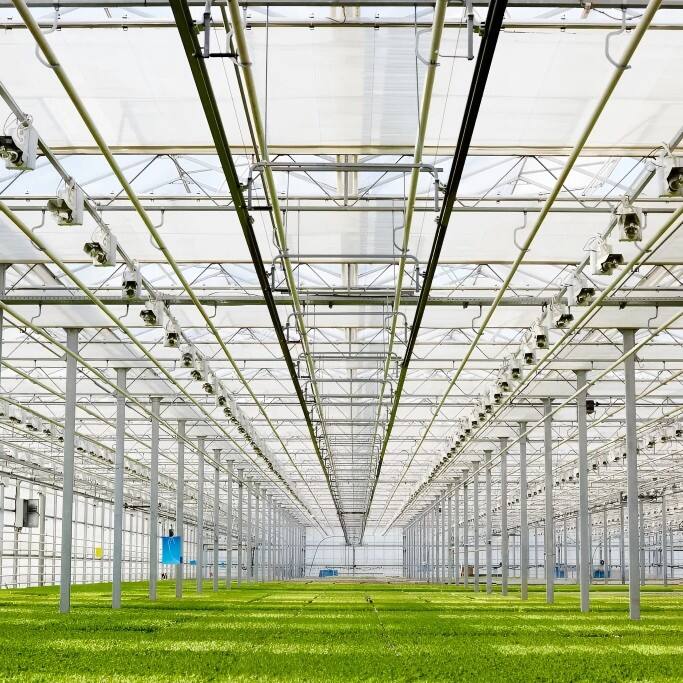
The outdoor hydroponic system features robust weather-resistant structural design that provides comprehensive climate protection while maintaining optimal growing conditions in challenging environmental situations. The protective framework utilizes high-grade materials including galvanized steel frames and UV-resistant polycarbonate panels that withstand extreme temperature fluctuations, heavy snow loads, and high wind conditions that would devastate traditional open-field crops. The structural engineering incorporates reinforced anchoring systems and flexible joint connections that allow the structure to adapt to thermal expansion and environmental stresses without compromising integrity. The climate protection features include adjustable ventilation systems that regulate internal temperature and humidity levels, preventing the overheating that can occur in enclosed growing environments while maintaining protection from external weather extremes. The design incorporates natural ventilation principles with strategically placed intake and exhaust vents that create optimal airflow patterns throughout the growing area. Retractable roof sections provide additional climate control options, allowing growers to expose crops to natural rainfall during favorable conditions while maintaining protection during severe weather events. The protective covering materials filter harmful UV radiation while allowing beneficial light spectrums to penetrate, creating an ideal photosynthetic environment that promotes healthy plant development. Integrated gutter systems collect rainwater for system use while preventing water damage to structural components and growing equipment. The weather-resistant design includes provisions for heating and cooling systems that can maintain optimal growing temperatures regardless of external conditions, extending growing seasons into typically nonproductive periods. Storm-resistant features include reinforced door systems, secure equipment mounting, and drainage systems that prevent flooding during heavy precipitation events. The structural design accommodates expansion modules, allowing growers to increase production capacity without rebuilding the entire installation. Maintenance accessibility features include walkways, service platforms, and equipment access panels that facilitate routine maintenance while ensuring worker safety in various weather conditions. The durable construction materials resist corrosion, UV degradation, and thermal stress, ensuring long-term reliability and minimal replacement costs over the system's operational lifetime. This comprehensive weather protection enables consistent crop production regardless of seasonal variations or climate challenges.
Space-Efficient Vertical Growing Configuration

Space-Efficient Vertical Growing Configuration

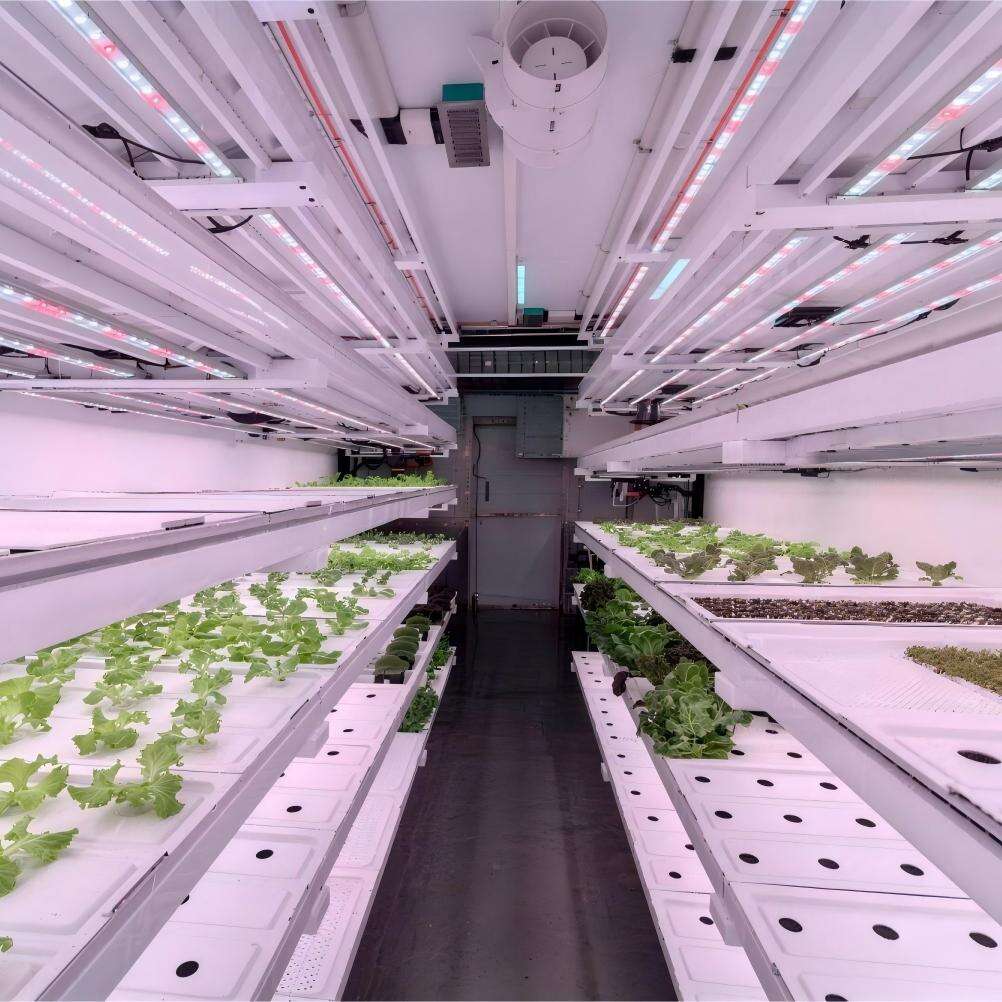
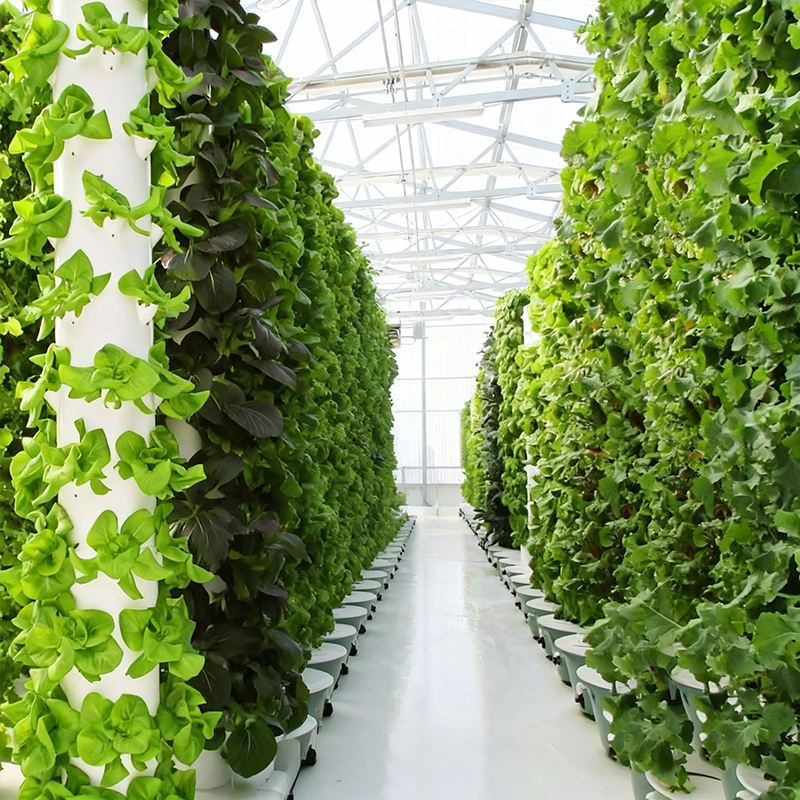
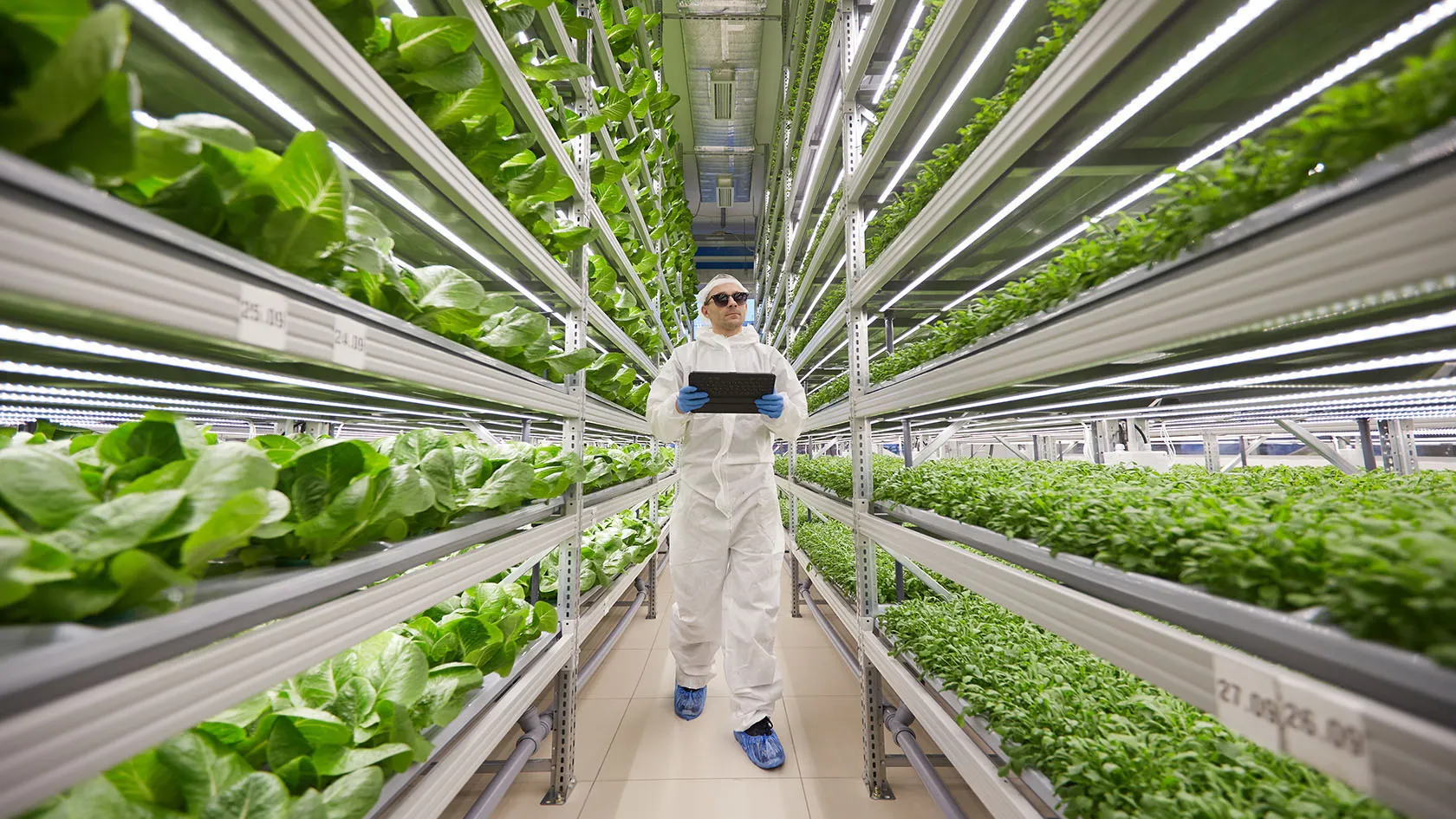
The outdoor hydroponic system maximizes productivity through innovative space-efficient vertical growing configuration that dramatically increases yield per square foot compared to traditional horizontal farming methods. This vertical approach utilizes multiple growing tiers arranged in tower or rack configurations that can accommodate three to five times more plants in the same footprint as conventional growing systems. The vertical design incorporates specialized support structures that distribute weight evenly while providing adequate spacing between growing levels to ensure proper light penetration and air circulation for all plants. Each growing tier features independent irrigation and drainage systems that prevent cross-contamination between levels while allowing customized nutrition delivery based on specific crop requirements at different growth stages. The configuration includes adjustable tier spacing that can be modified to accommodate crops of varying heights, from leafy greens and herbs to larger fruiting plants like tomatoes and peppers. Efficient space utilization extends to walkway design, with narrow maintenance corridors that maximize growing area while providing adequate access for routine care and harvesting activities. The vertical system incorporates gravity-fed drainage that eliminates the need for complex pumping systems at each level while ensuring proper water flow throughout the entire structure. Modular design elements allow for easy reconfiguration or expansion of the vertical growing system as operational needs change or production demands increase. The space-efficient layout reduces land requirements by up to 80 percent compared to traditional farming methods, making it particularly valuable in urban environments where land costs are prohibitively expensive. Integrated lighting systems can be positioned between growing tiers to supplement natural sunlight during low-light periods, ensuring consistent photosynthetic activity throughout all growing levels. The vertical configuration improves harvest efficiency by bringing crops to comfortable working heights, reducing labor time and physical strain associated with ground-level cultivation. Air circulation systems are specifically designed for vertical environments, with strategically placed fans that ensure adequate ventilation reaches all growing levels without creating damaging wind conditions. The compact design enables installation in locations previously unsuitable for agriculture, including rooftops, unused urban lots, and industrial spaces that can be converted to productive growing facilities. This space maximization technology represents the future of sustainable agriculture in increasingly urbanized environments where traditional farming space is limited.

Get a Free Quote

Our representative will contact you soon.
Email
Name
Company Name
Message
0/1000