Complete Guide to Vegetable Hydroponic Systems: Advanced Growing Technology for Maximum Yields

Get a Free Quote

Our representative will contact you soon.
Email
Name
Company Name
Message
0/1000

vegetable hydroponic system

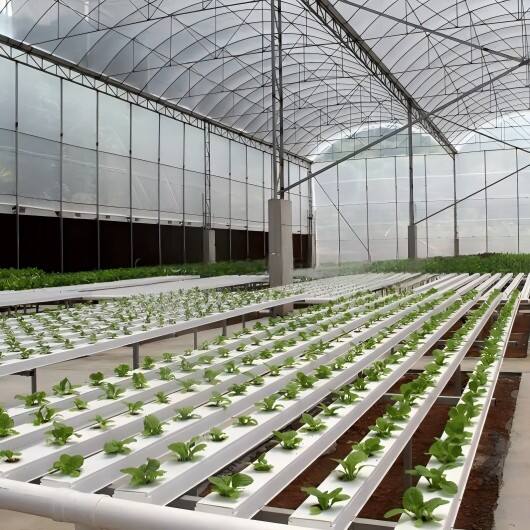
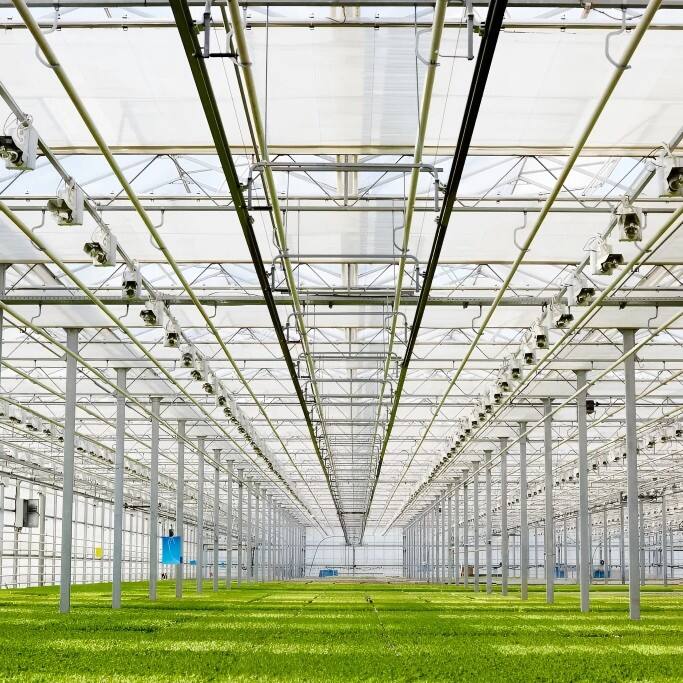
A vegetable hydroponic system represents a revolutionary approach to modern agriculture that eliminates the need for traditional soil-based cultivation. This innovative growing method utilizes nutrient-rich water solutions to deliver essential minerals and vitamins directly to plant roots, creating an optimal environment for vegetable production. The vegetable hydroponic system operates through carefully controlled water circulation, maintaining precise nutrient concentrations that promote faster growth rates and higher yields compared to conventional farming methods. The core technology behind these systems involves sophisticated monitoring equipment that tracks pH levels, electrical conductivity, and dissolved oxygen content in real-time. Advanced pumping mechanisms ensure consistent water flow throughout the growing medium, while automated dosing systems maintain optimal nutrient balances for different vegetable varieties. The vegetable hydroponic system incorporates specialized growing substrates such as rockwool, perlite, or coconut coir that provide physical support while allowing maximum root oxygenation. Temperature regulation features maintain ideal growing conditions year-round, enabling continuous production cycles regardless of external weather conditions. Modern vegetable hydroponic systems integrate smart sensors and digital controllers that automatically adjust environmental parameters, reducing labor requirements while maximizing crop quality. These systems find extensive applications in commercial greenhouse operations, urban farming initiatives, and residential growing spaces where traditional agriculture faces limitations. The technology supports various cultivation methods including deep water culture, nutrient film technique, and media-based growing systems, each tailored to specific vegetable types and production goals. Research facilities utilize vegetable hydroponic systems for agricultural studies and crop optimization experiments, while educational institutions implement these systems for hands-on learning experiences. The scalability of hydroponic technology allows implementation ranging from small countertop units for herbs to large-scale commercial operations producing tons of fresh vegetables annually.
New Product Releases

The vegetable hydroponic system delivers exceptional benefits that transform how growers approach vegetable production, offering solutions to traditional farming challenges while maximizing efficiency and profitability. Water conservation stands as a primary advantage, with hydroponic systems using up to 90 percent less water than soil-based agriculture through precise nutrient delivery and recirculation systems that eliminate waste and runoff. This efficiency becomes crucial in drought-prone regions where water scarcity threatens conventional farming operations. Accelerated growth rates represent another significant benefit, as vegetables grown in hydroponic systems mature 25 to 50 percent faster than their soil-grown counterparts due to optimal nutrient availability and controlled environmental conditions. The vegetable hydroponic system eliminates soil-borne diseases, pests, and weeds that commonly plague traditional gardens, reducing the need for harmful pesticides and herbicides while producing cleaner, safer vegetables. Year-round production capabilities enable continuous harvesting regardless of seasonal limitations, weather patterns, or geographic location, providing consistent income streams for commercial operations and fresh produce availability for consumers. Space optimization features allow vertical growing configurations and higher plant densities, making the vegetable hydroponic system ideal for urban environments where land availability remains limited and expensive. Quality control advantages include consistent nutrient delivery that produces uniform vegetable sizes, colors, and flavors, meeting strict market standards and consumer expectations. Labor efficiency improvements reduce physical strain associated with weeding, cultivating, and pest management, while automated systems minimize daily maintenance requirements. The vegetable hydroponic system produces higher yields per square foot compared to traditional farming, with some crops achieving three to ten times greater productivity in controlled environments. Reduced transportation costs benefit local food systems as hydroponic facilities can operate closer to urban markets, delivering fresher vegetables with lower carbon footprints. Environmental sustainability advantages include elimination of agricultural runoff that contaminates waterways, reduced land use requirements, and decreased chemical inputs that harm ecosystem balance. Economic benefits extend beyond production efficiency to include reduced crop losses from weather events, pests, and diseases that can devastate traditional farms, providing more predictable returns on agricultural investments.

Practical Tips

Hydroponic Vertical Farming_ Empowering Legal Cultivation Markets Globally

09

Feb

Hydroponic Vertical Farming_ Empowering Legal Cultivation Markets Globally

View More
Planting Containers: Unlocking New Possibilities for Smart Agriculture, Creating Efficient and Movable Planting Spaces

11

Mar

Planting Containers: Unlocking New Possibilities for Smart Agriculture, Creating Efficient and Movable Planting Spaces

View More
Vertical Farming Machines, Greenhouse Cultivation & Hydroponics: Reshaping the Future of Agriculture

09

Feb

Vertical Farming Machines, Greenhouse Cultivation & Hydroponics: Reshaping the Future of Agriculture

View More

Get a Free Quote

Our representative will contact you soon.
Email
Name
Company Name
Message
0/1000

vegetable hydroponic system

Advanced Nutrient Management and Precision Control Technology

Advanced Nutrient Management and Precision Control Technology

The vegetable hydroponic system revolutionizes plant nutrition through sophisticated nutrient management technology that delivers unprecedented precision and control over growing conditions. This advanced system utilizes computerized monitoring equipment that continuously tracks essential parameters including pH levels, electrical conductivity, dissolved oxygen concentration, and individual nutrient ion levels in the growing solution. The precision control technology automatically adjusts nutrient concentrations based on plant growth stages, ensuring optimal nutrition delivery throughout the entire cultivation cycle. Smart sensors detect minute changes in nutrient uptake patterns, allowing the vegetable hydroponic system to respond immediately to plant needs and prevent deficiencies before they impact crop quality or yield. The automated dosing systems inject precise amounts of individual nutrients, creating customized feeding programs for different vegetable varieties that maximize their genetic potential. This technological sophistication eliminates guesswork associated with traditional fertilization methods, where soil conditions and weather patterns can interfere with nutrient availability. The vegetable hydroponic system maintains consistent nutrient concentrations through recirculation pumps and filtration systems that prevent salt buildup and maintain solution purity. Advanced pH buffering technology automatically adjusts acidity levels to optimize nutrient uptake efficiency, ensuring plants receive maximum benefit from every mineral and vitamin in the solution. The system includes backup monitoring capabilities and alert mechanisms that notify operators of any deviations from optimal parameters, preventing costly crop losses and maintaining production schedules. Data logging features record detailed growth metrics and environmental conditions, enabling continuous improvement and optimization of growing protocols. The vegetable hydroponic system integrates with mobile applications and remote monitoring platforms, allowing growers to track performance and make adjustments from any location. This level of technological integration transforms vegetable production from an art form dependent on experience and intuition into a precise science that delivers consistent, predictable results while maximizing resource efficiency and crop quality.
Space-Efficient Vertical Growing and Scalable Design Solutions

Space-Efficient Vertical Growing and Scalable Design Solutions

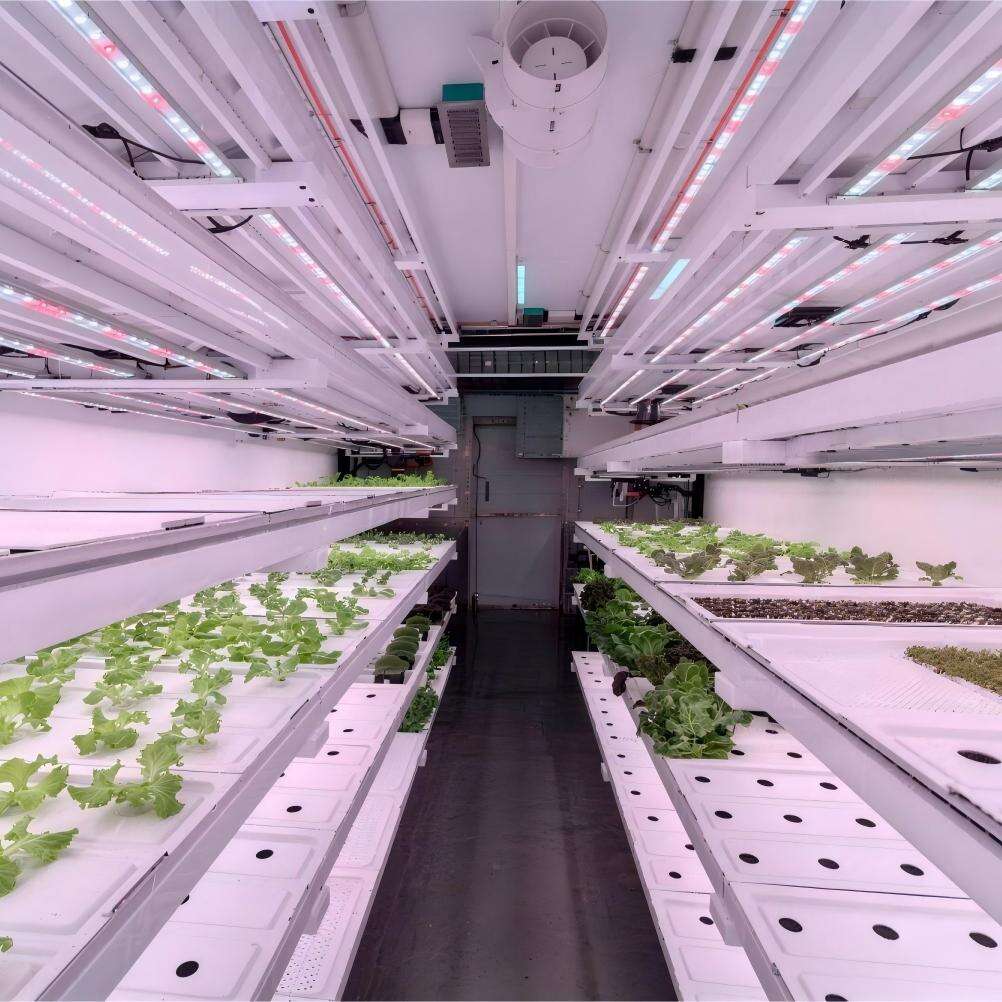
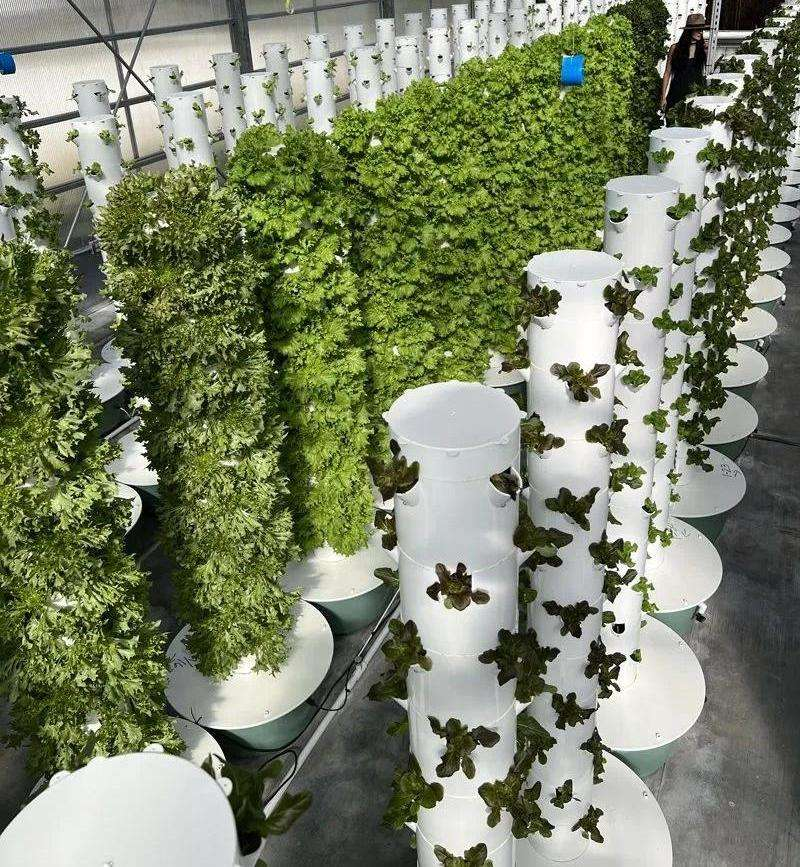
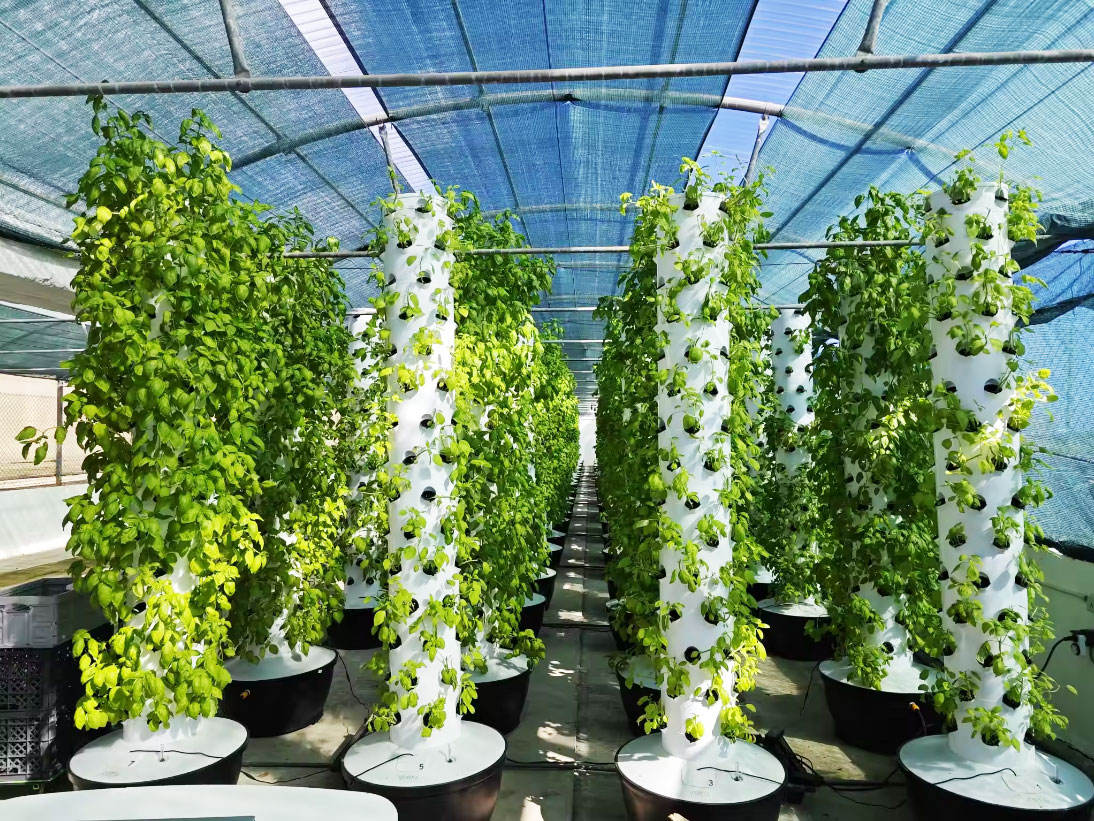
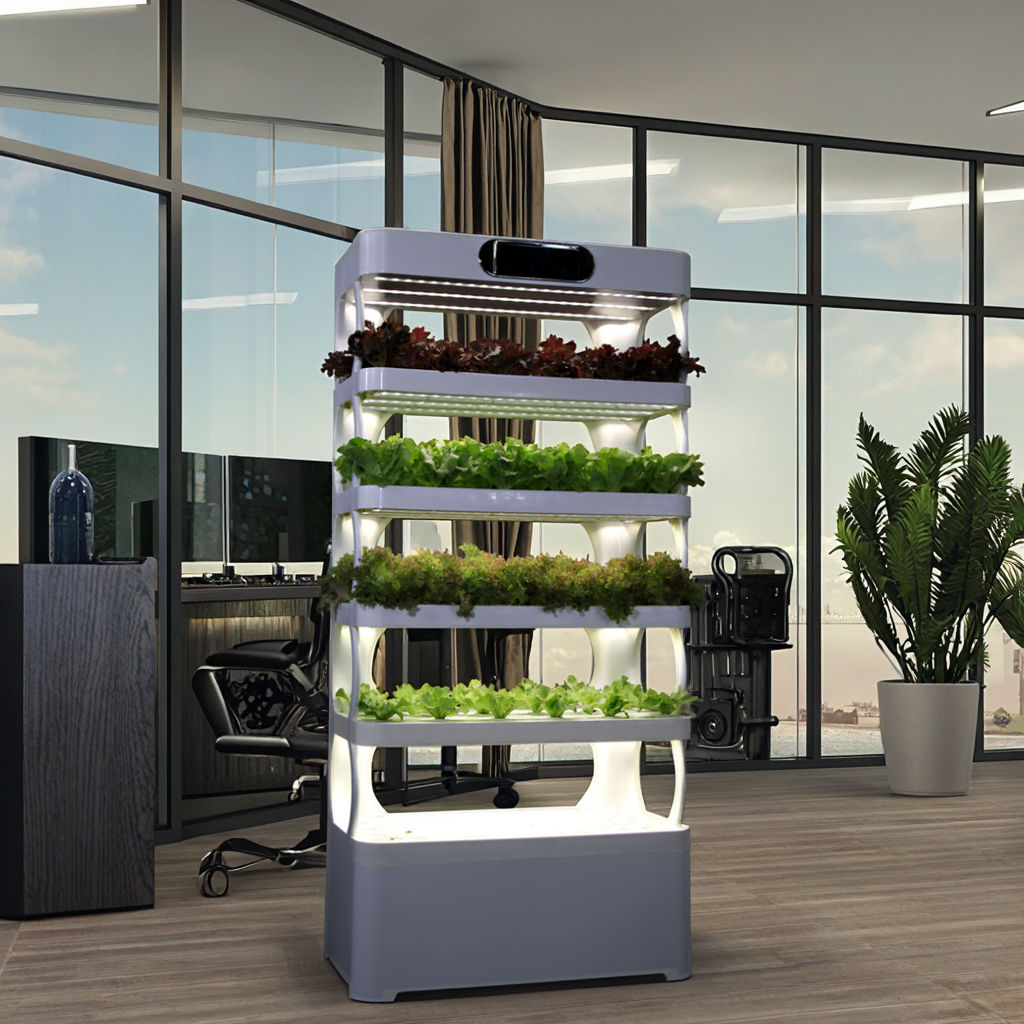
The vegetable hydroponic system excels in space optimization through innovative vertical growing configurations and scalable design solutions that maximize production capacity within minimal footprints. This space-efficient approach enables growers to stack multiple growing levels vertically, increasing plant density by 300 to 500 percent compared to traditional horizontal farming methods. The modular design philosophy allows the vegetable hydroponic system to adapt to various facility sizes and configurations, from compact countertop units suitable for residential kitchens to massive commercial installations spanning thousands of square feet. Vertical tower systems and multi-tier growing racks utilize overhead space effectively, creating three-dimensional growing environments that dramatically increase yield per square foot of floor space. The lightweight construction materials and streamlined support structures minimize building requirements while maintaining structural integrity capable of supporting fully loaded growing systems. Flexible piping networks and modular components enable easy expansion and reconfiguration as production needs evolve, protecting initial investments while accommodating business growth. The vegetable hydroponic system incorporates efficient lighting solutions such as LED arrays positioned optimally for each growing level, ensuring uniform light distribution throughout the vertical growing structure. Climate control integration maintains consistent temperature and humidity levels across all growing zones, preventing the stratification issues common in tall growing structures. The compact design reduces facility costs including heating, cooling, and lighting expenses while maximizing the productive use of expensive urban real estate. Automated harvesting accessibility features ensure workers can efficiently tend to crops at all levels without compromising safety or productivity. The scalable infrastructure supports phased expansion strategies where operations can begin with smaller systems and gradually increase capacity based on market demand and financial resources. Transportation and installation advantages include pre-fabricated components that assemble quickly with minimal disruption to existing operations. The vegetable hydroponic system design accommodates diverse vegetable types with adjustable spacing configurations that optimize growing conditions for leafy greens, herbs, tomatoes, peppers, and other high-value crops within the same facility framework.
Sustainable Resource Management and Environmental Impact Reduction

Sustainable Resource Management and Environmental Impact Reduction

The vegetable hydroponic system champions environmental sustainability through revolutionary resource management practices that dramatically reduce ecological impact while maintaining high productivity standards. Water conservation represents the cornerstone of this sustainable approach, with closed-loop recirculation systems that capture, filter, and reuse nutrient solutions continuously, achieving up to 95 percent water savings compared to conventional agriculture. This efficiency becomes particularly valuable in arid regions and water-stressed areas where traditional farming depletes precious groundwater resources and competes with municipal water supplies. The vegetable hydroponic system eliminates agricultural runoff that carries excess fertilizers and pesticides into waterways, preventing eutrophication and contamination of lakes, rivers, and coastal ecosystems. Precision nutrient delivery systems ensure plants receive exactly the minerals they require, eliminating waste and preventing over-fertilization that harms soil microorganisms and beneficial insects. The controlled environment approach reduces or eliminates pesticide applications, creating safer working conditions for farm workers while producing chemical-free vegetables that meet organic standards and consumer health expectations. Energy efficiency features include LED lighting systems that consume 60 percent less electricity than traditional growing lights while providing optimal spectral output for photosynthesis and plant development. The vegetable hydroponic system reduces transportation emissions by enabling local food production in urban areas, shortening supply chains and delivering fresher produce with lower carbon footprints. Land use efficiency prevents deforestation and habitat destruction by producing higher yields in smaller areas, preserving natural ecosystems and biodiversity while meeting growing food demands. Waste reduction benefits include compostable growing media and recyclable system components that minimize landfill contributions and support circular economy principles. The vegetable hydroponic system operates without soil cultivation, preventing erosion and preserving topsoil resources that require centuries to develop naturally. Carbon sequestration opportunities arise from reduced machinery use, eliminated soil tillage, and decreased transportation requirements associated with local food production. Climate resilience features protect crops from extreme weather events, ensuring consistent food production despite increasing climate variability and reducing crop insurance costs for growers.

Get a Free Quote

Our representative will contact you soon.
Email
Name
Company Name
Message
0/1000