automated hydroponic system
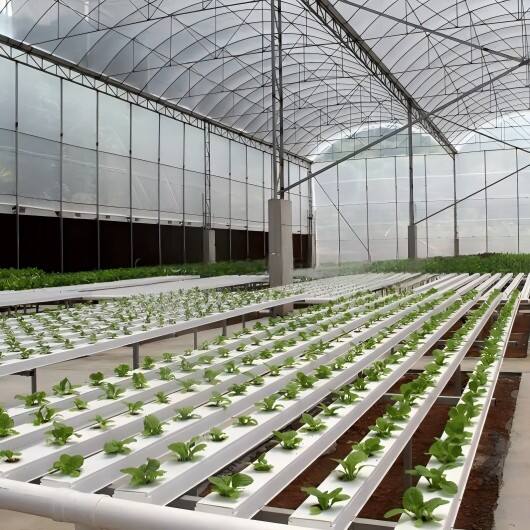
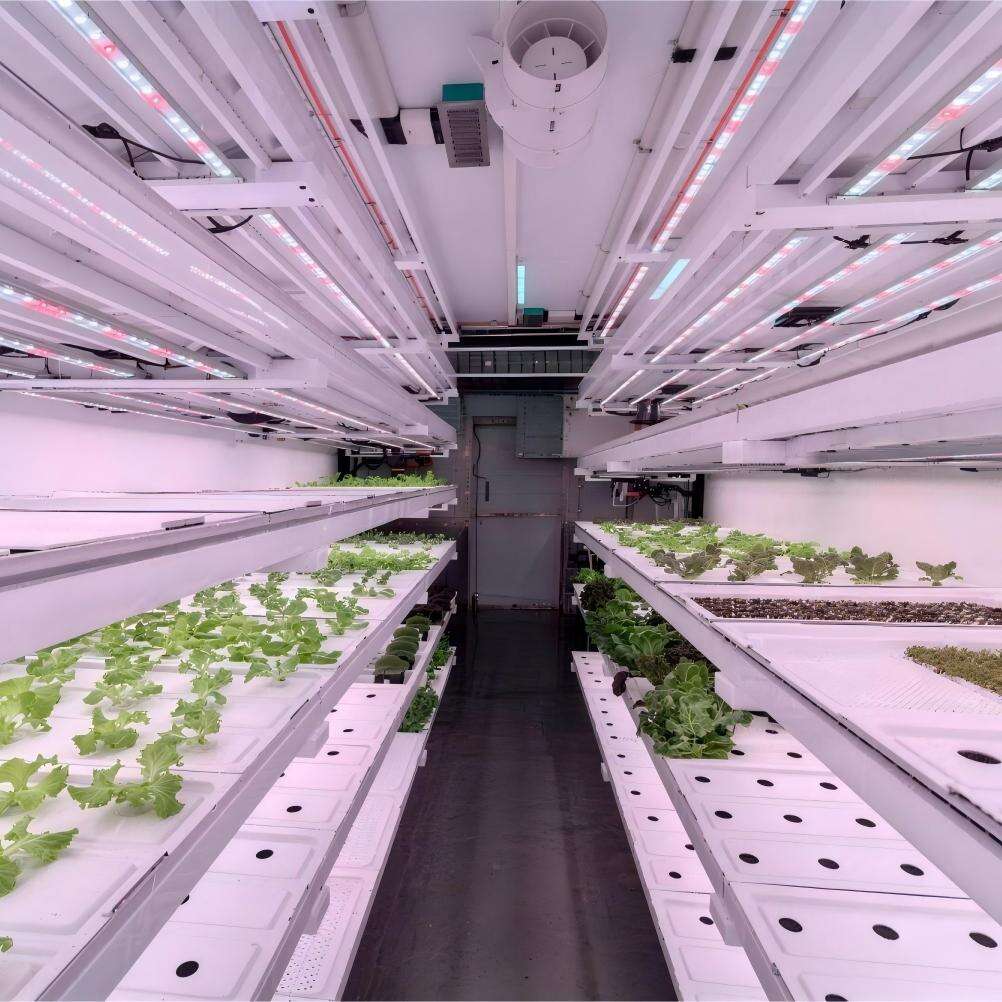
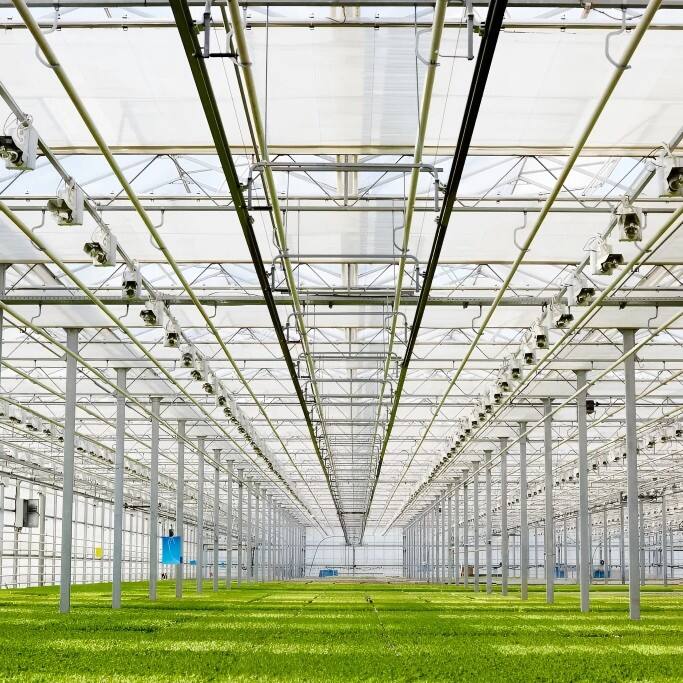
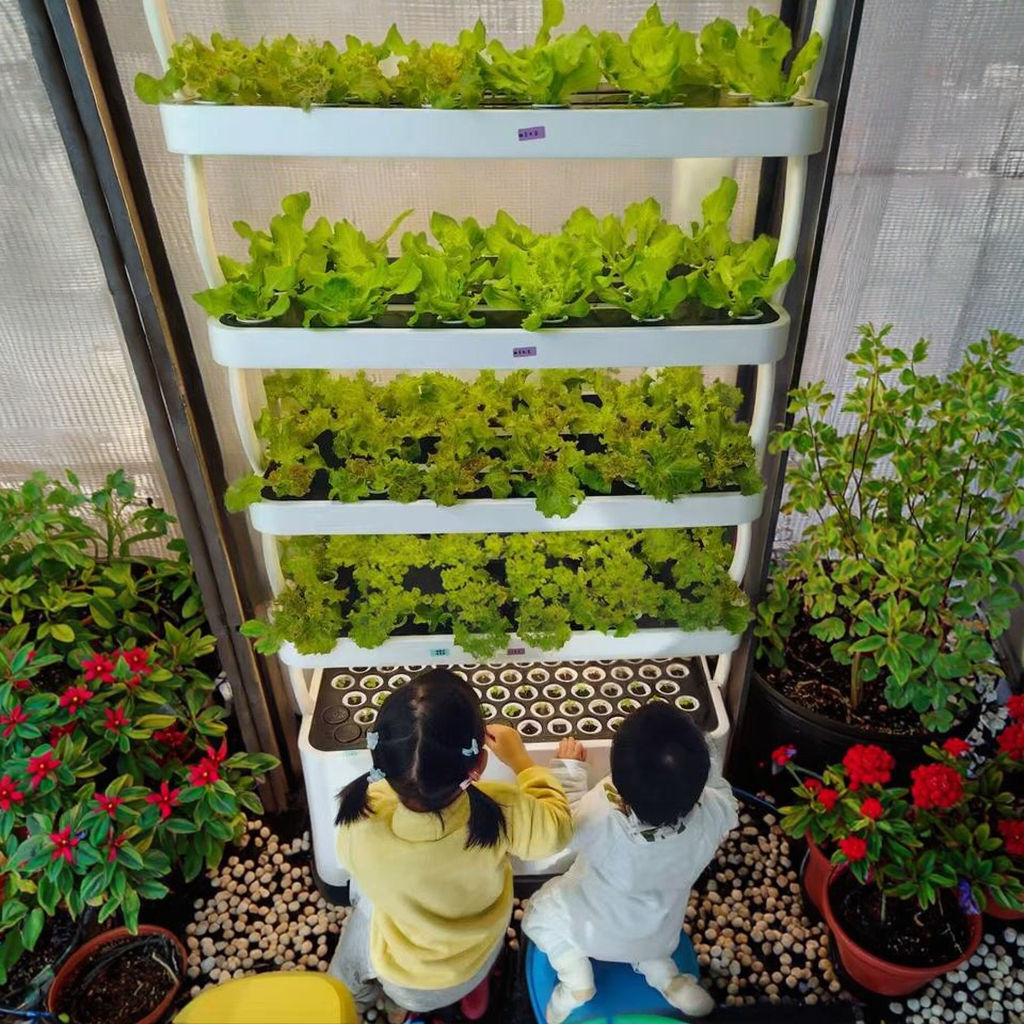
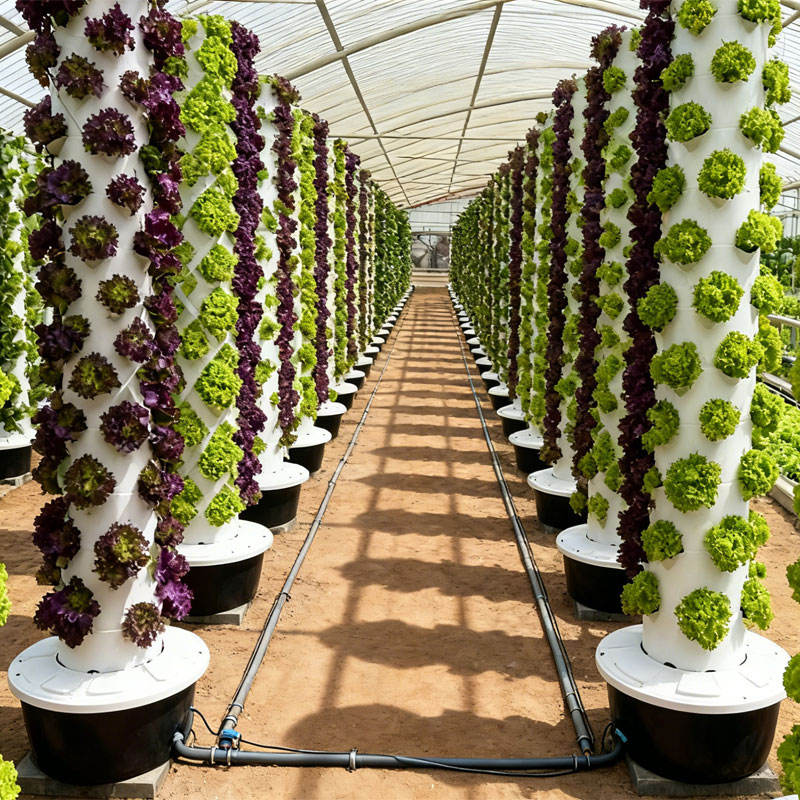
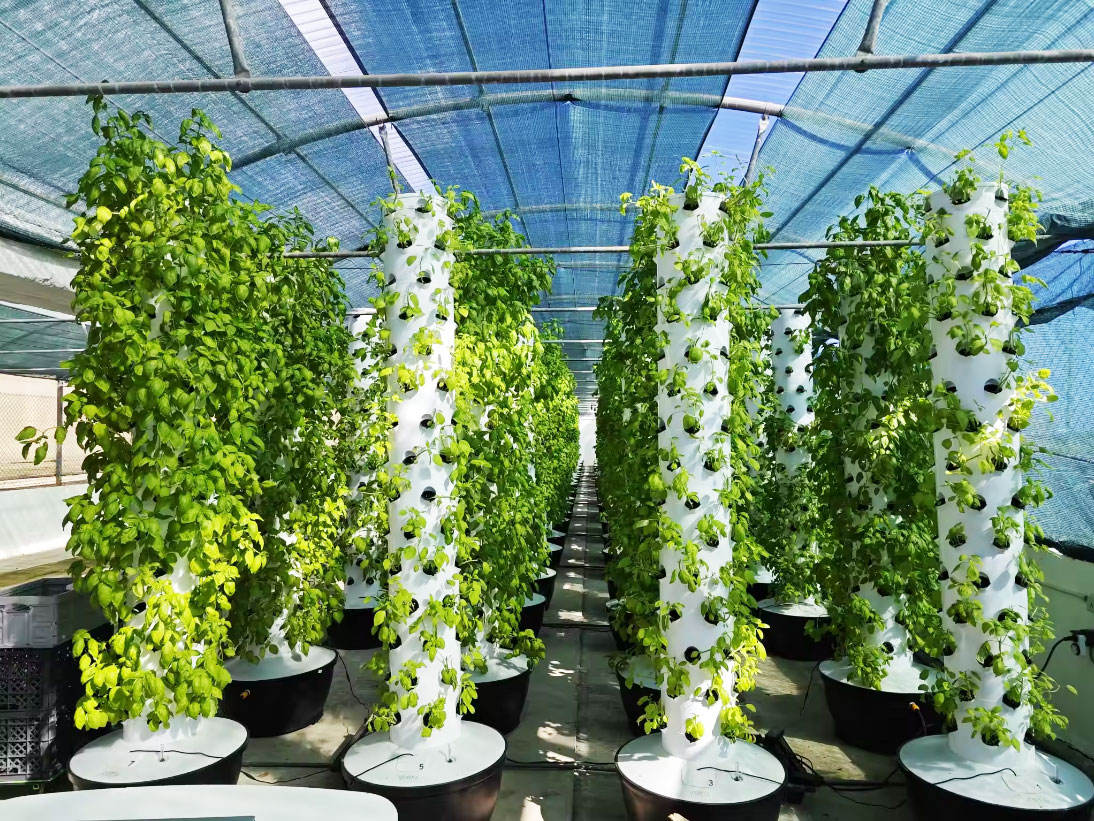
An automated hydroponic system represents a revolutionary approach to modern agriculture, combining cutting-edge technology with soil-free cultivation methods. This innovative growing solution utilizes nutrient-rich water solutions to nourish plants directly through their root systems, eliminating the need for traditional soil-based farming. The automated hydroponic system integrates sophisticated sensors, pumps, timers, and monitoring equipment to create a precisely controlled growing environment that maximizes plant health and yield. The system's main functions include automated nutrient delivery, pH level monitoring and adjustment, water circulation management, and environmental control. Advanced sensors continuously monitor essential parameters such as nutrient concentration, water temperature, ambient humidity, and light exposure levels. The technological features encompass programmable feeding schedules, real-time data logging, mobile app connectivity, and automated alert systems that notify users of any deviations from optimal growing conditions. These systems often incorporate LED grow lights with customizable spectrums, climate control modules, and backup power systems to ensure uninterrupted operation. The applications of automated hydroponic systems span across commercial agriculture, residential gardening, educational institutions, and research facilities. Commercial growers utilize these systems to produce leafy greens, herbs, tomatoes, cucumbers, and various specialty crops year-round. Educational institutions employ automated hydroponic systems to teach students about plant biology, agriculture technology, and sustainable farming practices. Research facilities leverage these controlled environments to conduct plant breeding experiments, nutrition studies, and crop optimization trials. Urban farmers and home gardeners increasingly adopt smaller-scale automated hydroponic systems to grow fresh produce in limited spaces, including apartments, rooftops, and basements. The versatility of these systems allows cultivation in greenhouses, indoor facilities, and even shipping container farms, making agriculture possible in previously unsuitable locations.
 ×
×

 EN
EN