mass hydroponics
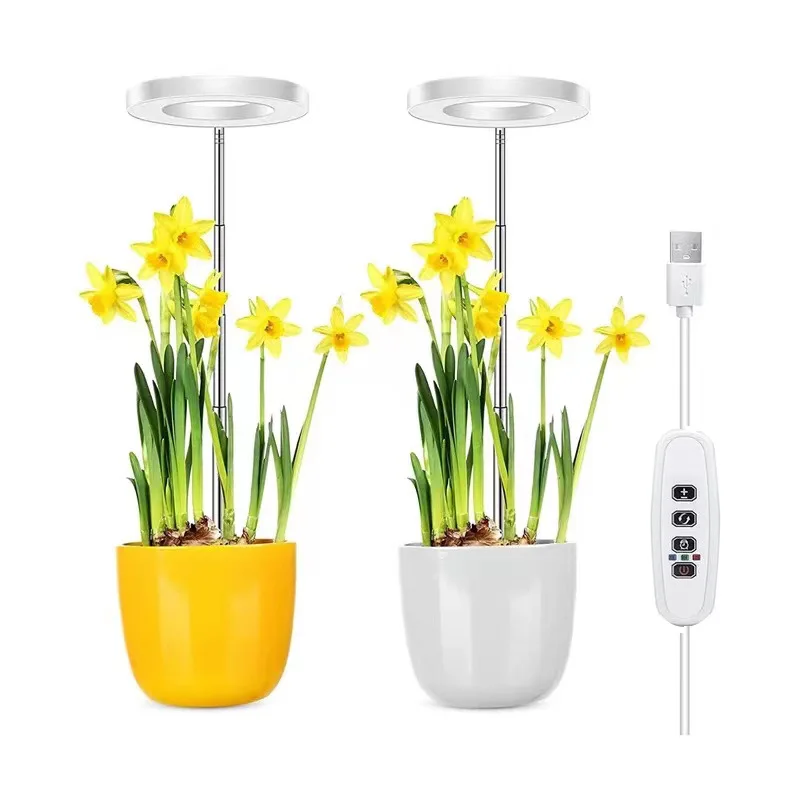
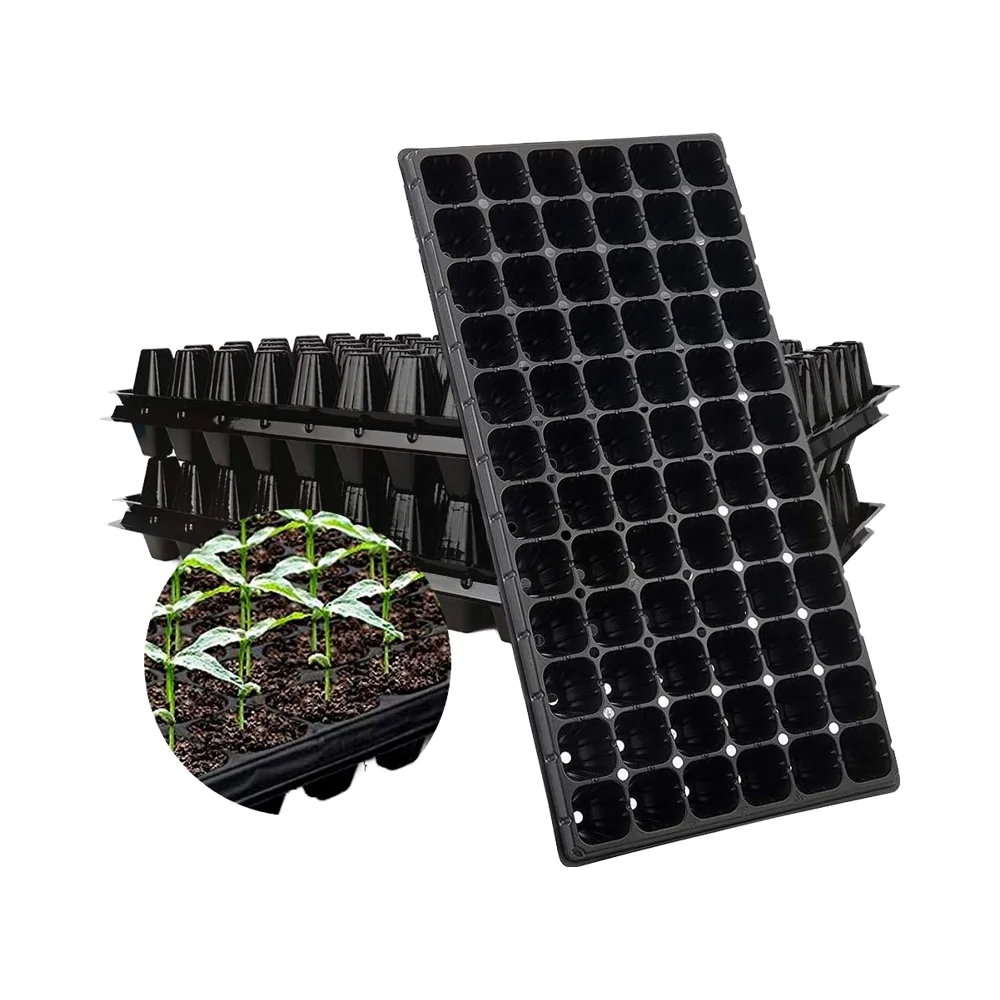
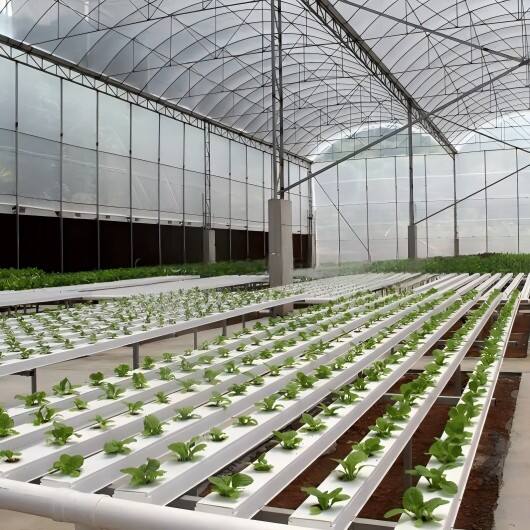
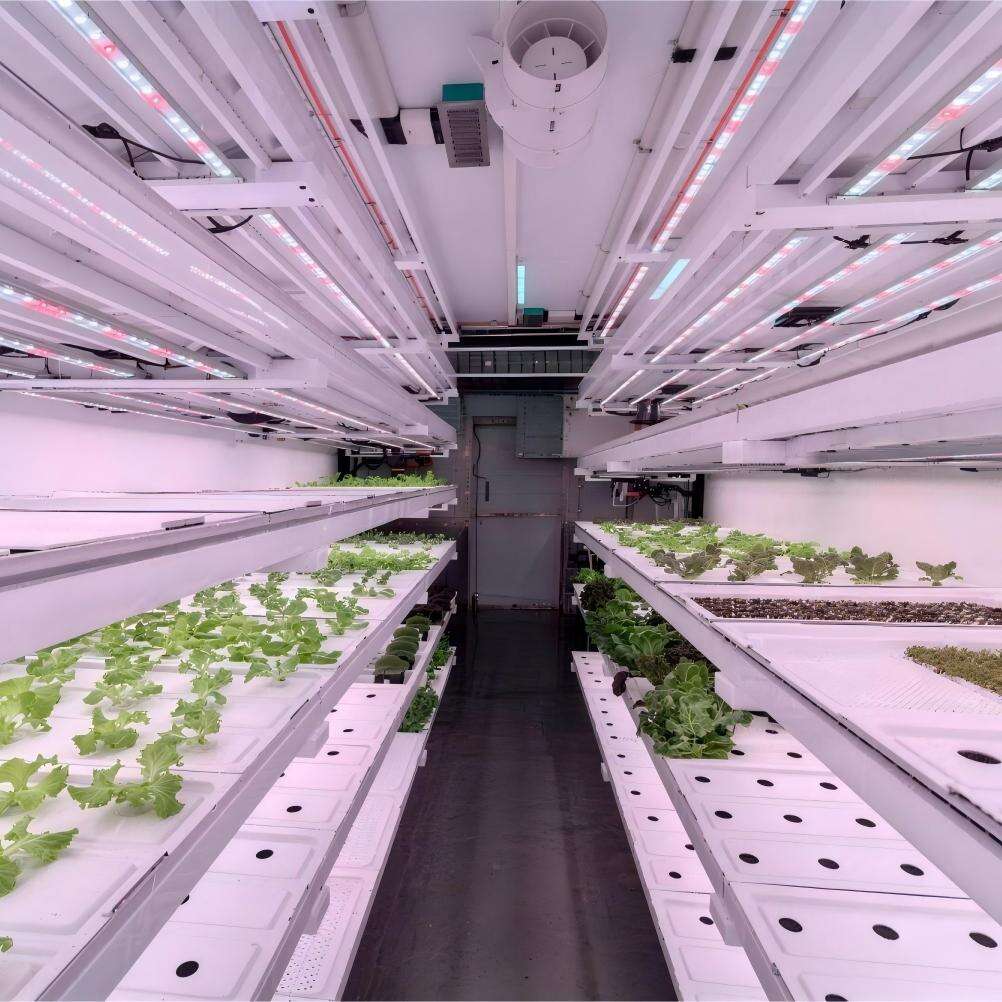
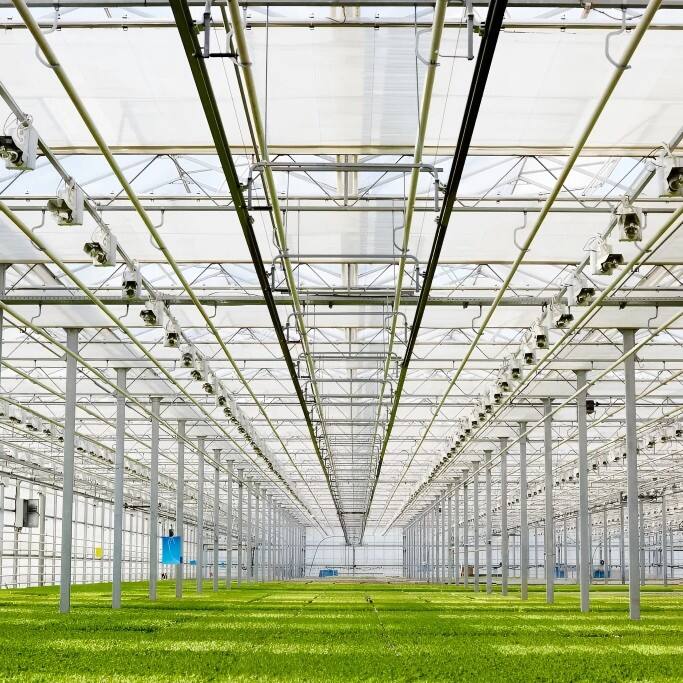
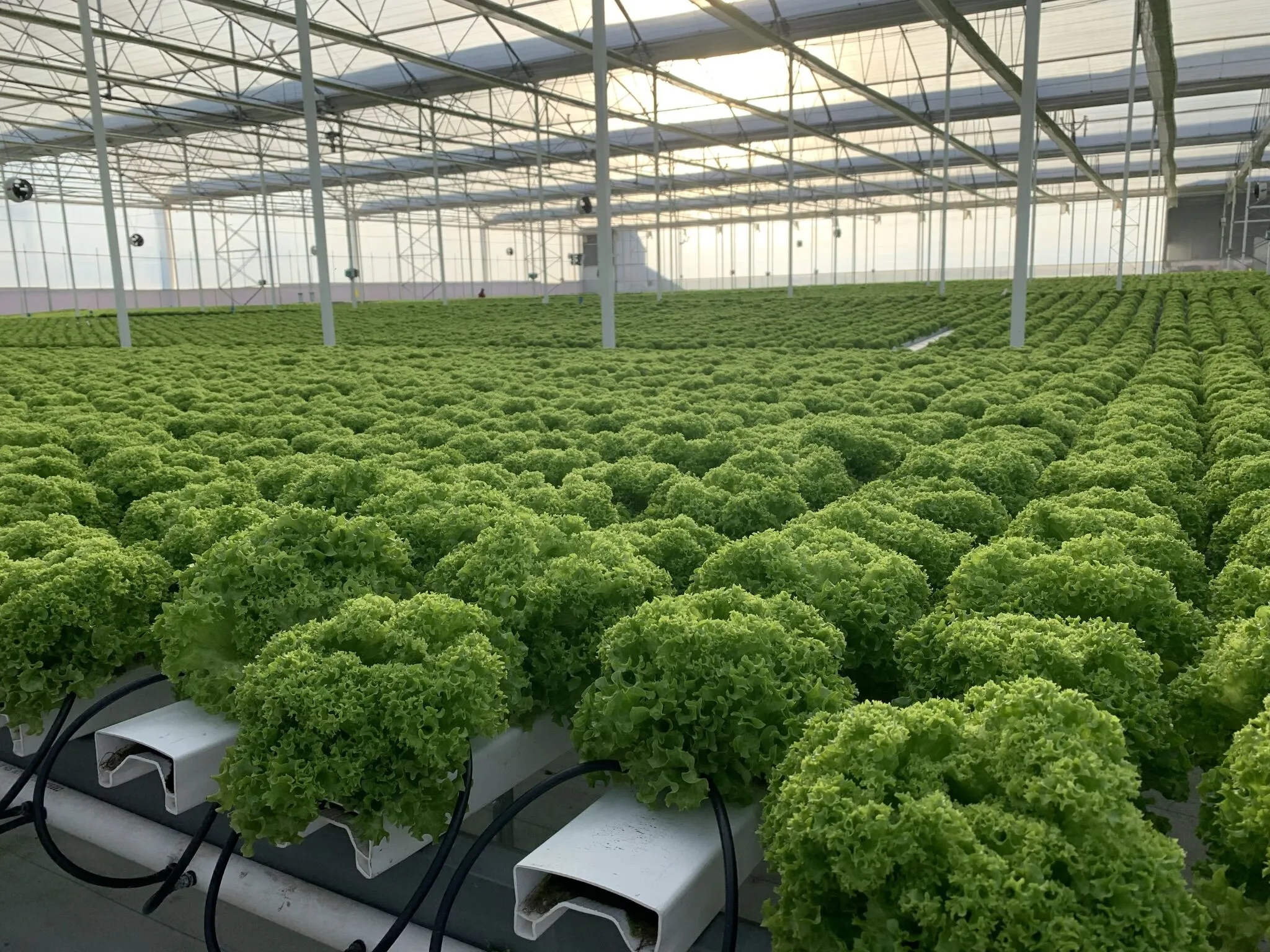
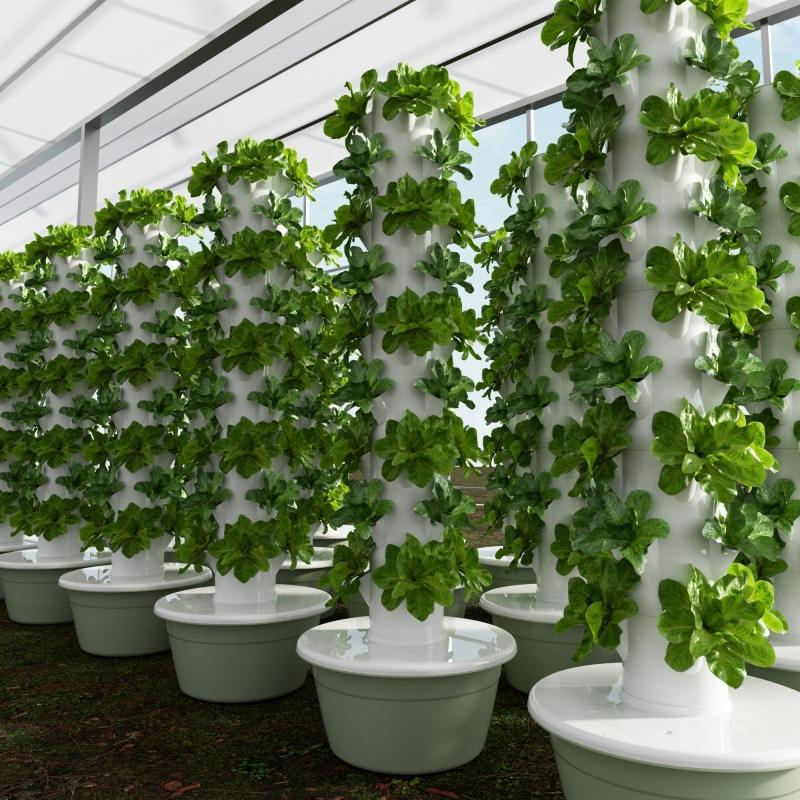
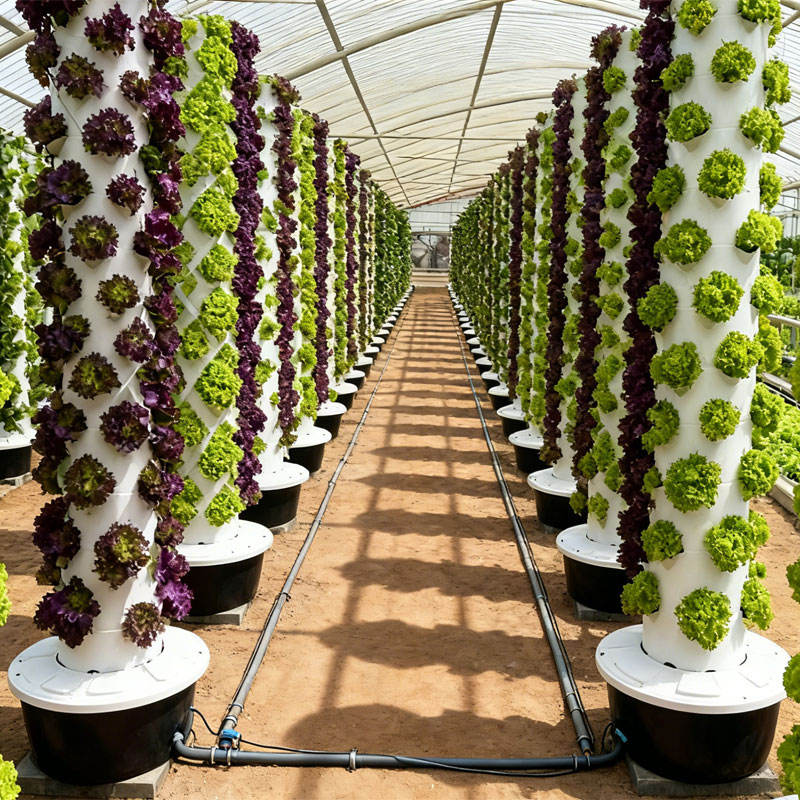
Mass hydroponics represents a revolutionary agricultural approach that enables large-scale cultivation of crops without traditional soil-based farming methods. This innovative system utilizes nutrient-rich water solutions to deliver essential minerals directly to plant roots, creating optimal growing conditions for various crops including vegetables, fruits, and herbs. The technology encompasses multiple cultivation methods such as deep water culture, nutrient film technique, and drip irrigation systems, all designed to maximize productivity while minimizing resource consumption. Modern mass hydroponics facilities incorporate advanced monitoring systems that track pH levels, electrical conductivity, temperature, and nutrient concentrations in real-time. These automated systems ensure precise control over growing environments, enabling farmers to optimize crop yields throughout the year regardless of external weather conditions. The infrastructure typically includes greenhouse structures, climate control systems, LED lighting arrays, and sophisticated water circulation networks. Mass hydroponics operations can range from mid-scale commercial facilities producing thousands of plants monthly to industrial-scale operations supplying regional markets. The technology supports vertical farming configurations, allowing producers to maximize growing space through multi-tier cultivation systems. Water recirculation mechanisms reduce waste by capturing and reprocessing nutrient solutions, making mass hydroponics an environmentally sustainable option. Integration with renewable energy sources like solar panels further enhances the ecological benefits of these systems. Quality control measures ensure consistent crop production with reduced pesticide requirements, as controlled environments naturally limit pest infiltration. The scalability of mass hydroponics makes it suitable for urban agriculture projects, commercial greenhouses, and large-scale food production facilities seeking to meet growing consumer demand for fresh, locally-grown produce while maintaining operational efficiency and environmental responsibility.
 ×
×

 EN
EN