Outdoor Hydroponics Systems: Revolutionary Soilless Farming Technology for Sustainable Agriculture

Get a Free Quote

Our representative will contact you soon.
Email
Name
Company Name
Message
0/1000

outdoor hydroponics

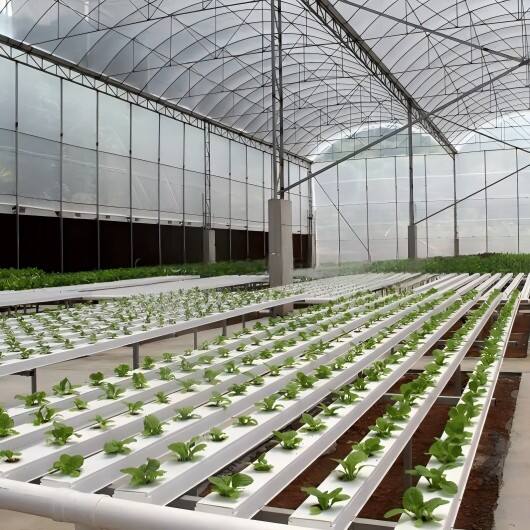
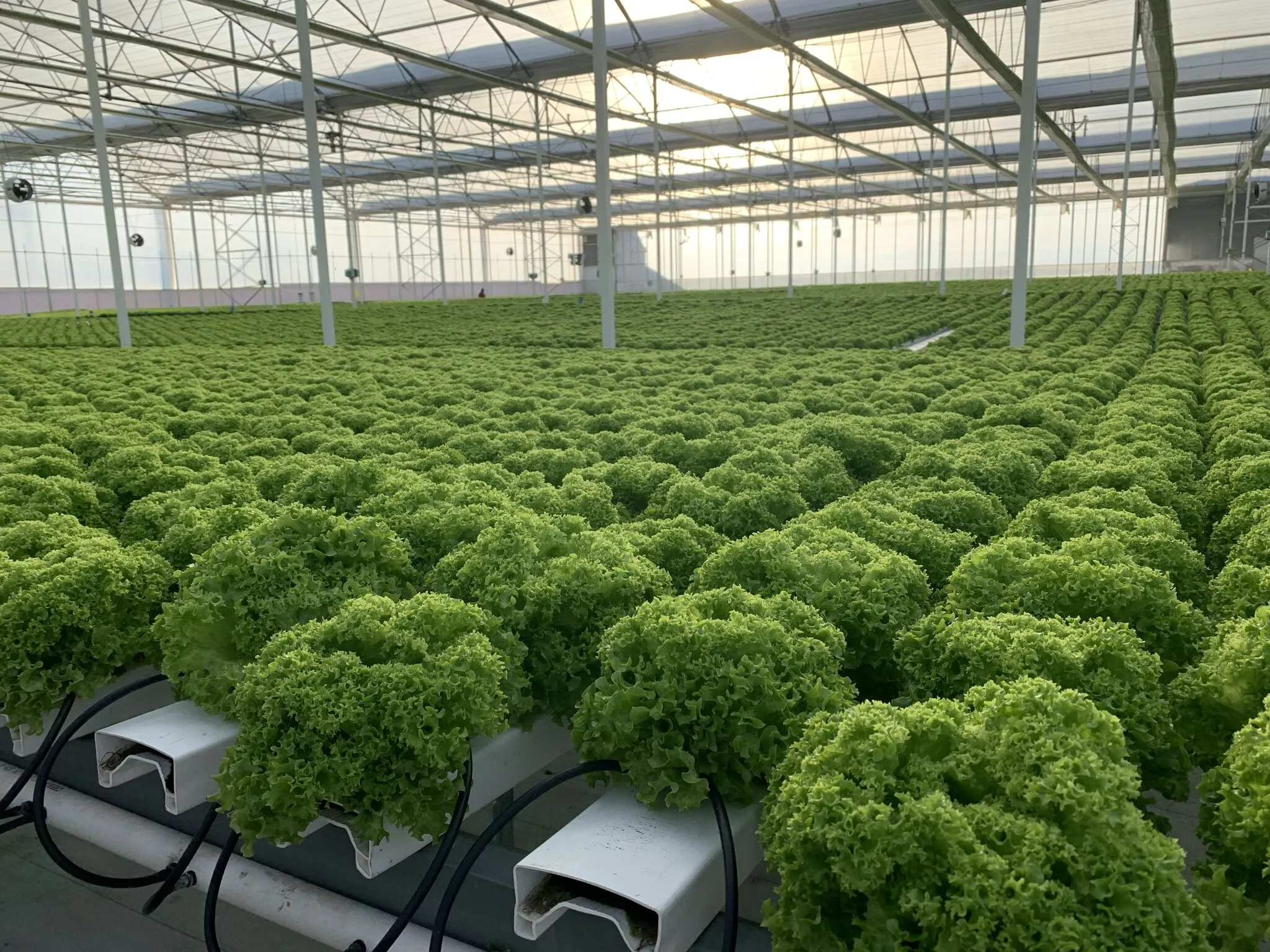
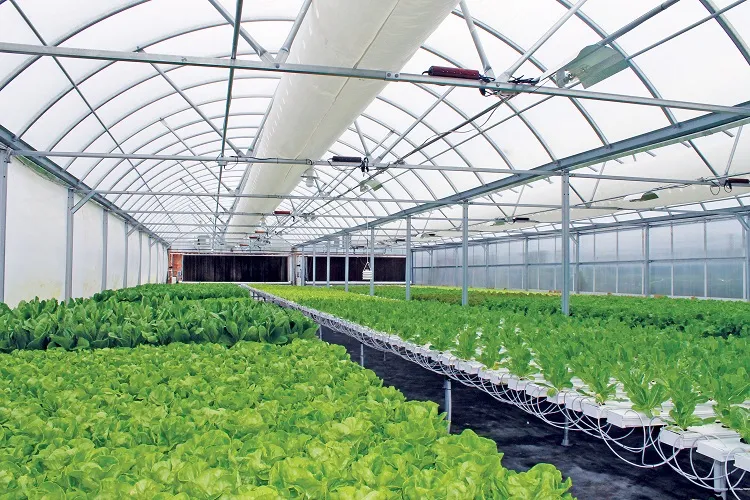
Outdoor hydroponics represents a revolutionary agricultural approach that combines the precision of soilless cultivation with the natural benefits of open-air growing environments. This innovative system allows plants to grow in nutrient-rich water solutions while harnessing natural sunlight, creating an optimal balance between controlled nutrition delivery and environmental sustainability. The technology eliminates the need for traditional soil-based farming while maintaining the advantages of outdoor cultivation, making it an ideal solution for modern agricultural challenges. The main functions of outdoor hydroponics encompass precise nutrient management, water conservation, and accelerated plant growth cycles. Through carefully calibrated nutrient solutions, plants receive exactly what they need for optimal development, while automated irrigation systems ensure consistent water delivery without waste. The technological features include weather-resistant growing containers, advanced drainage systems, and climate-adaptive plant supports that withstand outdoor conditions while maintaining system integrity. These systems incorporate UV-resistant materials, corrosion-proof components, and modular designs that adapt to various outdoor environments. Applications span from commercial crop production and urban farming initiatives to educational programs and sustainable agriculture projects. Farmers utilize outdoor hydroponics for producing vegetables, herbs, and fruits with higher yields and faster harvest cycles compared to traditional methods. Educational institutions implement these systems to demonstrate sustainable farming practices, while urban communities use them to create local food production networks. The versatility of outdoor hydroponics makes it suitable for diverse climates and geographic locations, from rooftop gardens in metropolitan areas to large-scale agricultural operations in rural settings. This technology bridges the gap between traditional farming methods and modern agricultural innovation, offering a practical solution for increasing food production while reducing environmental impact and resource consumption.

Popular Products

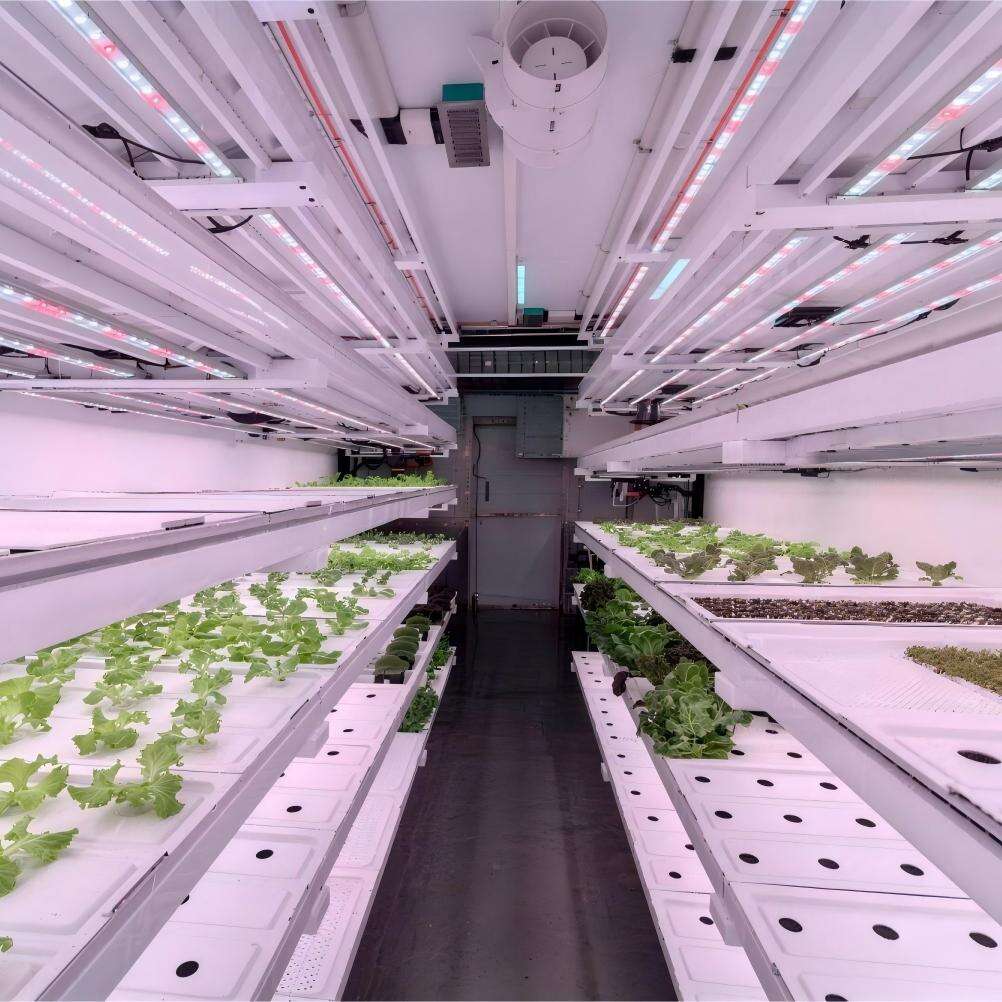
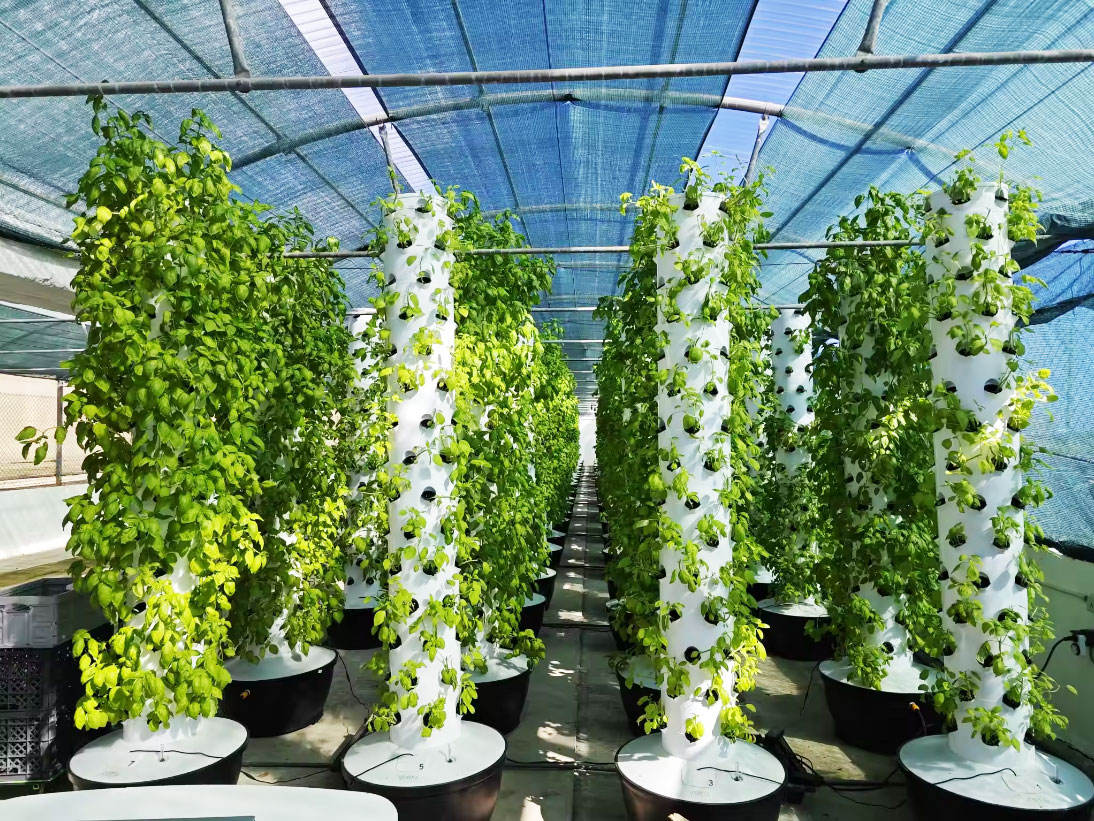
Outdoor hydroponics delivers exceptional water efficiency, using up to 90 percent less water than conventional farming methods through recirculating systems that capture and reuse every drop. This conservation approach significantly reduces operational costs while supporting environmental sustainability goals, making it particularly valuable in water-scarce regions or drought-prone areas. The system eliminates water waste through precise delivery mechanisms that provide plants with exact moisture requirements without excess runoff or evaporation losses. Farmers achieve faster crop growth cycles with outdoor hydroponics, typically harvesting produce 25 to 50 percent sooner than soil-based methods. This acceleration occurs because plants expend less energy developing extensive root systems to search for nutrients, instead focusing growth energy on fruit and vegetable production. The controlled nutrient delivery ensures plants receive optimal nutrition throughout their development, resulting in healthier crops with improved flavor profiles and nutritional content. Space optimization represents another major advantage, as outdoor hydroponics enables vertical growing configurations and higher plant density per square foot. This efficiency allows farmers to maximize production within limited areas, making it ideal for urban agriculture and small-scale farming operations where land availability is restricted. The system eliminates soil-related problems including pests, diseases, and weeds that commonly plague traditional farming, reducing the need for pesticides and herbicides while promoting cleaner, safer food production. Maintenance requirements are minimal compared to conventional farming, as the system automates many labor-intensive tasks like watering and fertilizing. This automation reduces labor costs and allows farmers to focus on crop monitoring and harvesting activities. The predictable growing environment created by outdoor hydroponics enables better crop planning and consistent yields regardless of seasonal soil conditions. Weather resistance features protect investments from extreme conditions while maintaining productivity throughout various climate challenges. Year-round growing potential extends harvest seasons and increases annual production capacity, providing steady income streams for commercial operations and continuous fresh produce for personal use.

Practical Tips

Hydroponic Vertical Farming_ Empowering Legal Cultivation Markets Globally

09

Feb

Hydroponic Vertical Farming_ Empowering Legal Cultivation Markets Globally

View More
Planting Containers: Unlocking New Possibilities for Smart Agriculture, Creating Efficient and Movable Planting Spaces

11

Mar

Planting Containers: Unlocking New Possibilities for Smart Agriculture, Creating Efficient and Movable Planting Spaces

View More
Vertical Farming Machines, Greenhouse Cultivation & Hydroponics: Reshaping the Future of Agriculture

09

Feb

Vertical Farming Machines, Greenhouse Cultivation & Hydroponics: Reshaping the Future of Agriculture

View More

Get a Free Quote

Our representative will contact you soon.
Email
Name
Company Name
Message
0/1000

outdoor hydroponics

Superior Nutrient Control and Plant Health

Superior Nutrient Control and Plant Health

The precision nutrient management capabilities of outdoor hydroponics revolutionize how plants receive essential minerals and vitamins, creating an environment where farmers can fine-tune every aspect of plant nutrition for optimal results. Unlike traditional soil farming where nutrients can become depleted or imbalanced over time, outdoor hydroponics delivers consistent, measurable nutrition through carefully formulated water solutions that contain exact ratios of nitrogen, phosphorus, potassium, and micronutrients. This controlled approach eliminates guesswork and ensures plants never experience nutrient deficiencies that can stunt growth or reduce crop quality. The system allows real-time adjustments to nutrient concentrations based on plant growth stages, weather conditions, and specific crop requirements, providing unprecedented flexibility in crop management. Plants grown in outdoor hydroponics systems typically exhibit stronger root development, more vibrant foliage, and increased resistance to environmental stresses because they receive optimal nutrition throughout their entire lifecycle. The absence of soil-borne pathogens and contaminants means plants can focus energy on productive growth rather than defending against diseases or competing with weeds for resources. This results in cleaner, safer produce with enhanced flavor profiles and longer shelf life compared to conventionally grown crops. The nutrient solutions can be customized for specific plant varieties, allowing farmers to specialize in high-value crops that command premium market prices. Additionally, the precise control over pH levels and nutrient timing enables cultivation of sensitive plants that might struggle in traditional soil conditions, expanding the range of possible crops and increasing overall farm profitability. The monitoring capabilities inherent in outdoor hydroponics systems provide valuable data about plant responses to different nutrient formulations, enabling continuous improvement and optimization of growing protocols for maximum yield and quality outcomes.
Environmental Sustainability and Resource Conservation

Environmental Sustainability and Resource Conservation

Outdoor hydroponics champions environmental responsibility through innovative resource management practices that significantly reduce agriculture's ecological footprint while maintaining high productivity standards. The water conservation achievements of these systems address critical environmental concerns, as traditional agriculture consumes approximately 70 percent of global freshwater resources, often with substantial waste through inefficient irrigation methods. Outdoor hydroponics recirculates water continuously, capturing runoff and preventing contamination of groundwater sources with excess fertilizers or chemicals. This closed-loop approach protects local watersheds and reduces pressure on municipal water supplies, making it particularly valuable in regions facing water scarcity challenges. The elimination of soil cultivation prevents erosion and preserves topsoil integrity, addressing one of agriculture's most pressing long-term sustainability concerns. Without the need for tilling, plowing, or soil amendments, outdoor hydroponics reduces fuel consumption and carbon emissions associated with heavy machinery operation. The system's ability to produce higher yields in smaller spaces contributes to land conservation efforts, allowing natural habitats to remain undisturbed while meeting food production demands. Chemical pesticide usage drops dramatically in outdoor hydroponics environments because the controlled growing conditions naturally discourage pest populations and soil-borne diseases. This reduction protects beneficial insects, improves air quality, and ensures safer working conditions for farm operators. The modular nature of outdoor hydroponics systems enables sustainable scaling, allowing farms to expand production capacity without acquiring additional land or disturbing existing ecosystems. Energy efficiency improvements come from reduced need for soil preparation equipment, decreased transportation requirements for soil amendments, and optimized water pumping systems that operate only when needed. These environmental benefits align with consumer demand for sustainably produced food while helping farmers meet increasingly stringent environmental regulations and certification requirements.
Economic Efficiency and Scalable Production

Economic Efficiency and Scalable Production

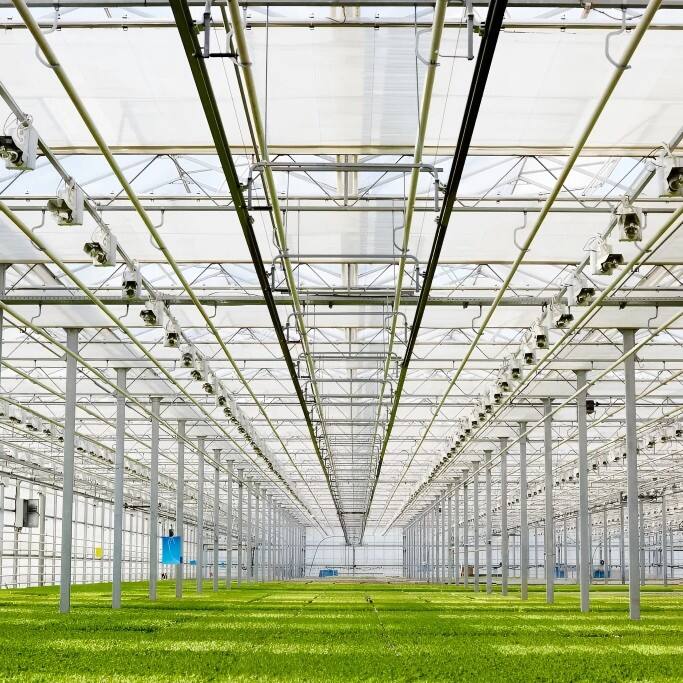
The economic advantages of outdoor hydroponics create compelling business cases for farmers seeking to maximize profitability while minimizing operational risks and input costs. Initial investment costs are quickly recovered through increased crop yields, faster harvest cycles, and reduced ongoing expenses for water, fertilizers, and pest control measures. The system's efficiency enables farmers to produce 3 to 4 times more crops per square foot compared to traditional farming methods, dramatically improving revenue potential from existing land holdings. Labor cost reductions occur through automation of watering, fertilizing, and monitoring tasks, allowing farm workers to focus on higher-value activities like crop harvesting, quality control, and customer relations. The predictable growing environment reduces crop loss risks from weather extremes, soil conditions, or pest infestations, providing more stable income projections for business planning purposes. Market advantages emerge from the ability to produce premium-quality crops with extended shelf life and superior appearance, commanding higher prices from retailers and consumers willing to pay for quality. The flexibility to grow specialty crops or out-of-season produce opens new market opportunities and premium pricing strategies that increase profit margins significantly. Outdoor hydroponics systems require minimal maintenance once established, with durable components designed to withstand outdoor conditions for many growing seasons without major replacements. The scalable design allows farmers to start with smaller systems and gradually expand production capacity as markets develop and capital becomes available, reducing financial risks associated with large initial investments. Export opportunities increase because outdoor hydroponics produces cleaner crops with fewer chemical residues, meeting international quality standards and organic certification requirements. The data collection capabilities of modern outdoor hydroponics systems provide valuable insights for optimizing production efficiency, tracking costs, and identifying the most profitable crop varieties for specific markets and growing conditions.
Get a Free Quote

Our representative will contact you soon.
Email
Name
Company Name
Message
0/1000