Weather-Resistant Durability and Climate Adaptation
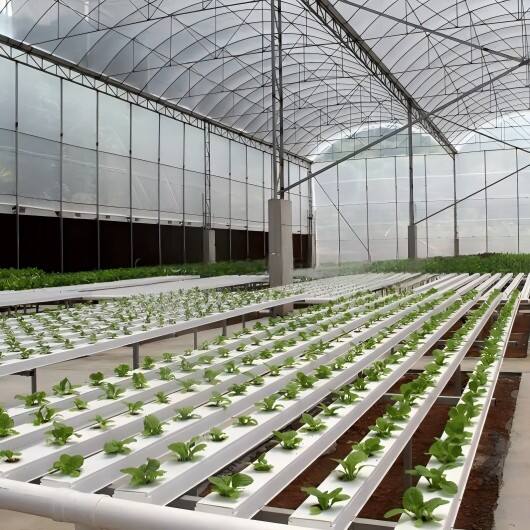
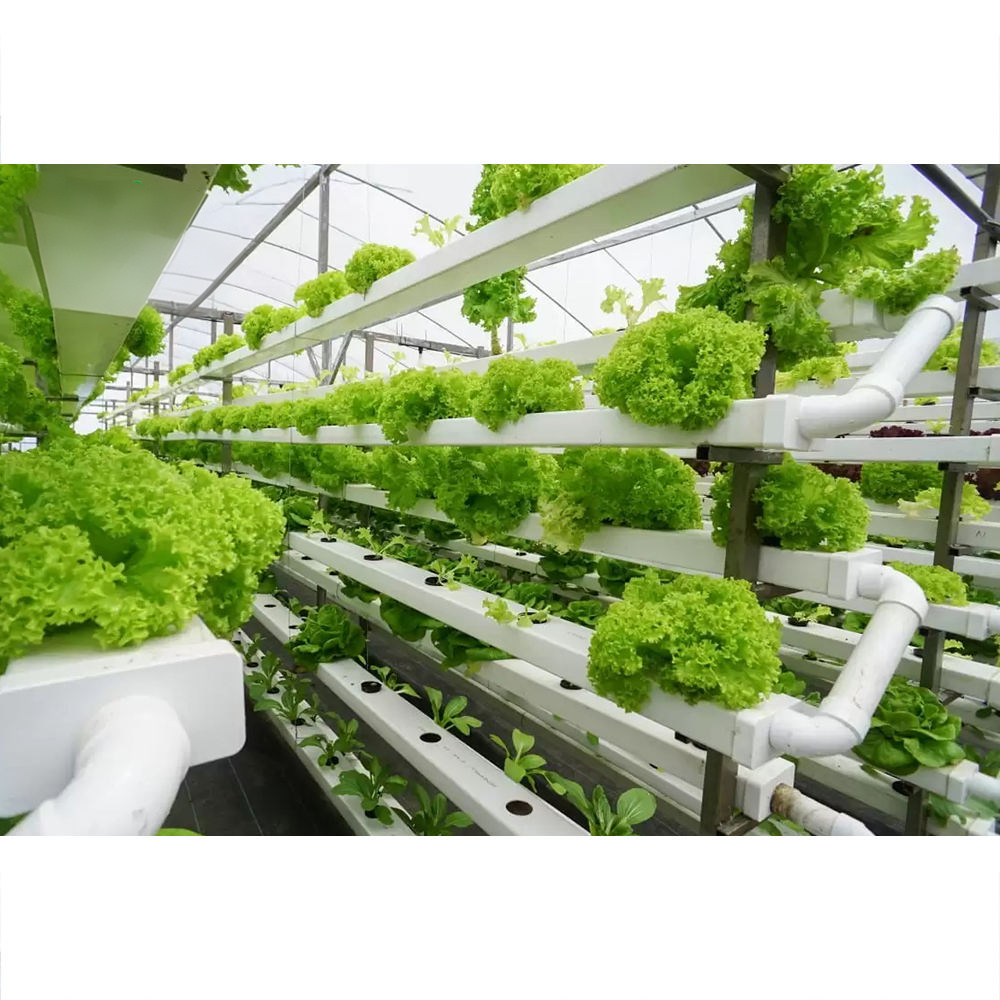
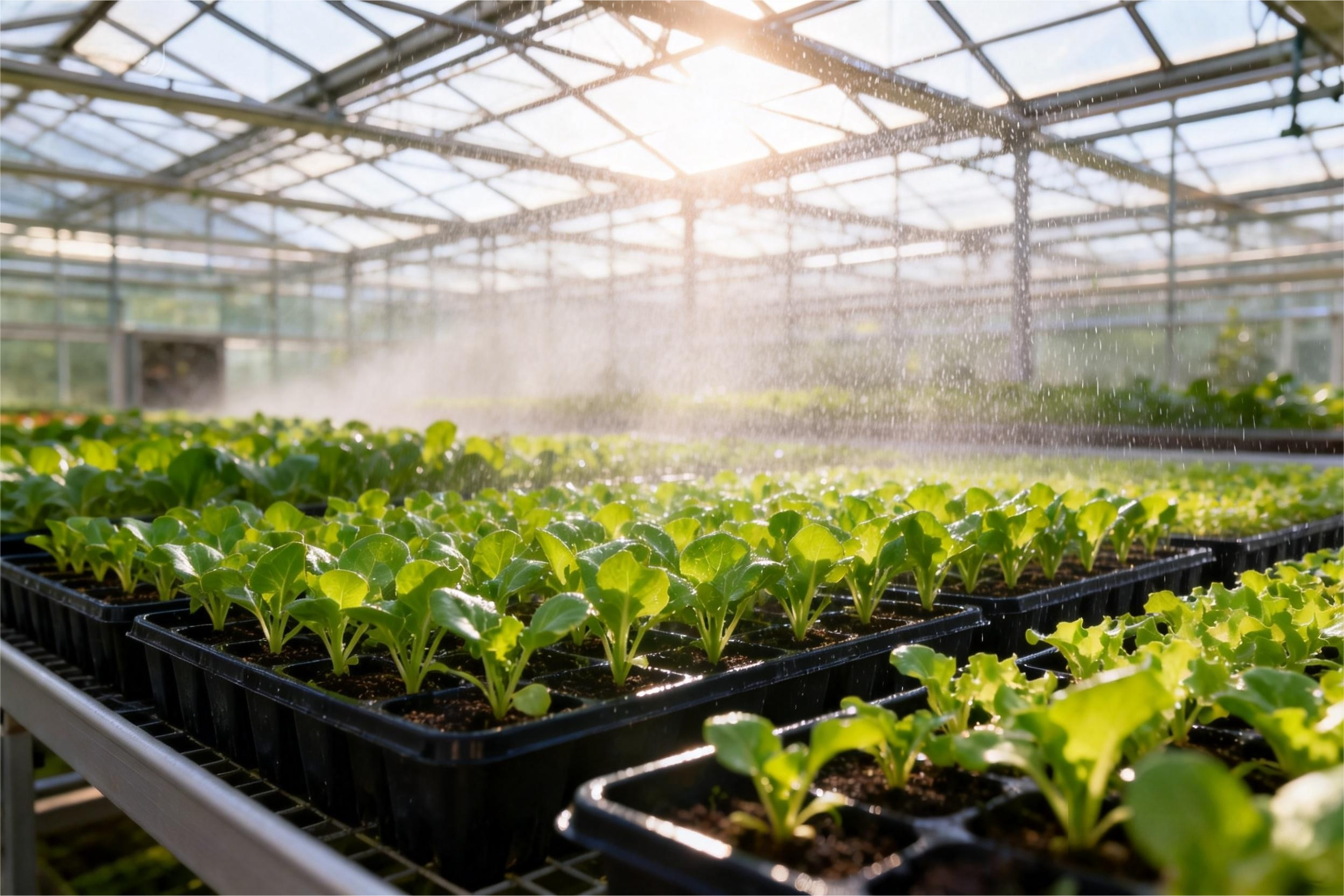
The exceptional weather-resistant design of an outdoor hydroponic garden ensures reliable operation across diverse climate conditions, making it a versatile solution for gardeners in various geographical locations. Constructed from premium materials including UV-stabilized polymers, corrosion-resistant metals, and weatherproof electronics, these systems withstand harsh environmental conditions that would damage traditional gardening equipment. The structural integrity of an outdoor hydroponic garden is engineered to handle extreme temperatures, heavy rainfall, strong winds, and intense sunlight without compromising system performance or plant health. Advanced insulation and temperature regulation features protect sensitive components and root systems from temperature fluctuations that could stress plants or damage equipment. The design incorporates strategic drainage systems that prevent water accumulation during heavy storms while maintaining proper irrigation flow during normal operations. Protective covers and shields can be deployed automatically during severe weather events, safeguarding plants and equipment from hail, frost, or excessive heat. The outdoor hydroponic garden includes climate-responsive automation that adjusts watering schedules, nutrient delivery, and protective measures based on real-time weather data and forecasts. This adaptability ensures optimal growing conditions year-round, regardless of seasonal changes or unexpected weather patterns. The modular construction allows for easy addition of climate control accessories such as shade cloths, heating elements, or cooling systems, enabling customization for specific regional requirements. Maintenance schedules are designed around seasonal needs, with weather-resistant components requiring minimal attention even during challenging conditions. The robust construction and adaptive features of an outdoor hydroponic garden provide peace of mind for users who want consistent food production without constant system monitoring or frequent repairs. This durability represents a significant advantage over traditional greenhouse systems that may require extensive maintenance or replacement after severe weather events.
 ×
×

 EN
EN