automatic hydroponic system
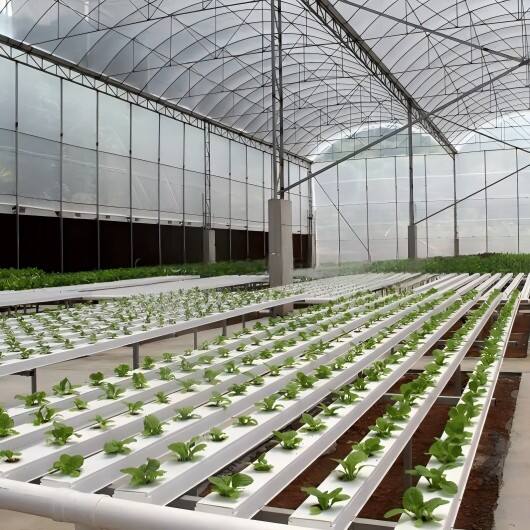
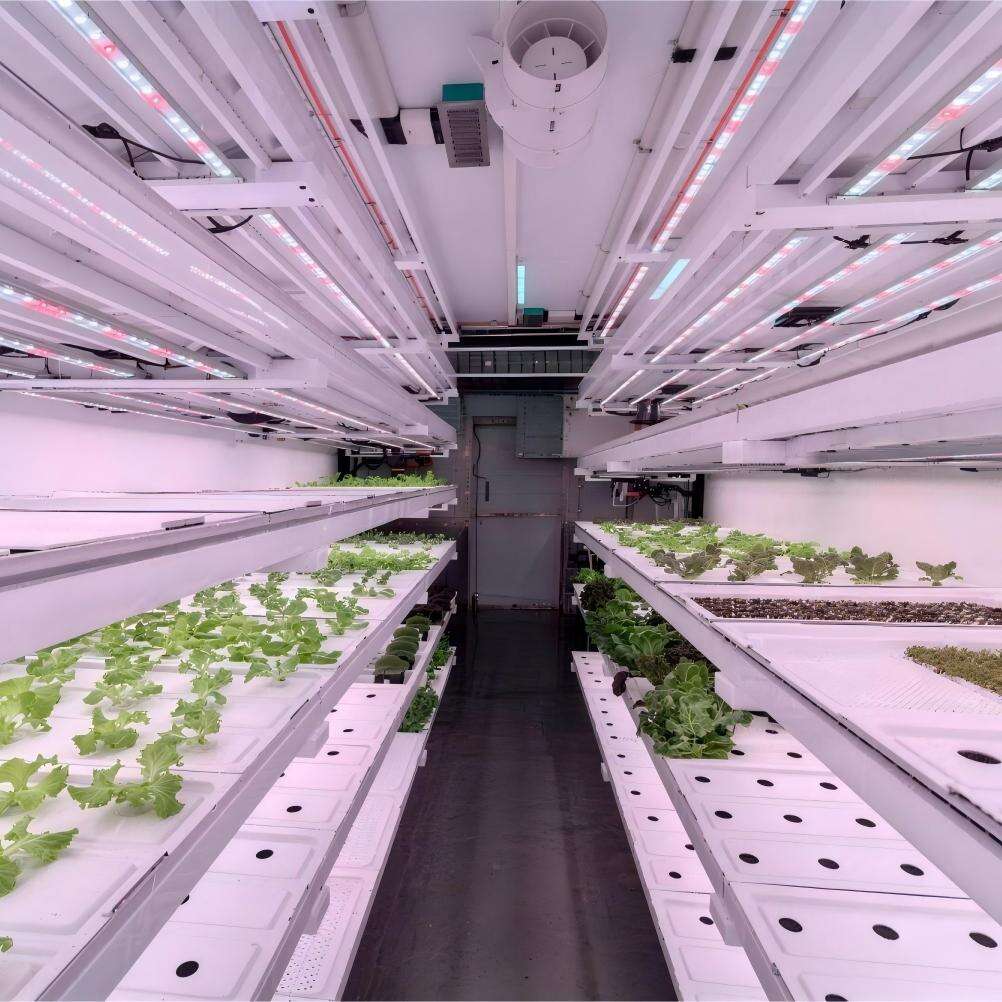
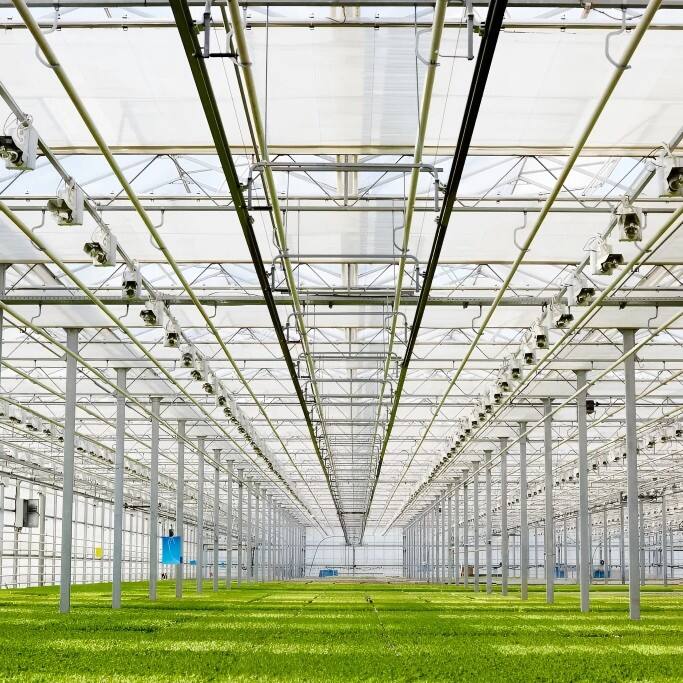
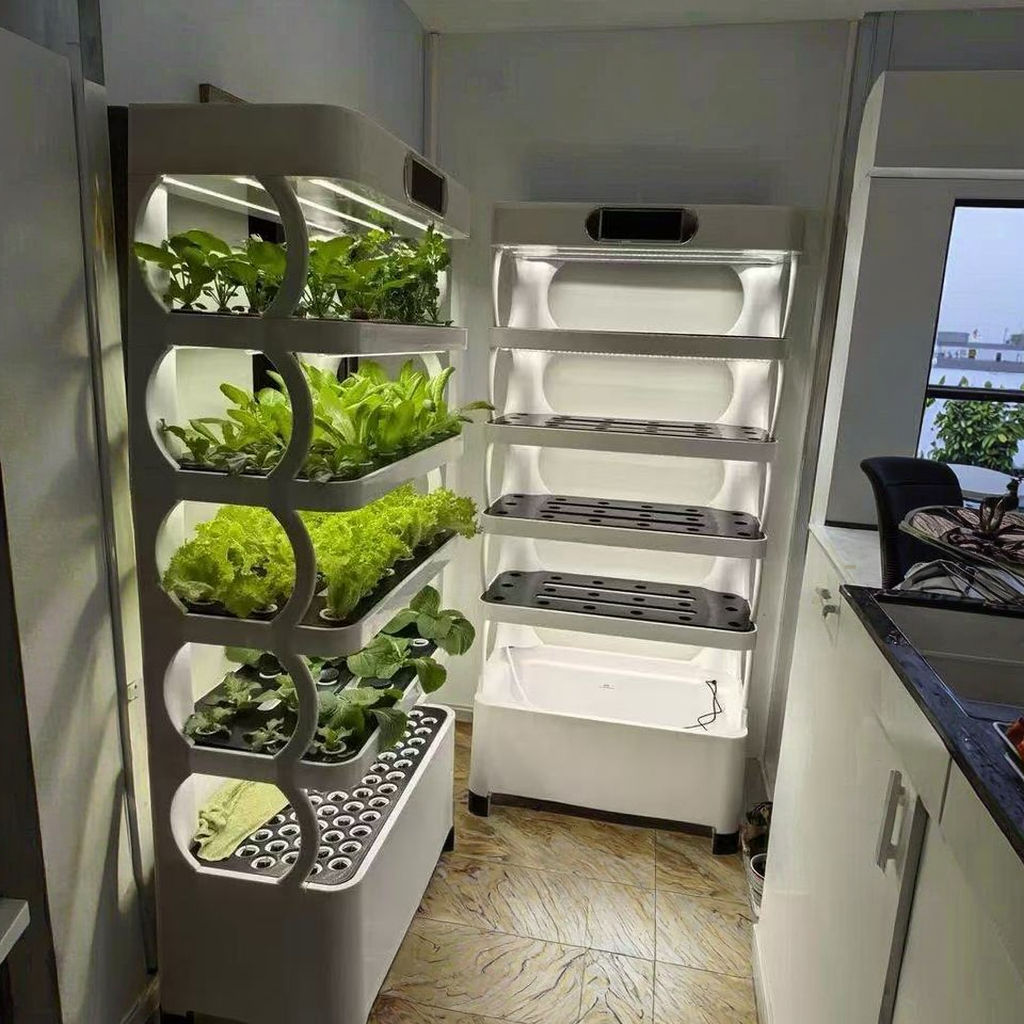
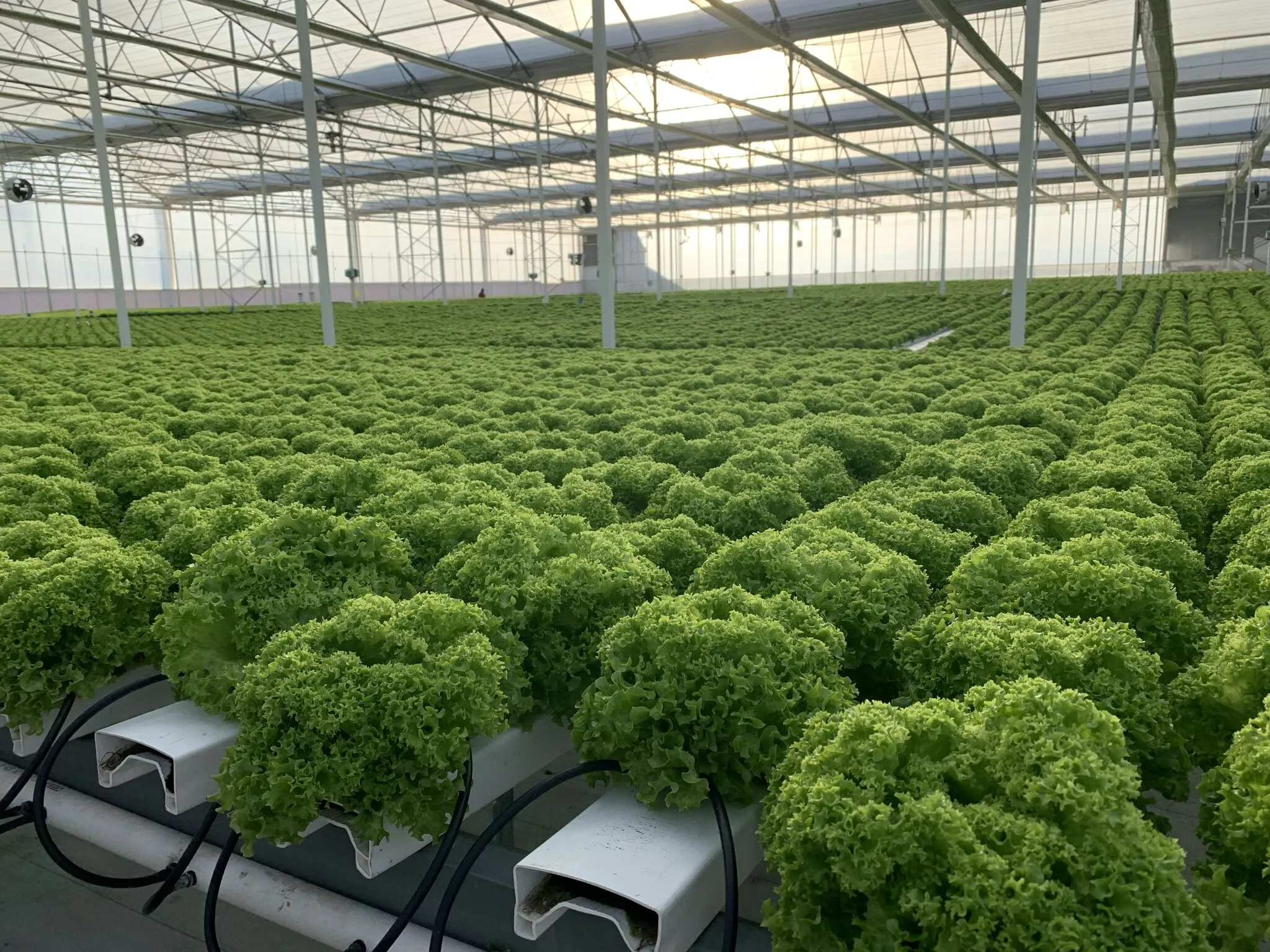
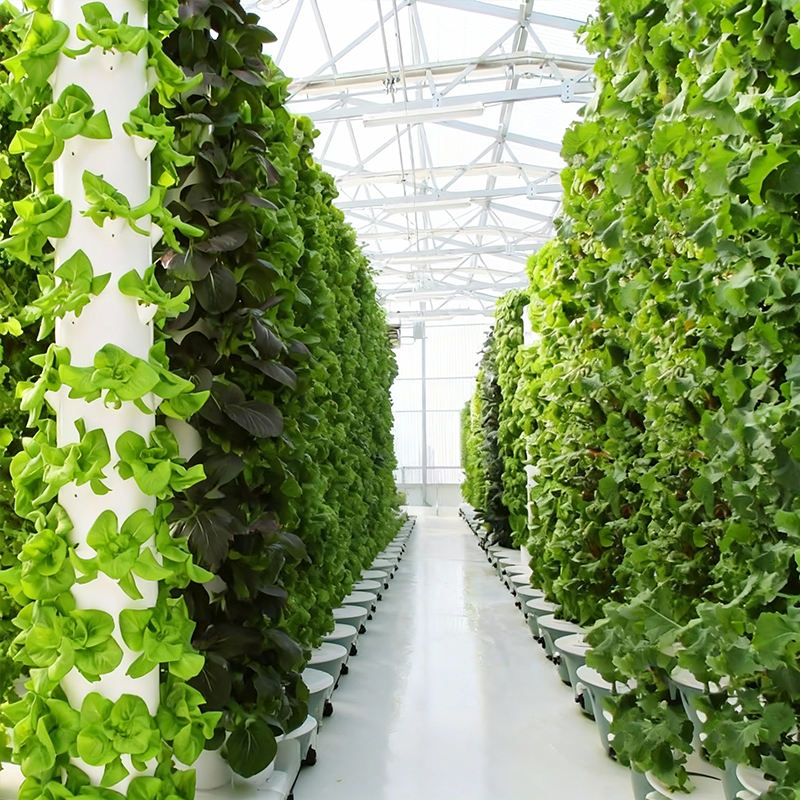
An automatic hydroponic system represents a revolutionary approach to modern agriculture that eliminates soil dependency while maximizing plant growth efficiency through precise nutrient delivery and environmental control. This sophisticated growing method utilizes water-based nutrient solutions to feed plants directly through their root systems, creating optimal growing conditions that surpass traditional farming methods. The automatic hydroponic system integrates advanced sensors, pumps, timers, and monitoring equipment to maintain perfect growing environments without constant human intervention. Core functions include automated nutrient mixing and delivery, pH level regulation, water circulation management, and environmental parameter monitoring. The system continuously measures factors such as nutrient concentration, water temperature, ambient humidity, and lighting conditions to ensure plants receive exactly what they need for optimal development. Technological features encompass programmable control units that manage feeding schedules, automated dosing systems that maintain proper nutrient ratios, and smart sensors that detect changes in plant requirements. The automatic hydroponic system can support various growing methods including deep water culture, nutrient film technique, drip irrigation, and aeroponics. Applications span from commercial greenhouse operations and vertical farming facilities to residential growing systems and educational institutions. Professional growers utilize these systems for producing leafy greens, herbs, tomatoes, peppers, and other high-value crops year-round. The technology enables precise control over growing variables that directly impact plant health, yield quality, and harvest timing. Modern automatic hydroponic systems feature wireless connectivity options that allow remote monitoring and control through smartphone applications and computer interfaces. This connectivity enables growers to track system performance, receive alerts about potential issues, and adjust parameters from anywhere with internet access. The integration of artificial intelligence and machine learning algorithms helps optimize growing protocols based on plant responses and environmental data, continuously improving system efficiency and crop outcomes.
 ×
×

 EN
EN