Advanced Hydroponic Tomato Systems: Revolutionary Growing Technology for Maximum Yield and Efficiency

Get a Free Quote

Our representative will contact you soon.
Email
Name
Company Name
Message
0/1000

hydroponic tomato system

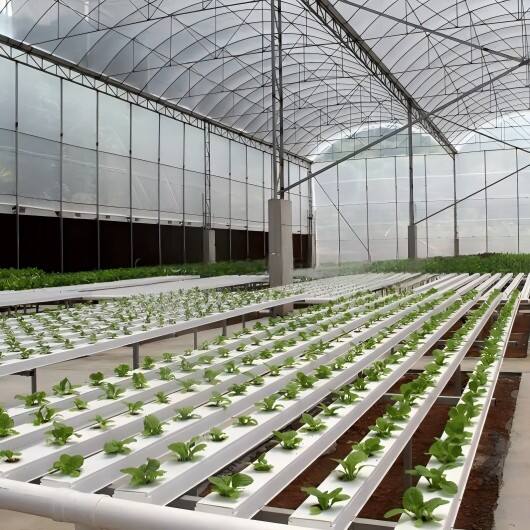
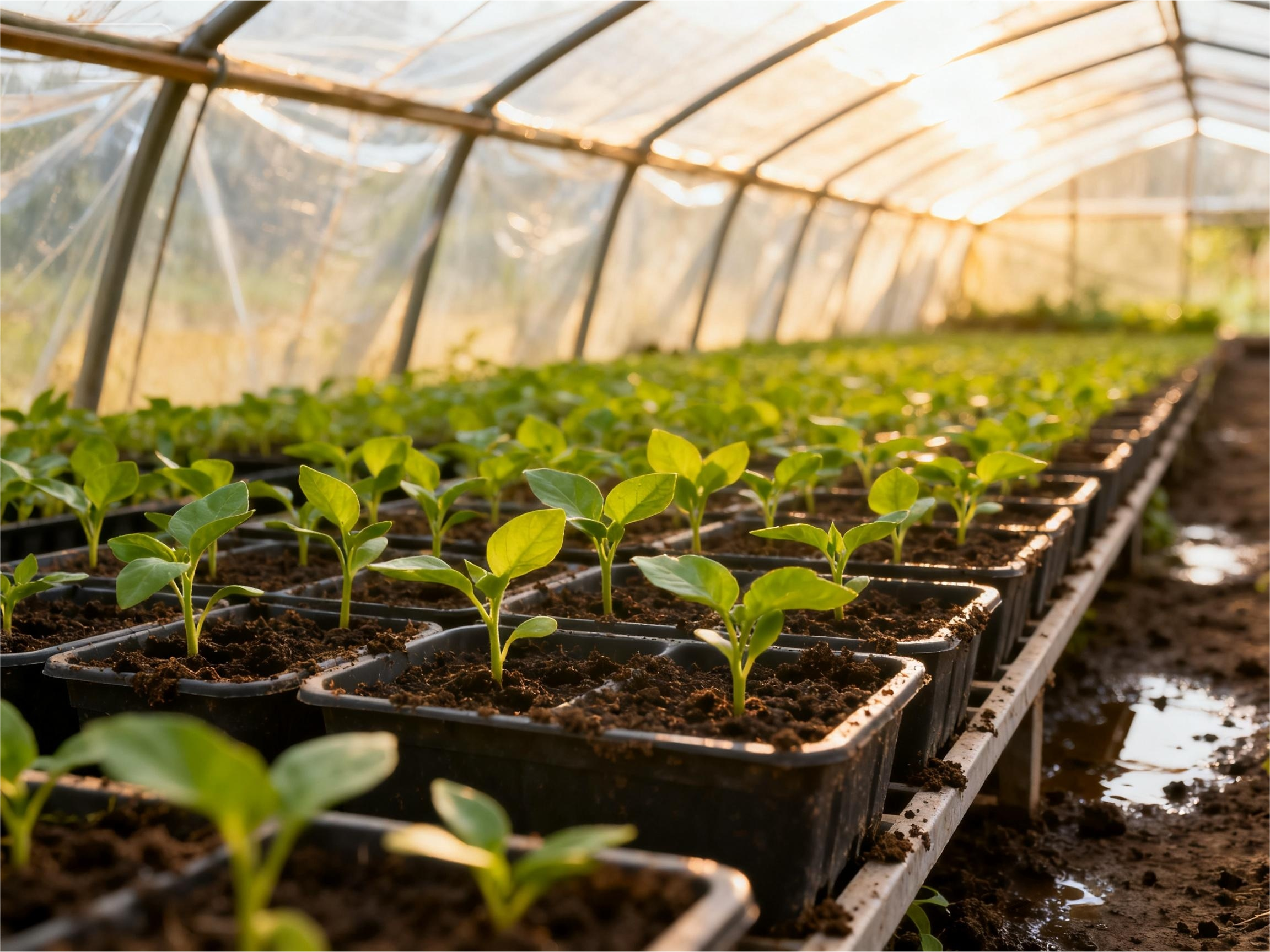
The hydroponic tomato system represents a revolutionary approach to modern agriculture that eliminates the need for traditional soil-based cultivation. This innovative growing method utilizes nutrient-rich water solutions to deliver essential minerals and vitamins directly to tomato plant roots, creating an optimal environment for robust growth and maximum yield production. The hydroponic tomato system operates through carefully controlled water circulation networks that maintain precise nutrient concentrations, pH levels, and oxygen distribution throughout the growing medium. Advanced monitoring technology ensures that environmental factors such as temperature, humidity, and light exposure remain within ideal parameters for tomato development. The system incorporates specialized growing substrates like rockwool, perlite, or coconut coir that provide structural support while facilitating excellent root aeration and drainage capabilities. Automated feeding schedules deliver customized nutrient solutions at predetermined intervals, eliminating guesswork and human error in plant nutrition management. The hydroponic tomato system features modular design components that allow for scalable installation in various settings, from small residential greenhouses to large commercial farming operations. Climate control integration enables year-round production regardless of external weather conditions, significantly extending traditional growing seasons. Water recirculation mechanisms within the hydroponic tomato system promote resource conservation by capturing and reusing nutrient solutions, minimizing waste and reducing operational costs. Digital sensors continuously monitor plant health indicators, providing real-time data feedback that enables proactive adjustments to growing conditions. The system accommodates multiple tomato varieties, from cherry tomatoes to large beefsteak cultivars, with customizable spacing configurations to optimize plant density. Professional-grade pumps and filtration equipment ensure consistent water quality and prevent contamination issues that could compromise crop integrity. The hydroponic tomato system delivers superior results through precision agriculture principles that maximize both quantity and quality of harvested produce while minimizing environmental impact and resource consumption.

New Product Recommendations

The hydroponic tomato system delivers exceptional water efficiency compared to traditional farming methods, using up to 90 percent less water through recirculation technology that captures and reuses nutrient solutions. This remarkable conservation capability makes the system ideal for regions facing water scarcity or drought conditions, providing sustainable food production options where conventional agriculture struggles. Faster growth rates represent another significant advantage of the hydroponic tomato system, with plants typically reaching maturity 25 to 30 percent quicker than soil-grown counterparts. The controlled environment eliminates seasonal limitations, allowing continuous harvests throughout the year and dramatically increasing annual yield potential per square foot of growing space. Enhanced crop quality emerges naturally from the hydroponic tomato system as plants receive precisely balanced nutrition without competing with weeds or soil-borne pathogens that commonly affect traditional farming. The elimination of soil completely removes risks associated with contaminated earth, heavy metals, or harmful bacteria that can compromise food safety standards. Reduced pesticide requirements make the hydroponic tomato system environmentally friendly while producing cleaner, healthier vegetables for consumers who prioritize organic and chemical-free produce options. Space optimization benefits allow vertical growing configurations that maximize production capacity in limited areas, making urban agriculture and indoor farming economically viable for commercial operations. Labor costs decrease significantly with the hydroponic tomato system because automated irrigation and nutrient delivery eliminate daily watering tasks and reduce physical strain on workers. Predictable harvests provide better business planning opportunities as controlled growing conditions minimize weather-related crop losses and seasonal variations that typically affect traditional farming profitability. Disease prevention becomes more manageable within the hydroponic tomato system environment where sterile growing conditions and isolated plant containers prevent the rapid spread of infections that devastate conventional farms. Energy efficiency improvements result from optimized lighting systems and climate control technology that reduces overall operational expenses while maintaining ideal growing conditions year-round.

Tips And Tricks

Hydroponic Vertical Farming_ Empowering Legal Cultivation Markets Globally

09

Feb

Hydroponic Vertical Farming_ Empowering Legal Cultivation Markets Globally

View More
Planting Containers: Unlocking New Possibilities for Smart Agriculture, Creating Efficient and Movable Planting Spaces

11

Mar

Planting Containers: Unlocking New Possibilities for Smart Agriculture, Creating Efficient and Movable Planting Spaces

View More
Vertical Farming Machines, Greenhouse Cultivation & Hydroponics: Reshaping the Future of Agriculture

09

Feb

Vertical Farming Machines, Greenhouse Cultivation & Hydroponics: Reshaping the Future of Agriculture

View More

Get a Free Quote

Our representative will contact you soon.
Email
Name
Company Name
Message
0/1000

hydroponic tomato system

Advanced Nutrient Delivery Technology

Advanced Nutrient Delivery Technology

The hydroponic tomato system features cutting-edge nutrient delivery mechanisms that revolutionize how plants receive essential minerals and vitamins for optimal growth performance. Unlike traditional soil farming where nutrients become depleted or bound up in complex chemical interactions, this sophisticated system maintains precise control over every nutritional element that reaches tomato plant roots. The automated mixing stations blend concentrated fertilizer solutions according to specific recipes tailored for different growth stages, from seedling establishment through fruit development and maturation phases. Digital monitoring equipment continuously tests nutrient concentrations, automatically adjusting ratios to maintain ideal feeding conditions that promote vigorous plant development and maximum fruit production. The hydroponic tomato system utilizes pH buffering technology that stabilizes acidity levels within narrow ranges optimized for nutrient absorption efficiency, ensuring plants can readily uptake all available minerals without stress or deficiency symptoms. Advanced delivery pumps maintain consistent flow rates that prevent both nutrient starvation and toxic overfeeding situations that commonly plague inexperienced growers. The recirculation design captures unused nutrient solutions and filters them for reuse, creating a closed-loop system that minimizes waste while maintaining optimal feeding schedules. Temperature regulation within the nutrient reservoir prevents harmful bacterial growth while keeping solutions at ideal temperatures for root zone health and vigorous uptake rates. Electrical conductivity sensors provide real-time feedback about total dissolved solids, enabling precise adjustments that prevent salt buildup or nutrient lockout conditions. The hydroponic tomato system delivers consistent results through this technological precision, eliminating the guesswork associated with traditional fertilizer applications and soil testing procedures that often produce inconsistent outcomes for commercial growers.
Climate Control Integration

Climate Control Integration

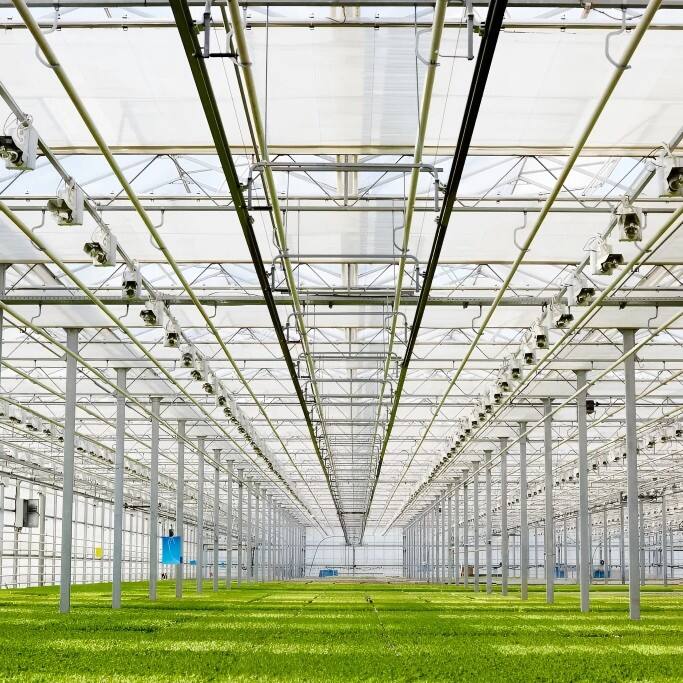
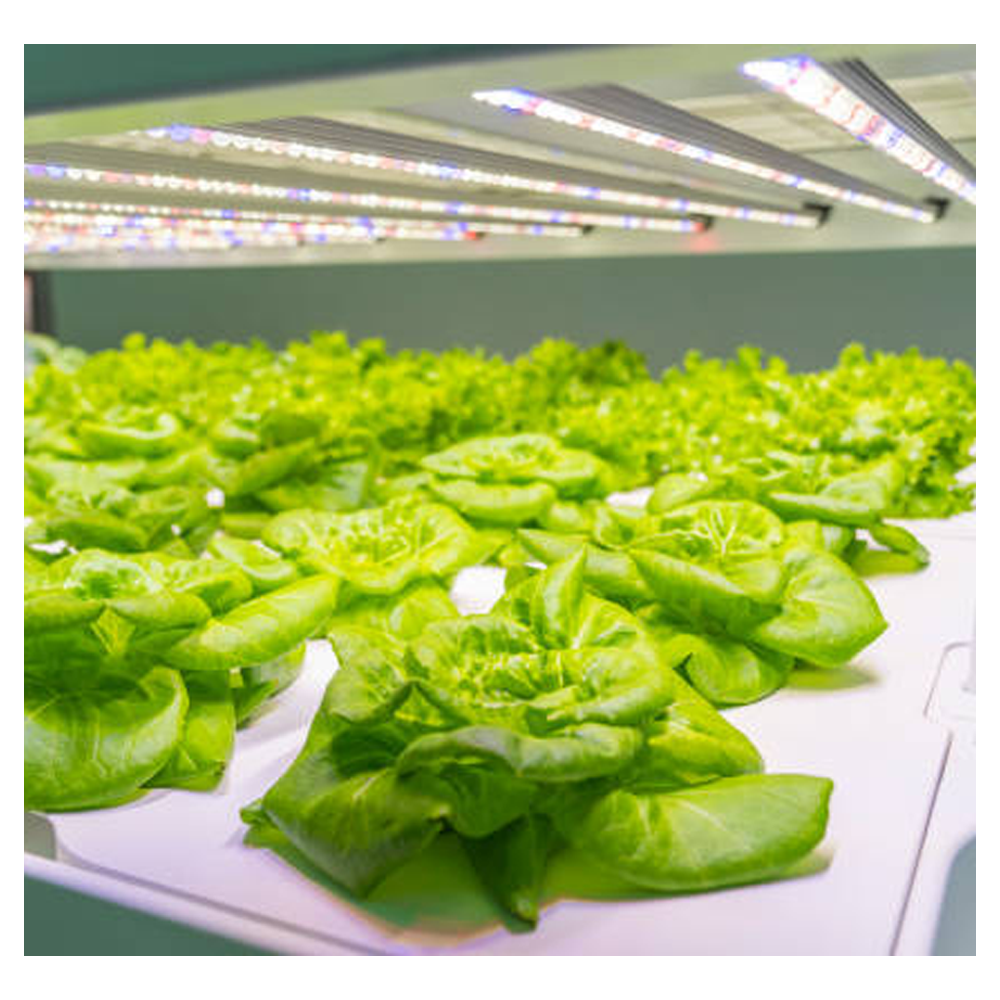
The hydroponic tomato system incorporates comprehensive climate control technology that creates perfect growing environments regardless of external weather conditions or seasonal variations. This integrated approach manages temperature, humidity, air circulation, and lighting parameters with precision that traditional outdoor farming cannot achieve, resulting in consistent crop production throughout the entire year. Advanced heating and cooling systems maintain optimal temperature ranges between 65-75 degrees Fahrenheit during daytime hours and slightly cooler conditions at night, mimicking natural diurnal cycles that promote healthy plant development and fruit set. Humidity control mechanisms prevent excessive moisture levels that encourage fungal diseases while maintaining adequate atmospheric moisture for proper transpiration and nutrient uptake processes. The hydroponic tomato system utilizes specialized ventilation fans and air exchange systems that ensure fresh carbon dioxide availability for photosynthesis while removing stale air and preventing heat buildup around plant canopies. LED lighting technology provides full-spectrum illumination that supplements natural sunlight or completely replaces it in indoor growing facilities, allowing precise control over photoperiod length and light intensity levels. Automated environmental monitoring sensors continuously track conditions throughout the growing area, sending alerts when parameters drift outside predetermined ranges and triggering corrective responses before problems affect plant health. The climate control integration enables the hydroponic tomato system to operate effectively in harsh climates, urban environments, or regions with limited suitable outdoor growing space. Insulation systems and thermal barriers maintain stable internal conditions while minimizing energy consumption costs associated with heating and cooling operations. Carbon dioxide supplementation systems enhance photosynthetic efficiency during peak growing periods, boosting overall productivity levels beyond what natural atmospheric concentrations can support. The precision environmental control eliminates weather-related stress factors that typically reduce yields in traditional farming, ensuring consistent quality and quantity harvests that meet commercial production standards year-round.
Scalable Production Capacity

Scalable Production Capacity

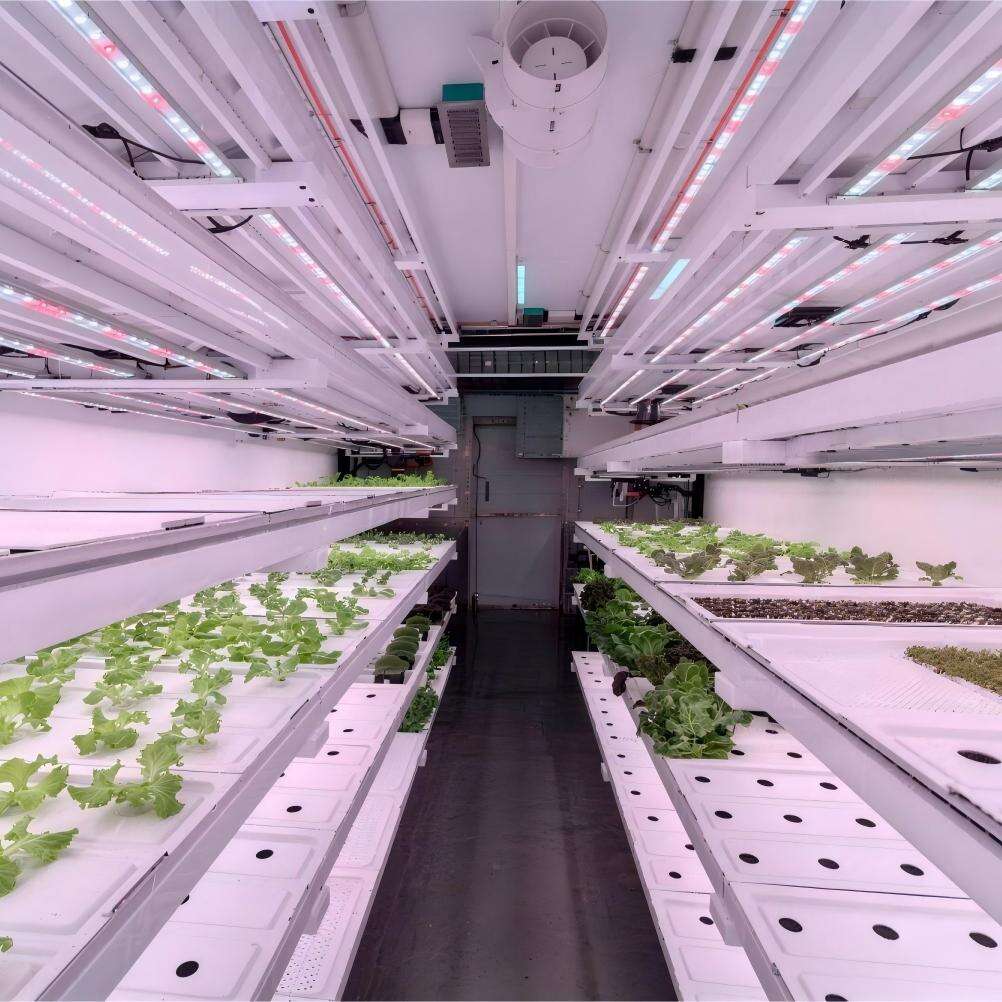
The hydroponic tomato system offers unprecedented scalability that accommodates operations ranging from small hobbyist setups to large commercial farming enterprises without compromising efficiency or quality standards. This flexible design philosophy enables growers to start with modest installations and expand capacity as market demand grows, avoiding massive upfront capital investments while maintaining consistent production methodologies. Modular growing components allow systematic addition of new growing stations, nutrient delivery lines, and support infrastructure without disrupting existing operations or requiring complete system redesigns. The hydroponic tomato system maximizes vertical space utilization through multi-level growing configurations that can triple or quadruple production capacity within the same floor area occupied by traditional farming methods. Standardized planting densities optimize plant spacing for maximum light penetration and air circulation while preventing overcrowding that reduces individual plant productivity and increases disease pressure. Automated systems scale proportionally with facility size, maintaining consistent management protocols whether operating ten plants or ten thousand plants within the same technological framework. The economic efficiency of the hydroponic tomato system improves with larger installations as fixed costs spread across greater production volumes, reducing per-unit growing expenses and improving profit margins for commercial operations. Centralized control systems manage multiple growing zones simultaneously, allowing operators to monitor and adjust conditions across vast facilities from single control stations equipped with comprehensive data logging and analysis capabilities. Mobile growing systems enable seasonal facility reconfiguration that maximizes space utilization and allows equipment sharing between different crop cycles or varieties. The hydroponic tomato system supports rapid expansion into new markets or geographic regions through proven methodologies that translate successfully across different climates and facility types. Production forecasting becomes more accurate with scalable systems as controlled growing conditions eliminate many variables that affect traditional farming yields, enabling better business planning and contract fulfillment capabilities for commercial growers serving retail and food service markets.

Get a Free Quote

Our representative will contact you soon.
Email
Name
Company Name
Message
0/1000