Advanced Vertical Growing Racks - Maximize Space & Crop Yields with Smart Agriculture Technology

Get a Free Quote

Our representative will contact you soon.
Email
Name
Company Name
Message
0/1000

vertical growing racks

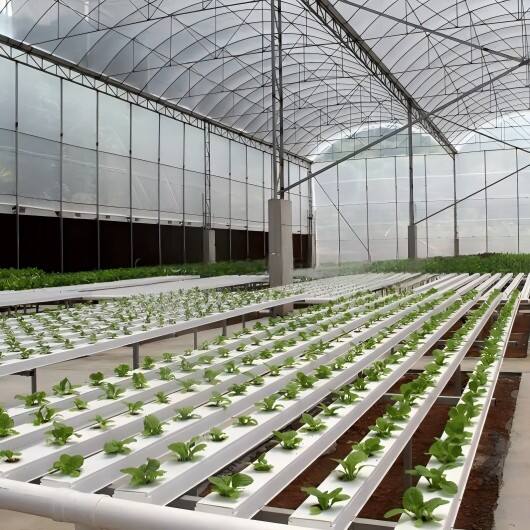
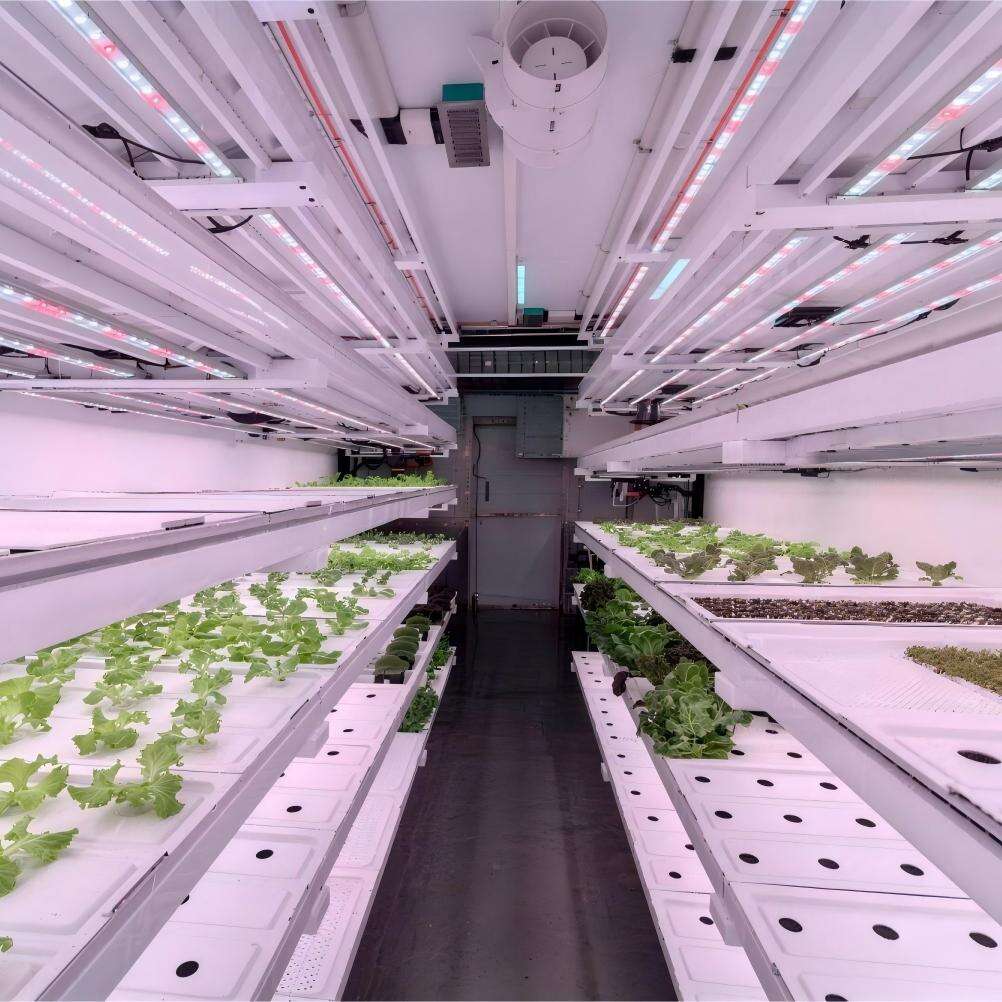
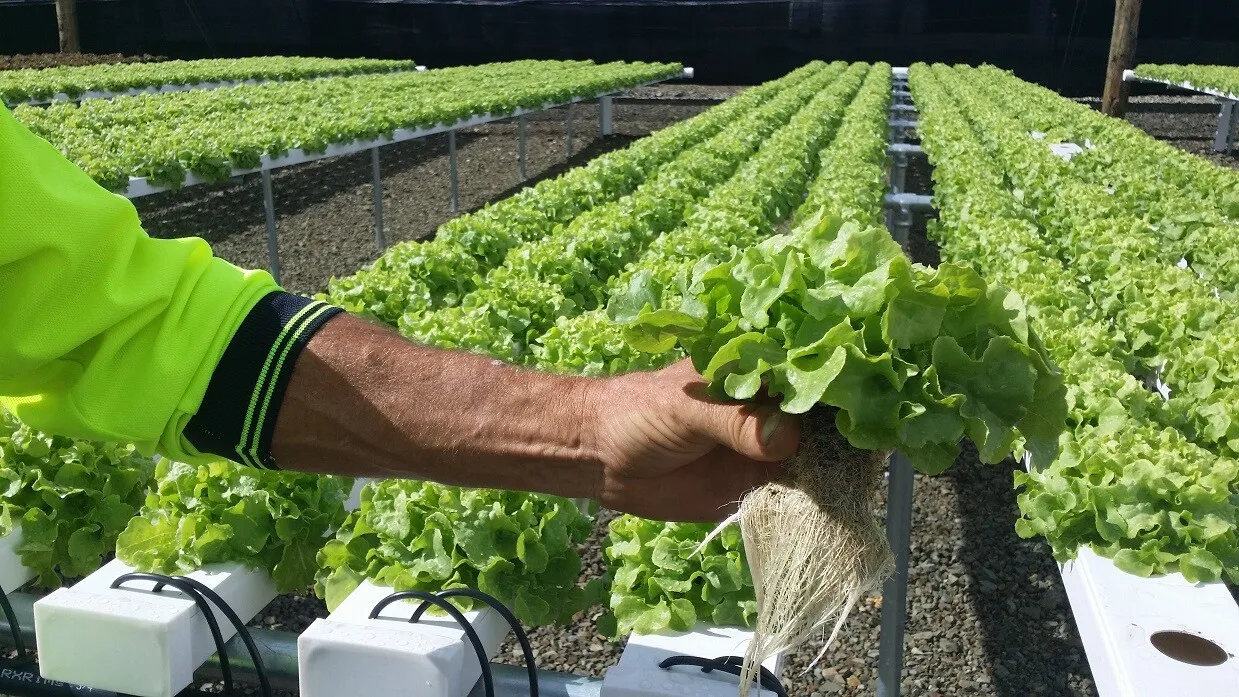
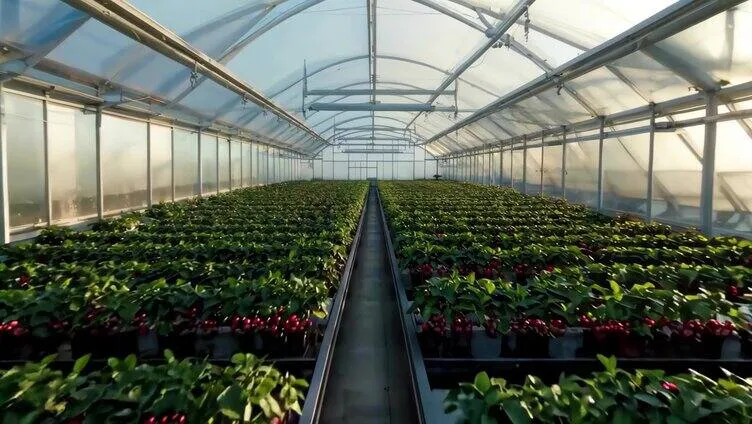
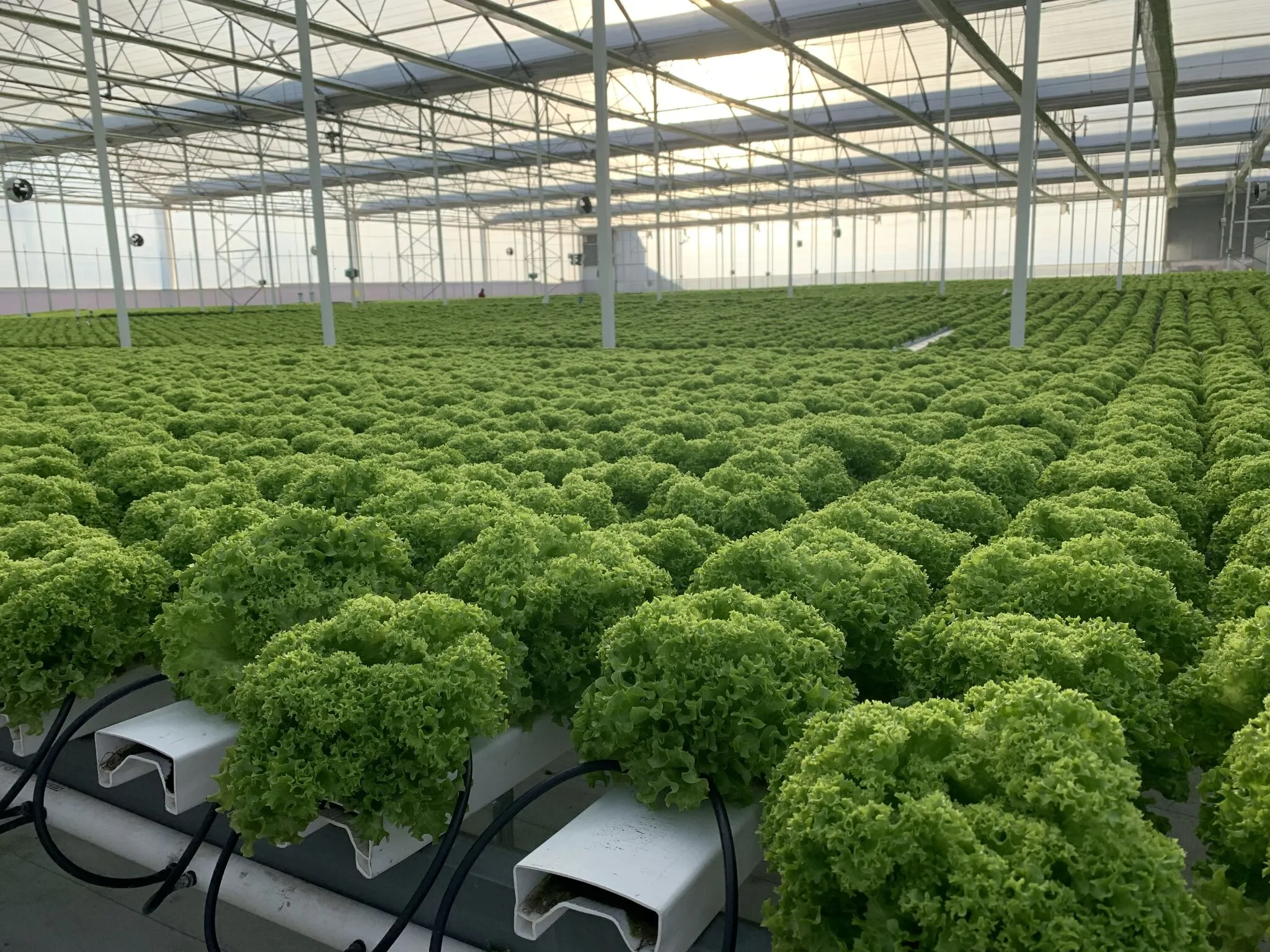
Vertical growing racks represent a revolutionary approach to modern agriculture that maximizes space utilization while optimizing plant growth conditions. These innovative systems consist of multi-tiered structures designed to support plants at various heights, enabling farmers and growers to cultivate crops in vertically stacked layers rather than traditional horizontal fields. The primary function of vertical growing racks centers on space efficiency, allowing agricultural operations to produce significantly more crops within limited square footage. These systems integrate advanced hydroponic or aeroponic technologies, providing plants with precisely controlled nutrient delivery systems that ensure optimal growth conditions. The technological features of vertical growing racks include adjustable shelving systems that accommodate different plant heights and growth stages, built-in LED lighting systems that provide full-spectrum illumination for photosynthesis, automated irrigation networks that deliver water and nutrients directly to plant roots, climate control mechanisms that maintain ideal temperature and humidity levels, and monitoring sensors that track plant health and environmental conditions in real-time. Modern vertical growing racks often incorporate smart technology interfaces that allow operators to control and monitor their systems remotely through mobile applications or computer dashboards. The applications for vertical growing racks span across various sectors including commercial agriculture, urban farming initiatives, research facilities, educational institutions, and residential gardening projects. Commercial growers utilize these systems to increase crop yields while reducing land costs and water consumption. Urban farmers implement vertical growing racks to bring fresh produce cultivation into city environments where traditional farming space is limited or unavailable. Research institutions employ these systems to conduct controlled experiments on plant growth, nutrition, and breeding programs. Educational facilities use vertical growing racks to teach students about sustainable agriculture practices and food production methods. The versatility of vertical growing racks makes them suitable for growing leafy greens, herbs, strawberries, tomatoes, peppers, and various other crops that thrive in controlled environment agriculture settings.

New Products

Vertical growing racks deliver numerous compelling benefits that transform how growers approach crop production and resource management. Space optimization stands as the most significant advantage, as these systems can increase growing capacity by 300 to 400 percent compared to traditional horizontal farming methods. This dramatic space efficiency allows growers to produce substantially more crops within the same footprint, making agriculture viable in urban environments, warehouses, and other previously unusable spaces. Water conservation represents another crucial benefit, with vertical growing racks using up to 95 percent less water than conventional farming through precise hydroponic irrigation systems that recirculate nutrients and eliminate runoff waste. Year-round production capability eliminates seasonal limitations, enabling continuous harvests regardless of external weather conditions or climate challenges. This consistent production schedule provides growers with predictable income streams and markets with reliable fresh produce supplies throughout all seasons. Pest and disease control becomes significantly easier within enclosed vertical growing rack systems, reducing or eliminating the need for harmful pesticides and herbicides while maintaining healthier crops. The controlled environment protects plants from external contaminants, insects, and weather-related damage that commonly affect outdoor agriculture. Labor efficiency improves dramatically as vertical growing racks position plants at ergonomic working heights, reducing the physical strain on workers and increasing productivity during planting, maintenance, and harvesting activities. Energy efficiency gains emerge through LED lighting systems that consume less electricity while providing optimal light spectrums for plant growth, and insulated growing environments that maintain stable temperatures with minimal heating or cooling costs. Crop quality enhancement occurs through precise environmental controls that optimize growing conditions, resulting in faster growth rates, higher nutritional content, and better taste profiles compared to field-grown produce. Location independence allows growers to establish operations anywhere with basic utilities, bringing fresh food production closer to consumers and reducing transportation costs and carbon footprints. Scalability options enable growers to start with smaller systems and expand gradually based on market demand and available resources, minimizing initial investment risks while maintaining growth potential.

Practical Tips

Hydroponic Vertical Farming_ Empowering Legal Cultivation Markets Globally

09

Feb

Hydroponic Vertical Farming_ Empowering Legal Cultivation Markets Globally

View More
Planting Containers: Unlocking New Possibilities for Smart Agriculture, Creating Efficient and Movable Planting Spaces

11

Mar

Planting Containers: Unlocking New Possibilities for Smart Agriculture, Creating Efficient and Movable Planting Spaces

View More
Vertical Farming Machines, Greenhouse Cultivation & Hydroponics: Reshaping the Future of Agriculture

09

Feb

Vertical Farming Machines, Greenhouse Cultivation & Hydroponics: Reshaping the Future of Agriculture

View More

Get a Free Quote

Our representative will contact you soon.
Email
Name
Company Name
Message
0/1000

vertical growing racks

Revolutionary Space Multiplication Technology

Revolutionary Space Multiplication Technology

The space multiplication capability of vertical growing racks transforms agricultural productivity by enabling growers to achieve exponential increases in crop yields within identical floor areas. This breakthrough technology utilizes vertical real estate that traditional farming completely ignores, stacking growing areas in multiple tiers that can reach heights of eight to twelve feet or more depending on facility constraints and crop requirements. Each tier operates as an independent growing zone with its own lighting, irrigation, and environmental controls, effectively creating multiple farms within a single vertical structure. The mathematical impact becomes immediately apparent when considering that a standard vertical growing rack system with six tiers multiplies growing space by six times compared to single-level cultivation, while only requiring the same floor footprint. This space efficiency proves particularly valuable in urban environments where real estate costs are prohibitively expensive for traditional agriculture, allowing entrepreneurs and established growers to establish profitable operations in warehouses, basements, rooftops, and other unconventional spaces. The technology accommodates various plant types and sizes through adjustable shelf spacing that can be modified as crops grow or when transitioning between different plant varieties. Advanced vertical growing racks incorporate modular designs that allow facility operators to customize configurations based on specific crop requirements, available space, and production goals. The vertical structure also facilitates better air circulation patterns that promote healthier plant growth while preventing the stagnant air conditions that can lead to fungal problems and disease outbreaks. This three-dimensional growing approach enables precise zone management where different sections can maintain unique environmental conditions simultaneously, allowing growers to cultivate multiple crop varieties with different requirements within the same facility. The space multiplication technology ultimately democratizes agriculture by making commercial-scale food production accessible to operations with limited land availability, opening new opportunities for sustainable food systems in densely populated areas where traditional farming is impossible.
Precision Environmental Control Systems

Precision Environmental Control Systems

The precision environmental control capabilities of vertical growing racks establish perfect growing conditions that surpass what nature can provide, delivering consistent optimal environments that maximize plant health, growth rates, and crop quality. These sophisticated systems monitor and adjust temperature, humidity, air circulation, nutrient concentration, pH levels, and lighting intensity in real-time, creating customized microclimates for different plant species and growth stages. Advanced sensors throughout the vertical growing rack structure continuously collect environmental data, feeding information to automated control systems that make micro-adjustments to maintain ideal conditions without human intervention. Temperature control systems maintain precise ranges that optimize metabolic processes in plants, typically keeping growing zones between 65 to 75 degrees Fahrenheit depending on crop requirements, while preventing the temperature fluctuations that stress plants and reduce yields in traditional agriculture. Humidity management systems prevent both excessive moisture that promotes fungal diseases and insufficient humidity that slows plant growth, maintaining optimal levels between 50 to 70 percent relative humidity through automated misting and dehumidification equipment. Air circulation systems create gentle but consistent airflow patterns that strengthen plant stems, prevent pest accumulation, and ensure even distribution of carbon dioxide throughout all growing tiers. The lighting control systems represent perhaps the most sophisticated aspect of precision environmental management, utilizing full-spectrum LED arrays that can be programmed to mimic natural sunlight patterns or optimized artificial photoperiods that accelerate plant development. These lighting systems adjust intensity, spectrum, and duration throughout different growth phases, providing seedlings with gentle blue-spectrum light for root development, transitioning to broader spectrums for vegetative growth, and finishing with red-enhanced spectrums that promote flowering and fruiting. Nutrient delivery systems maintain precise electrical conductivity and pH levels in hydroponic solutions, automatically adjusting concentrations based on plant uptake rates and growth stages. This level of environmental precision eliminates the guesswork and variability associated with traditional farming, ensuring that every plant receives exactly what it needs for optimal development while minimizing resource waste and maximizing production efficiency.
Sustainable Resource Management Excellence

Sustainable Resource Management Excellence

The sustainable resource management excellence of vertical growing racks addresses critical environmental challenges while delivering superior economic performance through revolutionary efficiency in water, energy, and nutrient utilization. Water conservation achievements reach remarkable levels as these systems typically use 90 to 95 percent less water than traditional soil-based agriculture through closed-loop hydroponic systems that recirculate nutrient solutions and eliminate agricultural runoff. This water efficiency stems from precise delivery mechanisms that provide exactly the amount of moisture plants need directly to their root systems, preventing the massive waste associated with field irrigation where much water evaporates or drains away unused. The recirculating systems capture and reuse water continuously, with only small amounts lost to plant transpiration and evaporation, making vertical growing racks ideal for regions facing water scarcity or drought conditions. Energy management excellence emerges through LED lighting technologies that consume 60 to 80 percent less electricity than traditional high-pressure sodium or metal halide grow lights while producing superior light spectrums for plant photosynthesis. These energy-efficient lighting systems generate minimal heat, reducing cooling costs and creating more stable growing environments that require less climate control intervention. The compact vertical structure also improves energy efficiency by concentrating growing areas within smaller insulated spaces that maintain stable temperatures with less heating and cooling energy compared to greenhouse operations. Nutrient management reaches unprecedented precision levels as hydroponic systems deliver exact nutrient formulations directly to plant roots, eliminating the waste and environmental impact associated with soil fertilizers that often leach into groundwater or run off into waterways. The controlled nutrient delivery prevents over-fertilization while ensuring plants receive optimal nutrition throughout their growth cycles, resulting in faster development, higher yields, and superior nutritional content in harvested crops. Waste reduction benefits extend throughout the entire production cycle as vertical growing racks eliminate soil cultivation, reduce packaging needs through local production, minimize transportation requirements by bringing growing operations closer to consumers, and prevent crop losses from weather, pests, and diseases that commonly affect field agriculture. This comprehensive approach to sustainable resource management positions vertical growing racks as essential technology for addressing global food security challenges while reducing agriculture's environmental footprint.

Get a Free Quote

Our representative will contact you soon.
Email
Name
Company Name
Message
0/1000