Premium Vertical Grow Racks - Revolutionary Indoor Farming Systems for Maximum Yield

Get a Free Quote

Our representative will contact you soon.
Email
Name
Company Name
Message
0/1000

vertical grow racks

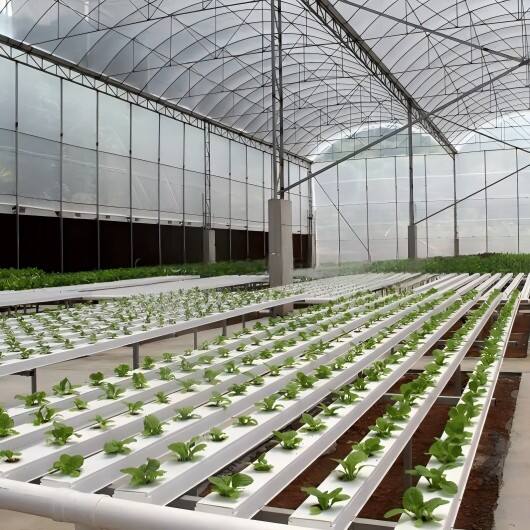
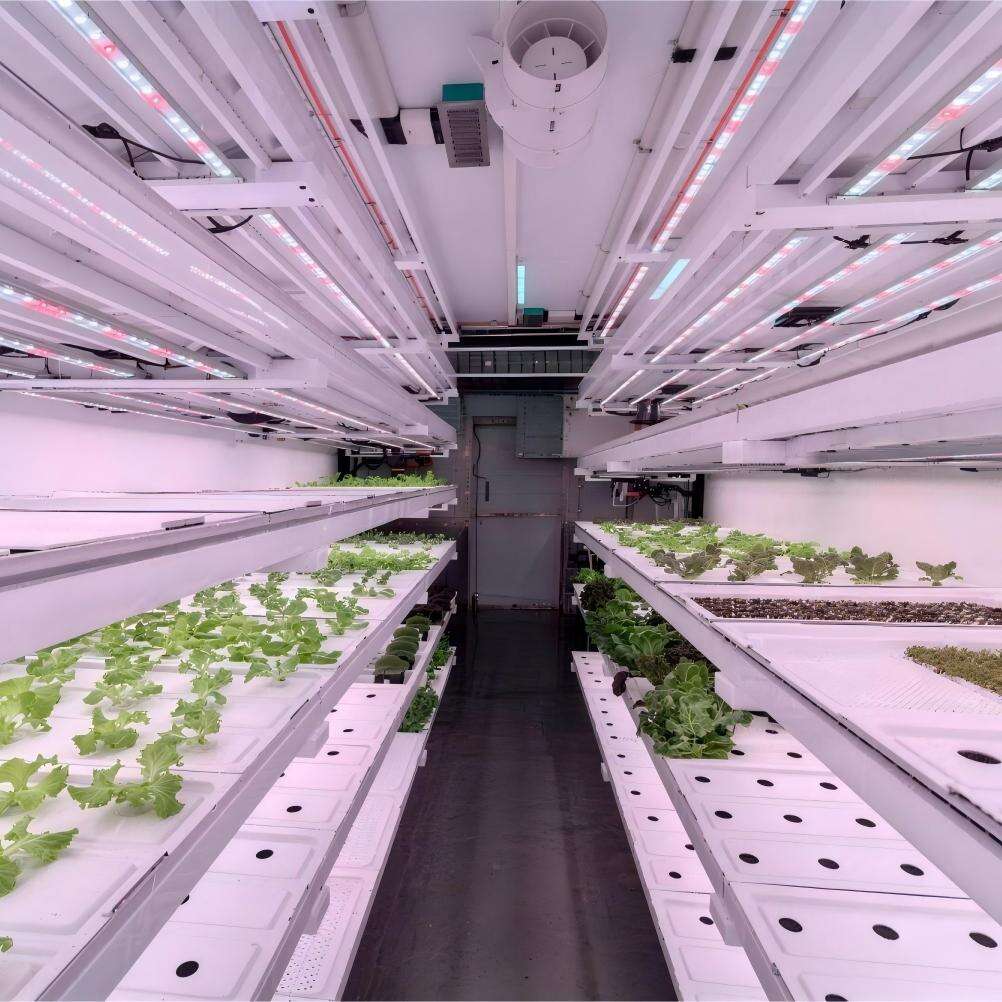
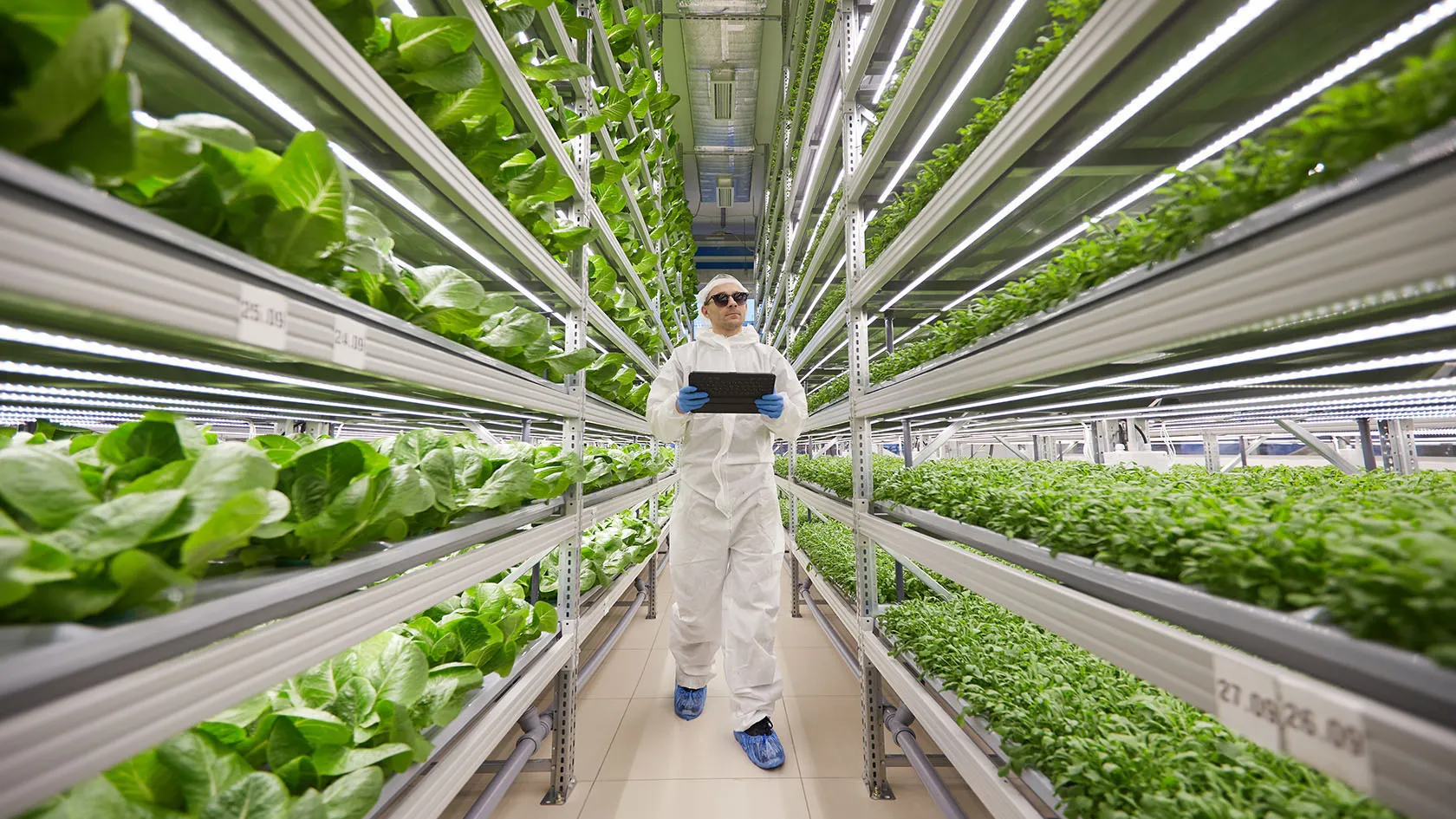
Vertical grow racks represent a revolutionary advancement in modern agricultural technology, transforming how farmers and growers approach cultivation in limited spaces. These innovative systems utilize vertical space efficiently by stacking multiple growing levels in a single footprint, maximizing production capacity while minimizing floor space requirements. The core functionality of vertical grow racks centers around creating controlled environments where plants receive optimal growing conditions through precisely engineered lighting, ventilation, and nutrient delivery systems. Each tier operates independently, allowing growers to customize environmental parameters for different crops or growth stages simultaneously. The technological framework incorporates LED lighting systems that provide full-spectrum illumination, mimicking natural sunlight while consuming significantly less energy than traditional lighting methods. Advanced climate control mechanisms maintain consistent temperature and humidity levels throughout each growing tier, ensuring plants receive ideal conditions regardless of external weather patterns. The structural design features robust materials capable of supporting substantial weight loads while maintaining stability across multiple levels. Automated irrigation systems distribute nutrients and water evenly across all tiers, reducing manual labor requirements and ensuring consistent plant health. These systems integrate seamlessly with modern farming software, enabling remote monitoring and control through smartphone applications or computer interfaces. The modular construction allows for easy expansion and customization based on specific growing needs and available space constraints. Vertical grow racks accommodate various growing mediums including soil, hydroponics, and aeroponics systems, providing flexibility for different agricultural approaches. The compact design makes them suitable for indoor environments such as warehouses, greenhouses, shipping containers, and even residential spaces. Quality construction ensures longevity and minimal maintenance requirements, making these systems cost-effective investments for serious growers seeking to optimize their agricultural operations.

Popular Products

Vertical grow racks deliver exceptional space optimization benefits, allowing growers to produce significantly more crops within the same floor area compared to traditional horizontal farming methods. This space efficiency translates directly into higher yields per square foot, making them ideal for urban environments where real estate costs are premium. The controlled environment capabilities ensure consistent crop quality throughout the year, eliminating seasonal variations and weather-related challenges that plague outdoor farming. Energy efficiency represents another major advantage, as LED lighting systems consume up to 50% less electricity than conventional growing lights while providing superior plant growth results. Water conservation becomes achievable through precise irrigation systems that eliminate waste and runoff, using up to 95% less water than traditional farming methods. Labor costs decrease substantially due to ergonomic design features that position plants at comfortable working heights, reducing back strain and increasing worker productivity. The modular nature allows for gradual expansion as business grows, eliminating the need for large initial investments while providing scalability options. Year-round production capabilities ensure steady income streams and consistent supply chains, independent of seasonal limitations or climate conditions. Quality control improves dramatically as the enclosed environment prevents pest infestations and reduces the need for chemical pesticides, resulting in cleaner, healthier produce. Faster growth cycles become possible through optimized growing conditions, with many crops maturing 25-40% faster than traditional methods. The technology integration features enable precise monitoring and automation, reducing human error while maintaining optimal growing parameters. Transportation costs diminish when these systems are installed near urban markets, reducing the carbon footprint associated with long-distance food distribution. Risk mitigation occurs naturally as the controlled environment protects crops from extreme weather events, diseases, and other external threats that can devastate traditional farms. Investment returns accelerate due to higher yields, premium pricing for locally grown produce, and reduced operational costs over time.

Practical Tips

Hydroponic Vertical Farming_ Empowering Legal Cultivation Markets Globally

09

Feb

Hydroponic Vertical Farming_ Empowering Legal Cultivation Markets Globally

View More
Planting Containers: Unlocking New Possibilities for Smart Agriculture, Creating Efficient and Movable Planting Spaces

11

Mar

Planting Containers: Unlocking New Possibilities for Smart Agriculture, Creating Efficient and Movable Planting Spaces

View More
Vertical Farming Machines, Greenhouse Cultivation & Hydroponics: Reshaping the Future of Agriculture

09

Feb

Vertical Farming Machines, Greenhouse Cultivation & Hydroponics: Reshaping the Future of Agriculture

View More

Get a Free Quote

Our representative will contact you soon.
Email
Name
Company Name
Message
0/1000

vertical grow racks

Maximum Space Utilization Technology

Maximum Space Utilization Technology

Vertical grow racks revolutionize agricultural efficiency through intelligent space utilization that transforms limited areas into highly productive growing environments. This innovative technology stacks multiple growing levels vertically, creating production capacity equivalent to several traditional farm plots within a single room or facility. The engineering behind this space optimization involves careful consideration of plant spacing, light penetration, and airflow patterns to ensure each level receives adequate resources for optimal growth. Unlike conventional farming that spreads crops horizontally across large land areas, vertical grow racks concentrate production into compact vertical towers that can fit into warehouses, basements, or specially designed growing facilities. The modular design allows growers to customize configurations based on specific spatial constraints and production goals. Each tier operates as an independent growing zone with dedicated lighting, irrigation, and climate control systems, ensuring plants at different levels receive consistent care and attention. The vertical arrangement enables growers to produce lettuce, herbs, strawberries, and other crops in quantities previously impossible within urban environments. Property developers and entrepreneurs recognize the value proposition of converting unused indoor spaces into productive agricultural facilities using these systems. The technology particularly benefits urban areas where land costs prohibit traditional farming operations, enabling local food production that reduces transportation costs and environmental impact. Installation flexibility accommodates various ceiling heights and room configurations, making it possible to establish growing operations in repurposed buildings, shipping containers, or purpose-built structures. The compact footprint allows multiple growing seasons per year while maintaining consistent production volumes regardless of external weather conditions. This space efficiency creates opportunities for vertical farming businesses to establish operations closer to consumer markets, reducing supply chain complexity and ensuring fresher produce delivery. The return on investment becomes attractive as growers generate revenue from significantly more plants per square foot compared to conventional growing methods.
Advanced Climate Control Systems

Advanced Climate Control Systems

The sophisticated climate control capabilities of vertical grow racks create perfect growing environments that eliminate the unpredictability associated with traditional farming methods. These systems integrate multiple environmental control technologies including precision temperature regulation, humidity management, air circulation, and atmospheric composition optimization to maintain ideal conditions for plant growth. Temperature control systems utilize advanced sensors and automated heating and cooling mechanisms to maintain consistent temperatures within narrow ranges, ensuring plants experience optimal metabolic conditions throughout their growth cycles. Humidity management prevents fungal diseases and pest infestations while maintaining moisture levels that promote healthy plant development without causing stress or growth inhibition. The air circulation technology ensures proper ventilation throughout all growing tiers, preventing stagnant air pockets that could harbor harmful microorganisms or create uneven growing conditions. Carbon dioxide supplementation systems can be integrated to enhance photosynthesis rates, particularly beneficial in enclosed environments where natural CO2 levels may be insufficient for maximum plant growth. These climate control features work together seamlessly through intelligent automation systems that monitor environmental conditions continuously and make real-time adjustments to maintain optimal parameters. The precision control eliminates weather-related crop losses that plague outdoor farming, ensuring consistent harvests regardless of seasonal changes or extreme weather events. Energy efficiency optimization ensures these climate control systems operate cost-effectively while maintaining peak performance, utilizing smart algorithms to minimize power consumption during optimal efficiency periods. Remote monitoring capabilities allow growers to oversee and adjust environmental conditions from anywhere using smartphone apps or computer interfaces, providing convenience and peace of mind. The system reliability reduces crop failure risks associated with equipment malfunction through redundant sensors and backup systems that maintain operations during maintenance periods. Quality assurance improves as consistent environmental conditions produce uniform crop characteristics, meeting market demands for consistent size, color, and flavor profiles. These advanced climate control systems enable growers to experiment with specific environmental recipes optimized for different crop varieties, maximizing yield and quality for each type of plant grown.
Automated Nutrient Delivery Excellence

Automated Nutrient Delivery Excellence

The automated nutrient delivery systems integrated into vertical grow racks represent cutting-edge agricultural technology that ensures plants receive precise nutrition at optimal timing throughout their growth cycles. These sophisticated systems eliminate guesswork and manual mixing errors associated with traditional fertilization methods, delivering consistent nutrient solutions that promote healthy plant development and maximum yield potential. The technology incorporates multiple nutrient reservoirs that can be programmed to deliver different fertilizer combinations based on plant growth stages, crop types, and specific nutritional requirements. Precision dosing pumps measure and distribute exact nutrient concentrations, preventing over-fertilization or nutrient deficiencies that can stress plants and reduce productivity. The automated irrigation components work in conjunction with nutrient delivery to provide consistent moisture levels while ensuring even distribution across all growing tiers and plant positions. pH monitoring and adjustment systems maintain optimal nutrient uptake conditions by automatically correcting solution acidity or alkalinity levels that could interfere with plant metabolism. The recirculating design minimizes waste by capturing and reusing nutrient solutions, creating environmentally sustainable growing practices while reducing operational costs. Smart scheduling features allow growers to program different feeding regimens for various crops growing simultaneously on different tiers, accommodating diverse agricultural portfolios within a single system. The automation reduces labor requirements significantly as manual mixing, measuring, and application of nutrients becomes unnecessary, freeing workers to focus on other important cultivation tasks. Quality control improves through consistent nutrient delivery that eliminates human error and ensures each plant receives identical care and nutrition throughout the growing cycle. The monitoring capabilities track nutrient consumption patterns and provide data insights that help optimize feeding schedules and improve overall system efficiency. Maintenance requirements remain minimal due to self-cleaning features and durable components designed for continuous operation in agricultural environments. The flexibility allows for easy adjustment of nutrient programs when changing crops or experimenting with different growing techniques without requiring significant system modifications. Cost savings accumulate over time through reduced fertilizer waste, lower labor costs, and improved crop yields that result from optimized nutrition management.

Get a Free Quote

Our representative will contact you soon.
Email
Name
Company Name
Message
0/1000