Indoor Vertical Hydroponic Systems: Advanced Growing Technology for Maximum Yield and Efficiency

Get a Free Quote

Our representative will contact you soon.
Email
Name
Company Name
Message
0/1000

indoor vertical hydroponic system

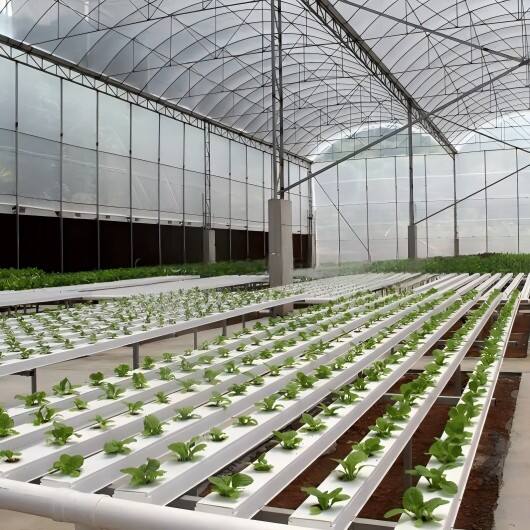
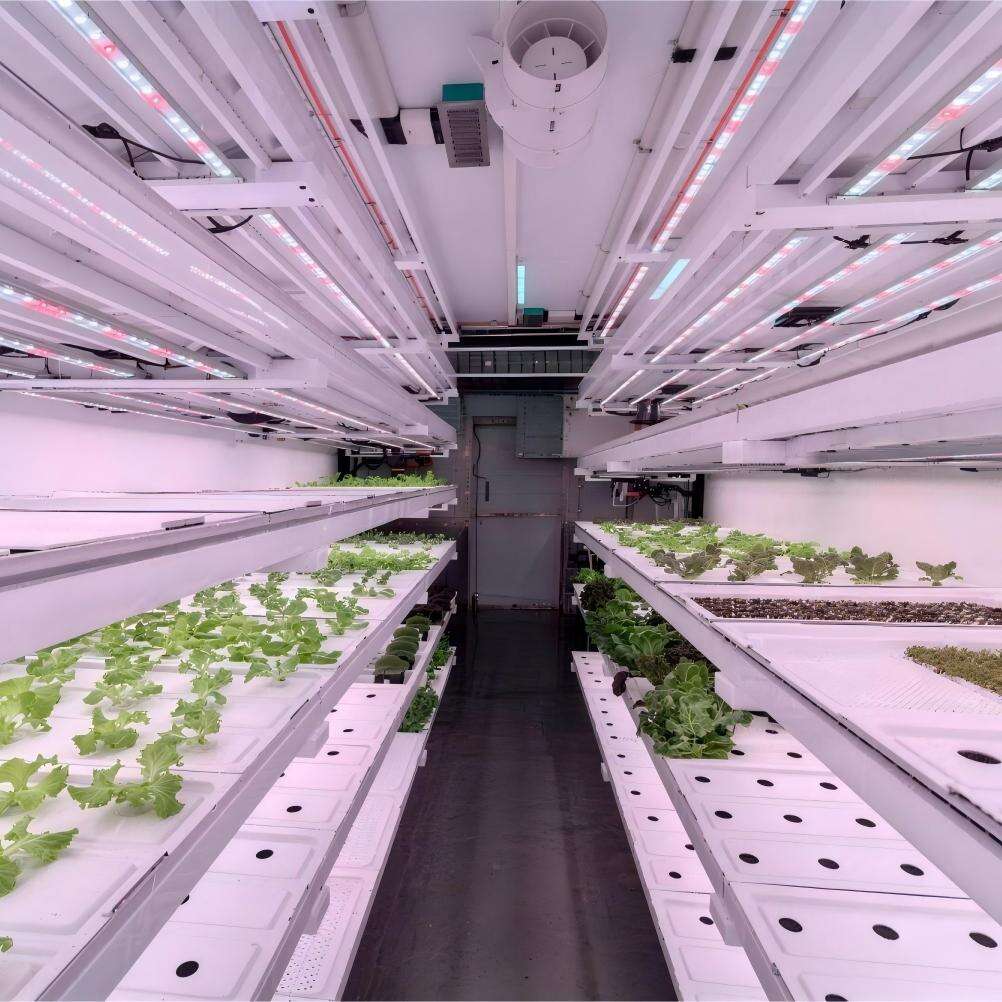
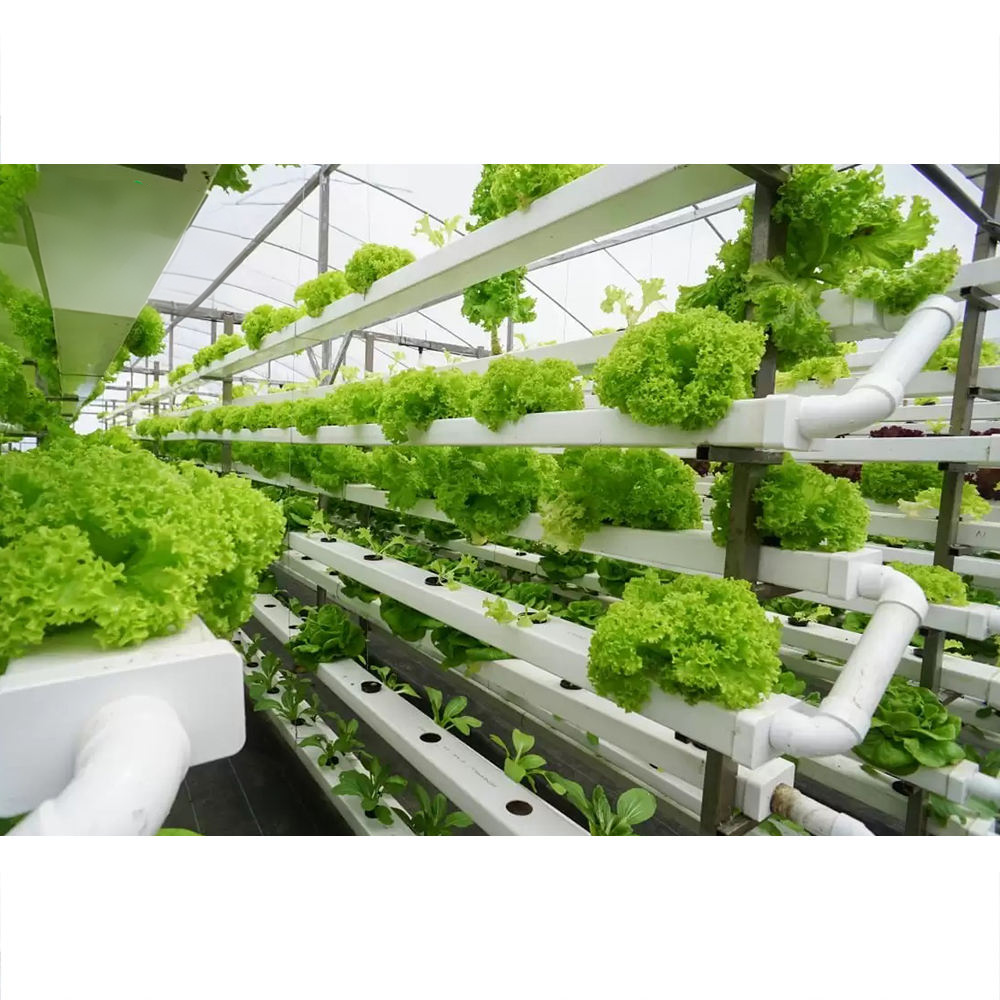
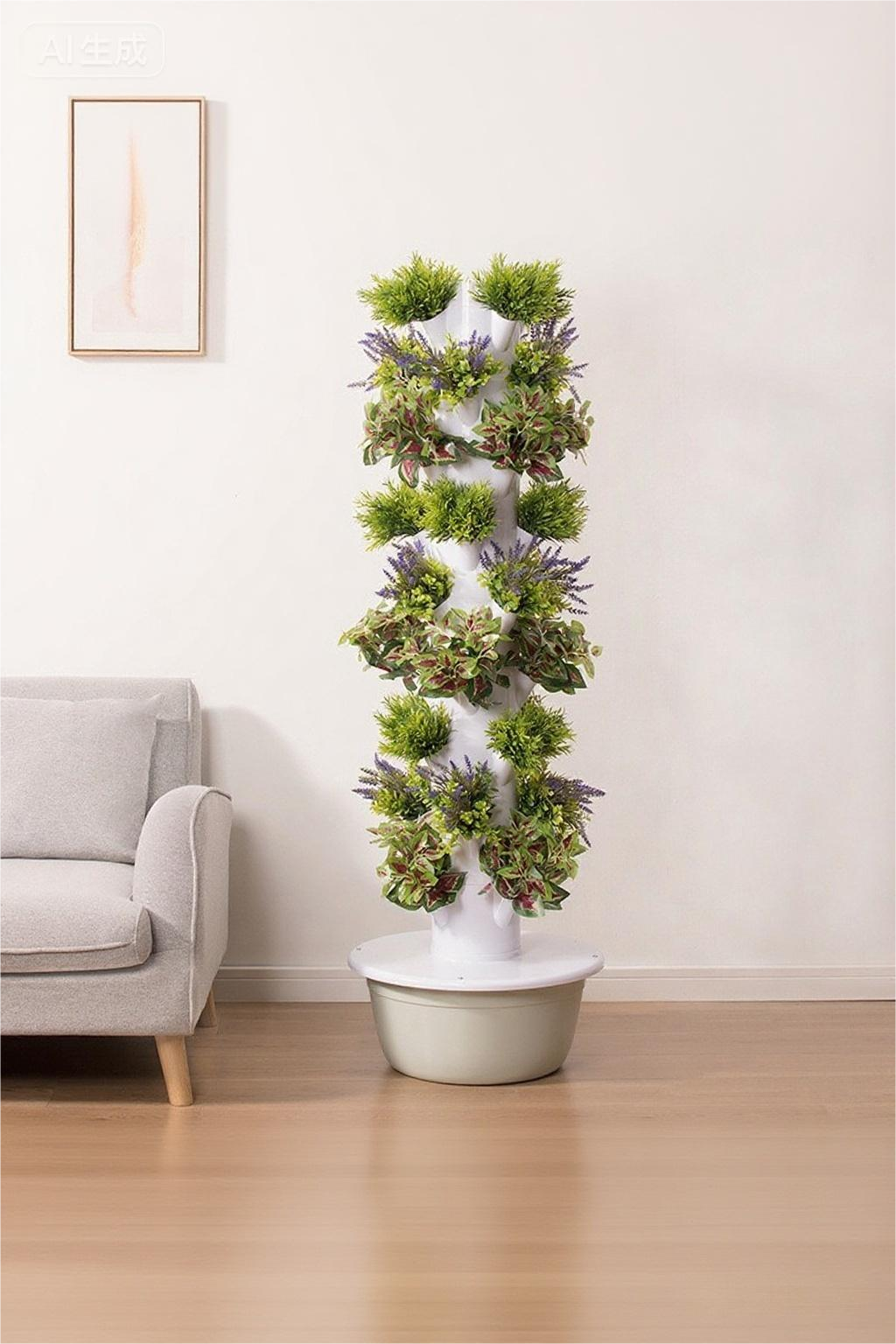
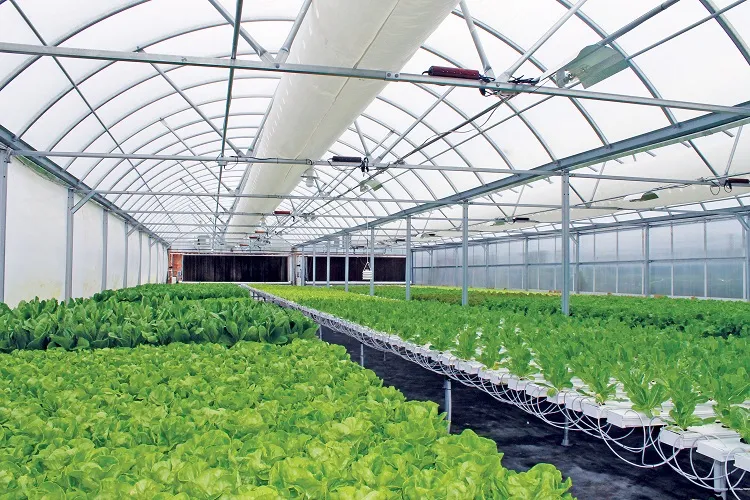
An indoor vertical hydroponic system represents a revolutionary approach to modern agriculture that maximizes growing space while minimizing resource consumption. This innovative technology utilizes vertically stacked growing towers or shelves to cultivate plants without soil, relying instead on nutrient-rich water solutions delivered directly to plant roots. The indoor vertical hydroponic system operates through a sophisticated network of pumps, timers, and distribution channels that ensure precise nutrient delivery and optimal growing conditions. The main functions of this advanced growing method include automated nutrient circulation, climate control integration, and space-efficient plant cultivation. The system typically features multiple growing levels arranged vertically, allowing farmers to produce significantly more crops per square foot compared to traditional horizontal farming methods. Technological features include LED grow lights specifically calibrated for plant photosynthesis, automated pH monitoring systems, and programmable nutrient dosing mechanisms. The indoor vertical hydroponic system incorporates sensors that continuously monitor water levels, nutrient concentrations, and environmental conditions to maintain optimal growing parameters. Applications for this technology span from commercial farming operations and urban agriculture initiatives to residential growing systems and educational facilities. The system proves particularly valuable in regions with limited arable land, harsh climatic conditions, or contaminated soil. Restaurant owners, grocery stores, and specialty produce suppliers increasingly adopt indoor vertical hydroponic systems to ensure year-round supply of fresh herbs, leafy greens, and vegetables. The technology also serves educational institutions teaching sustainable agriculture and research facilities developing new cultivation techniques. These systems range from small countertop units suitable for home use to large-scale commercial installations capable of feeding entire communities, making fresh produce accessible regardless of geographic location or seasonal limitations.
New Product Recommendations

The indoor vertical hydroponic system offers remarkable space efficiency that transforms how we think about agricultural production. Traditional farming requires vast horizontal acreage, but this innovative approach stacks growing areas vertically, allowing farmers to produce ten times more crops in the same footprint. Urban environments benefit tremendously from this space optimization, enabling fresh food production in warehouses, basements, and rooftops where conventional farming would be impossible. Water conservation represents another compelling advantage, as the indoor vertical hydroponic system uses up to 95% less water than traditional soil-based agriculture. The closed-loop system recirculates nutrient solutions, preventing waste and ensuring every drop serves a purpose. This efficiency proves crucial in drought-prone regions or areas with water restrictions, making sustainable farming viable even in challenging conditions. Year-round production capability eliminates seasonal limitations that constrain traditional farming. The controlled environment protects crops from weather extremes, pests, and diseases, ensuring consistent harvests regardless of external conditions. This reliability enables predictable income streams for commercial growers and steady food supplies for communities. The indoor vertical hydroponic system produces faster crop cycles than conventional methods, with many vegetables ready for harvest in half the time required by soil-based growing. Accelerated growth rates result from optimized nutrient delivery, perfect lighting conditions, and ideal environmental controls that eliminate stress factors affecting plant development. Quality improvements are significant, as crops grown in indoor vertical hydroponic systems typically contain higher nutrient concentrations and better flavor profiles due to precise control over growing conditions. The absence of soil eliminates soilborne diseases and reduces the need for pesticides, resulting in cleaner, safer produce. Labor efficiency increases substantially because the ergonomic design reduces bending and kneeling, while automation handles routine tasks like watering and nutrient mixing. These systems require minimal maintenance once established, allowing operators to focus on harvesting and system optimization rather than daily care routines.

Tips And Tricks

Hydroponic Vertical Farming_ Empowering Legal Cultivation Markets Globally

09

Feb

Hydroponic Vertical Farming_ Empowering Legal Cultivation Markets Globally

View More
Planting Containers: Unlocking New Possibilities for Smart Agriculture, Creating Efficient and Movable Planting Spaces

11

Mar

Planting Containers: Unlocking New Possibilities for Smart Agriculture, Creating Efficient and Movable Planting Spaces

View More
Vertical Farming Machines, Greenhouse Cultivation & Hydroponics: Reshaping the Future of Agriculture

09

Feb

Vertical Farming Machines, Greenhouse Cultivation & Hydroponics: Reshaping the Future of Agriculture

View More

Get a Free Quote

Our representative will contact you soon.
Email
Name
Company Name
Message
0/1000

indoor vertical hydroponic system

Revolutionary Space Utilization Technology

Revolutionary Space Utilization Technology

The indoor vertical hydroponic system transforms traditional farming concepts by maximizing production capacity within minimal square footage through innovative vertical growing architecture. This groundbreaking approach stacks multiple growing levels in tower-like structures, creating agricultural skyscrapers that can produce equivalent yields to acres of traditional farmland within the confines of a single room or warehouse. The vertical design principle allows growers to multiply their production capacity by the number of levels they install, with some commercial indoor vertical hydroponic systems featuring up to 20 growing levels in a single unit. Each level receives precisely calibrated LED lighting, ensuring every plant receives optimal photosynthetic energy regardless of its position in the vertical stack. The space utilization advantage becomes particularly pronounced in urban environments where real estate costs make traditional horizontal farming economically unfeasible. Metropolitan areas can now host significant agricultural operations in repurposed buildings, rooftops, or purpose-built facilities, bringing fresh produce production closer to consumption centers. This proximity reduces transportation costs, carbon footprints, and ensures peak freshness at harvest. The indoor vertical hydroponic system design also enables precise environmental control at each growing level, allowing farmers to cultivate different crops with varying requirements within the same facility. Temperature, humidity, airflow, and lighting can be customized for each vertical zone, creating optimal microclimates that maximize plant health and productivity. The modular nature of these systems allows for easy expansion as business needs grow, with additional levels or towers readily integrated into existing setups. This scalability makes the technology accessible to both small-scale operations and large commercial ventures, adapting to available space and production requirements. The vertical approach also facilitates easier monitoring and maintenance, as all growing areas remain accessible without the need to traverse large horizontal distances typical of traditional farming operations.
Advanced Automated Nutrient Management

Advanced Automated Nutrient Management

The indoor vertical hydroponic system incorporates sophisticated automated nutrient management technology that eliminates guesswork and ensures optimal plant nutrition throughout the growing cycle. This intelligent system continuously monitors and adjusts nutrient concentrations, pH levels, and water quality parameters to maintain perfect growing conditions without human intervention. Advanced sensors positioned throughout the system provide real-time feedback on nutrient uptake, allowing the automated controls to make precise adjustments based on plant growth stages and specific crop requirements. The nutrient management system utilizes computerized mixing stations that blend concentrated nutrient solutions according to predetermined recipes tailored for different plant varieties and growth phases. This precision ensures that plants receive exactly the right balance of nitrogen, phosphorus, potassium, and essential micronutrients at precisely the right time, optimizing growth rates and final product quality. The automation extends to pH regulation, with the system automatically dispensing pH adjustment solutions to maintain optimal nutrient absorption conditions. This consistent pH management prevents nutrient lockout and ensures plants can access all available nutrients efficiently. The indoor vertical hydroponic system also features automated water level monitoring and replenishment capabilities, maintaining optimal reservoir levels and preventing crop stress from water shortages. The system tracks nutrient consumption patterns and generates detailed reports that help growers understand plant requirements and optimize feeding schedules for maximum efficiency. Error detection protocols alert operators to any system malfunctions, sensor failures, or nutrient imbalances before they impact crop health. The automated approach significantly reduces labor costs while improving crop consistency and yields compared to manual nutrient management methods. Remote monitoring capabilities allow growers to oversee multiple indoor vertical hydroponic systems from any location, receiving alerts and making adjustments through smartphone applications or web interfaces. This level of automation makes commercial-scale hydroponic farming accessible to operators without extensive horticultural backgrounds, democratizing advanced growing technology.
Climate-Independent Growing Environment

Climate-Independent Growing Environment

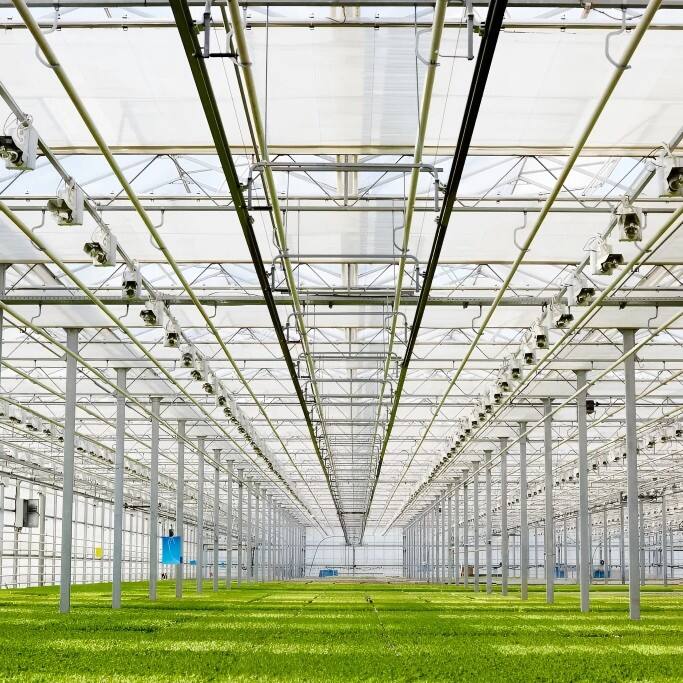
The indoor vertical hydroponic system creates a completely controlled growing environment that operates independently of external weather conditions, seasonal changes, and geographical limitations. This climate independence represents a paradigm shift in agricultural production, enabling consistent crop cultivation regardless of whether the facility is located in arctic tundra, desert regions, or tropical climates. The system maintains precise temperature control through sophisticated HVAC integration, ensuring optimal growing conditions year-round without the unpredictability of natural weather patterns. Humidity levels remain constant through automated environmental controls that prevent both drought stress and fungal diseases associated with excessive moisture. The controlled atmosphere eliminates the risks of frost damage, heat waves, storms, and other weather-related crop losses that plague traditional outdoor farming. The indoor vertical hydroponic system utilizes full-spectrum LED lighting systems that provide consistent photoperiods regardless of natural daylight availability, enabling cultivation in windowless facilities or regions with limited sunlight exposure. This artificial lighting can be programmed to simulate different seasonal light patterns, allowing growers to manipulate flowering and fruiting cycles for optimal harvest timing. Air quality control systems filter incoming air and maintain optimal carbon dioxide levels, enhancing photosynthesis rates and accelerating plant growth beyond what is possible in natural environments. The sealed growing environment also provides protection from pests and diseases that would otherwise require chemical interventions, resulting in cleaner, safer produce. Natural disasters, droughts, floods, and other climate-related events that devastate traditional agriculture have no impact on indoor vertical hydroponic systems, ensuring food security even during extreme weather events. This reliability makes the technology invaluable for regions prone to climate instability or areas where traditional agriculture faces increasing challenges due to climate change. The system enables cultivation of crops that would otherwise be impossible to grow in certain geographic regions, expanding local food production capabilities and reducing dependence on long-distance transportation. The climate-controlled environment also allows for accelerated breeding programs and research activities that require precise environmental conditions.

Get a Free Quote

Our representative will contact you soon.
Email
Name
Company Name
Message
0/1000