Indoor Container Farming: Revolutionary Year-Round Agriculture Solutions for Sustainable Food Production

Get a Free Quote

Our representative will contact you soon.
Email
Name
Company Name
Message
0/1000

indoor container farming

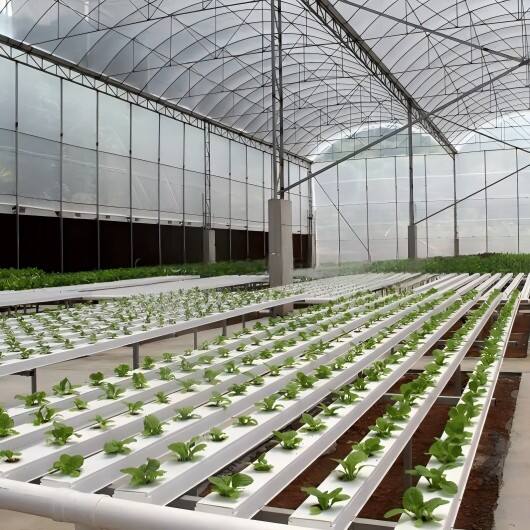
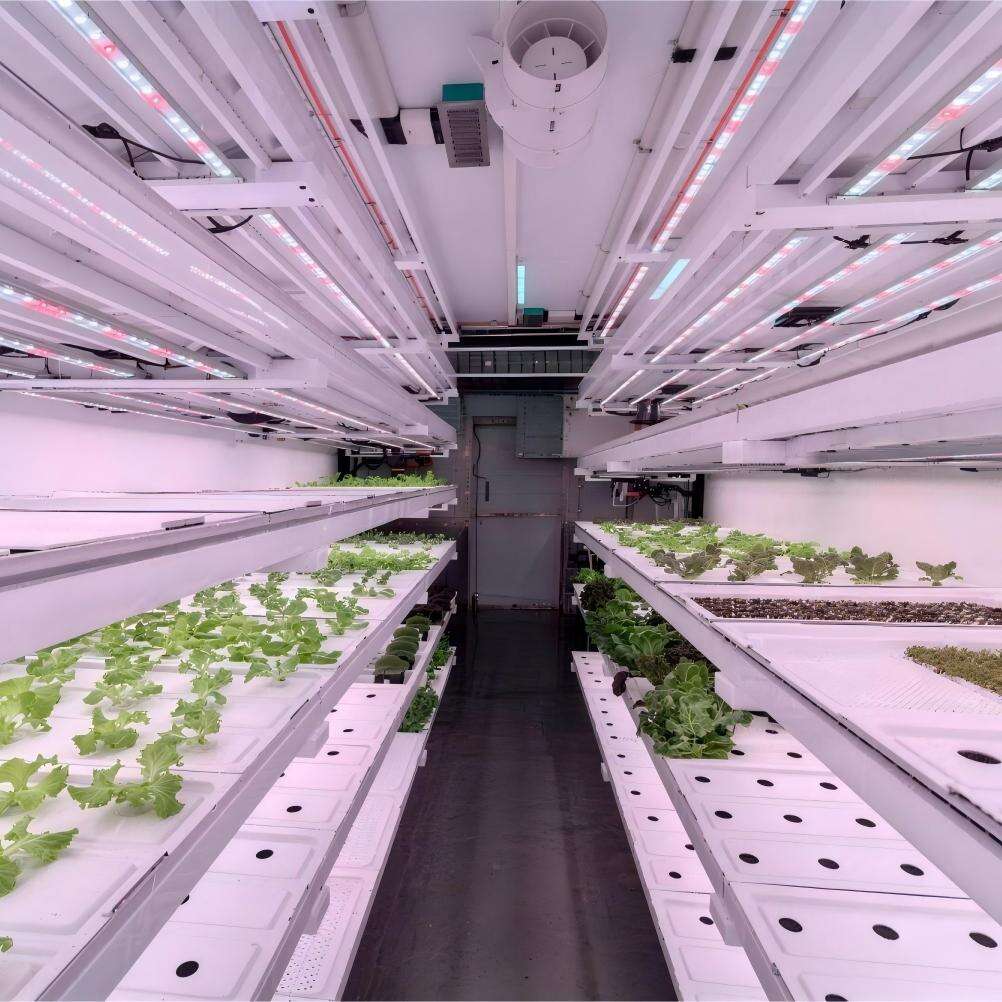
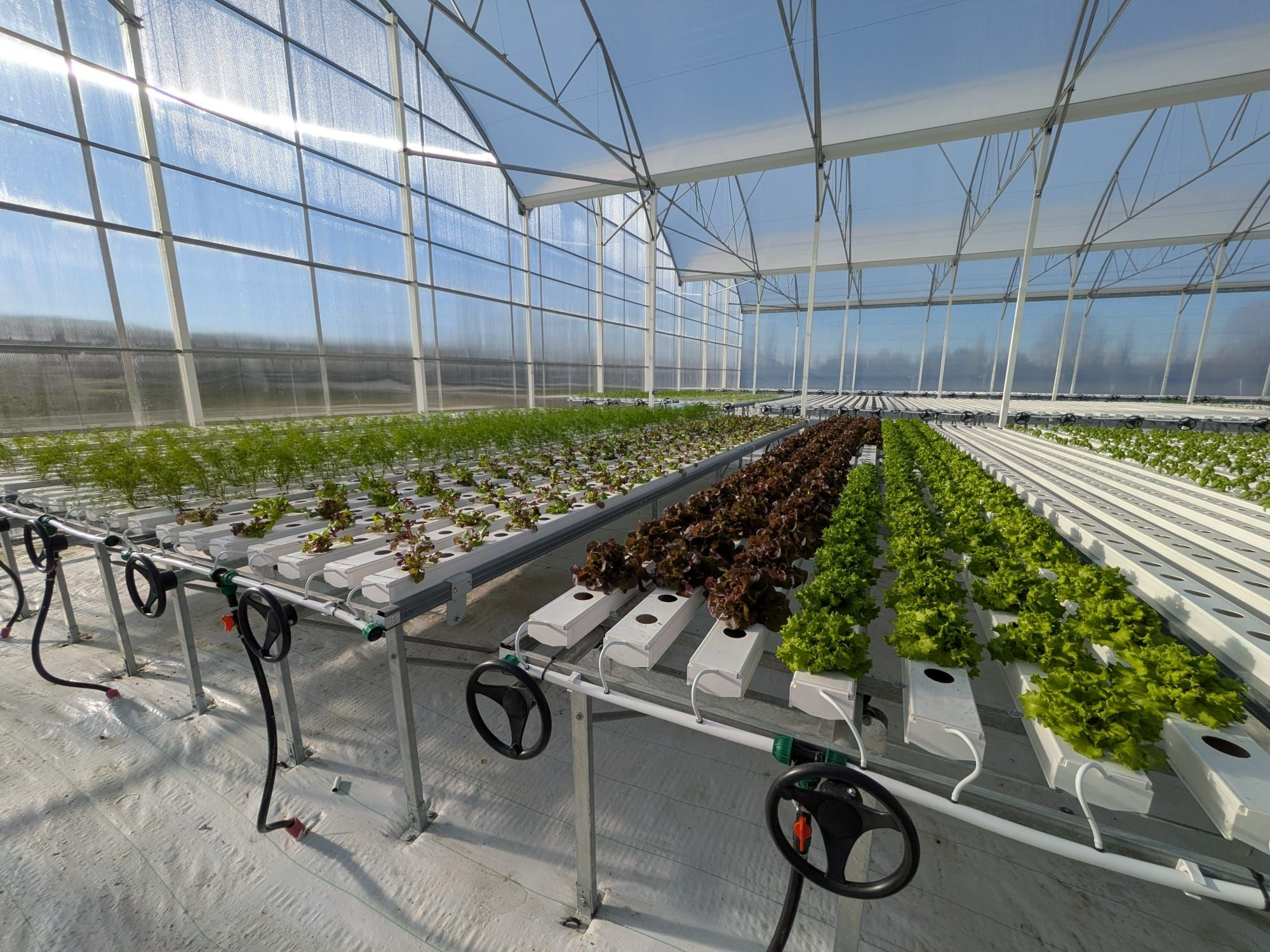
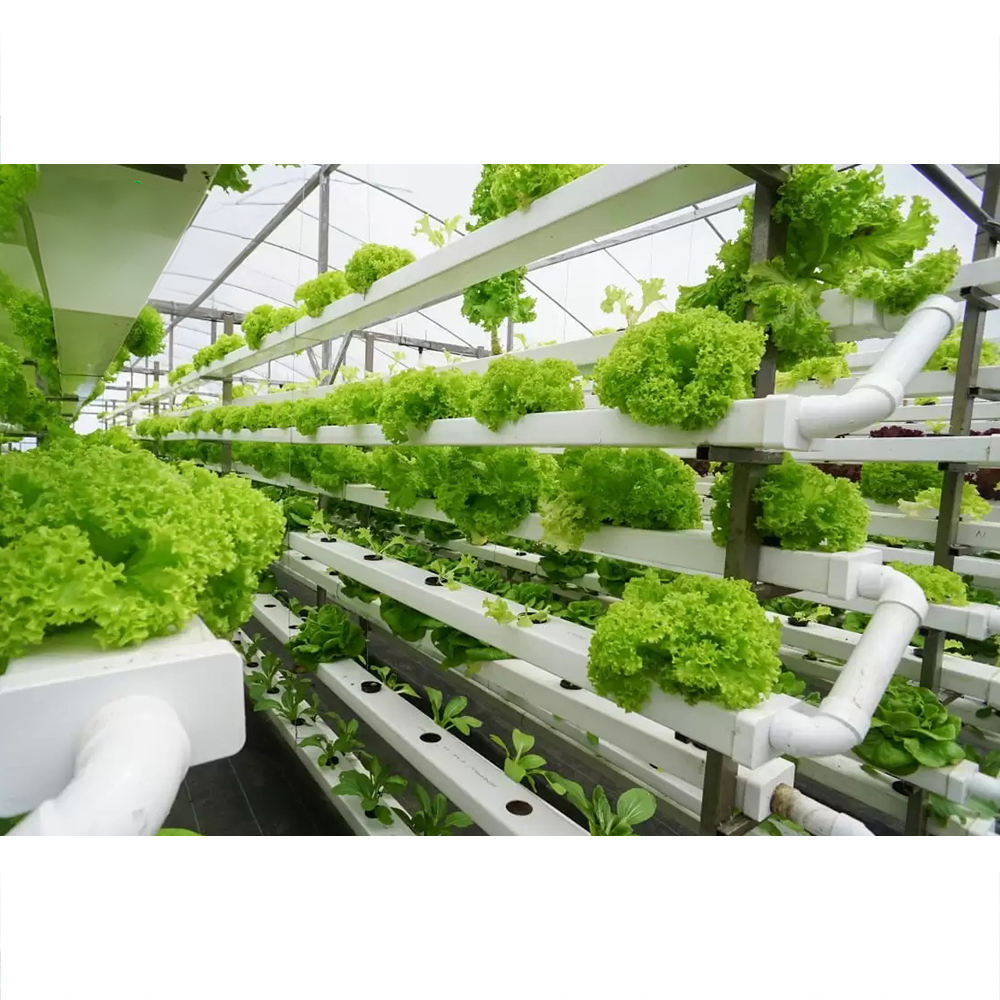
Indoor container farming represents a revolutionary approach to agricultural production that transforms standard shipping containers into self-contained growing environments. This innovative system creates controlled ecosystems where crops grow year-round, independent of external weather conditions or geographical limitations. The technology integrates advanced hydroponic or aeroponic systems with precision climate control, LED lighting arrays, and automated nutrient delivery mechanisms. Each container operates as a micro-farm, measuring typically 20 to 40 feet in length, capable of producing fresh produce equivalent to several acres of traditional farmland. The main functions encompass complete environmental regulation including temperature, humidity, air circulation, and CO2 levels. Sophisticated monitoring systems track plant growth stages, nutrient absorption rates, and harvest timing through IoT sensors and data analytics platforms. Technological features include full-spectrum LED grow lights that simulate optimal sunlight conditions, recirculating water systems that minimize waste, and automated seeding, transplanting, and harvesting equipment. The modular design allows for scalable operations, enabling farmers to expand production capacity by adding additional container units. Applications span urban agriculture initiatives, remote community food security programs, restaurant supply chains, grocery store partnerships, and educational institutions. These systems prove particularly valuable in harsh climates, densely populated cities, and areas with poor soil quality. Indoor container farming addresses food desert challenges by bringing fresh produce production directly to underserved communities. The technology supports sustainable agriculture goals through reduced water consumption, elimination of pesticide requirements, and minimal transportation costs. Commercial operators utilize these systems for consistent crop yields, predictable harvesting schedules, and premium product quality that commands higher market prices.
New Product Releases

Indoor container farming delivers exceptional water efficiency, using up to 95 percent less water than traditional agriculture through recirculating hydroponic systems that capture and reuse every drop. This conservation approach eliminates agricultural runoff while maintaining optimal plant hydration levels throughout the growing cycle. The controlled environment eliminates seasonal limitations, enabling farmers to produce fresh crops twelve months per year regardless of external weather patterns, frost dates, or drought conditions. This consistency provides reliable income streams and stable food supplies for local communities. Space optimization represents another significant benefit, as indoor container farming generates yields equivalent to 2-4 acres of conventional farmland within a compact 320 square foot footprint. Urban entrepreneurs can establish profitable farming operations in city centers, parking lots, or industrial areas where traditional agriculture would be impossible. The pesticide-free growing environment produces cleaner, healthier crops without chemical residues, meeting increasing consumer demand for organic produce. Automated systems reduce labor requirements by 80 percent compared to field farming, handling tasks like seeding, watering, and environmental monitoring through programmed schedules. Energy efficiency improvements through LED technology and insulated container designs minimize operational costs while maximizing crop production rates. Faster growing cycles result from optimized growing conditions, with leafy greens maturing 30-50 percent quicker than outdoor cultivation. Local food production reduces transportation distances, ensuring fresher products reach consumers while supporting community food security initiatives. The scalable nature allows businesses to start small and expand gradually based on market demand and financial capacity. Weather independence protects crops from storms, droughts, floods, and temperature extremes that devastate traditional farms. Quality control measures ensure consistent product standards, size uniformity, and extended shelf life that appeals to commercial buyers and consumers seeking premium produce options.

Latest News

Hydroponic Vertical Farming_ Empowering Legal Cultivation Markets Globally

09

Feb

Hydroponic Vertical Farming_ Empowering Legal Cultivation Markets Globally

View More
Planting Containers: Unlocking New Possibilities for Smart Agriculture, Creating Efficient and Movable Planting Spaces

11

Mar

Planting Containers: Unlocking New Possibilities for Smart Agriculture, Creating Efficient and Movable Planting Spaces

View More
Vertical Farming Machines, Greenhouse Cultivation & Hydroponics: Reshaping the Future of Agriculture

09

Feb

Vertical Farming Machines, Greenhouse Cultivation & Hydroponics: Reshaping the Future of Agriculture

View More

Get a Free Quote

Our representative will contact you soon.
Email
Name
Company Name
Message
0/1000

indoor container farming

Year-Round Production Capability with Climate Independence

Year-Round Production Capability with Climate Independence

Indoor container farming revolutionizes agricultural scheduling by providing complete climate independence that ensures continuous crop production throughout all seasons. This technology eliminates the traditional growing season limitations that constrain outdoor farming, allowing producers to maintain steady harvests regardless of external weather conditions, seasonal changes, or geographical location challenges. The sophisticated climate control systems maintain precise temperature ranges, humidity levels, and air circulation patterns that optimize plant growth rates while protecting crops from environmental stressors. Advanced insulation materials and energy-efficient heating and cooling systems create stable microclimates that can simulate ideal growing conditions for various crop types. The controlled environment protection extends beyond weather resistance to include protection from pests, diseases, and soil-borne pathogens that typically threaten outdoor crops. This reliability translates directly into predictable revenue streams for commercial operators who can guarantee consistent supply contracts with restaurants, grocery stores, and institutional buyers throughout the year. The elimination of seasonal price fluctuations allows farmers to capitalize on premium pricing during traditional off-seasons when fresh, locally-grown produce commands higher market values. Additionally, the ability to grow temperature-sensitive crops in any climate zone opens new market opportunities for exotic vegetables, herbs, and specialty crops that would otherwise require expensive importation. The technology supports multiple growing cycles per year for quick-maturing crops, effectively multiplying annual yield potential compared to single-season outdoor farming. This continuous production capability proves especially valuable for urban food security initiatives, remote communities with short growing seasons, and regions affected by climate change impacts on traditional agriculture.
Exceptional Resource Efficiency and Environmental Sustainability

Exceptional Resource Efficiency and Environmental Sustainability

Indoor container farming achieves remarkable resource efficiency that dramatically reduces environmental impact while maximizing productive output per input unit. The closed-loop water systems capture, filter, and recirculate nutrient solutions with precision that eliminates waste and prevents groundwater contamination common in traditional agriculture. This water conservation technology proves especially valuable in arid regions, drought-prone areas, and urban environments where water resources face increasing pressure from competing demands. The soilless growing methods eliminate the need for chemical fertilizers, pesticides, and herbicides that contribute to soil degradation and ecosystem disruption. Nutrient delivery systems provide plants with precisely measured mineral solutions that optimize growth rates while preventing excess chemicals from entering local watersheds. Energy efficiency improvements through full-spectrum LED lighting technology consume significantly less electricity than conventional grow lights while providing optimal photosynthetic support for plant development. The compact footprint reduces land use requirements, preserving natural habitats and agricultural land for other purposes while enabling food production in previously unusable urban spaces. Carbon footprint reduction occurs through eliminated transportation distances when containers operate near consumer markets, reducing fuel consumption and emissions associated with long-distance food distribution. The controlled environment eliminates crop losses from weather damage, pest infestations, and disease outbreaks that typically result in significant food waste in traditional farming systems. Automated monitoring and adjustment systems optimize resource utilization by responding to real-time plant needs rather than following predetermined schedules that may waste inputs. These efficiency gains create sustainable business models that balance profitability with environmental responsibility, appealing to environmentally conscious consumers and supporting corporate sustainability goals for businesses throughout the food supply chain.
Scalable Urban Agriculture Solution with Minimal Infrastructure Requirements

Scalable Urban Agriculture Solution with Minimal Infrastructure Requirements

Indoor container farming offers unparalleled scalability and infrastructure flexibility that enables agricultural operations in virtually any urban or industrial setting without extensive site preparation or permanent construction investments. The modular design allows entrepreneurs and established businesses to start with single container units and expand systematically based on market demand, financial capacity, and operational experience. This gradual scaling approach reduces initial capital requirements while providing opportunities to optimize processes and refine business models before major expansions. The standardized container dimensions integrate seamlessly with existing transportation and logistics infrastructure, enabling easy relocation, temporary installations, and rapid deployment in emergency food production scenarios. Site requirements remain minimal, needing only level ground, electrical connections, and water access rather than the extensive soil preparation, irrigation systems, and permanent structures required for traditional farming operations. Urban zoning compatibility allows container farms to operate in commercial, industrial, and mixed-use districts where conventional agriculture would be prohibited, opening numerous location opportunities in city centers, warehouse districts, and redevelopment areas. The plug-and-play functionality enables quick setup and commissioning, with most systems becoming operational within weeks rather than the months or years required for traditional farm establishment. Stackable configurations multiply production capacity within limited space constraints, creating vertical farming possibilities that maximize output per square foot of ground space. The mobility advantage allows seasonal relocations to optimize market access, participate in farmers markets, or provide temporary food production during natural disasters or supply chain disruptions. Franchise and licensing opportunities emerge from the standardized technology platform, enabling rapid geographic expansion and knowledge transfer between operators. This scalability supports diverse business models from small-scale local operations to large commercial enterprises, community-supported agriculture programs, and corporate sustainability initiatives that require flexible, expandable food production capabilities.

Get a Free Quote

Our representative will contact you soon.
Email
Name
Company Name
Message
0/1000