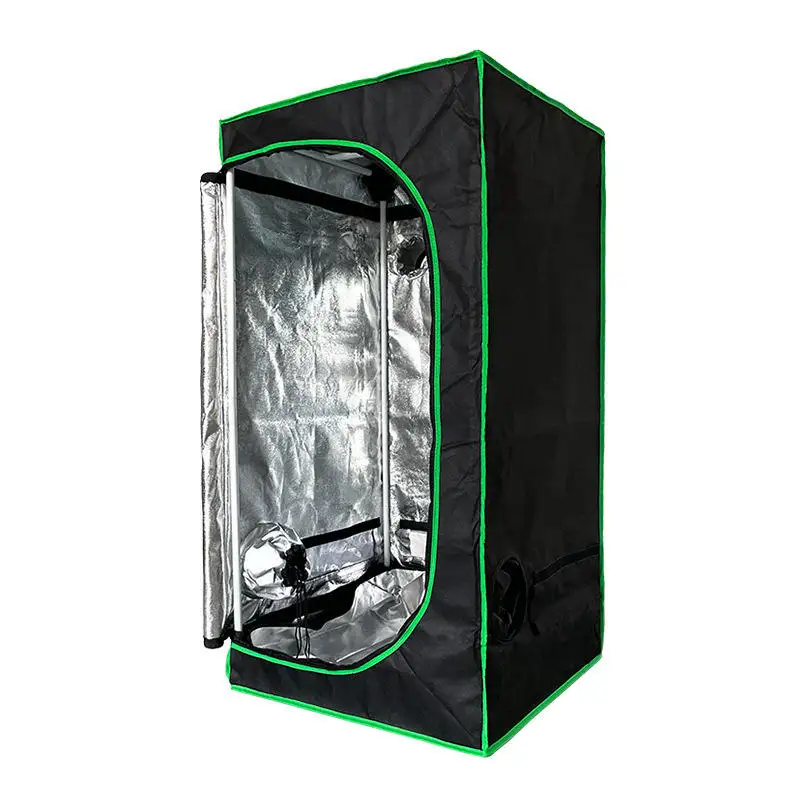
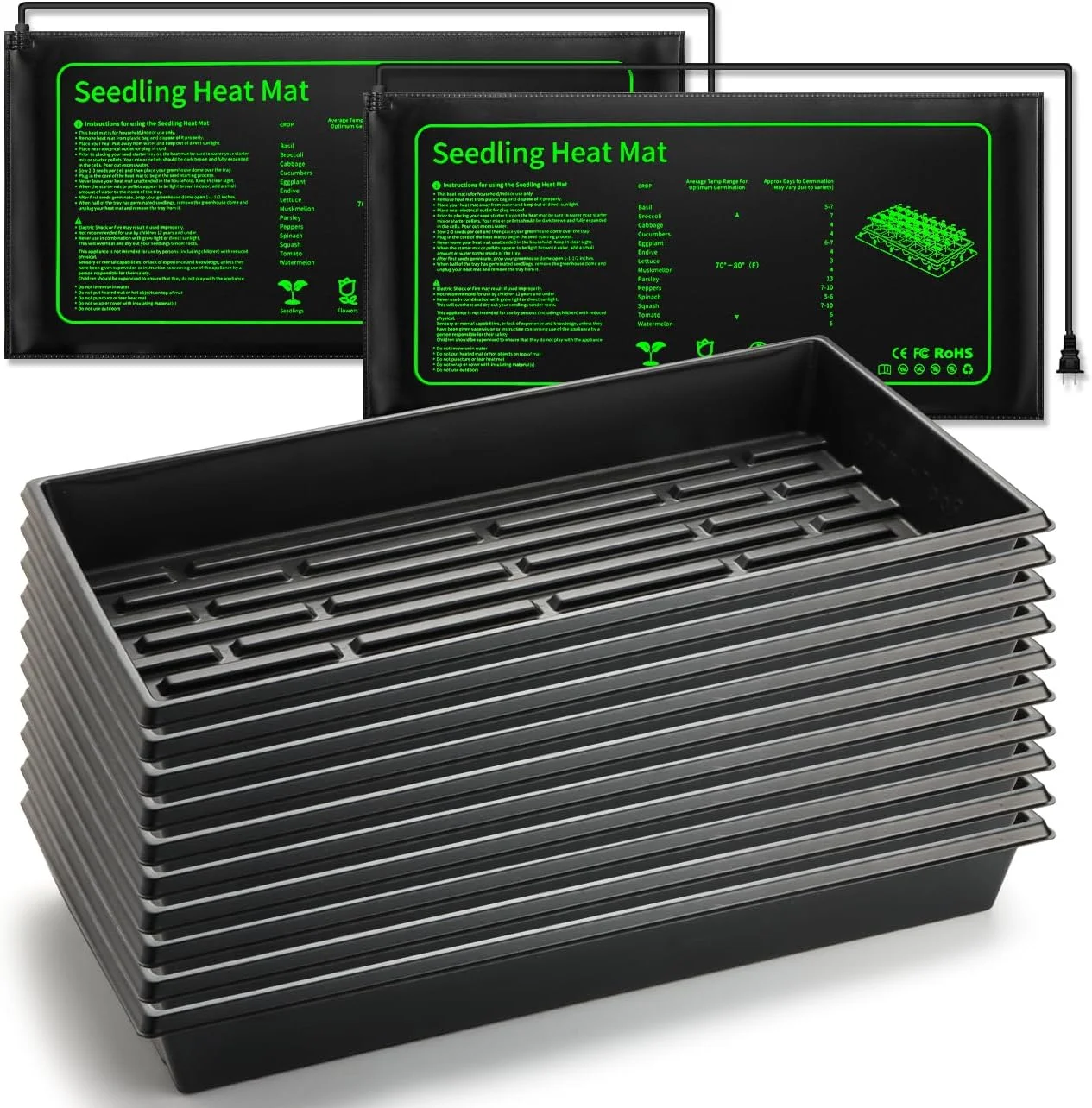
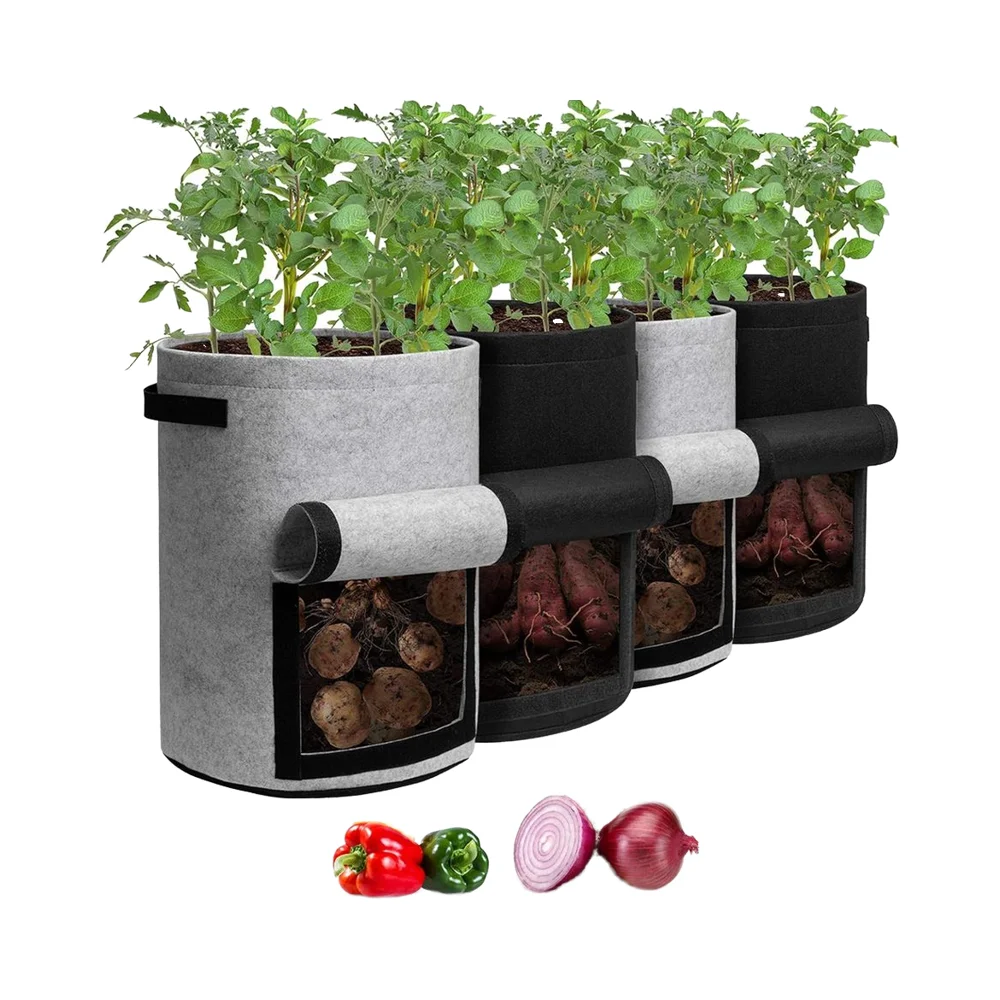
hydroponic indoor farm
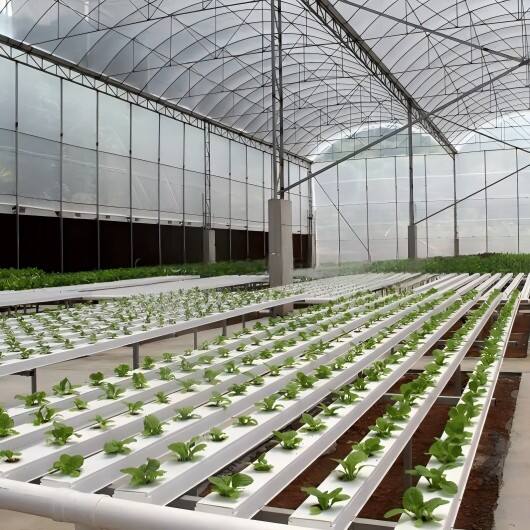
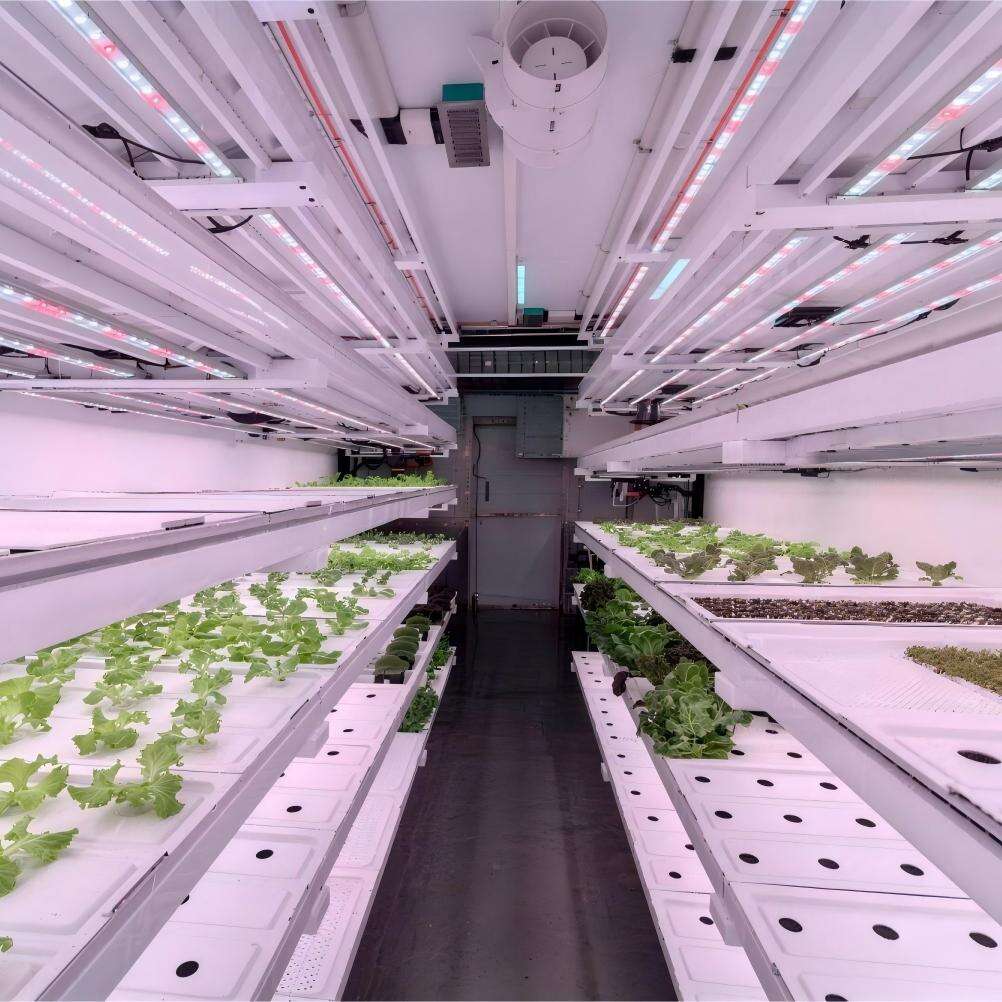
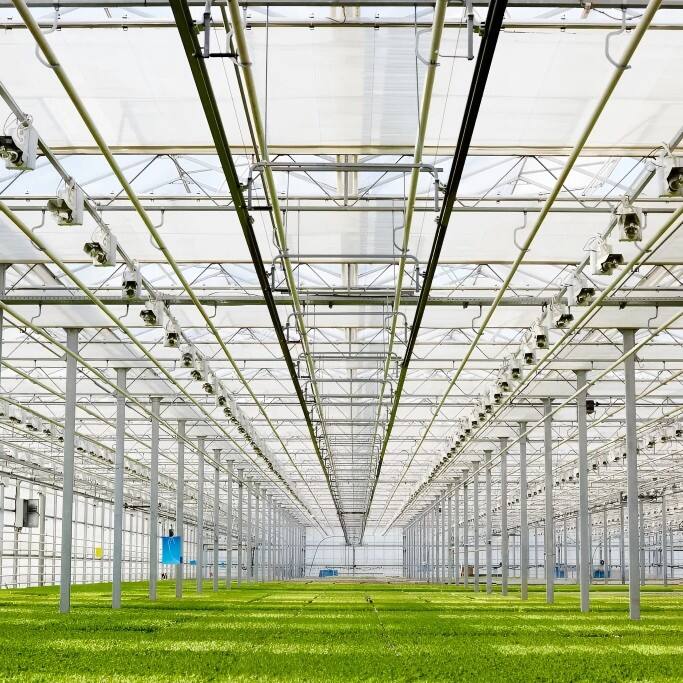
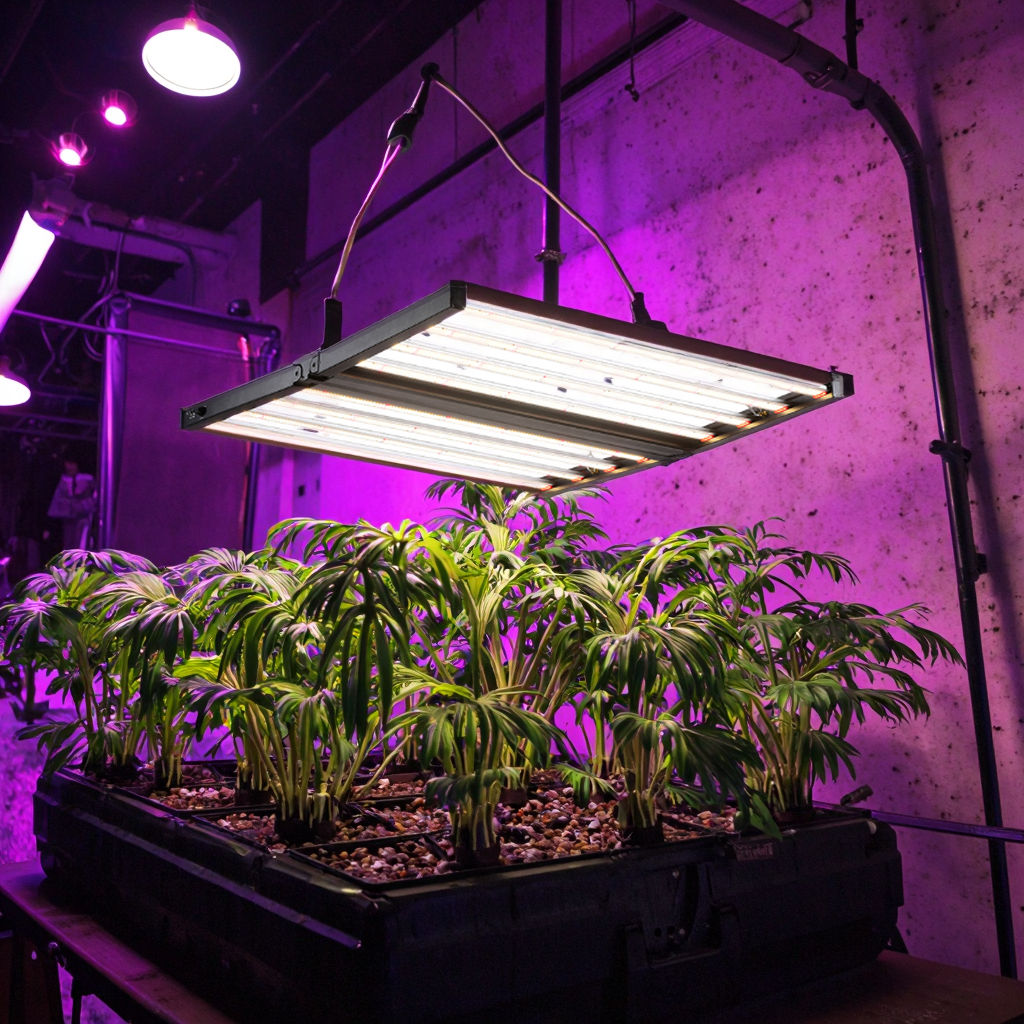
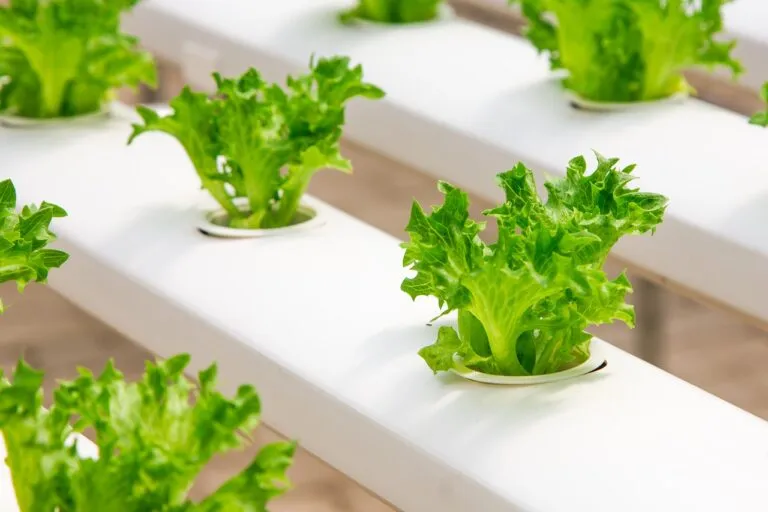
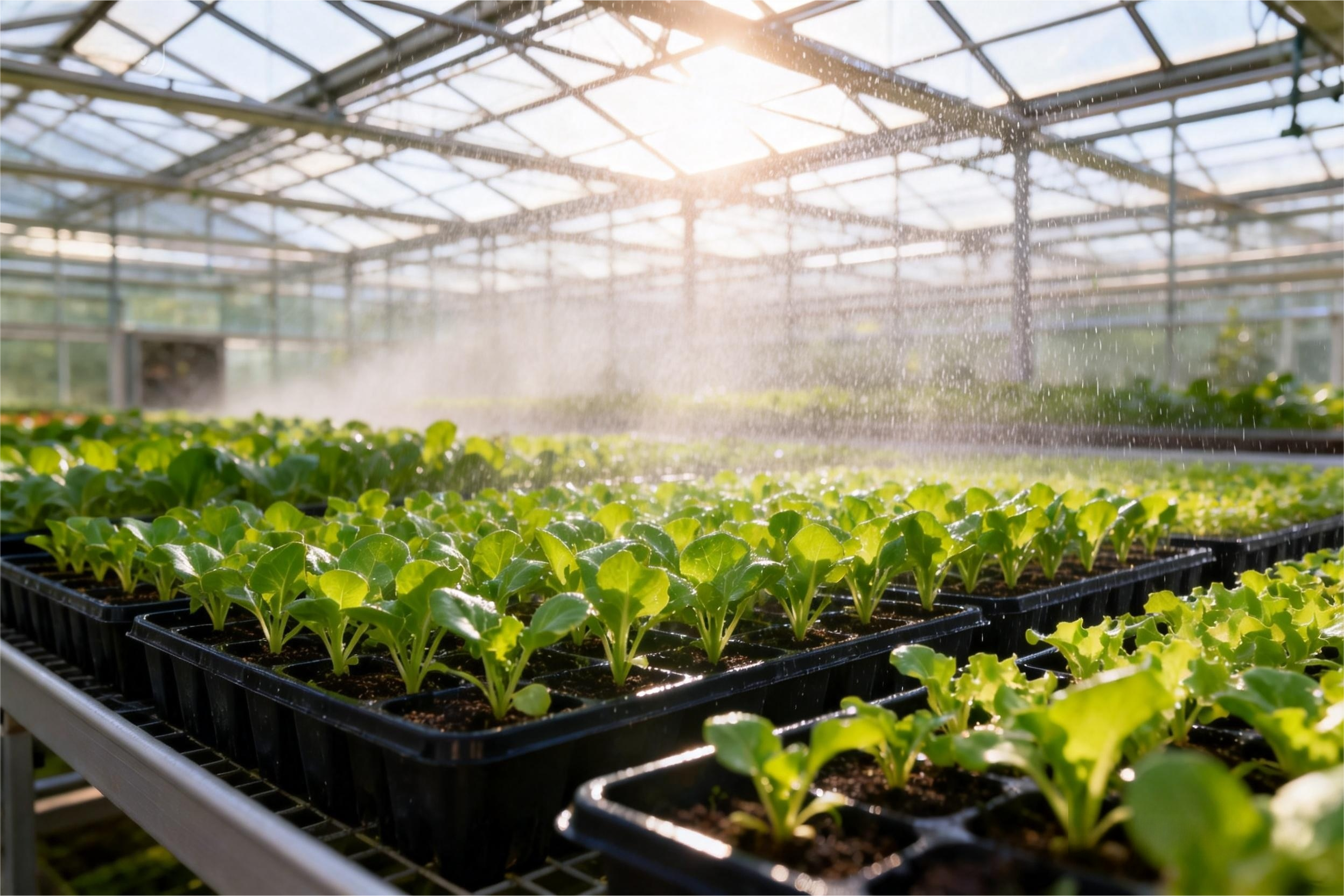
A hydroponic indoor farm represents a revolutionary agricultural system that transforms how we grow crops by eliminating soil dependency and creating controlled growing environments. This innovative farming method utilizes nutrient-rich water solutions to deliver essential minerals directly to plant roots, enabling faster growth rates and higher yields compared to traditional farming methods. The system operates within enclosed structures equipped with advanced climate control technology, LED lighting systems, and automated monitoring equipment that maintains optimal growing conditions year-round. The main functions of a hydroponic indoor farm include precise nutrient delivery through various growing mediums such as rockwool, perlite, or coconut coir, environmental control that regulates temperature, humidity, and air circulation, and sophisticated lighting systems that provide plants with the exact light spectrum needed for photosynthesis. Technological features encompass automated pH and nutrient monitoring systems that continuously adjust water chemistry, smart sensors that track plant health and growth progress, and computerized irrigation systems that deliver water and nutrients at programmed intervals. These farms utilize vertical growing systems to maximize space efficiency, allowing multiple crop layers within a single facility. The hydroponic indoor farm applications span commercial vegetable production, herbs and leafy greens cultivation, research facilities for agricultural studies, and urban farming initiatives that bring fresh produce closer to population centers. Educational institutions implement these systems for teaching sustainable agriculture practices, while restaurants and grocery stores establish on-site growing operations to ensure fresh ingredient supplies. The technology supports year-round production cycles, enabling consistent harvests regardless of external weather conditions or seasonal limitations, making it particularly valuable for regions with harsh climates or limited arable land availability.
 ×
×

 EN
EN