Advanced Inhouse Farming Solutions: Complete Guide to Controlled Environment Agriculture

Get a Free Quote

Our representative will contact you soon.
Email
Name
Company Name
Message
0/1000

inhouse farming

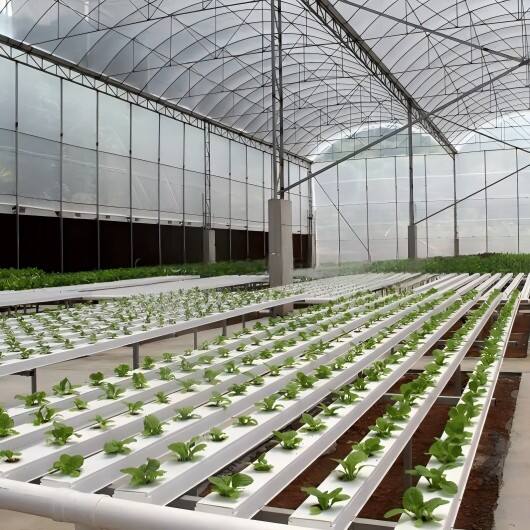
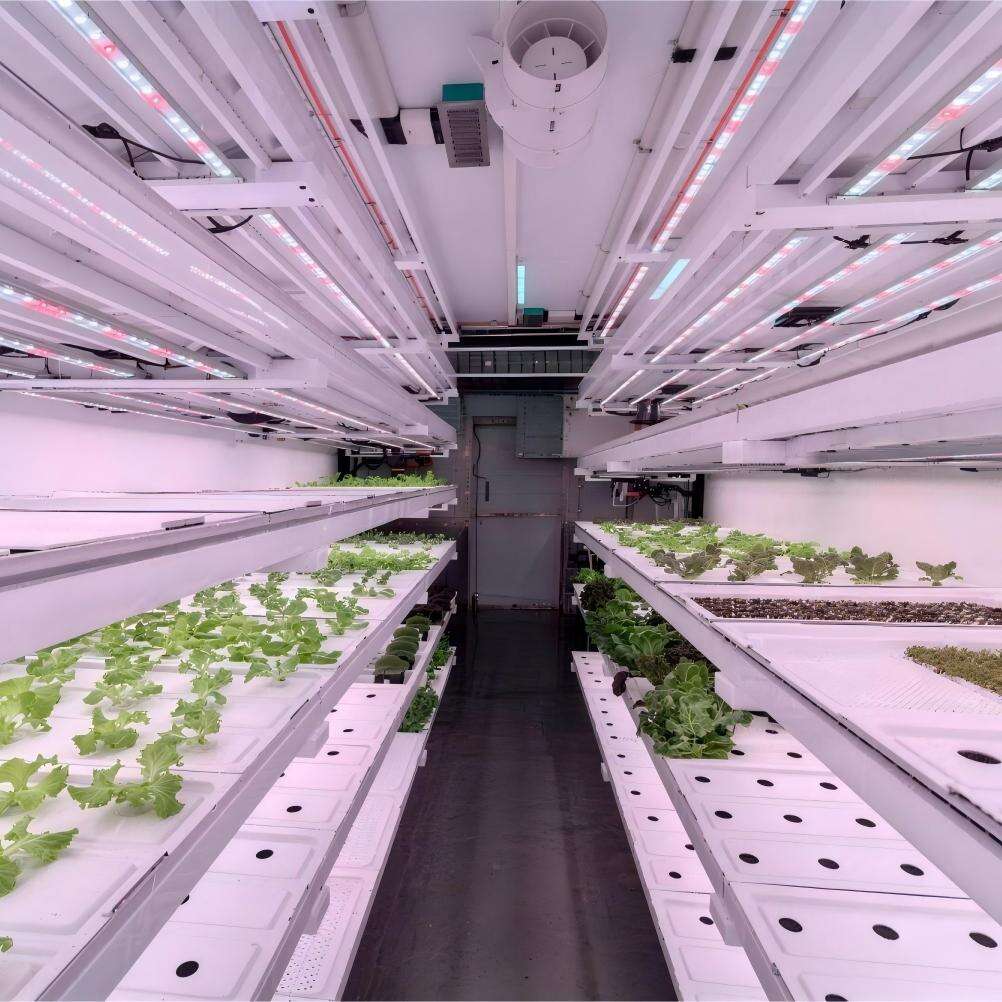
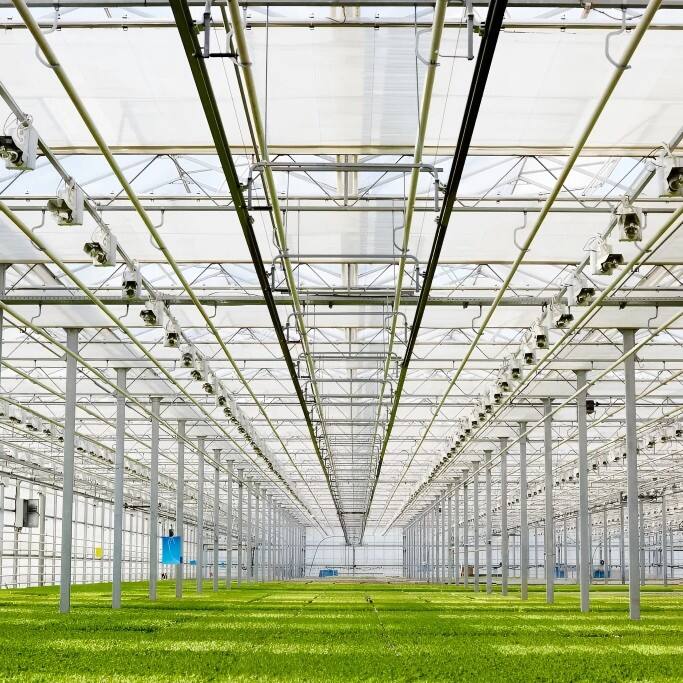
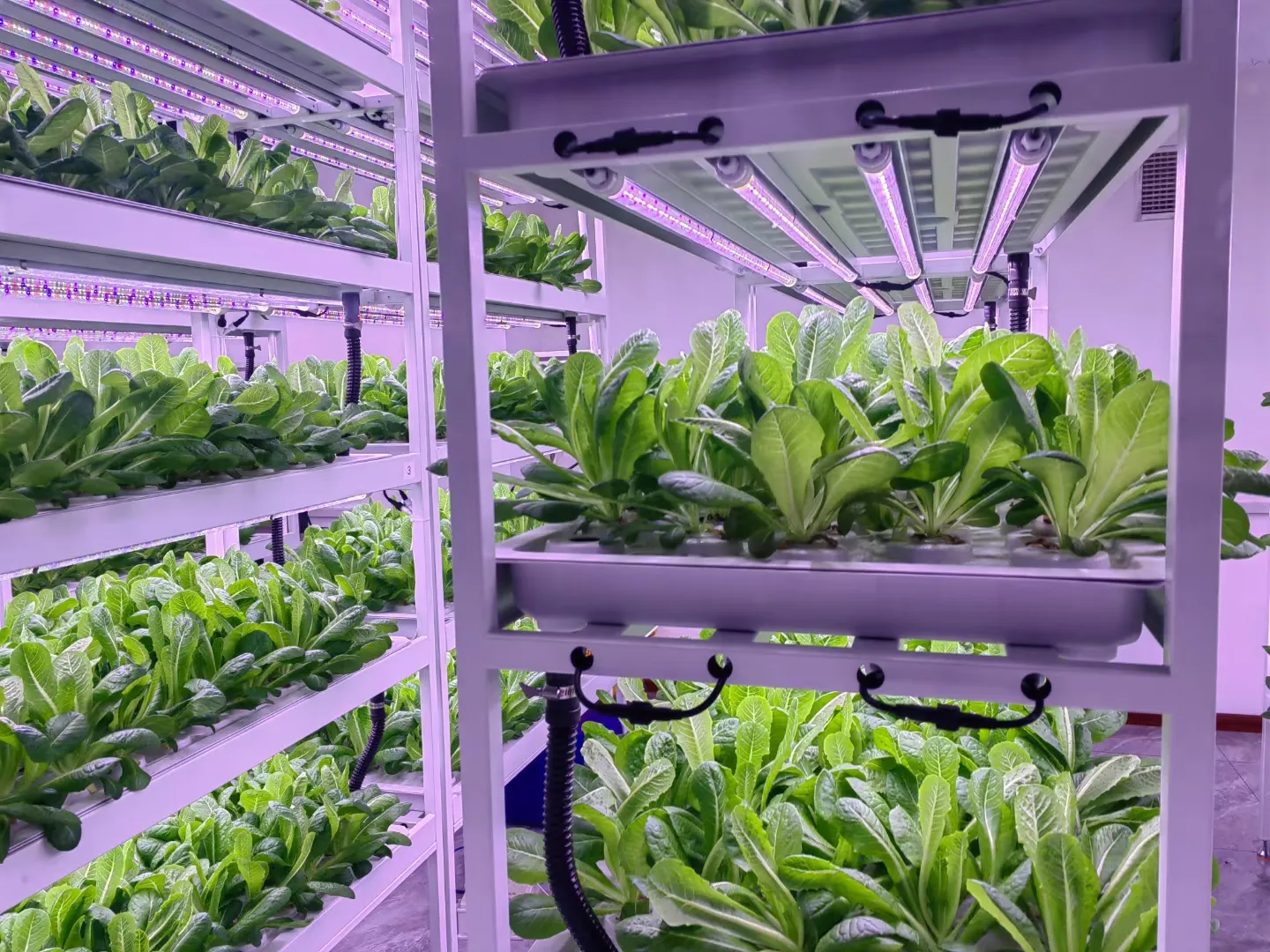
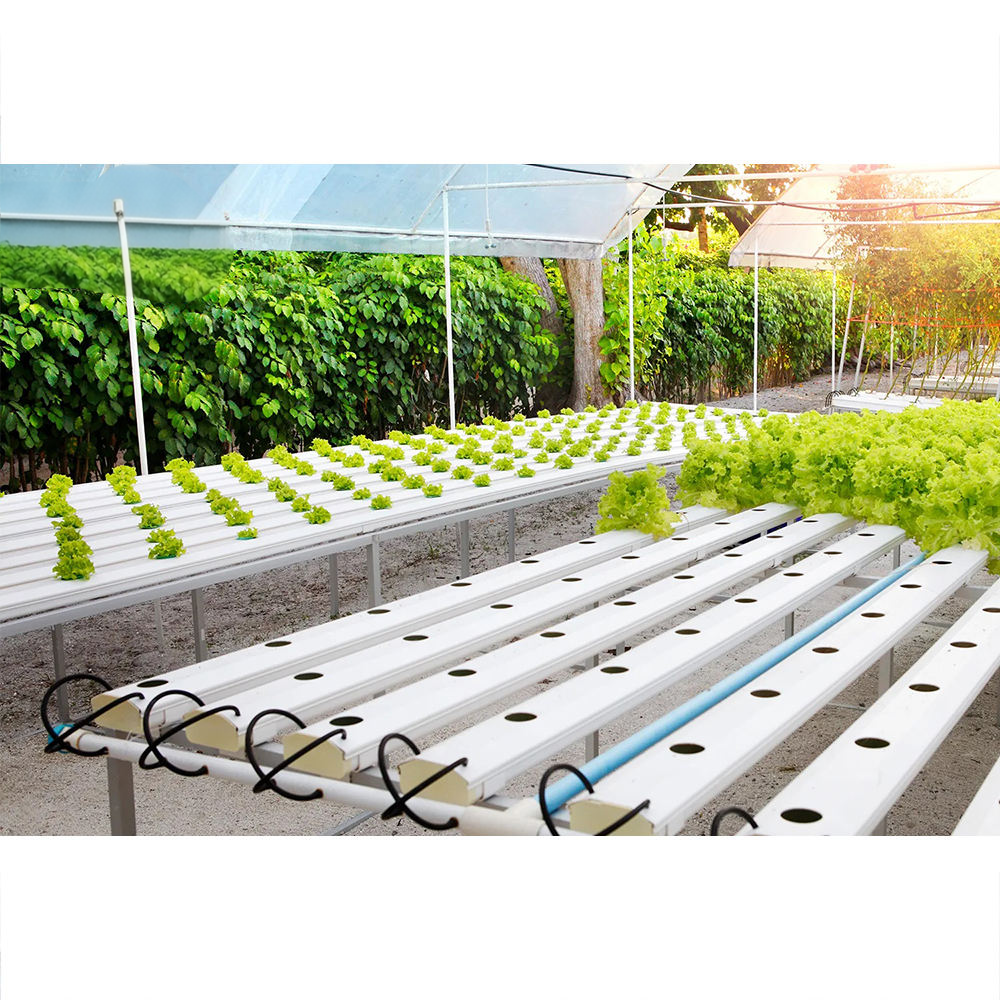
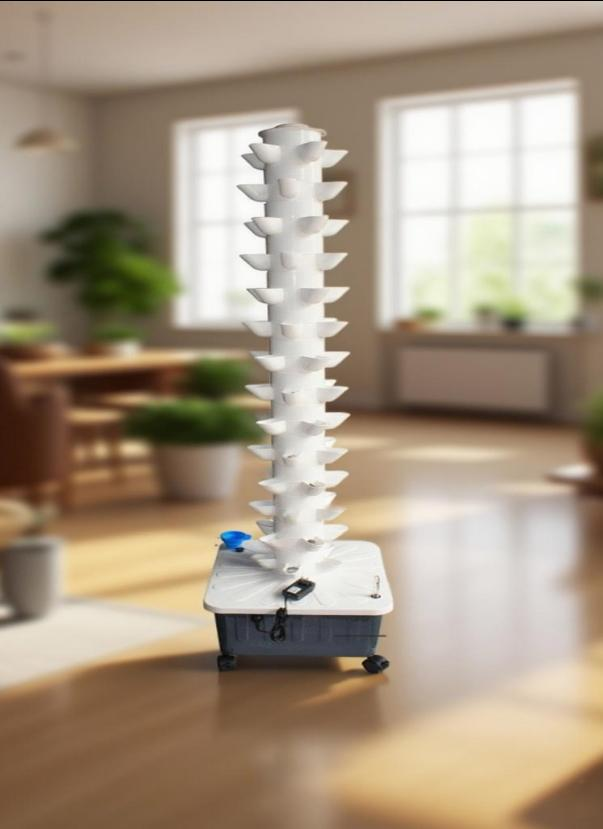
Inhouse farming represents a revolutionary approach to agriculture that transforms traditional farming practices by bringing cultivation indoors under completely controlled environments. This innovative farming methodology utilizes advanced technologies to create optimal growing conditions within enclosed structures, enabling year-round crop production regardless of external weather conditions or seasonal limitations. The core functionality of inhouse farming centers around precise environmental control systems that monitor and regulate temperature, humidity, lighting, air circulation, and nutrient delivery to maximize plant growth and yield. Modern inhouse farming operations employ sophisticated hydroponic, aeroponic, or aquaponic systems that eliminate the need for soil while providing plants with perfectly balanced nutrient solutions. These controlled environment agriculture systems integrate automated irrigation networks, LED lighting arrays specifically designed for plant photosynthesis, climate control mechanisms, and advanced monitoring sensors that continuously track plant health and environmental parameters. The technological features of inhouse farming include programmable lighting systems that can simulate natural sunlight cycles, automated nutrient dosing systems that deliver precise fertilizer mixtures, environmental sensors that maintain optimal growing conditions, and computerized control systems that allow remote monitoring and management of entire operations. Applications of inhouse farming span across multiple sectors including commercial vegetable production, herb cultivation, pharmaceutical crop growing, research facilities, urban agriculture initiatives, and specialty crop production for restaurants and retailers. This farming approach proves particularly valuable in urban environments where traditional agricultural land is scarce, in regions with harsh climates that limit outdoor growing seasons, and for producing premium crops that require specific environmental conditions. The versatility of inhouse farming systems allows for cultivation of leafy greens, herbs, tomatoes, peppers, strawberries, microgreens, and various specialty crops with consistent quality and predictable harvest schedules throughout the year.
New Product Recommendations

Inhouse farming delivers exceptional advantages that revolutionize agricultural production and provide significant benefits for growers, consumers, and the environment. The most compelling advantage lies in complete climate independence, allowing farmers to produce crops consistently regardless of weather conditions, seasonal changes, or geographic location limitations. This controlled environment eliminates crop losses from storms, droughts, floods, or temperature extremes that frequently devastate traditional outdoor farming operations. Water efficiency represents another major benefit, as inhouse farming systems use up to 95 percent less water than conventional agriculture through precise irrigation and water recycling systems that capture and reuse every drop. The elimination of pesticides and herbicides creates healthier produce while reducing environmental contamination and chemical exposure risks for workers and consumers. Year-round production capabilities enable continuous harvesting cycles that can produce multiple crops annually in the same space, dramatically increasing productivity per square foot compared to outdoor farming. Space optimization allows inhouse farming to operate in urban locations, abandoned buildings, or areas with poor soil conditions, bringing fresh produce closer to consumers and reducing transportation costs and carbon emissions. Labor efficiency improves significantly through automation and ergonomic growing systems that reduce physical strain and enable workers to manage larger production areas with less manual effort. Crop quality consistency becomes achievable through controlled environments that eliminate variables affecting taste, appearance, and nutritional content, resulting in premium produce that commands higher market prices. Supply chain reliability strengthens as inhouse farming reduces dependency on weather-related disruptions, transportation delays, and seasonal availability fluctuations that affect traditional agriculture. Food security enhancement occurs through local production capabilities that reduce reliance on distant farms and international imports, creating more resilient food systems for communities. Economic benefits include reduced crop insurance costs, predictable harvest schedules that improve cash flow management, and the ability to grow high-value specialty crops that generate premium revenue streams for farming operations.

Tips And Tricks

Hydroponic Vertical Farming_ Empowering Legal Cultivation Markets Globally

09

Feb

Hydroponic Vertical Farming_ Empowering Legal Cultivation Markets Globally

View More
Planting Containers: Unlocking New Possibilities for Smart Agriculture, Creating Efficient and Movable Planting Spaces

11

Mar

Planting Containers: Unlocking New Possibilities for Smart Agriculture, Creating Efficient and Movable Planting Spaces

View More
Vertical Farming Machines, Greenhouse Cultivation & Hydroponics: Reshaping the Future of Agriculture

09

Feb

Vertical Farming Machines, Greenhouse Cultivation & Hydroponics: Reshaping the Future of Agriculture

View More

Get a Free Quote

Our representative will contact you soon.
Email
Name
Company Name
Message
0/1000

inhouse farming

Complete Environmental Control Technology

Complete Environmental Control Technology

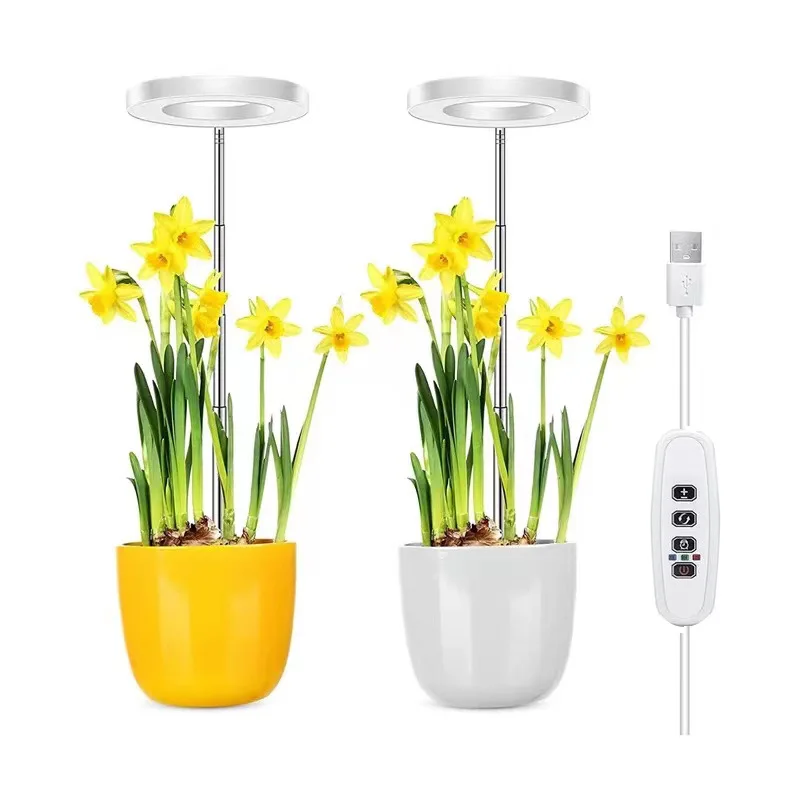
The cornerstone advantage of inhouse farming lies in its sophisticated environmental control technology that creates perfect growing conditions for crops throughout the entire production cycle. This advanced system integrates multiple technological components working in harmony to maintain optimal plant growing environments with precision that surpasses natural outdoor conditions. Temperature regulation systems maintain consistent ranges ideal for specific crops, preventing stress from heat waves or cold snaps that damage outdoor plants and reduce yields. Humidity controls ensure proper moisture levels that prevent fungal diseases while promoting healthy transpiration and nutrient uptake in plants. Advanced LED lighting systems provide full-spectrum illumination tailored to different growth stages, delivering consistent light intensity and duration regardless of external weather or seasonal daylight variations. Air circulation systems create gentle airflow patterns that strengthen plant stems, prevent stagnant air pockets, and ensure even distribution of carbon dioxide for photosynthesis. Automated nutrient delivery systems precisely control fertilizer concentrations and pH levels, providing plants with perfect nutrition at exactly the right times for optimal growth and development. These environmental controls eliminate the guesswork and variables associated with traditional farming, allowing growers to replicate successful growing conditions repeatedly with predictable results. The technology enables fine-tuning of environmental parameters for different crop varieties, growth stages, and production goals, maximizing both yield and quality. Remote monitoring capabilities allow farmers to track and adjust conditions from anywhere using smartphone apps or computer interfaces, providing unprecedented control over farming operations. This level of environmental precision results in faster growth rates, higher yields per square foot, and superior crop quality compared to outdoor farming methods, making inhouse farming an attractive investment for serious agricultural operations.
Sustainable Resource Management

Sustainable Resource Management

Inhouse farming excels in sustainable resource management through innovative systems that maximize efficiency while minimizing environmental impact and operational costs. Water conservation stands as a primary sustainability benefit, with closed-loop irrigation systems that recycle and reuse water multiple times before requiring replacement. These systems capture runoff water, filter out excess nutrients, and redistribute the cleaned water back to plants, achieving water usage rates that are dramatically lower than traditional agriculture. Nutrient management systems prevent fertilizer runoff that typically contaminates groundwater and waterways in conventional farming, instead containing and recycling all nutrients within the growing system. Energy efficiency improvements come through LED lighting technology that consumes significantly less electricity than older lighting systems while producing less heat, reducing cooling costs and energy consumption. Space utilization optimization allows vertical growing arrangements that produce exponentially more crops per square foot than horizontal field farming, making efficient use of valuable urban real estate and reducing land pressure on natural ecosystems. Waste reduction occurs through precise resource application that eliminates overuse of water, nutrients, and energy while producing minimal organic waste that can be composted or recycled. Carbon footprint reduction results from local production that eliminates long-distance transportation of produce, reduces packaging requirements, and minimizes food spoilage during shipping and storage. Soil conservation benefits arise from soilless growing methods that prevent erosion, soil depletion, and contamination issues associated with traditional agriculture. Biodiversity protection occurs through contained growing environments that do not require clearing natural habitats or disrupting existing ecosystems. These sustainable practices create farming operations that operate in harmony with environmental goals while maintaining profitable production levels, appealing to environmentally conscious consumers and meeting increasingly strict environmental regulations for agricultural businesses.
Superior Crop Quality and Consistency

Superior Crop Quality and Consistency

Inhouse farming delivers exceptional crop quality and consistency that surpasses traditional outdoor growing methods through controlled environments that eliminate variables affecting plant development and final product characteristics. The absence of weather-related stress factors such as temperature fluctuations, wind damage, hail, or drought conditions allows plants to develop optimally without defensive responses that can compromise taste, texture, and nutritional content. Controlled lighting ensures plants receive consistent photosynthetic energy throughout their growth cycle, promoting even development and preventing the uneven ripening or quality variations common in field-grown crops. Precise nutrient management delivers exactly the right minerals and fertilizers at optimal concentrations and timing, resulting in crops with superior flavor profiles, enhanced nutritional density, and appealing visual characteristics that command premium prices in markets. Protection from pests and diseases eliminates the need for chemical treatments while preventing damage that reduces crop quality and market value. Harvesting at peak ripeness becomes possible since crops are not subject to weather pressures or transportation timing constraints that force premature harvesting in traditional agriculture. Post-harvest quality maintenance improves through immediate processing or packaging in clean, controlled environments that preserve freshness and extend shelf life. Consistency across harvests enables reliable supply relationships with restaurants, retailers, and food processors who depend on predictable quality standards for their operations. Traceability systems inherent in controlled growing environments provide detailed records of growing conditions, inputs, and handling procedures that meet food safety requirements and consumer demands for transparency. Customization capabilities allow growers to adjust growing conditions to enhance specific qualities such as flavor intensity, color, size, or nutritional content to meet particular market demands or customer preferences. This level of quality control and consistency creates competitive advantages that justify premium pricing and build strong customer relationships based on reliable delivery of superior produce that meets exact specifications time after time.

Get a Free Quote

Our representative will contact you soon.
Email
Name
Company Name
Message
0/1000