Indoor Vertical Hydroponic Systems - Revolutionary Space-Efficient Growing Technology

Get a Free Quote

Our representative will contact you soon.
Email
Name
Company Name
Message
0/1000

indoor vertical hydroponic

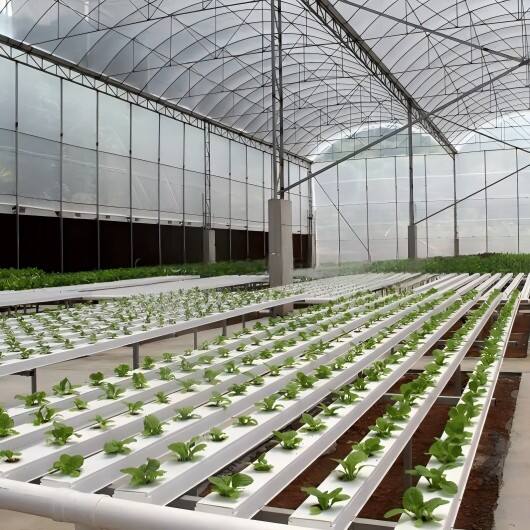
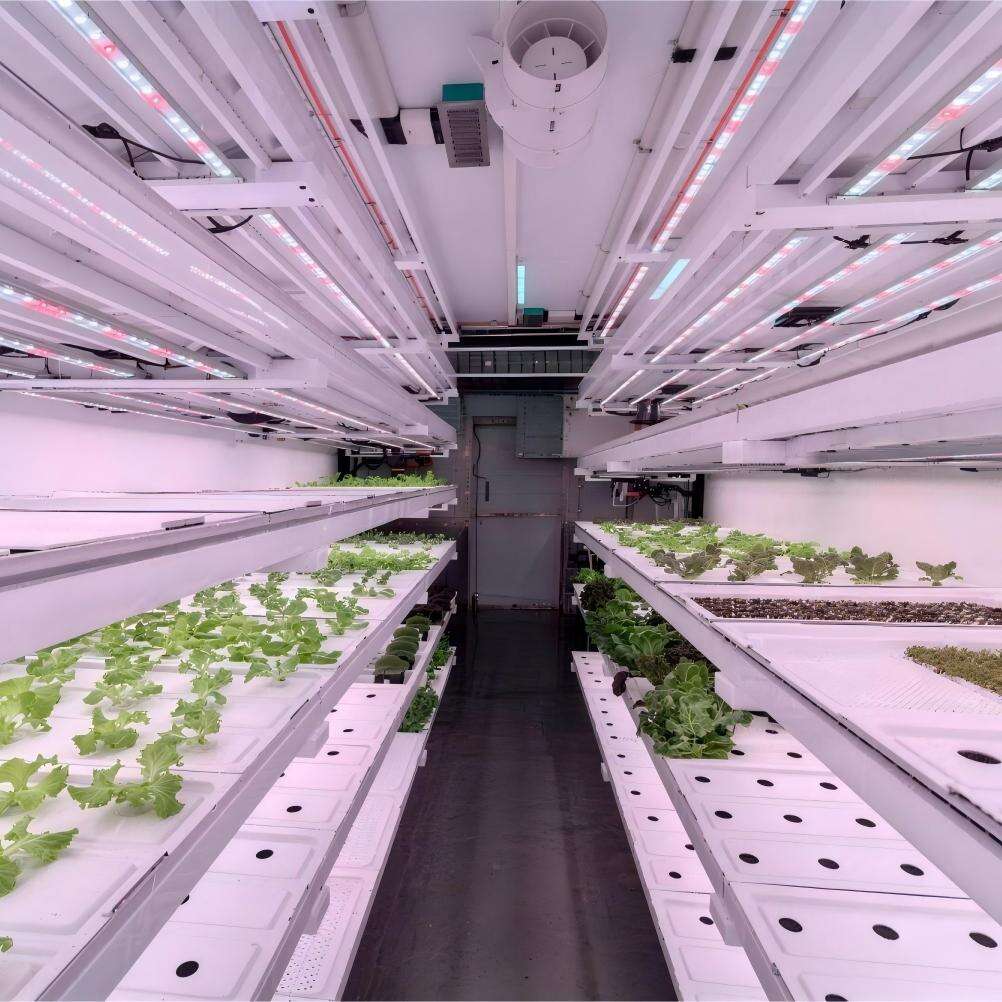
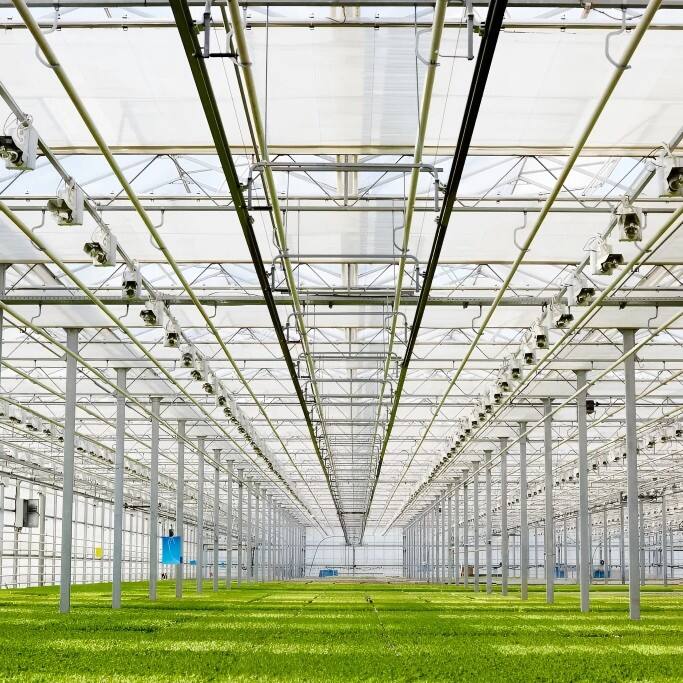
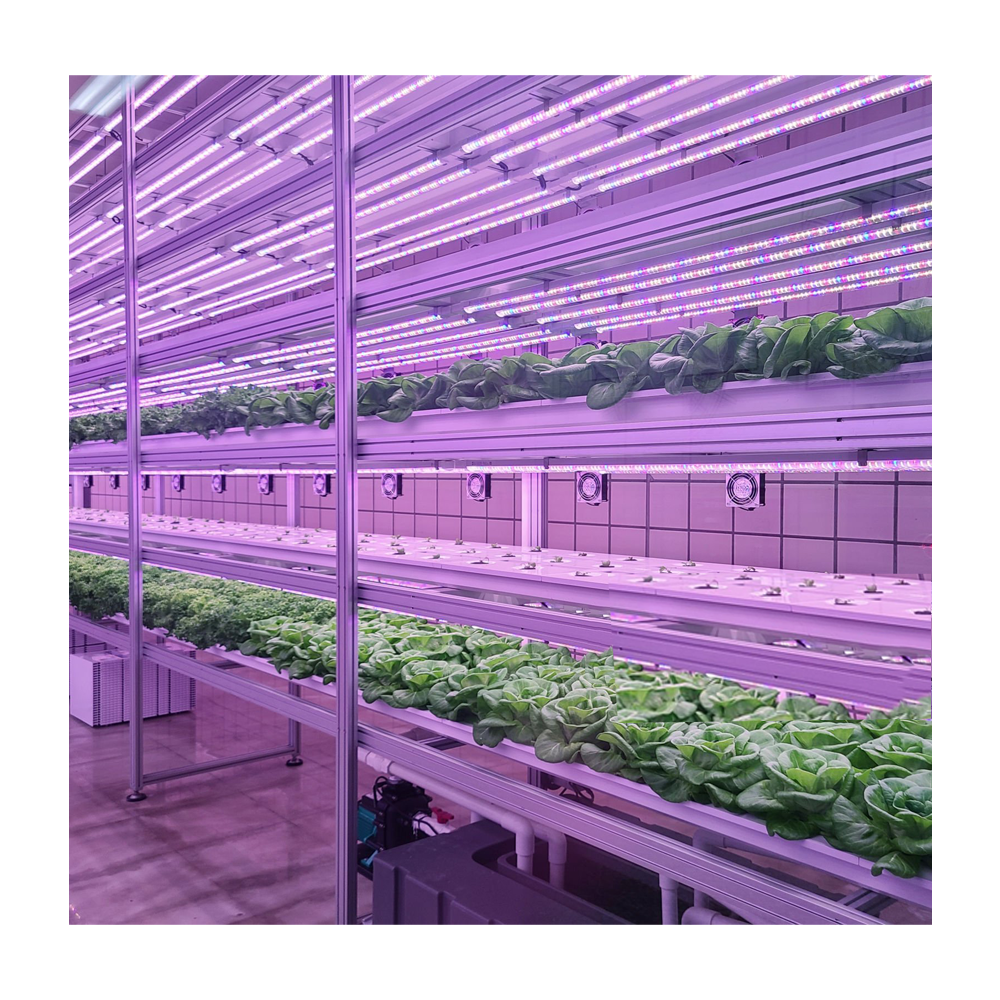
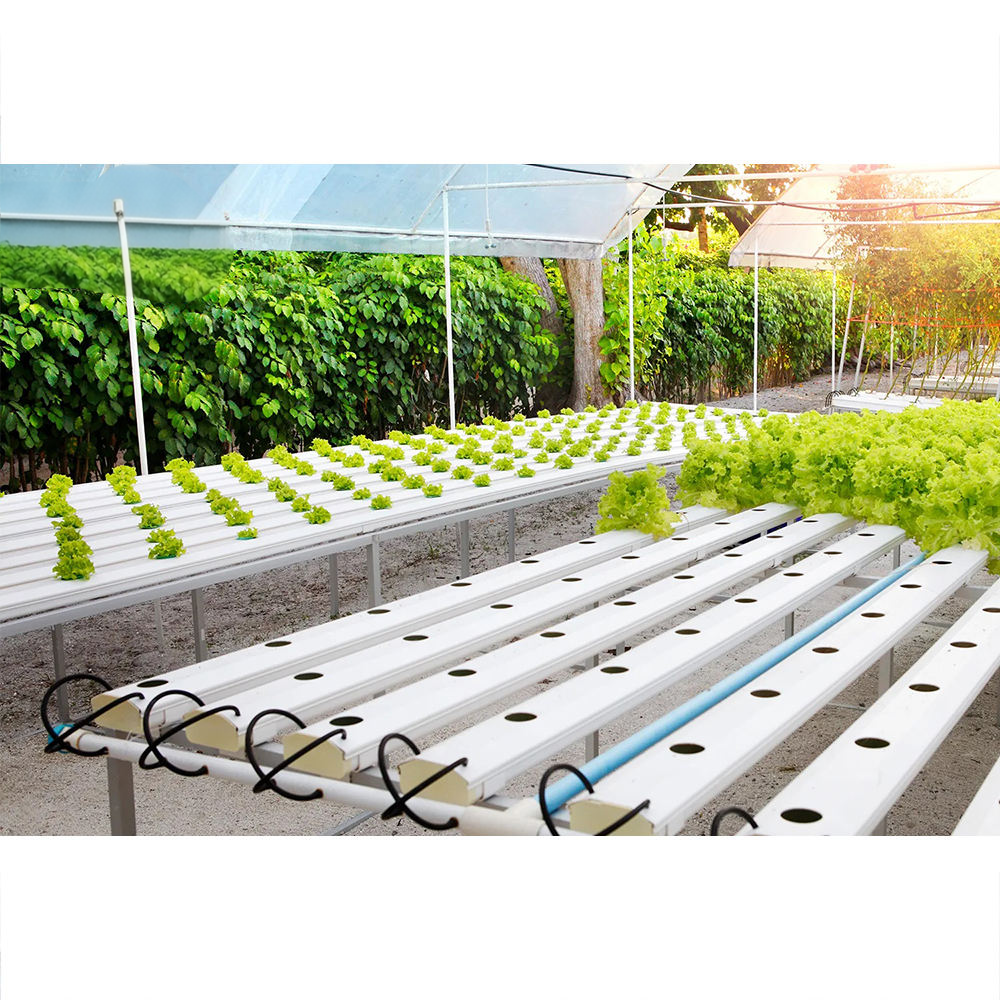
Indoor vertical hydroponic systems represent a revolutionary approach to modern agriculture that transforms traditional farming methods through innovative space utilization and advanced growing technologies. These sophisticated systems enable plants to grow without soil by utilizing nutrient-rich water solutions delivered directly to plant roots through carefully engineered growing mediums. The vertical design maximizes production capacity by stacking multiple growing levels within limited floor space, making these systems particularly valuable for urban environments and controlled agricultural facilities. The main functions of indoor vertical hydroponic systems include automated nutrient delivery, precise environmental control, water circulation management, and optimized lighting distribution. These systems integrate multiple technological components working in harmony to create ideal growing conditions regardless of external weather patterns or seasonal limitations. The core technological features encompass LED lighting arrays specifically calibrated for photosynthesis, automated irrigation networks with programmable timers, climate control mechanisms maintaining optimal temperature and humidity levels, and monitoring sensors that track plant health indicators in real-time. Advanced systems incorporate smart technology allowing remote monitoring and control through mobile applications or computer interfaces. Applications for indoor vertical hydroponic systems span commercial agriculture, residential gardening, educational institutions, research facilities, and urban farming initiatives. Commercial growers utilize these systems to produce leafy greens, herbs, microgreens, and various vegetables year-round with consistent quality and yield. Educational institutions employ them for teaching sustainable agriculture principles and conducting botanical research. Urban farmers leverage vertical hydroponic systems to establish profitable growing operations in cities where traditional farmland is unavailable or prohibitively expensive. The technology supports both small-scale home gardening enthusiasts seeking fresh produce and large-scale commercial operations requiring efficient, high-volume production capabilities.

New Product Recommendations

Indoor vertical hydroponic systems offer numerous compelling advantages that make them superior to conventional farming methods for many growing scenarios. These systems dramatically increase space efficiency by utilizing vertical growing areas that can produce up to ten times more crops per square foot compared to traditional horizontal farming methods. This space optimization proves especially valuable in urban areas where real estate costs remain high and available growing space stays limited. Water conservation represents another significant benefit, as indoor vertical hydroponic systems use approximately 90 percent less water than soil-based agriculture through recirculating nutrient solutions and preventing water loss through evaporation or ground absorption. The controlled environment eliminates weather-related crop failures and enables year-round production regardless of seasonal changes or climate conditions. Farmers can harvest crops multiple times annually, significantly increasing overall productivity and revenue potential. These systems eliminate the need for pesticides and herbicides since controlled environments prevent pest infestations and weed growth, resulting in cleaner, healthier produce that appeals to health-conscious consumers. Faster plant growth rates occur because roots receive direct access to perfectly balanced nutrients, optimal lighting conditions, and ideal growing temperatures, reducing harvest times by 25-50 percent compared to traditional methods. Indoor vertical hydroponic systems provide precise control over growing conditions, allowing farmers to optimize plant nutrition, lighting schedules, temperature ranges, and humidity levels for maximum yield and quality. This control enables consistent crop production with predictable harvest dates, helping businesses meet market demands reliably. The systems reduce labor requirements through automation features that handle watering, nutrient delivery, and environmental monitoring tasks, freeing workers to focus on higher-value activities like crop management and harvesting. Transportation costs decrease when production occurs closer to consumption areas, reducing carbon footprints while ensuring fresher products reach consumers. Additionally, these systems enable cultivation of crops in locations previously unsuitable for agriculture, expanding food production possibilities in desert regions, urban centers, or areas with poor soil quality.

Tips And Tricks

Hydroponic Vertical Farming_ Empowering Legal Cultivation Markets Globally

09

Feb

Hydroponic Vertical Farming_ Empowering Legal Cultivation Markets Globally

View More
Planting Containers: Unlocking New Possibilities for Smart Agriculture, Creating Efficient and Movable Planting Spaces

11

Mar

Planting Containers: Unlocking New Possibilities for Smart Agriculture, Creating Efficient and Movable Planting Spaces

View More
Vertical Farming Machines, Greenhouse Cultivation & Hydroponics: Reshaping the Future of Agriculture

09

Feb

Vertical Farming Machines, Greenhouse Cultivation & Hydroponics: Reshaping the Future of Agriculture

View More

Get a Free Quote

Our representative will contact you soon.
Email
Name
Company Name
Message
0/1000

indoor vertical hydroponic

Revolutionary Space Optimization Technology

Revolutionary Space Optimization Technology

The space optimization capabilities of indoor vertical hydroponic systems fundamentally transform agricultural productivity by maximizing growing potential within minimal footprints. Traditional farming requires extensive horizontal acreage, but vertical hydroponic systems stack multiple growing layers vertically, creating farming towers that utilize every inch of available space efficiently. This vertical approach enables producers to cultivate significantly more plants in the same floor area, with some systems achieving production densities exceeding 400 plants per square meter. The innovative tower designs incorporate multiple growing channels, shelving systems, or rotating cylinders that provide each plant with adequate growing space while maintaining optimal plant spacing for healthy development. Advanced engineering ensures proper air circulation between growing levels, preventing humidity buildup and maintaining ideal atmospheric conditions throughout the entire vertical structure. Each growing level receives precisely calibrated LED lighting systems positioned at optimal distances to ensure uniform light distribution across all plants. The modular design of many indoor vertical hydroponic systems allows for easy expansion by adding additional towers or levels as production needs grow, providing scalable solutions for businesses of all sizes. This space efficiency proves particularly valuable for urban agriculture initiatives where expensive real estate costs make traditional farming economically unfeasible. Commercial producers can establish profitable growing operations in warehouses, basements, or repurposed buildings that would otherwise remain unused. The compact nature of these systems also makes them suitable for residential applications, enabling homeowners to grow substantial quantities of fresh produce in spare rooms, garages, or basement spaces. Restaurant owners can install indoor vertical hydroponic systems on-site to grow fresh herbs and vegetables, ensuring peak freshness while reducing supply chain dependencies. The space optimization technology enables consistent production volumes regardless of external factors, providing reliable crop yields that support steady business revenue streams throughout the year.
Advanced Environmental Control Systems

Advanced Environmental Control Systems

Indoor vertical hydroponic systems incorporate sophisticated environmental control technologies that create perfect growing conditions while eliminating the unpredictability associated with outdoor farming. These comprehensive control systems monitor and adjust temperature, humidity, air circulation, carbon dioxide levels, and lighting parameters continuously to maintain optimal plant growth environments. Smart sensors throughout the growing area collect real-time data on environmental conditions, automatically triggering adjustments when parameters drift outside predetermined ranges. Temperature control systems maintain precise growing temperatures between 65-75 degrees Fahrenheit, the ideal range for most leafy greens and herbs, using efficient heating and cooling components that respond quickly to environmental changes. Humidity management systems prevent moisture-related plant diseases while ensuring adequate atmospheric moisture for healthy plant transpiration and nutrient uptake. Advanced air circulation systems create gentle airflow patterns that strengthen plant stems, prevent stagnant air pockets, and distribute carbon dioxide evenly throughout the growing area. LED lighting arrays provide full-spectrum illumination tailored to specific plant requirements, with programmable photoperiods that simulate natural daylight cycles or optimize growing schedules for faster production. These lighting systems consume significantly less energy than traditional grow lights while producing minimal heat, reducing cooling costs and preventing temperature fluctuations that stress plants. Carbon dioxide enrichment systems boost plant growth rates by maintaining CO2 levels at 1000-1500 parts per million, significantly higher than ambient atmospheric levels, resulting in faster photosynthesis and increased yields. The environmental control systems integrate with mobile applications and computer software, allowing growers to monitor conditions remotely and receive alerts when attention is required. Historical data logging capabilities enable analysis of growing conditions over time, helping optimize environmental parameters for specific crops and growing stages. These precise controls eliminate crop losses due to weather events, seasonal variations, or climatic extremes, ensuring consistent production schedules and reliable harvest dates that support stable business operations and customer commitments.
Automated Nutrient Delivery and Water Management

Automated Nutrient Delivery and Water Management

The automated nutrient delivery and water management systems in indoor vertical hydroponic setups represent cutting-edge agricultural technology that eliminates guesswork while optimizing plant nutrition and water usage. These sophisticated systems precisely control nutrient concentrations, pH levels, and water delivery schedules to ensure plants receive exactly the right nutrition at the right time for maximum growth and yield. Automated mixing stations blend concentrated nutrient solutions with water to create perfectly balanced growing solutions containing all essential macronutrients and micronutrients required for healthy plant development. Digital pH controllers continuously monitor and adjust solution acidity levels to maintain optimal pH ranges between 5.5-6.5, ensuring maximum nutrient availability and absorption by plant roots. Electrical conductivity meters measure dissolved nutrient concentrations, automatically adjusting solution strength to match plant growth stages and specific crop requirements. Programmable irrigation timers deliver precise amounts of nutrient solution at optimal intervals, preventing both under-watering and over-watering that can damage plant roots or reduce yields. Recirculating water systems capture and filter unused nutrient solution, dramatically reducing water consumption while maintaining consistent nutrient availability throughout the growing cycle. Advanced filtration components remove plant debris and maintain solution cleanliness, preventing bacterial growth and ensuring optimal root health. Water level sensors automatically trigger refilling systems when reservoir levels drop below predetermined thresholds, maintaining consistent water availability without manual intervention. The automated systems track nutrient consumption patterns and solution usage rates, providing valuable data for optimizing growing protocols and reducing operational costs. Emergency backup systems ensure continuous operation during power outages or equipment failures, protecting valuable crops from irrigation interruptions. Remote monitoring capabilities allow growers to check system status, adjust parameters, and receive maintenance alerts through smartphone applications or web interfaces. These automated features significantly reduce labor requirements while improving crop consistency and quality, enabling growers to focus on harvesting, marketing, and business development activities rather than daily maintenance tasks. The precision of automated nutrient delivery results in healthier plants, higher yields, and more predictable growing cycles that support efficient business planning and customer satisfaction.

Get a Free Quote

Our representative will contact you soon.
Email
Name
Company Name
Message
0/1000