Interior Farming Solutions: Advanced Indoor Agriculture Technology for Sustainable Year-Round Crop Production

Get a Free Quote

Our representative will contact you soon.
Email
Name
Company Name
Message
0/1000

interior farming

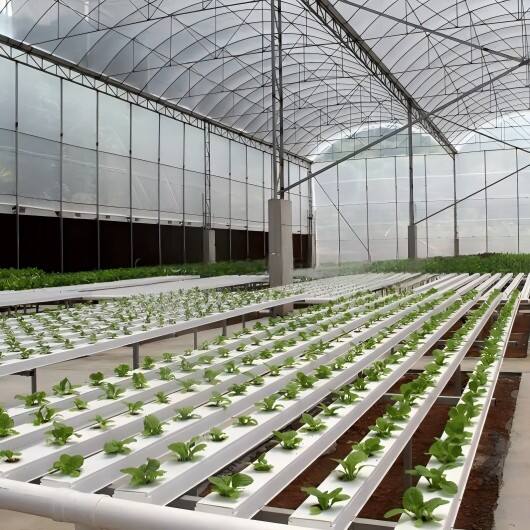
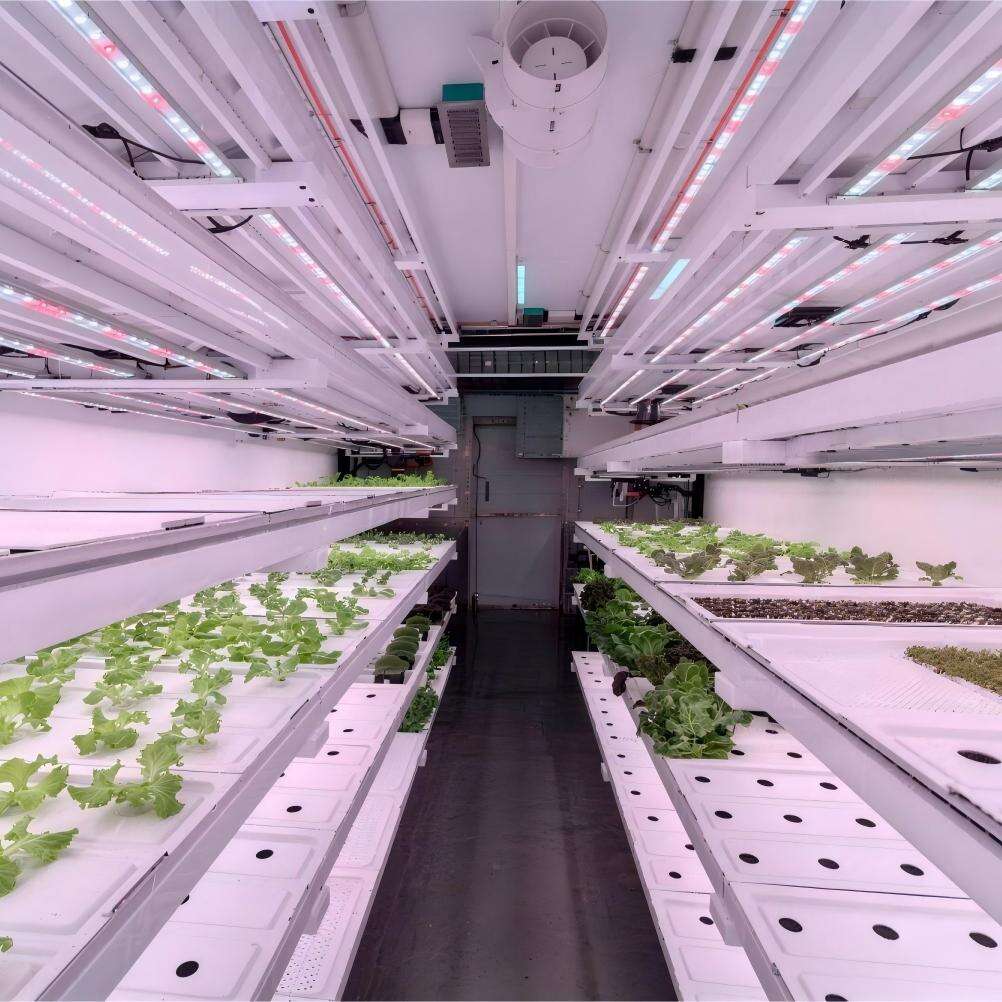
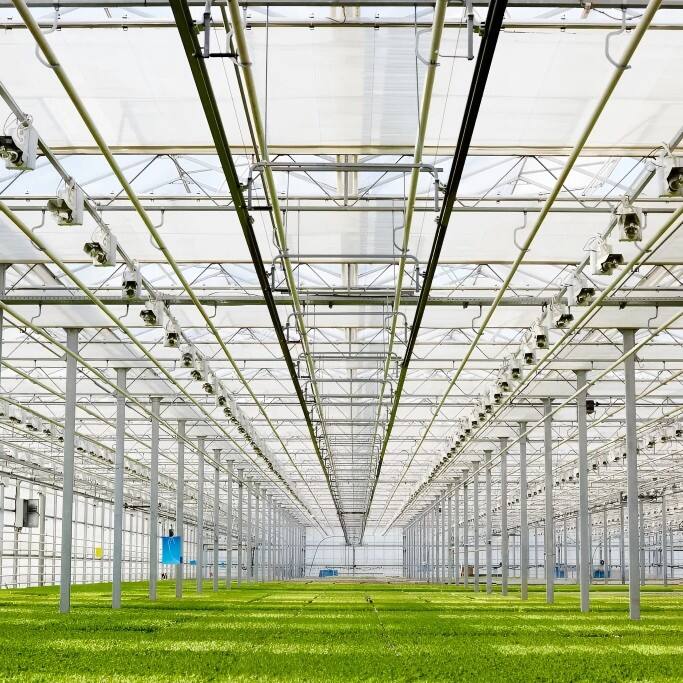
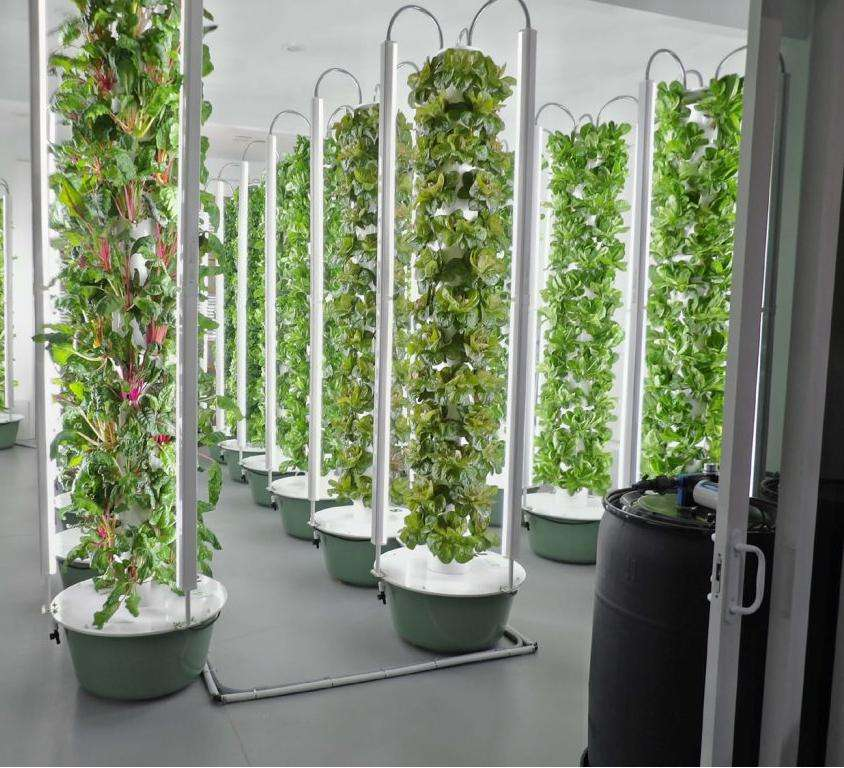
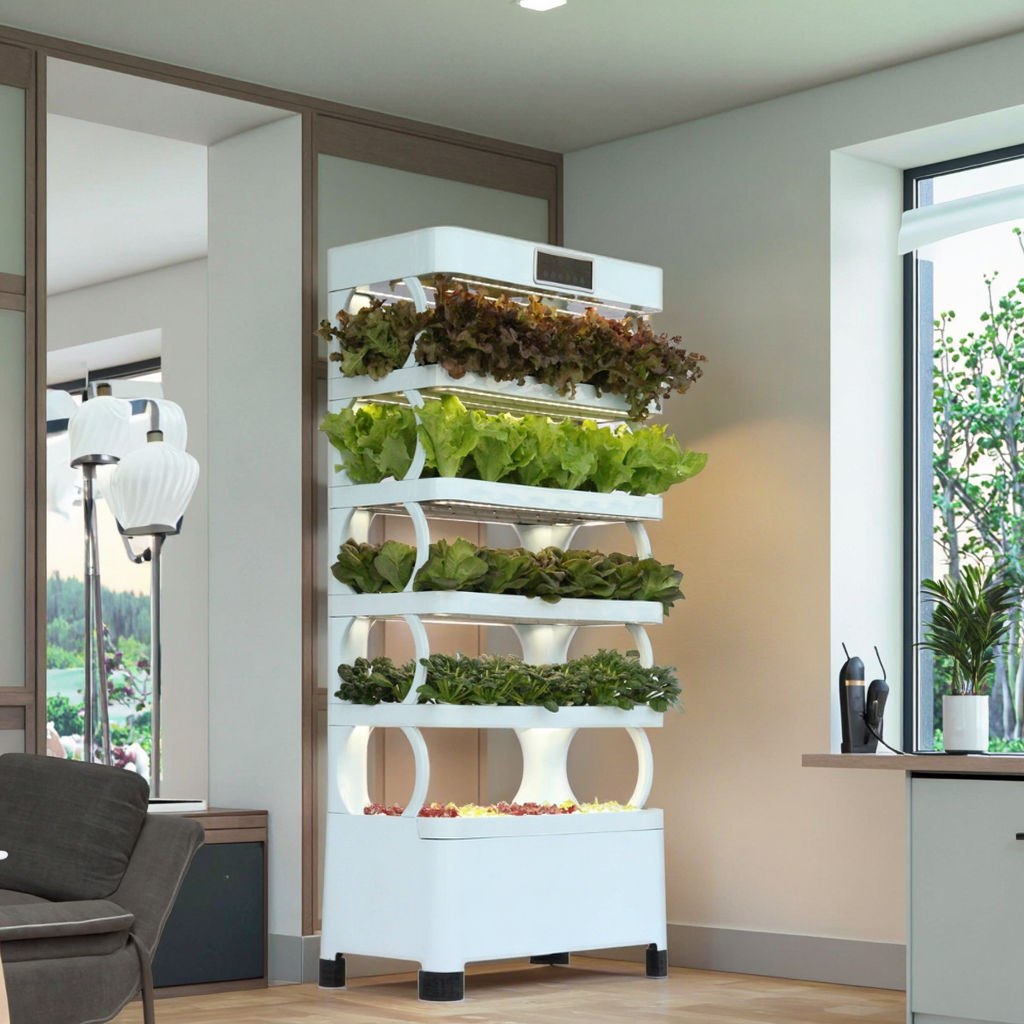
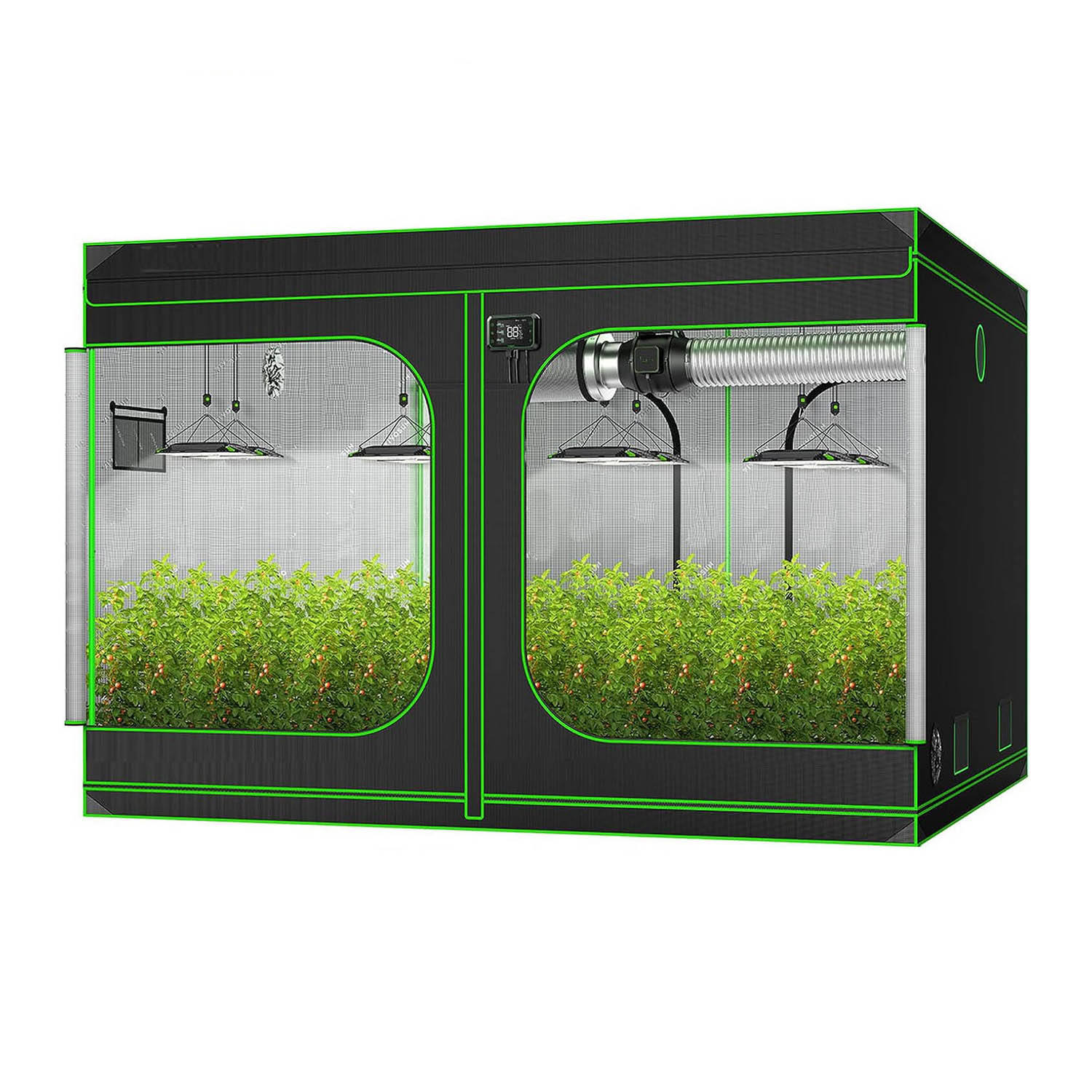
Interior farming represents a revolutionary approach to agriculture that transforms controlled indoor environments into productive growing spaces. This innovative cultivation method utilizes advanced technology to create optimal growing conditions within buildings, warehouses, shipping containers, or specially designed facilities. Interior farming systems integrate sophisticated climate control mechanisms, artificial lighting solutions, and automated nutrient delivery systems to maximize crop yields while minimizing resource consumption. The main functions of interior farming encompass year-round crop production, precise environmental control, and sustainable resource management. These systems maintain consistent temperature, humidity, and air circulation levels while delivering customized lighting spectrums that optimize photosynthesis for different plant varieties. The technological features include LED grow lights with programmable spectrums, hydroponic or aeroponic growing systems, automated irrigation networks, and comprehensive monitoring sensors that track environmental parameters in real-time. Interior farming applications span multiple sectors including commercial vegetable production, herb cultivation, microgreen farming, pharmaceutical plant cultivation, and research facilities. Urban environments particularly benefit from interior farming installations, as they enable fresh produce cultivation in areas with limited arable land or adverse climate conditions. The versatility of interior farming extends to educational institutions, restaurants seeking fresh ingredients, and residential applications for home gardeners. Modern interior farming systems incorporate artificial intelligence and machine learning algorithms to optimize growing protocols and predict optimal harvest timing. These facilities can produce leafy greens, herbs, strawberries, tomatoes, and various specialty crops with significantly higher yields per square foot compared to traditional outdoor farming. The controlled environment eliminates weather-related risks, reduces pest infestations, and ensures consistent quality standards throughout the production cycle.
New Products

Interior farming delivers substantial benefits that address critical challenges facing modern agriculture and food production systems. The controlled environment eliminates dependence on weather conditions, enabling consistent harvests regardless of seasonal variations, droughts, or extreme weather events. This reliability ensures stable food supplies and predictable revenue streams for commercial growers. Interior farming systems use up to 95 percent less water than conventional agriculture through precise nutrient delivery and water recycling mechanisms. The closed-loop systems capture and reuse water, making them ideal for regions facing water scarcity or strict conservation regulations. These facilities produce significantly higher yields per square foot, often achieving 10 to 20 times greater productivity than traditional field farming. The vertical growing capabilities maximize space utilization, making interior farming economically viable even in expensive urban real estate markets. Pesticide-free production represents another major advantage, as the controlled environment naturally prevents pest infestations and eliminates the need for chemical treatments. This results in cleaner, safer produce that meets organic standards and appeals to health-conscious consumers. Interior farming enables year-round production cycles, allowing growers to harvest crops multiple times annually and respond quickly to market demands. The proximity to urban consumers reduces transportation costs and carbon footprints while ensuring maximum freshness and nutritional value. Quality control reaches unprecedented levels in interior farming environments, where every aspect of plant growth can be monitored and adjusted in real-time. This precision results in consistent product quality, uniform appearance, and optimal nutritional profiles that command premium prices in the marketplace. Labor efficiency improves dramatically through automation and ergonomic design, reducing physical strain on workers and minimizing labor costs. The controlled environment also extends the growing season indefinitely, eliminating seasonal unemployment and creating stable employment opportunities. Interior farming facilities can be established virtually anywhere, bringing fresh produce production to food deserts and remote locations where traditional agriculture is impractical or impossible.

Tips And Tricks

Hydroponic Vertical Farming_ Empowering Legal Cultivation Markets Globally

09

Feb

Hydroponic Vertical Farming_ Empowering Legal Cultivation Markets Globally

View More
Planting Containers: Unlocking New Possibilities for Smart Agriculture, Creating Efficient and Movable Planting Spaces

11

Mar

Planting Containers: Unlocking New Possibilities for Smart Agriculture, Creating Efficient and Movable Planting Spaces

View More
Vertical Farming Machines, Greenhouse Cultivation & Hydroponics: Reshaping the Future of Agriculture

09

Feb

Vertical Farming Machines, Greenhouse Cultivation & Hydroponics: Reshaping the Future of Agriculture

View More

Get a Free Quote

Our representative will contact you soon.
Email
Name
Company Name
Message
0/1000

interior farming

Advanced Climate Control Technology

Advanced Climate Control Technology

Interior farming systems incorporate sophisticated climate control technology that creates perfect growing conditions for optimal plant development and maximum yield potential. These advanced systems maintain precise temperature ranges, typically between 65-75 degrees Fahrenheit, while regulating humidity levels between 50-70 percent to prevent mold growth and ensure healthy plant transpiration. The climate control technology includes multi-zone heating and cooling systems that can create different microclimates within a single facility, accommodating various crop requirements simultaneously. Air circulation systems provide consistent airflow patterns that strengthen plant stems while preventing stagnant air pockets that could harbor pathogens. Carbon dioxide supplementation systems enrich the growing environment, boosting photosynthesis rates by up to 30 percent compared to ambient conditions. The integration of smart sensors throughout the facility continuously monitors environmental parameters, automatically adjusting conditions to maintain optimal growing environments. These sensors track temperature fluctuations, humidity variations, air quality metrics, and CO2 concentrations, providing real-time data that enables immediate corrections when conditions deviate from preset parameters. The climate control technology also includes backup systems and redundancy measures that ensure continuous operation even during equipment failures or power outages. Emergency generators, backup cooling systems, and fail-safe protocols protect valuable crops from environmental stress that could result in significant losses. The precision of these systems enables growers to replicate ideal growing conditions consistently, eliminating the variability associated with outdoor farming and ensuring predictable harvests. This technological sophistication allows interior farming operations to achieve remarkable consistency in crop quality, timing, and yield, making them highly attractive to commercial buyers who require reliable supplies of premium produce throughout the year.
Sustainable Resource Management

Sustainable Resource Management

Interior farming excels in sustainable resource management through innovative systems that optimize water usage, energy consumption, and nutrient cycling while minimizing environmental impact. These facilities employ closed-loop hydroponic and aeroponic systems that deliver precise amounts of water and nutrients directly to plant roots, eliminating waste and runoff that characterizes traditional farming methods. The recirculating systems capture and filter used water, removing plant waste while retaining valuable nutrients for reuse in subsequent growing cycles. This approach reduces water consumption by up to 95 percent compared to conventional agriculture, making interior farming an environmentally responsible choice for water-conscious communities and regions facing drought conditions. Energy efficiency represents another cornerstone of sustainable resource management in interior farming facilities. Modern LED lighting systems consume significantly less electricity than traditional grow lights while providing customizable light spectrums that optimize photosynthesis for different crops and growth stages. Smart energy management systems automatically adjust lighting schedules based on plant needs and electricity pricing, reducing operational costs while minimizing carbon footprints. Many interior farming facilities incorporate renewable energy sources such as solar panels and wind generators to further reduce their environmental impact and achieve carbon-neutral operations. Nutrient management systems in interior farming facilities eliminate fertilizer runoff that pollutes waterways and contributes to environmental degradation. The precise delivery of nutrients ensures plants receive exactly what they need for optimal growth while preventing excess chemicals from entering surrounding ecosystems. Organic waste generated by interior farming operations can be composted and recycled back into the growing system, creating truly circular resource cycles that minimize external inputs and waste outputs. These sustainable practices not only reduce environmental impact but also lower operational costs, making interior farming economically viable while supporting environmental stewardship goals that resonate with eco-conscious consumers and investors.
Year-Round Production Capability

Year-Round Production Capability

Interior farming delivers unmatched year-round production capability that revolutionizes how fresh produce reaches consumers while providing consistent revenue streams for growers regardless of external conditions. This continuous production capacity eliminates the seasonal limitations that constrain traditional agriculture, enabling harvests every few weeks throughout the entire year. The controlled environment protects crops from weather-related disruptions such as frost, hail, drought, or excessive rainfall that can devastate outdoor farming operations and create supply shortages in the marketplace. Interior farming facilities maintain optimal growing conditions 365 days per year, ensuring consistent plant development and predictable harvest schedules that allow growers to plan production cycles and fulfill long-term contracts with buyers. The ability to produce fresh vegetables, herbs, and fruits continuously throughout all seasons creates significant competitive advantages in markets where consumers demand fresh, locally-grown produce year-round. This production reliability enables interior farming operations to establish stable relationships with restaurants, grocery stores, and institutional buyers who require consistent supplies of high-quality produce for their operations. The year-round capability also allows growers to respond quickly to market demands and price fluctuations, adjusting production schedules to maximize profitability during peak demand periods. Multiple growing cycles per year significantly increase the return on investment for interior farming facilities, as the same growing space can produce several harvests annually compared to the single growing season typical of outdoor agriculture. This increased productivity translates directly into higher revenues and improved profit margins that justify the initial investment in interior farming infrastructure. The continuous production model also creates stable employment opportunities for workers, eliminating the seasonal unemployment that affects many agricultural communities. Year-round operations require consistent staffing levels for planting, monitoring, harvesting, and packaging activities, providing reliable income sources for employees while building skilled workforces in interior farming technologies and techniques that support the growing industry.

Get a Free Quote

Our representative will contact you soon.
Email
Name
Company Name
Message
0/1000