Indoor Farming Crops: Revolutionary Controlled Environment Agriculture Solutions

Get a Free Quote

Our representative will contact you soon.
Email
Name
Company Name
Message
0/1000

indoor farming crops

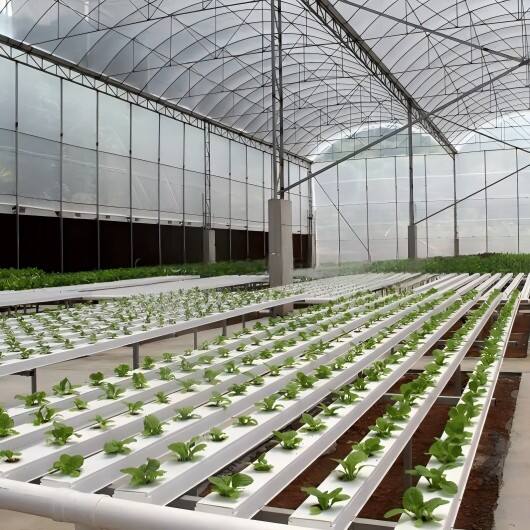
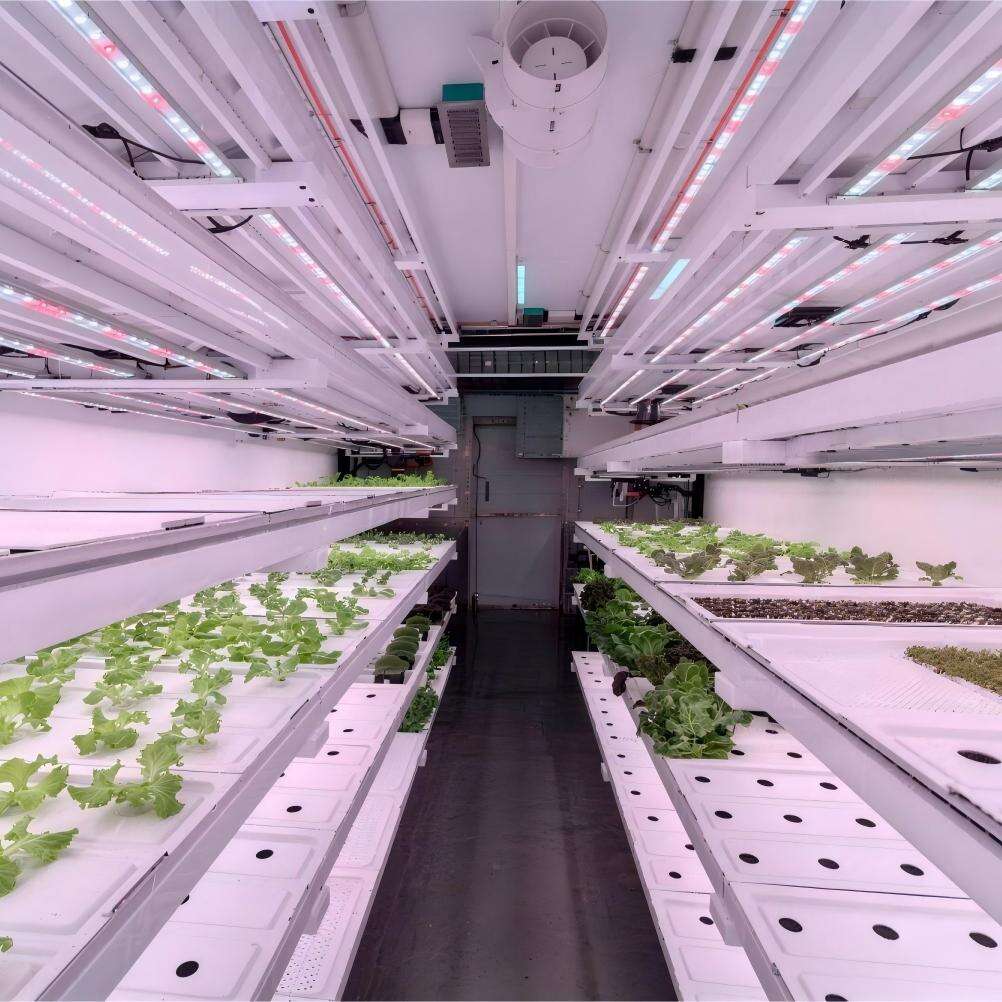
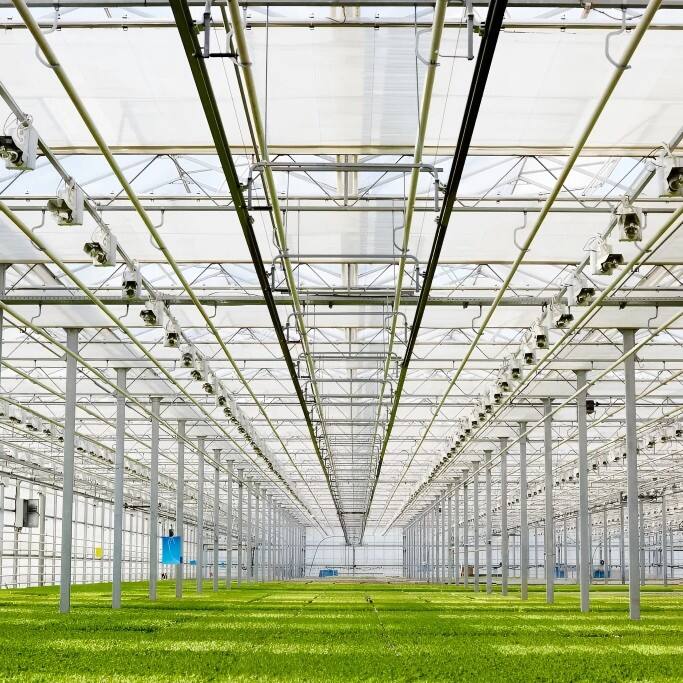
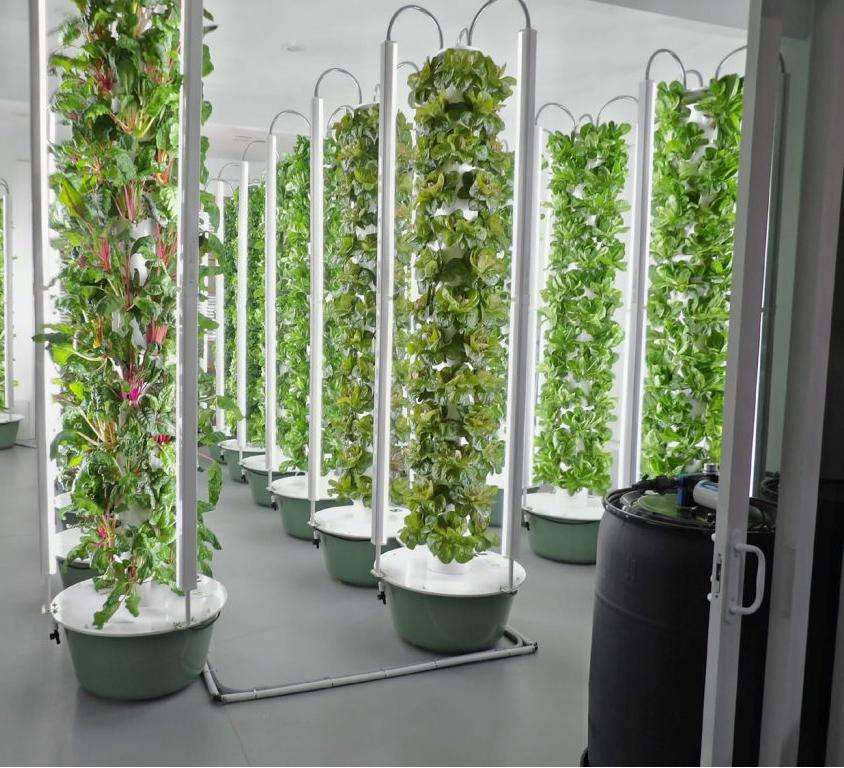
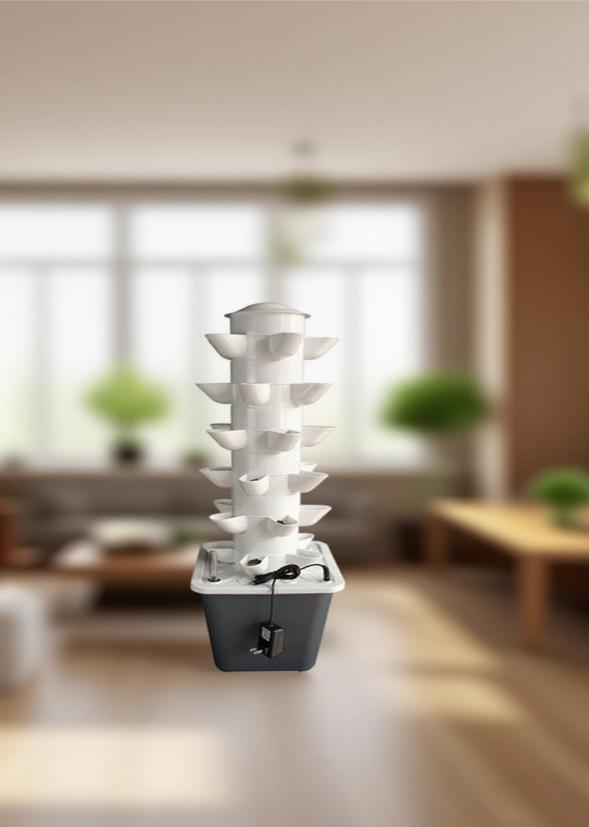
Indoor farming crops represent a revolutionary approach to agriculture that transforms how we cultivate food in controlled environments. These specialized crops are grown within enclosed structures such as greenhouses, vertical farms, warehouses, and hydroponic facilities, where environmental conditions are meticulously managed to optimize plant growth. The main function of indoor farming crops is to provide consistent, high-quality produce year-round while maximizing yield per square foot of growing space. This method eliminates dependency on weather patterns, seasonal limitations, and geographical constraints that traditionally affect agricultural production. Technological features of indoor farming crops include advanced LED lighting systems that deliver precise light spectrums tailored to specific growth stages, automated irrigation and nutrient delivery systems, climate control mechanisms that regulate temperature and humidity, and sophisticated monitoring sensors that track plant health in real-time. These systems work together to create optimal growing conditions that can be replicated consistently across different locations and seasons. The applications of indoor farming crops span multiple sectors including commercial agriculture, urban food production, research facilities, educational institutions, and residential growing systems. Major crops successfully grown indoors include leafy greens like lettuce, spinach, and kale, herbs such as basil, cilantro, and mint, microgreens, strawberries, tomatoes, peppers, and cucumbers. Indoor farming crops are particularly valuable in urban environments where land is scarce and expensive, in regions with harsh climates that limit traditional farming, and in areas where soil quality is poor or contaminated. The technology enables precise control over growing conditions, resulting in faster growth cycles, higher nutritional content, and consistent quality that meets consumer demands for fresh, locally-grown produce throughout the year.
Popular Products

Indoor farming crops offer numerous practical advantages that make them increasingly attractive to growers, investors, and consumers alike. Water efficiency stands as one of the most significant benefits, as indoor farming crops typically use 95% less water than traditional field agriculture through recirculating hydroponic and aeroponic systems that capture and reuse water continuously. This dramatic reduction in water consumption addresses growing concerns about water scarcity while maintaining high production levels. Year-round production capability eliminates seasonal limitations, allowing indoor farming crops to generate consistent harvests regardless of external weather conditions, frost, drought, or storms that can devastate outdoor crops. This reliability creates stable supply chains and predictable revenue streams for growers. Space optimization represents another major advantage, as indoor farming crops can produce significantly more food per square foot through vertical growing systems that stack plants in multiple layers, making it possible to achieve yields up to 390 times higher than traditional farming methods. Urban locations become viable growing sites, reducing transportation costs and delivery times while providing fresh produce directly to population centers. Pesticide-free production eliminates the need for harmful chemicals since controlled environments prevent pest infestations naturally, resulting in cleaner, safer crops that appeal to health-conscious consumers. Indoor farming crops also offer superior quality control, with consistent size, color, taste, and nutritional content that meets exact specifications. The controlled environment prevents contamination from soil-borne pathogens, weather-related damage, and pollution, ensuring food safety standards exceed those of field-grown alternatives. Energy efficiency improvements through LED technology and automated systems reduce operational costs while maintaining optimal growing conditions. Labor efficiency increases through automation and ergonomic design that reduces physical strain on workers while improving productivity. Market proximity allows indoor farming crops to reach consumers within hours of harvest, maximizing freshness and nutritional value while reducing spoilage and waste throughout the supply chain.

Practical Tips

Hydroponic Vertical Farming_ Empowering Legal Cultivation Markets Globally

09

Feb

Hydroponic Vertical Farming_ Empowering Legal Cultivation Markets Globally

View More
Planting Containers: Unlocking New Possibilities for Smart Agriculture, Creating Efficient and Movable Planting Spaces

11

Mar

Planting Containers: Unlocking New Possibilities for Smart Agriculture, Creating Efficient and Movable Planting Spaces

View More
Vertical Farming Machines, Greenhouse Cultivation & Hydroponics: Reshaping the Future of Agriculture

09

Feb

Vertical Farming Machines, Greenhouse Cultivation & Hydroponics: Reshaping the Future of Agriculture

View More

Get a Free Quote

Our representative will contact you soon.
Email
Name
Company Name
Message
0/1000

indoor farming crops

Advanced Climate Control Technology Maximizes Crop Quality

Advanced Climate Control Technology Maximizes Crop Quality

The sophisticated climate control technology used in indoor farming crops creates unprecedented precision in environmental management, delivering exceptional crop quality that surpasses traditional farming methods. This advanced system integrates multiple components including temperature regulation, humidity control, air circulation, and atmospheric composition monitoring to maintain optimal growing conditions 24 hours a day, seven days a week. Temperature control systems maintain precise ranges specific to each crop variety and growth stage, typically within one degree accuracy, preventing stress that can reduce yields or compromise quality. Humidity management prevents fungal diseases and pest problems while optimizing plant transpiration rates for maximum nutrient uptake. Air circulation systems ensure consistent carbon dioxide distribution and prevent stagnant air pockets that can harbor pathogens or create uneven growing conditions. The technology continuously monitors and adjusts these parameters automatically, responding to plant needs faster than any human operator could manage. This level of control eliminates weather-related crop losses, seasonal quality variations, and unpredictable growing conditions that plague outdoor agriculture. Indoor farming crops benefit from consistent day and night cycles through programmable lighting systems that can extend or shorten photoperiods as needed for optimal flowering and fruiting. The result is crops with superior texture, flavor, color, and nutritional density that command premium prices in the marketplace. Growers can guarantee specific characteristics such as sugar content in tomatoes, vitamin levels in leafy greens, or essential oil concentrations in herbs. This consistency allows indoor farming crops to meet exact specifications for restaurant chains, food processors, and retailers who demand uniform quality. The technology also enables rapid variety switching, allowing growers to respond quickly to market demands or seasonal preferences without waiting for planting seasons. Quality control extends to post-harvest handling, as crops can be processed immediately in clean, controlled environments that preserve freshness and extend shelf life significantly compared to field-grown alternatives.
Water Conservation Through Precision Nutrient Delivery Systems

Water Conservation Through Precision Nutrient Delivery Systems

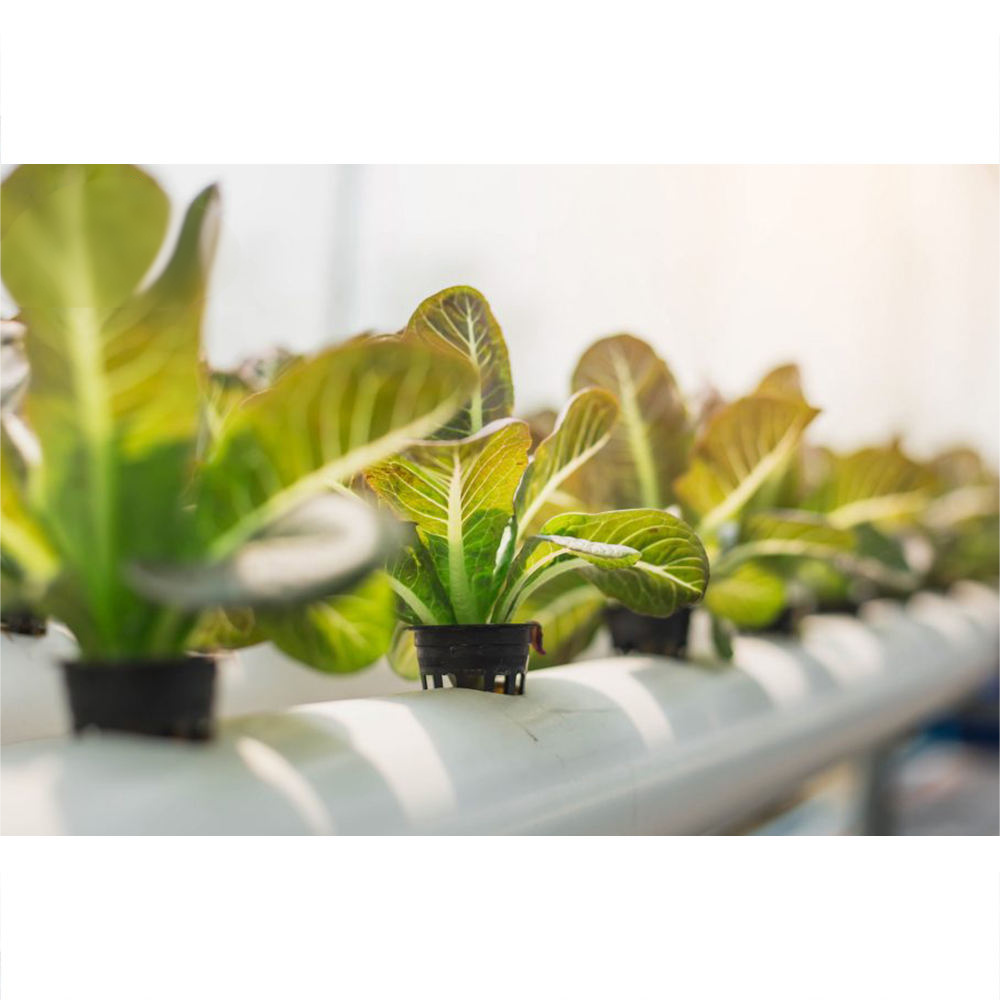
Indoor farming crops utilize revolutionary precision nutrient delivery systems that achieve remarkable water conservation while optimizing plant nutrition for maximum growth and quality. These sophisticated hydroponic and aeroponic systems recirculate water continuously, capturing and reusing every drop while maintaining perfect nutrient balance for optimal plant health. The closed-loop design prevents water waste through runoff, evaporation, or soil absorption that characterizes traditional farming, making indoor farming crops incredibly resource-efficient. Advanced sensors monitor nutrient concentrations, pH levels, and electrical conductivity in real-time, automatically adjusting feed solutions to maintain ideal growing conditions for each specific crop variety. This precision eliminates nutrient waste while ensuring plants receive exactly what they need for maximum growth rates and nutritional content. The systems can deliver customized nutrient profiles for different growth stages, switching from vegetative growth formulations to flowering and fruiting blends seamlessly. Root zone targeting delivers nutrients directly where plants can absorb them most efficiently, eliminating competition from weeds and reducing overall nutrient requirements. Water quality monitoring ensures optimal conditions while filtration systems remove impurities that could harm plant health or reduce yields. The dramatic water savings achieved by indoor farming crops address critical environmental concerns while reducing operational costs significantly. In drought-prone regions, this technology enables continued food production when traditional farming becomes impossible. The precision delivery systems also prevent nutrient runoff that can contaminate groundwater or cause environmental damage in surrounding areas. Automated scheduling ensures consistent feeding intervals that maintain steady growth rates without over-watering or under-feeding. The result is indoor farming crops that grow faster, larger, and with higher nutritional density than their field-grown counterparts while using minimal water resources. This efficiency makes indoor farming economically viable in areas with high water costs or limited water availability, expanding agricultural possibilities into previously unsuitable locations.
Maximized Space Utilization Through Vertical Growing Systems

Maximized Space Utilization Through Vertical Growing Systems

Indoor farming crops revolutionize space utilization through innovative vertical growing systems that maximize production capacity within minimal footprint requirements, making agriculture possible in locations previously considered unsuitable for farming. These multi-tiered growing structures stack plants vertically in carefully designed frameworks that optimize light penetration, air circulation, and access for maintenance while dramatically increasing growing density per square foot of floor space. The vertical approach allows indoor farming crops to achieve production levels that would require acres of traditional farmland within the confines of a single building or warehouse. Each tier receives precisely controlled lighting, irrigation, and environmental conditions tailored to the specific crops being grown, ensuring uniform quality and growth rates across all levels. The systems incorporate automated conveyance mechanisms that move plants through different growth zones as they mature, optimizing space usage while reducing labor requirements. Modular design allows growers to configure layouts specifically for their crop mix and production goals, with the flexibility to reconfigure systems as market demands change. The compact growing environment reduces transportation costs and delivery times by bringing production closer to urban consumers, often within the same city or neighborhood. This proximity enables harvest-to-table delivery within hours rather than days or weeks required for field-grown produce. Indoor farming crops grown in vertical systems maintain consistent quality regardless of external weather conditions, seasonal changes, or geographical limitations that affect traditional farming. The controlled environment prevents pest problems, disease outbreaks, and contamination issues that can devastate outdoor crops, ensuring reliable harvests year-round. Energy efficiency improvements through LED lighting positioned at optimal distances from plants maximize photosynthetic activity while minimizing heat generation and power consumption. The vertical approach also enables precise inventory management and harvest scheduling, allowing growers to meet specific delivery requirements and reduce waste through just-in-time production. Labor efficiency increases through ergonomic design that brings growing surfaces to comfortable working heights, reducing physical strain while improving productivity and worker satisfaction in indoor farming operations.

Get a Free Quote

Our representative will contact you soon.
Email
Name
Company Name
Message
0/1000