indoor agriculture
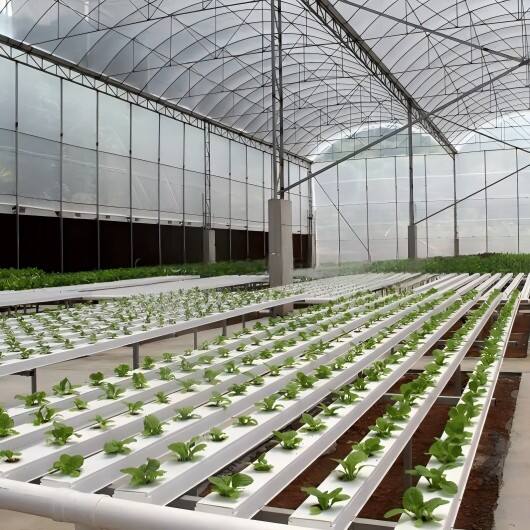
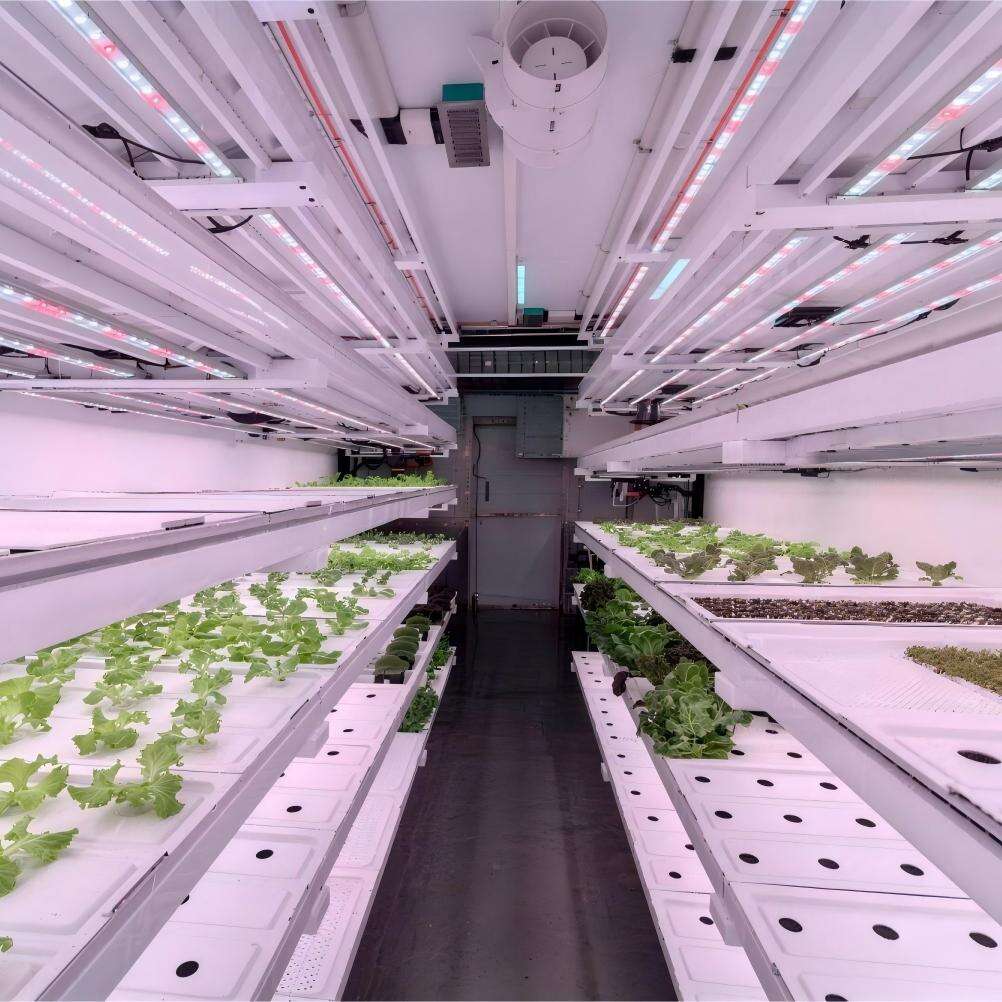
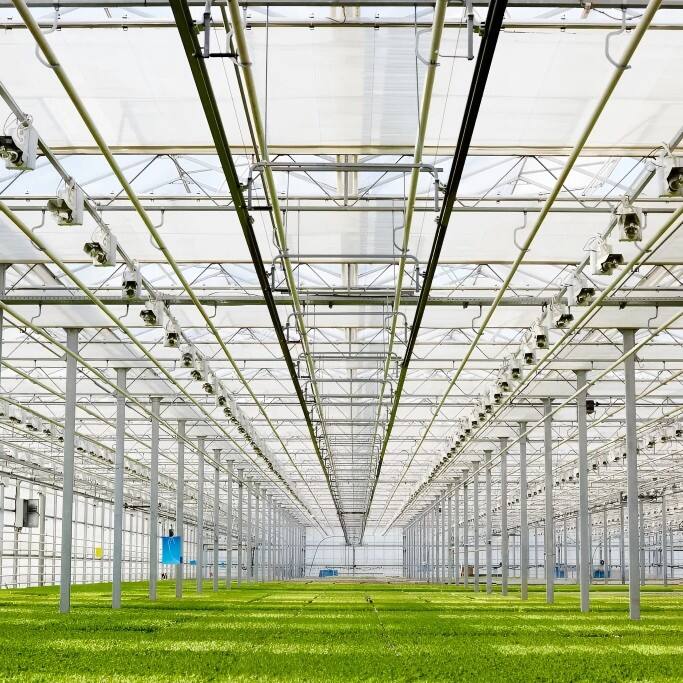
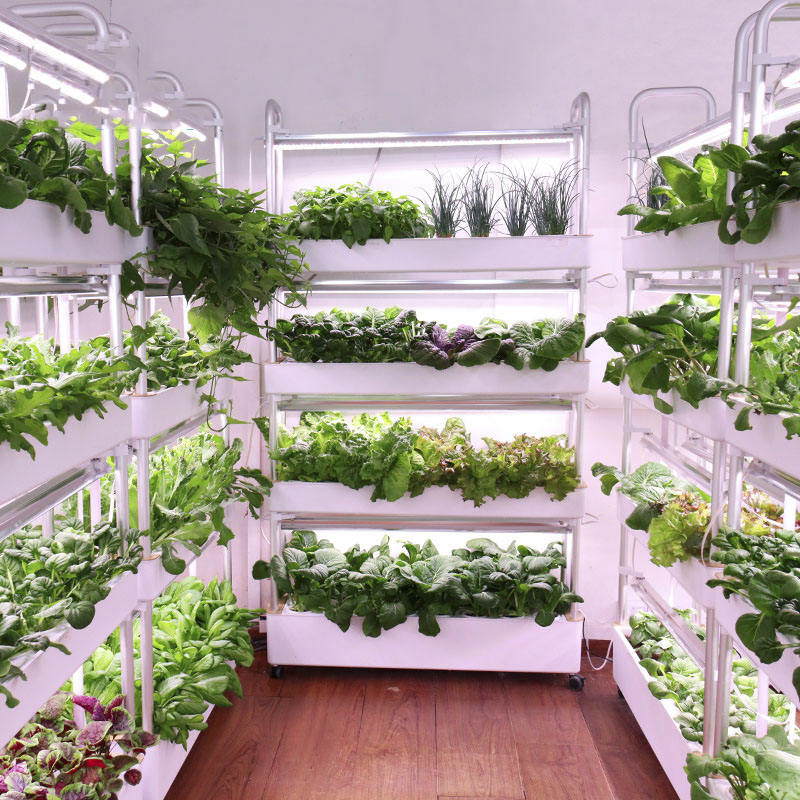
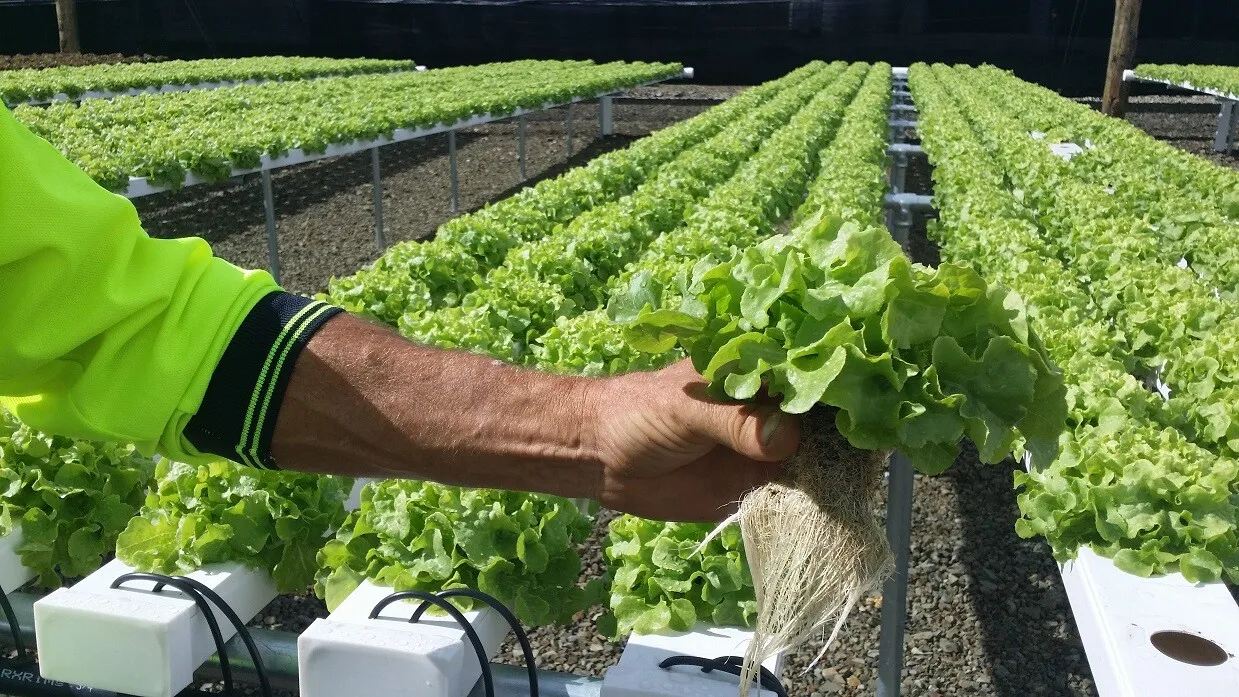
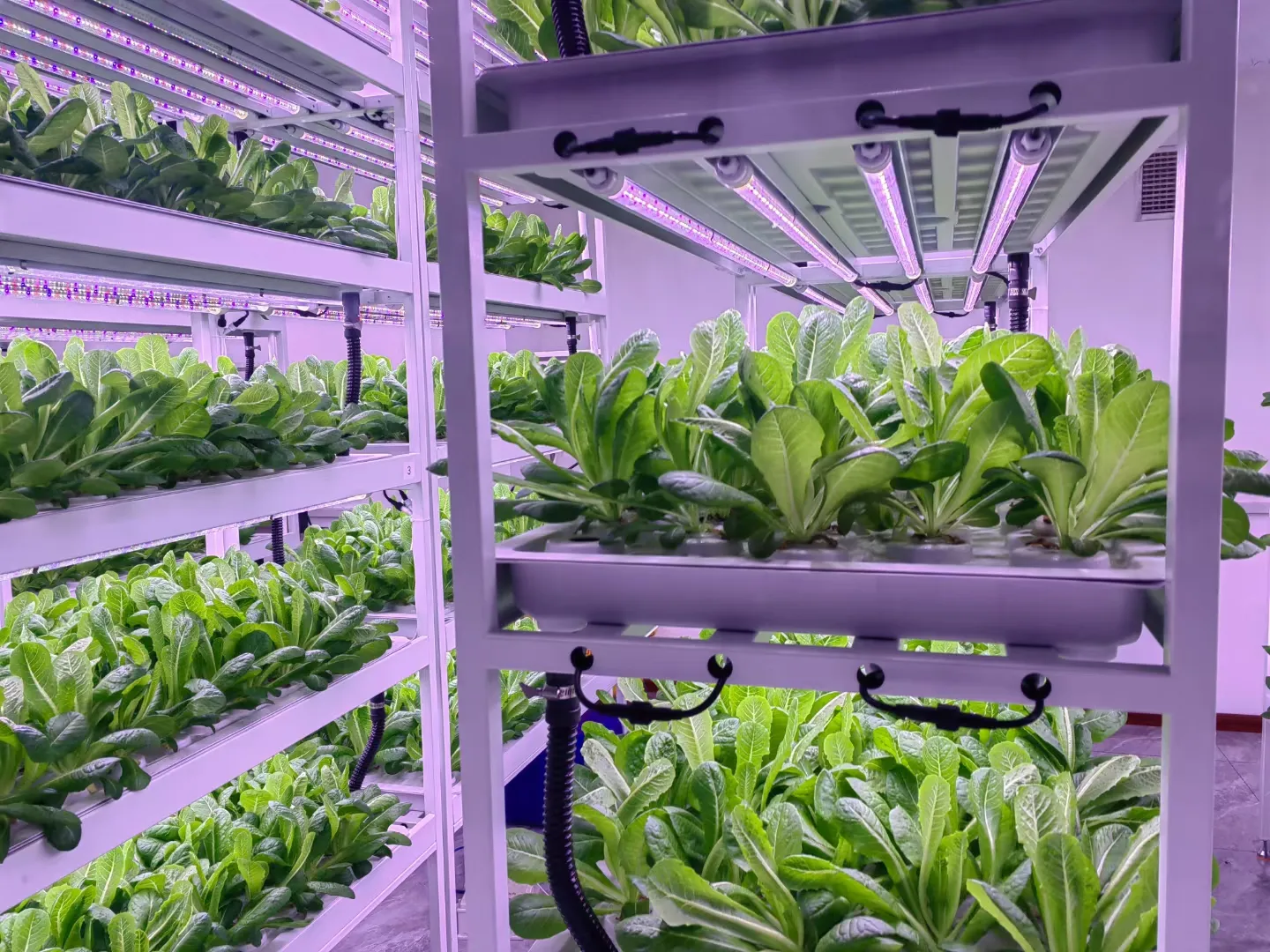
Indoor agriculture represents a revolutionary approach to food production that transforms how we grow crops by utilizing controlled environments within enclosed structures. This innovative farming method encompasses various techniques including hydroponics, aeroponics, aquaponics, and soil-based cultivation systems, all conducted within climate-controlled facilities such as greenhouses, warehouses, shipping containers, and purpose-built vertical farms. The core function of indoor agriculture centers on creating optimal growing conditions year-round, regardless of external weather patterns or seasonal limitations. By controlling temperature, humidity, light exposure, nutrient delivery, and air circulation, farmers can maximize crop yields while minimizing resource consumption. Technologically, indoor agriculture incorporates advanced LED lighting systems that provide specific light spectrums tailored to different growth stages, automated irrigation networks that deliver precise amounts of water and nutrients directly to plant roots, and sophisticated monitoring systems that track environmental parameters in real-time. Smart sensors continuously collect data on plant health, soil moisture levels, pH balance, and atmospheric conditions, enabling farmers to make data-driven decisions that optimize production efficiency. The applications of indoor agriculture span numerous sectors, from commercial vegetable production and herb cultivation to pharmaceutical plant growing and research facilities. Urban farms utilize indoor agriculture to bring fresh produce closer to consumers, reducing transportation costs and carbon footprints associated with long-distance food distribution. Educational institutions implement indoor agriculture systems for teaching sustainable farming practices, while restaurants and grocery stores integrate small-scale indoor growing operations to ensure consistent supply of fresh ingredients. The scalability of indoor agriculture makes it suitable for both large commercial operations producing tons of vegetables annually and small residential units growing herbs and leafy greens for personal consumption.
 ×
×

 EN
EN